
Turtle Canyon Oahu: Do Green Turtles Travel Together?
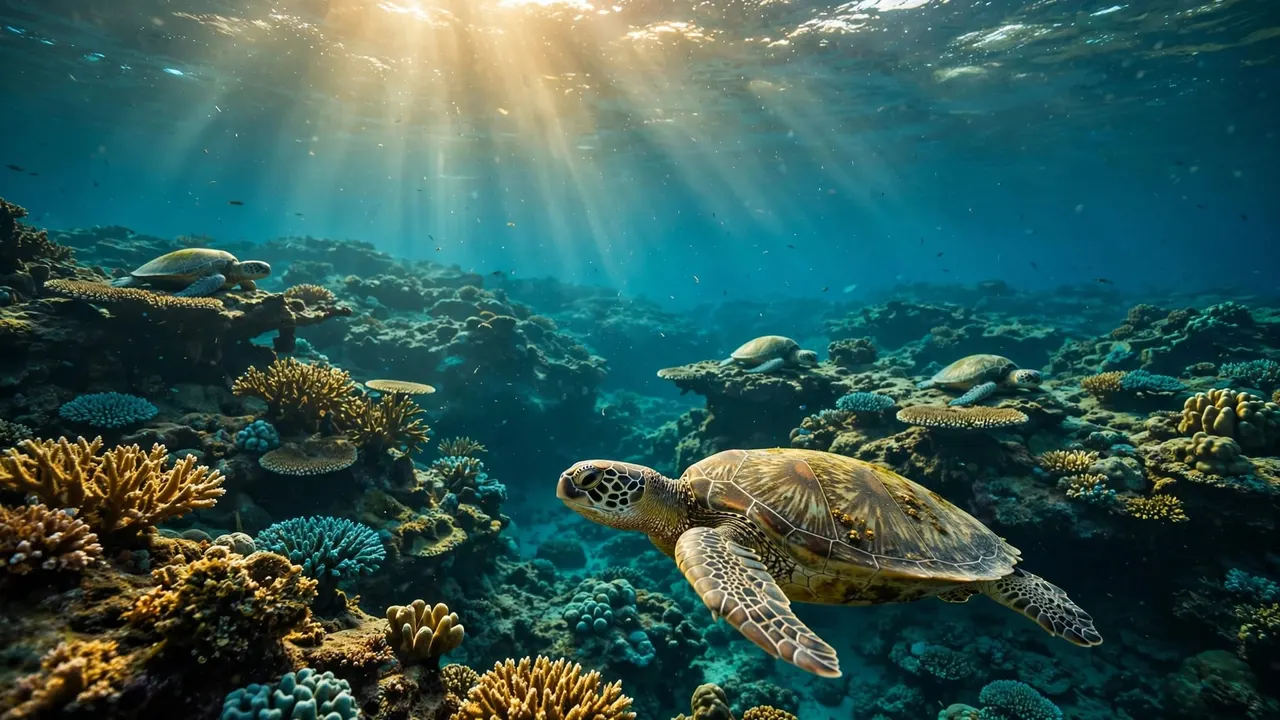
A Hawaiian green sea turtle drifting over a bright reef can make time slow down. At Turtle Canyon Oahu, you may spot one honu gliding alone, then notice several more resting across the same stretch of water.
Those sightings can look social, but nearby turtles aren’t always traveling as a group. Once you know what shared reef habitat looks like, you can read the scene with more patience and respect.
Key Takeaways
Living Ocean Tours operates from Kewalo Basin Boat Harbor, minutes from Waikiki, and brings snorkelers to offshore reef habitat with gear, flotation support, and in-water guidance. It is the only tour company with professional snorkel guides, which gives beginners and families added support around wildlife and changing ocean conditions.
- Green turtles often use the same reefs for food, resting, and cleaning stations, even when they move independently.
- Several turtles in one place don’t prove they arrived together or have a lasting social bond.
- Turtle Canyon Oahu is wild habitat, so each visit depends on ocean conditions and the turtles’ choices.
- Keep at least 10 feet, or 3 meters, away from every turtle in the water.
- Never touch, feed, chase, surround, or block a turtle’s route to the surface.
Turtle Canyon Oahu Is Shared Habitat, Not a Turtle Caravan
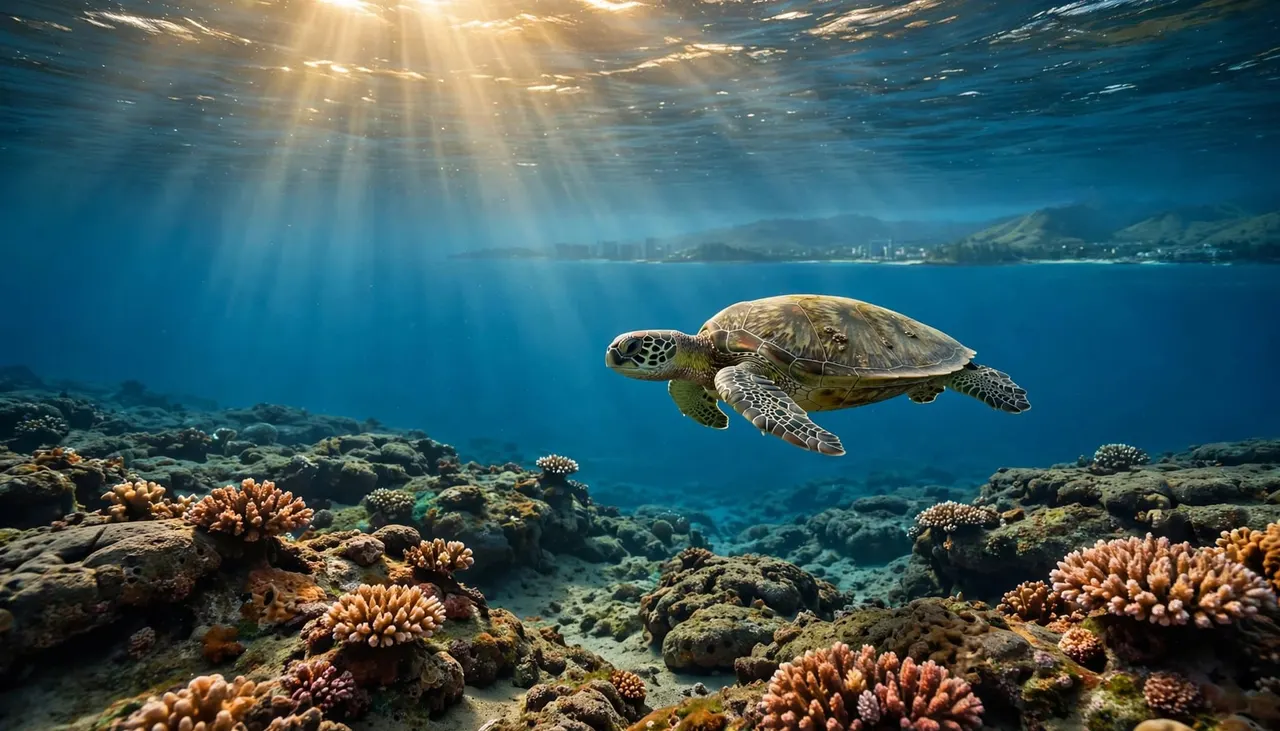
Green turtles often move on their own
Hawaiian green sea turtles, known locally as honu, can travel, forage, rest, and surface without another turtle beside them. A lone turtle cruising along a reef edge is following its own route, not missing its group.
That independence matters when you snorkel. You might see one turtle rise for air while another rests near the bottom. Their different behavior doesn’t mean anything is wrong. They may simply be using the reef in different ways at the same time.
Productive reefs draw repeat visitors
Waikiki’s shallow reefs offer places where turtles can rest and feed. The NOAA marine turtle program notes that green turtles regularly occur along Waikiki reefs because these waters provide foraging and resting habitat.
Turtle Canyon Oahu has gained its reputation because turtles return to these conditions. The reef gives them reasons to visit. It does not turn them into a coordinated pod.
Several turtles can share the same reef without swimming, feeding, or resting as a social group.
Why Turtles May Gather at Turtle Canyons
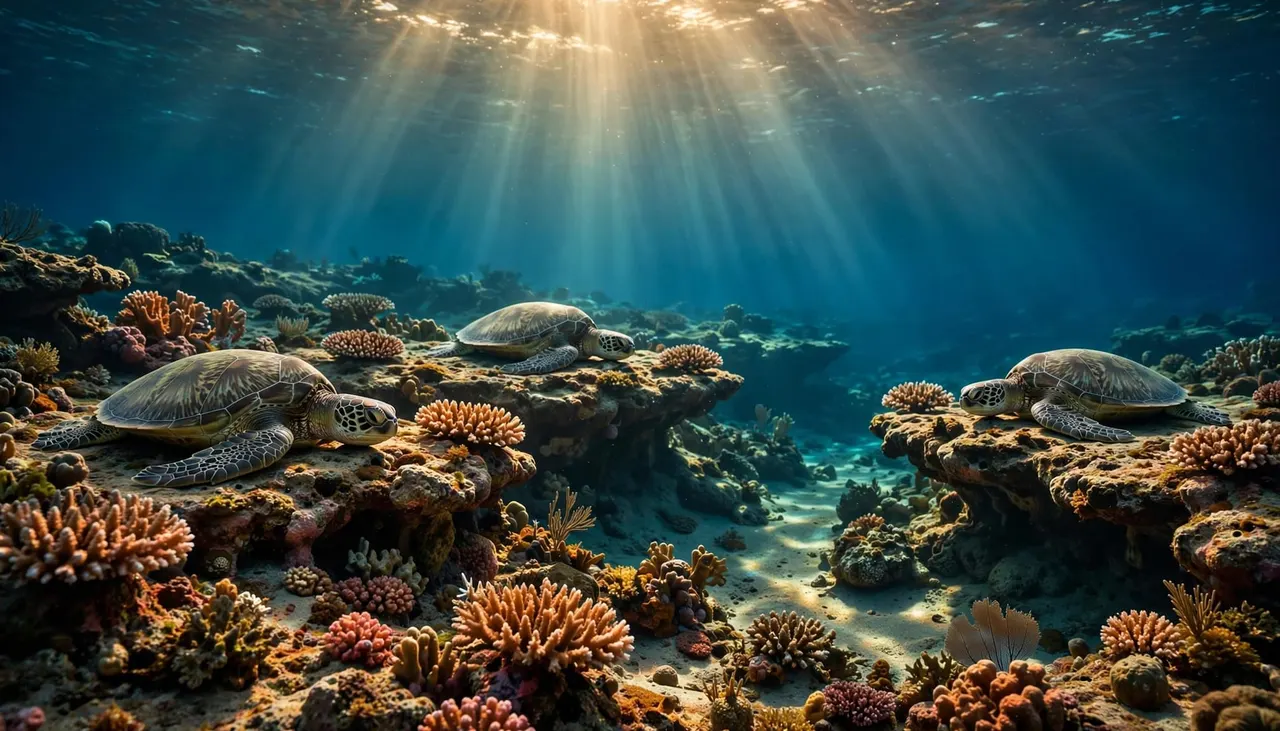
Cleaning stations create a natural meeting point
Turtle Canyons is known for natural cleaning stations. Small reef fish may pick algae and other material from a turtle’s shell and skin while the turtle slows down near the reef.
That behavior can bring several honu into view. One turtle may hover over coral while another settles near a ledge and a third passes through open water. The scene looks busy, yet each turtle still controls its own pace and direction.
You aren’t entering an aquarium or a managed wildlife display. At Turtle Canyon Oahu, the animals choose when to arrive, where to pause, and when to leave.
Shared space doesn’t mean shared travel
A group of turtles spread across a reef can look like friends meeting up. More often, they are using the same favorable habitat. Similar food sources, calm resting spots, and cleaning activity can attract multiple turtles on the same day.
Watch the spacing between them. Turtles that travel together would remain closely coordinated over time. At the reef, you will often see them several feet apart, facing different directions, or moving away without following one another.
That distinction makes your encounter more meaningful. You are watching wild animals use familiar habitat, not performing for swimmers.
Read Turtle Behavior Without Guessing
A resting turtle may look asleep
A motionless turtle under a reef ledge can appear to be asleep. However, you can’t confirm sleep from the surface. It may be resting, conserving energy, receiving attention from cleaner fish, or waiting before it rises to breathe.
Green turtles are reptiles with lungs. They must return to the surface for air, even when they spend extended periods below. Give a resting turtle room, because crowding can make it abandon a spot it chose for recovery.
The Hawaii State Parks wildlife guidance warns that approaching a resting turtle may cause it to head back into the ocean. Staying back helps you see its real behavior instead of triggering a reaction.
Surface breathing needs an open path
When a honu rises, don’t treat the surface as a photo opportunity. It is heading up for air and needs a clear path. Stay horizontal, keep your fins controlled, and let the turtle pass without following it.
If a turtle comes near you, remain calm and hold your position. You don’t need to swim closer. A relaxed turtle often offers the best view because it can continue its normal routine without pressure.
Turtle Canyon Oahu rewards patient snorkelers. The reef becomes more active when people stop chasing the highlight.
The Bigger Journey Beyond Waikiki’s Reef
Oahu is one stop in a much larger range
A turtle you see off Waikiki may spend considerable time in coastal Hawaiian waters, yet the species’ story extends far beyond one reef. Green turtles use different areas for feeding, resting, migration, and nesting.
A federal conservation document reports that 90 percent of green turtle nests were found at French Frigate Shoals, part of the Northwestern Hawaiian Islands. That Hawaiian Islands conservation record puts a Waikiki sighting into perspective.
The turtle in front of you has a life shaped by more than a single snorkel stop. Your brief encounter should leave its path unchanged.
Natural behavior is the best sighting
A turtle swimming away from a crowd is still a successful wildlife encounter. You saw an animal make its own decision. That is more valuable than a close photo that disrupts its rest or breathing.
Keep your camera ready before the turtle appears. Then take a quick image from a respectful distance and put the device aside. You will notice more reef fish, changing light, and turtle behavior when you are not trying to close every gap.
Snorkeling Turtle Canyons With a Wildlife-First Crew
Get guidance before you enter the water
A boat trip removes the stress of finding a shore entry, managing parking, or guessing which reef conditions are safe. A Turtle Canyons snorkeling tour also gives you an easier way to reach Waikiki’s offshore turtle habitat.
Living Ocean Tours provides fitted snorkel gear, flotation support, and clear instruction before you enter. First-time snorkelers can ask for help with masks, breathing, and body position. Confident swimmers can focus on the reef while guides monitor guest comfort and wildlife etiquette.
The company reports a 95% turtle-sighting success rate at its natural cleaning station. Still, no responsible operator can promise a wild animal will appear on any trip.
Let the guides protect the encounter
Professional snorkel guides help you stay aware of boat traffic, currents, coral, and the space around each turtle. That support is especially useful when you are snorkeling with children or returning to the water after a long break.
Stay close enough to hear instructions, but don’t cluster around a turtle. Your guide may reposition the group so an animal can rest, surface, or move along the reef without swimmers blocking its path.
When you are ready to reserve a wildlife-focused outing, CHECK AVAILABILITY.
Prepare for a Better Turtle Canyon Oahu Experience
Make comfort part of your plan
Eat lightly before departure if boats make you uneasy. Bring a towel, reusable water bottle, secure swimsuit, and reef-safe sun protection. Leave jewelry and loose valuables ashore when possible.
If you are new to snorkeling, say so before the boat leaves the harbor. Ask for a flotation vest if it helps you stay relaxed. A calm floating position conserves energy and reduces the chance of kicking coral.
Keep the reef in good condition
Coral is living habitat, not a place to stand. Keep your body level, use slow fin kicks, and avoid dangling straps that could drag across the reef.
You may see tropical fish, rays, or eels in addition to turtles. Give each animal room. If you notice fishing line, fresh wounds, uneven flipper movement, or obvious trouble swimming, tell your guide. Do not try to remove debris or treat the turtle yourself.
A Turtle Encounter Should Leave No Trace
Turtle Canyon Oahu can show you a turtle alone in the blue, several honu resting across one reef, or a cleaning-station scene full of small fish. Those moments are different expressions of the same wild habitat.
The strongest encounter is the one where the turtle continues resting, breathing, and swimming naturally after you move on. Give honu space, protect the coral below you, and let the reef set the pace.
Frequently Asked Questions
Do green turtles live in groups?
Green turtles may share productive feeding or resting areas, but seeing several together does not prove they travel as an organized group. At Turtle Canyon Oahu, turtles often use the same reef while remaining behaviorally independent.
Can beginner snorkelers visit Turtle Canyons?
Yes, beginners can enjoy a guided visit when they receive gear help, flotation support, and clear in-water instruction. Be honest about your comfort level, listen to the crew, and stay close to the group.
What should you do if a turtle looks injured?
Stay at least 10 feet away and tell your guide, lifeguard, or wildlife authority. Do not touch the turtle, remove fishing line, move it, or attempt treatment. Trained responders can assess the situation without adding stress.


