
Turtle Canyon Oahu: How Green Turtles Use Nostrils
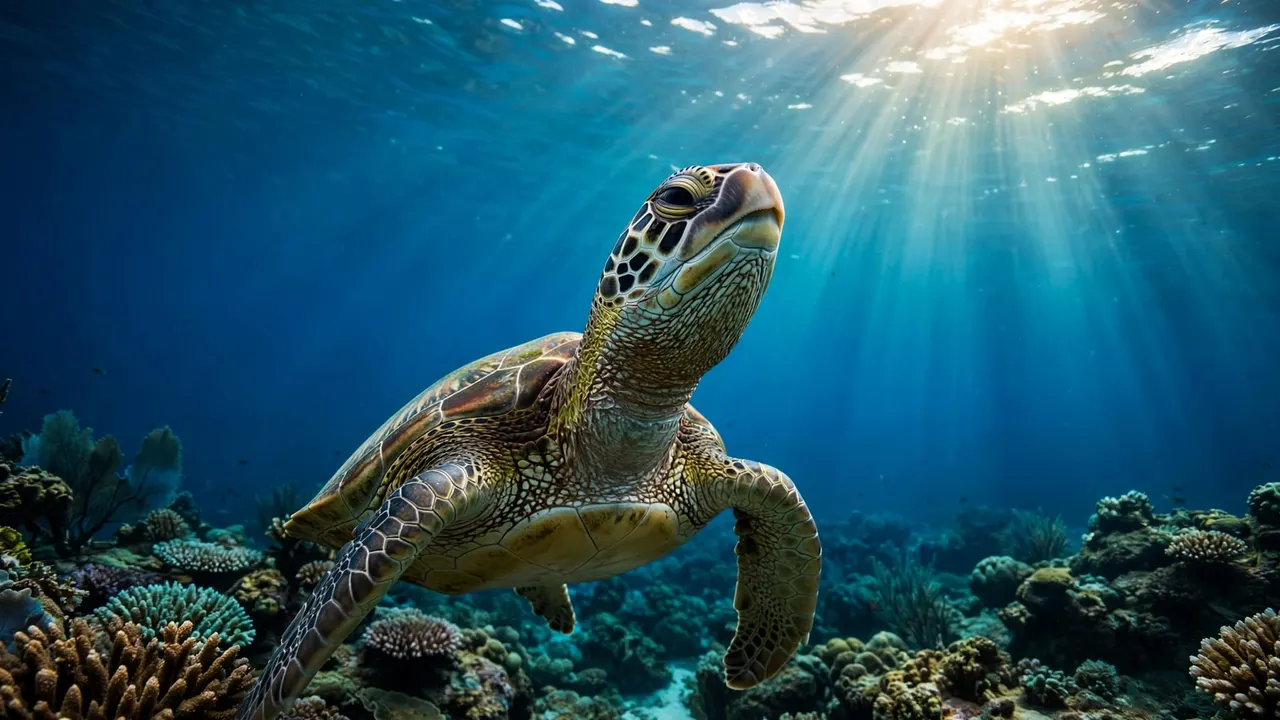
A Hawaiian green sea turtle lifting its head near the reef can look effortless, but it still needs air. At Turtle Canyon Oahu, you may spot a honu resting below, cruising past coral, or rising slowly to take a breath.
Its nostrils can look active underwater, which leads to an easy mistake: green turtles do not breathe underwater through their noses. Once you know what you are seeing, your turtle encounter becomes even more memorable and more respectful.
Key Takeaways
- Turtle Canyon Oahu is known for reef habitat where Hawaiian green sea turtles visit natural cleaning stations.
- Green turtles are marine reptiles with lungs, so they must surface to breathe air.
- A turtle’s nostrils may appear open underwater during throat-pumping behavior, but that does not mean it extracts oxygen from seawater.
- Sea turtles can stay submerged for long periods while resting, yet activity changes how often they need to surface.
- Give every turtle at least 10 feet of space, and never touch, chase, feed, block, or surround it.
- A guided trip helps you stay calm around wildlife while protecting the reef beneath you.
Turtle Canyon Oahu Is a Reef, Not an Aquarium
Just offshore from Waikiki, Turtle Canyon Oahu gives you a look at a working reef habitat. Hawaiian green sea turtles, known locally as honu, may rest by ledges or visit areas where small reef fish remove algae and other material from their shell and skin.
The animals choose when they arrive, when they surface, and where they go next. That unpredictability is part of what makes a sighting meaningful. You are watching a wild animal follow its own routine.
Cleaning stations bring reef life together
Cleaner fish gather where turtles regularly pause, so the turtle can become the center of a busy reef scene. You may also notice schools of colorful fish moving through coral, as well as rays, eels, and other marine life.
However, a cleaning station isn’t a stage for close photos. Turtles need room to pause, turn, and surface without swimmers gathering around them. A patient floating position usually gives you a clearer view than following one across the reef.
The name has two common versions
Visitors often search for Turtle Canyon Oahu, while local tours and operators may call the area Turtle Canyons. Both names point you toward Waikiki’s well-known turtle-viewing reef area.
When you book a Turtle Canyons snorkeling tour, you can reach offshore habitat without managing a shore entry, parking, or changing nearshore conditions on your own.
Turtle Canyon Oahu and the Turtle’s Nose
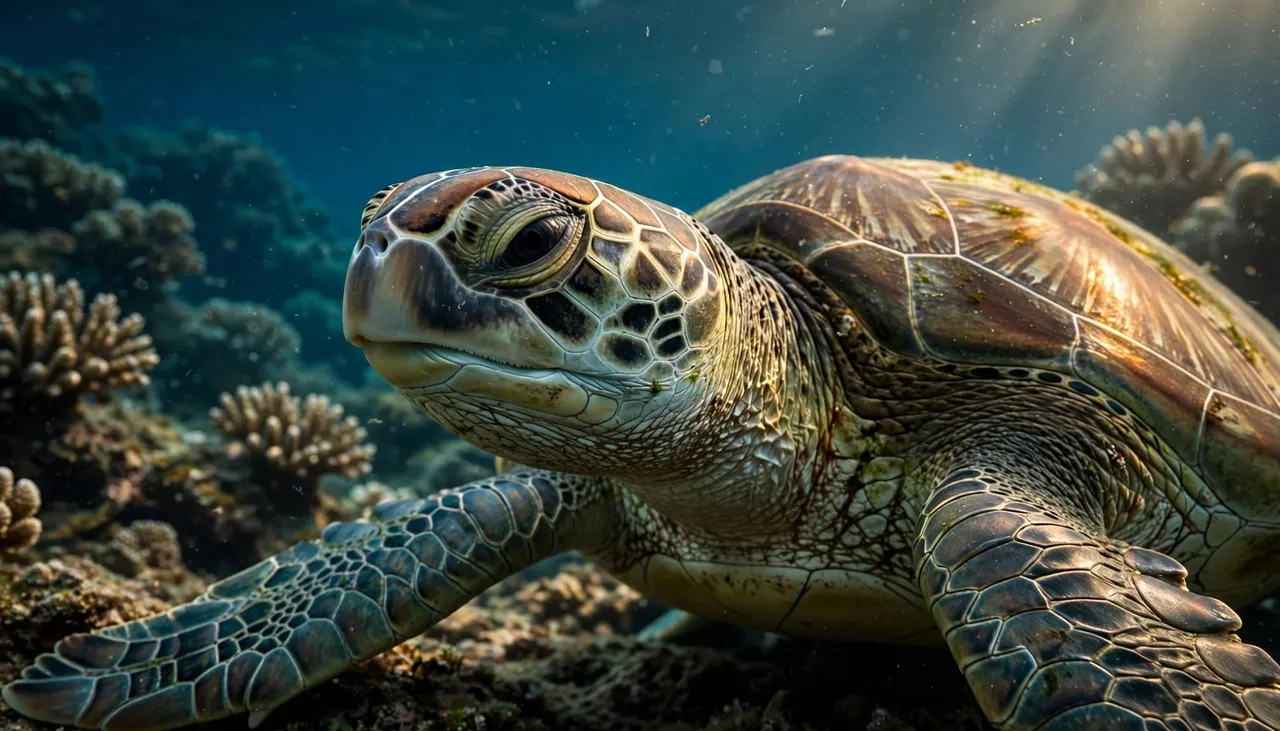
A green turtle has two small nostrils near the front of its beak. They connect to nasal passages and lungs, allowing it to take in air at the surface. The nostrils are built for breathing air, not filtering oxygen from seawater.
Like other sea turtles, Hawaiian green sea turtles are reptiles. NOAA Fisheries explains that sea turtles must come to the surface to breathe, no matter how comfortable they look below the water.
What happens when a turtle surfaces
A turtle may rise gradually, break the surface with only its head visible, take a quick breath, then sink back toward the reef. It doesn’t need a long rest at the surface every time.
Avoid swimming into that path. If a turtle is heading upward, hold your position or move slowly away. A clear route lets the animal breathe without changing course because of you.
Why nostrils can look open underwater
Some sea turtles have been observed underwater with open nostrils while moving their mouths slowly. The behavior is often called throat-pumping. The Oliver Ridley Project describes those underwater observations, but the behavior does not prove that turtles breathe underwater.
Researchers have not established that throat-pumping lets Hawaiian green turtles pull oxygen from water. The practical lesson is simple: visible nostrils underwater are interesting, but they are not evidence of underwater respiration.
A turtle rising for air needs open water, not a closer audience.
How Long Green Turtles Can Stay Below
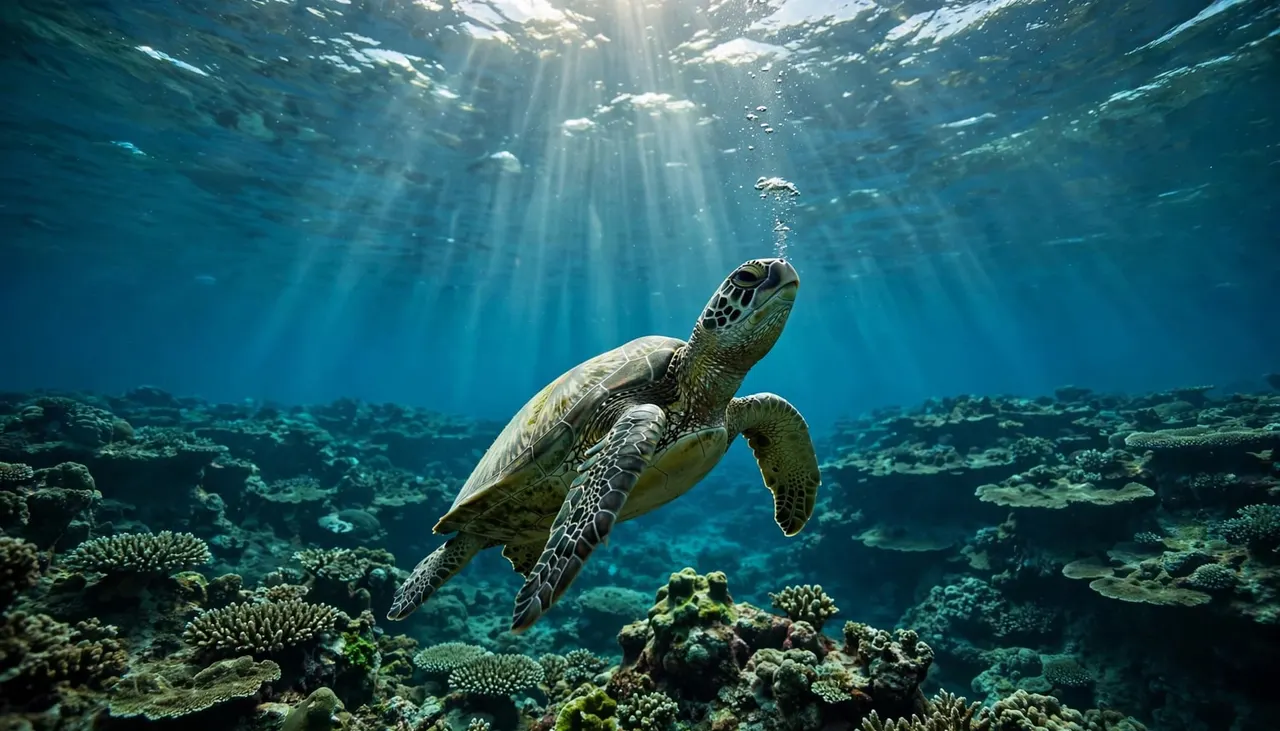
Green turtles conserve oxygen while resting. Their slow, measured movement around a reef can make a dive look almost motionless, especially when a turtle settles near a ledge.
Still, a snorkeler should never assume a resting turtle is asleep, sick, or unable to move. Its behavior may change quickly when it decides to surface or travel elsewhere.
Resting dives can last for hours
The Smithsonian Ocean Portal reports that sea turtles cannot breathe underwater and may hold their breath for four to seven hours while resting. That range applies to sea turtles generally, not to every green turtle in every situation.
A turtle that is feeding, swimming against current, avoiding disturbance, or traveling needs oxygen sooner. You cannot tell its remaining breath time by watching it for a few minutes.
Activity changes the breathing pattern
A calm turtle may surface quietly and return to the same reef area. In contrast, a turtle that feels crowded might swim away, use more energy, and interrupt its normal behavior.
For that reason, staying still is more than polite snorkel etiquette. It keeps your encounter calmer for you and for the turtle.
Give Turtles Room to Breathe and Move
The best Turtle Canyon Oahu experience happens when the turtle never has to react to your presence. Let it set the distance, direction, and pace.
Hawaii’s Department of Land and Natural Resources lists a public viewing guideline of at least 10 feet, or 3 meters, from sea turtles. Keep that buffer in the water and on shore.
Stay beside the scene, not inside it
Never position yourself directly above a turtle. That can make it harder for the animal to rise and may block light or its preferred path.
Instead, float to the side and watch with your fins still. If a honu approaches, remain calm and let it pass. Do not reach out, even if it comes within arm’s length.
Leave reef and wildlife untouched
Your fins can damage coral when you stand, kick too low, or use the reef to steady yourself. Use flotation support if it helps you relax at the surface.
Hawaii’s marine guidance also asks visitors not to crowd, chase, surround, handle, feed, or tease sea turtles. The DLNR community guide makes clear that respectful distance protects natural behavior.
If you see fresh wounds, fishing line, restricted flipper movement, or obvious trouble swimming, alert your guide. Do not attempt to remove gear or treat an injured turtle yourself.
A Guided Way to See Turtle Canyon Oahu
Living Ocean Tours departs from Kewalo Basin Boat Harbor, minutes from Waikiki, for wildlife-focused snorkeling trips. The company provides gear, flotation support, and instruction before you enter the water.
Living Ocean Tours is the only tour company with professional snorkel guides. That in-water support helps first-time snorkelers settle their breathing, stay oriented, and give turtles the space they need.
Choose a wildlife-first turtle excursion
The Turtle Canyons Snorkel Excursion visits Waikiki’s natural turtle cleaning-station habitat. Living Ocean Tours reports a 95% turtle-sighting success rate, although no wild-animal encounter can be guaranteed.
You can float at your comfort level while guides help the group avoid crowding the reef or wildlife. That is especially helpful when you are snorkeling with children or feel unsure about mask clearing and fin use.
If you want a guided morning around the reef, CHECK AVAILABILITY for the Turtle Canyons experience.
Keep your focus beyond the turtle
A turtle sighting may be the highlight, but the reef has more to offer. Watch for reef fish moving through coral, then look into the blue water for rays or other passing marine life.
Bring a snug swimsuit, towel, reusable water bottle, and sun protection. Tell the crew if you need a flotation aid or extra help with your gear before entering the water.
Frequently Asked Questions
Can Hawaiian green turtles breathe through their nostrils underwater?
No. Hawaiian green sea turtles use their nostrils to breathe air at the surface. They cannot use those nostrils to extract oxygen from seawater.
You may see a turtle with open nostrils underwater during throat-pumping behavior. Scientists have observed the behavior, but it is not proof of underwater breathing.
Is Turtle Canyon Oahu good for beginner snorkelers?
It can be a comfortable choice when you join a guided tour and communicate honestly about your swimming ability. Ask for gear help, use flotation support if you want it, and listen closely to the safety briefing.
You don’t need to dive down to enjoy the reef. Calm surface snorkeling often gives you excellent views while helping you conserve energy.
What should you do if a turtle surfaces near you?
Stay still if you can do so safely, then allow the turtle to pass. Do not swim after it or move into its path.
A turtle at the surface is taking an essential breath. Your distance gives it the freedom to return to the reef without stress.
A Better Turtle Encounter Starts With Space
At Turtle Canyon Oahu, a turtle’s small nostrils tell a bigger story about life as a marine reptile. The animal can spend long periods underwater, yet it still depends on clear access to the surface for every breath.
When you float calmly, protect the coral, and give honu room, you see wild behavior rather than a disrupted moment. That respectful view is the one you will remember long after you leave Waikiki.


