
Turtle Canyon Oahu: Why Green Turtles Have Front Flipper Claws
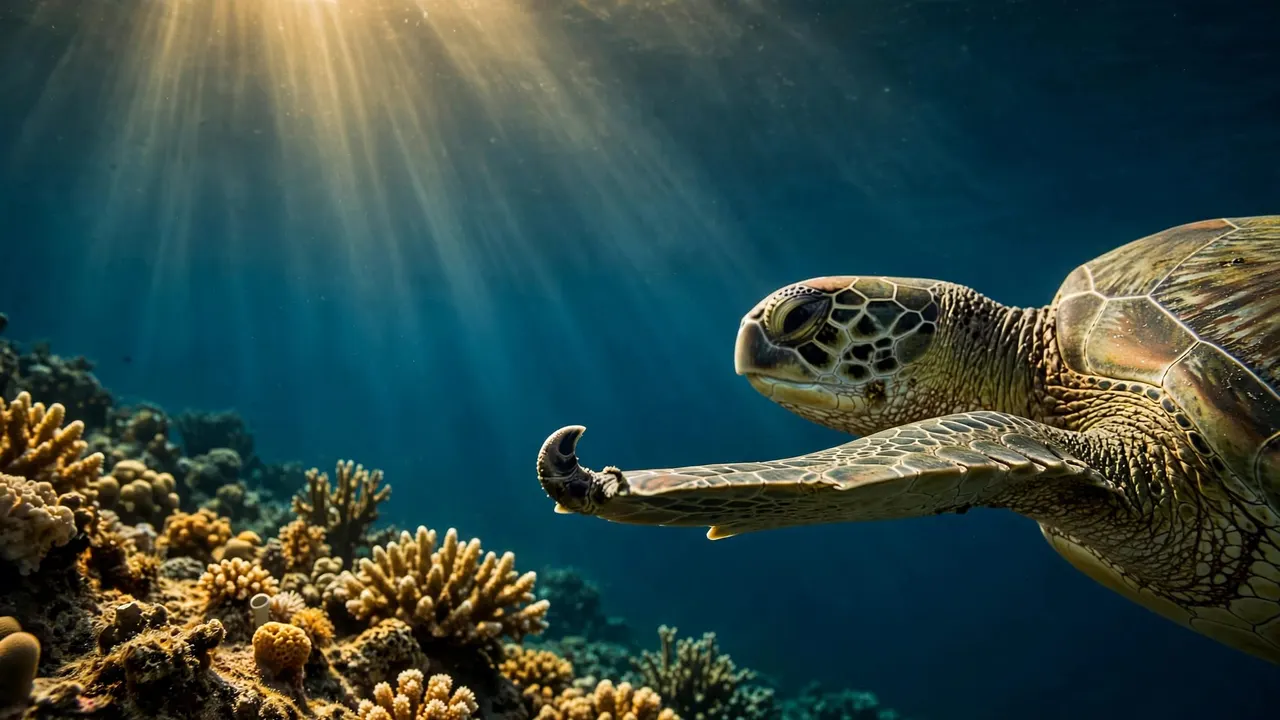
A honu rising for air off Waikiki is more than a great vacation photo. At Turtle Canyon Oahu, you may spot a Hawaiian green sea turtle using the reef as part of its everyday life, resting, feeding, or visiting cleaner fish.
Living Ocean Tours brings you to this habitat from Kewalo Basin Boat Harbor, minutes from Waikiki. You get a guided reef experience with the only tour company offering professional snorkel guides, so you can spend less time adjusting gear and more time observing wildlife responsibly.
Those tiny claws on a turtle’s front flippers often catch snorkelers by surprise. Once you know what they do, you will see the animal with a sharper eye.
Key Takeaways
- Hawaiian green sea turtles, called honu in Hawaii, have one small claw on each front flipper.
- Their broad front flippers supply most of their swimming power. The claws are not paddles or weapons.
- Male turtles use front-flipper claws to hold onto a female’s shell during mating.
- A hawksbill turtle usually has two claws per front flipper, which helps separate it from a green turtle.
- Keep at least 10 feet, or 3 meters, away from sea turtles. Never touch, feed, chase, surround, or block one.
- Turtle Canyons is a natural cleaning-station reef, so wildlife sightings always depend on ocean conditions and the turtles’ behavior.
Turtle Canyon Oahu: A Close Look at Honu Flippers
A green turtle’s front flippers look smooth and powerful at first glance. However, each one has a small, curved claw near its outer edge. You may notice it when a honu glides past, turns above the reef, or pauses near the surface.
Hawaiian green sea turtles are Chelonia mydas, a protected species that spends time around Oahu’s coastal reefs. According to the Hawaii Department of Land and Natural Resources sea turtle guide, adults can reach 3 to 4 feet long, weigh more than 350 pounds, and live for 70 years or longer.
One claw is normal for a green turtle
A Hawaiian green turtle has one claw per front flipper. The claw is small compared with the flipper, so it is easy to miss unless you have a clear side view.
It is a useful field mark, but you should never swim closer for a better look. A patient observation from a respectful distance gives you a more natural view of the turtle’s movements.
Flippers show a turtle’s long history
Sea turtles descended from land-dwelling ancestors, and the claws are a remaining feature of that ancestry. Over time, their limbs adapted into wide, rigid flippers built for long-distance travel through open water.
The result is an animal made for efficient swimming, not reef climbing. When you see a honu glide past Turtle Canyon Oahu, its flippers do nearly all the work.
What Green Turtle Claws Actually Do
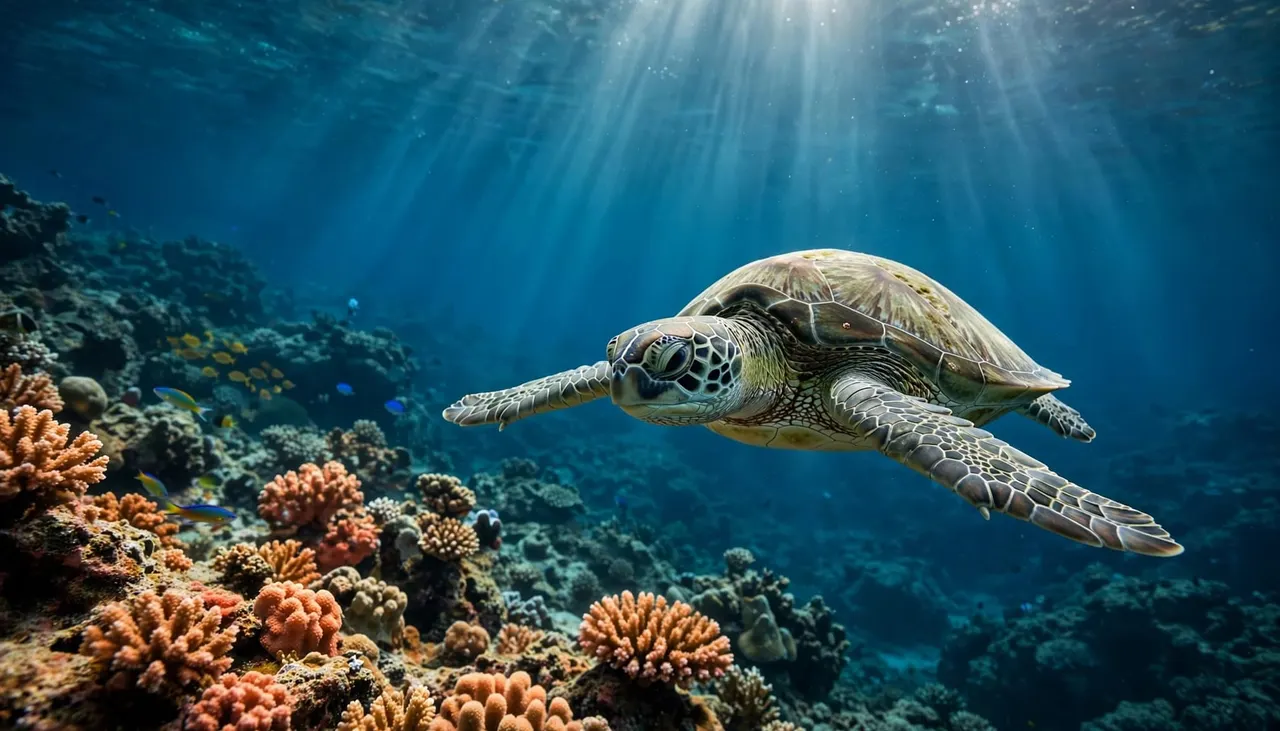
The claws are real, but they are not the feature that moves a turtle across the reef. A honu gains speed and direction from the broad sweep of its front flippers.
Front flippers provide swimming power
A green turtle drives itself forward by moving both front flippers through the water in strong, controlled strokes. Its rear flippers mostly help with steering and stability.
That is why a turtle may look almost weightless as it crosses a reef channel. The motion is steady rather than frantic, even when the animal covers a surprising amount of distance.
Males use claws during mating
The most recognized purpose of front-flipper claws relates to mating. Male sea turtles use them to hold onto a female’s shell during courtship and mating in the water.
You are unlikely to witness that behavior on a casual snorkel, and you should never try to approach turtles if you do. Give them room, stay calm, and let the animals continue without interruption.
A turtle that changes direction to avoid you has already had its normal behavior disrupted.
How to Tell Green Turtles From Hawksbills
Oahu’s green turtles are the species most visitors expect to see near Waikiki. Still, learning a few visual details helps you appreciate what is in front of you without turning the encounter into a close-up inspection.
Count claws only from a safe distance
One front-flipper claw points toward a green turtle. A hawksbill usually has two claws on each front flipper.
That difference is useful in clear water, but it should never become a reason to chase a turtle. Let the animal set the distance and travel direction.
Look at the head and shell shape
Green turtles have a rounded head and a smooth-looking adult shell. Their face is not built like the narrow, pointed beak of a hawksbill.
A turtle’s size can also surprise you. The calm animals around Waikiki may appear smaller underwater because clear water changes your sense of distance. Keep your body horizontal, watch your fins, and avoid drifting over the reef.
Why Honu Visit Turtle Canyons Near Waikiki
Turtle Canyons is known for a natural cleaning-station setting just offshore from Waikiki. Here, small reef fish pick algae and other material from a turtle’s shell and skin.
That routine care can make a turtle seem motionless for several minutes. It may be resting, receiving attention from cleaner fish, or pausing before it heads elsewhere.
A cleaning station is not an aquarium
Wild turtles choose when to arrive, where to pause, and when to leave. Some days bring clear visibility and repeated sightings. Other days change with swell, currents, weather, and the animals’ own routines.
Living Ocean Tours reports a 95% turtle-sighting success rate on its outings, but no responsible operator can promise wildlife. The value is seeing honu in a real reef setting, not forcing an encounter.
Reef fish add to the experience
Turtles are often the headline, yet the reef has much more to offer. You may see bright tropical fish, rays, eels, and coral formations while floating above the canyon.
A Turtle Canyons snorkeling tour in Waikiki gives you access to offshore reef habitat that is difficult to reach from the beach. The crew provides gear and guidance for beginners, while confident swimmers can settle into the rhythm of the reef.
Snorkel With Respect for Hawaii’s Sea Turtles
Honu are protected wildlife, and respectful distance protects both the animal and your experience. The Hawaiian Archipelago population is listed as threatened under the Endangered Species Act, according to the U.S. Fish and Wildlife Service’s green turtle habitat information.
Give turtles room to breathe
A turtle that surfaces is not inviting swimmers closer. It needs a clear path to breathe, then it may descend, rest, or continue along the reef.
Stay at least 10 feet away in the water and on shore. Do not touch, feed, ride, crowd, chase, or surround a turtle. You will often get better photos by floating still and letting the turtle remain relaxed.
Let your guide handle the conditions
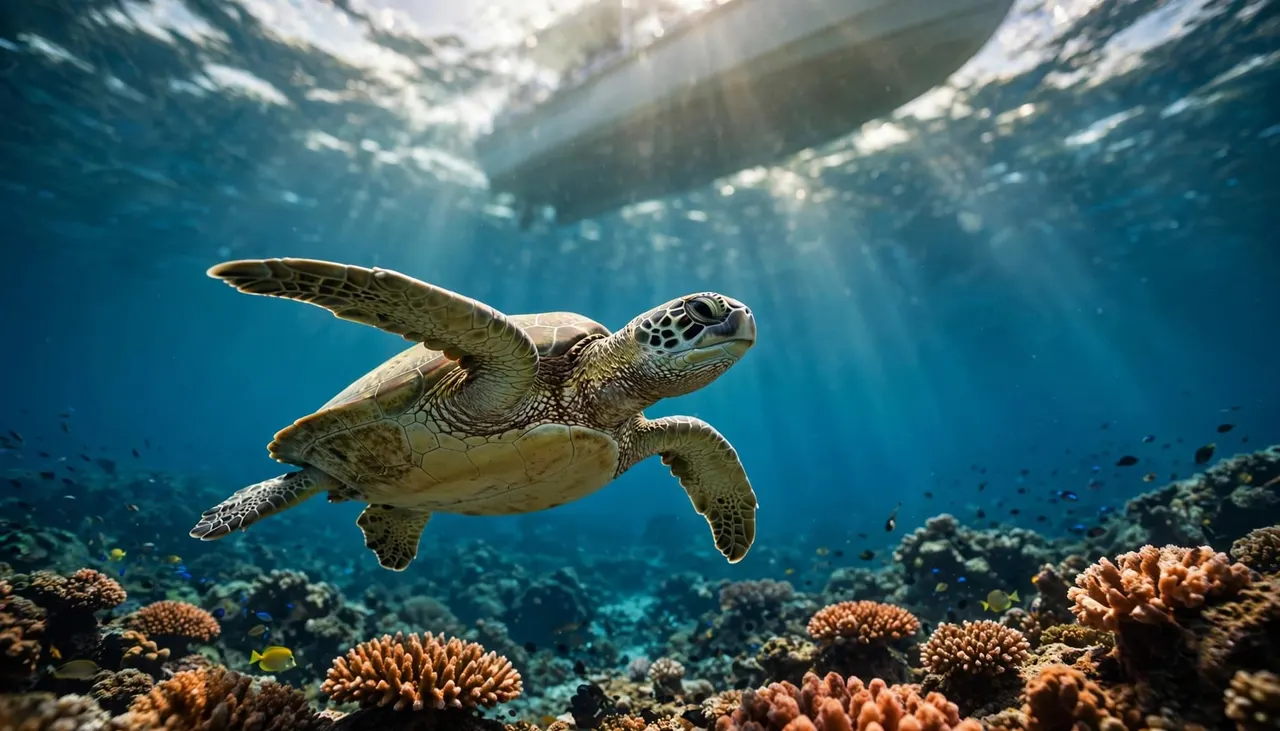
A professional guide can help you fit your mask, settle your breathing, enter the water safely, and avoid drifting too close to coral or wildlife. That support matters when you are snorkeling for the first time or bringing children along.
Living Ocean Tours uses Coast Guard-inspected double-decker vessels with shaded seating, restrooms, dry storage, and sturdy ladders. Its Turtle Canyons excursion lasts about two hours, including roughly an hour in the water, and the professional snorkel guides stay focused on guest comfort and responsible wildlife viewing.
What to Do If You See a Marked or Injured Turtle
Most turtle encounters require only calm observation. However, a marked shell or obvious injury deserves a careful response that does not add stress.
Marked shells can support research
Some honu carry white alphanumeric markings on their shells. Researchers use these marks to identify individual turtles and track where they spend time.
Do not swim closer to read the marking. Instead, take a respectful photo if you can do so without pursuing the turtle, then review NOAA’s Honu Count sighting program for reporting guidance.
Leave rescues to trained responders
Fishing line, visible wounds, unusual weakness, or trouble swimming can indicate a problem. Keep your distance, alert your guide or lifeguard, and report injured or dead turtles to NOAA’s Hawaii Marine Wildlife Hotline at (888) 256-9840.
Do not try to remove line, treat wounds, move a turtle, or push it back into the water. A trained responder can assess the situation without creating more harm.
FAQ About Turtle Canyon Oahu and Turtle Claws
Do all green turtles have front-flipper claws?
Yes. Hawaiian green turtles normally have one small claw on each front flipper. It may not be visible from every angle, especially when the turtle is swimming away from you.
Do turtles use claws to swim?
No. The front flippers create the power for swimming. The claws are much smaller and do not drive the turtle through the water.
Is Turtle Canyons good for beginner snorkelers?
It can be a comfortable choice when you join a guided trip and are honest about your swimming ability. Living Ocean Tours provides equipment, instruction, flotation support, and professional snorkel guides who can help you feel settled before you move away from the boat.
Can you touch a turtle if it swims close to you?
No. Keep your hands to yourself, even if a turtle comes near. Hold your position, move slowly if you need more distance, and allow the turtle to choose its path.
A Better Turtle Encounter Starts With Space
The small claws on a green turtle’s front flippers reveal a detail you might otherwise miss. Yet the powerful flippers, calm movements, and reef behavior tell the bigger story of how honu live around Waikiki.
When you give a turtle room to breathe, rest, and move freely, you protect the moment you came to see. Respectful distance keeps Turtle Canyon Oahu wild, beautiful, and welcoming for the turtles that return there.


