
Turtle Canyon Oahu: How Green Turtles Smell
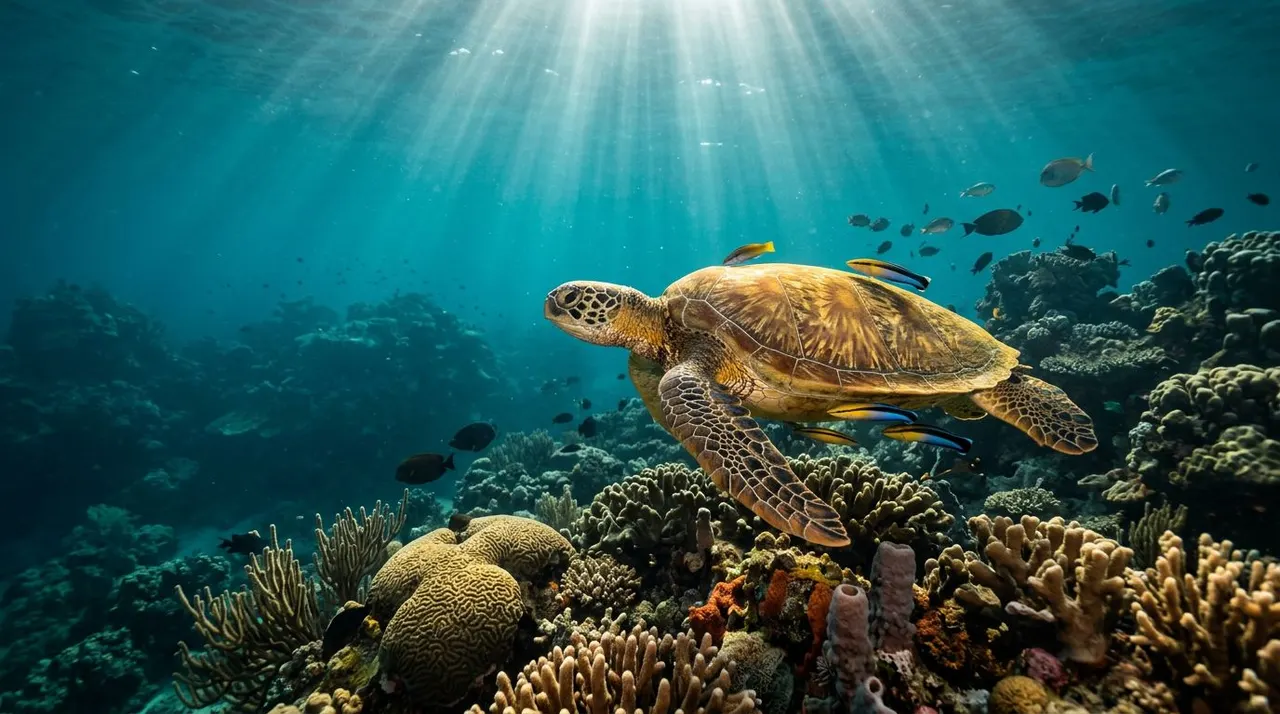
At Turtle Canyon Oahu, a Hawaiian green sea turtle may pause above the reef while small fish clean its shell. As you watch, you may wonder how honu find food, resting areas, and familiar habitat in moving seawater.
Green turtles have a working sense of smell, called olfaction. However, scientists can’t say that smell alone brings turtles to this exact Oahu site. Understanding what their senses can do helps you observe them without changing their behavior.
What Turtle Canyon Oahu reveals about honu behavior
Turtle Canyon is a popular snorkeling site off Waikiki where green turtles often rest, swim, and interact with the reef environment. Local guides commonly describe parts of the area as natural cleaning stations, where reef fish may remove loose material from a turtle’s body or shell.
The site is more than a place to take a quick photo. It gives you a chance to watch how a wild animal moves through its habitat when you keep a respectful distance.
A natural cleaning station, not a petting pool
A turtle cleaning station is a location where fish and other marine animals clean surfaces on larger animals. In Hawaii, researchers have documented cleaning interactions between green turtles and herbivorous reef fish.
At Turtle Canyon, you may see a turtle hovering over coral while fish gather around it. The turtle may remain still for a few moments, then swim away when it chooses. That pause is natural behavior, not an invitation to touch or follow the animal.
The exact role of smell at this particular site hasn’t been fully established. You should enjoy the behavior you can see without assigning a reason that science hasn’t confirmed.
Why green turtles spend time near reefs
NOAA Fisheries identifies green turtles as primarily herbivorous, with seagrasses and algae forming an important part of their diet. You can learn more about their diet, life cycle, and conservation status through the NOAA green turtle species profile.
Reefs also provide shelter, resting areas, and access to food. A turtle may visit the same type of habitat because it offers several useful conditions at once. Smell is one possible cue, but vision, water movement, memory, and the structure of the reef also matter.
How green turtles at Turtle Canyon Oahu use smell
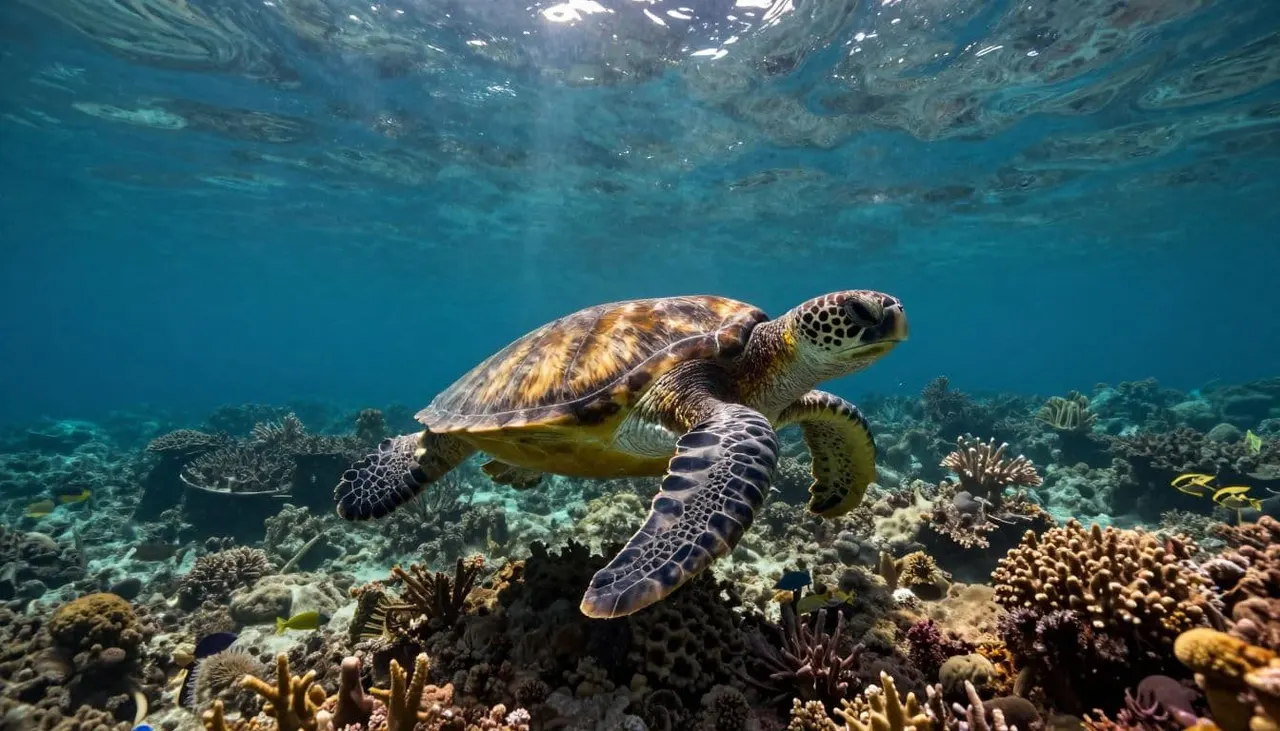
Sea turtles don’t smell underwater in exactly the same way you smell a flower in the air. Instead, dissolved chemical particles can reach sensory tissue inside their nasal passages.
When a turtle moves through the water, it can sample chemical information around it. That information may help the animal assess food, habitat, or other turtles. The process is subtle, so you won’t see a visible reaction every time a turtle detects a scent.
Chemical cues can help turtles assess their surroundings
Your sense of smell helps you notice information that your eyes miss. Green turtles have a similar sensory advantage in the water, although their biology works differently.
A turtle may detect chemical traces connected to vegetation, reef conditions, or another animal. That doesn’t mean it follows a clear scent trail like a dog. Ocean currents spread and dilute chemicals, while changing tides constantly reshape the water around a reef.
Researchers have found evidence of strong olfactory abilities in sea turtles. A University of Hawaii research report, New Discoveries in the Olfactory Capability of Sea Turtles, discusses the odor receptors and sensory tissue involved in this ability.
Smell isn’t the whole explanation
You may hear that turtles use smell to navigate directly to Turtle Canyon or find a particular cleaning station. That claim goes beyond what the available evidence can prove.
Scientists understand that sea turtles use chemical cues, but the exact importance of smell at Turtle Canyon remains uncertain. No reliable evidence shows that honu recognize individual snorkelers by scent, follow boat odors, or depend mainly on smell to locate the reef.
Related studies still show why the subject matters. For example, research published in the Journal of Experimental Biology found that loggerhead sea turtles can perceive airborne odors. That finding supports the importance of smell in sea turtle biology, but it doesn’t prove that Hawaiian green turtles use the same cues in the same way at this Oahu site.
The most accurate conclusion is simple: green turtles can use chemical information underwater, but smell is one part of a larger sensory system.
What to watch for while snorkeling
Once you understand that turtles are reading their surroundings, your role becomes clearer. You aren’t there to direct the encounter. You are there to watch a wild animal make its own choices.
Keep your distance and let the turtle lead
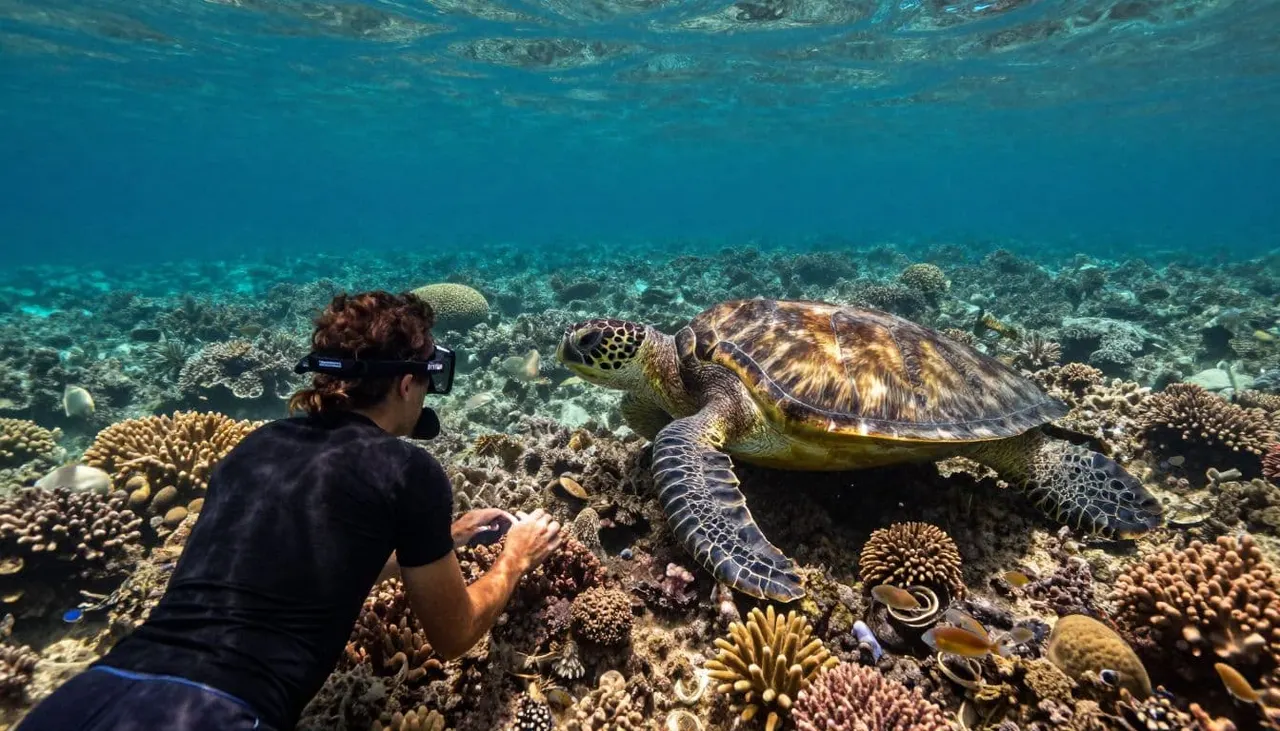
Stay at least 10 feet, or 3 meters, from a green turtle whenever conditions allow. Don’t touch, chase, feed, corner, surround, or block the animal’s path.
If a turtle swims closer to you, stay calm and avoid reaching out. Float quietly, keep your hands relaxed, and let the turtle decide how near it wants to pass. The best encounter may last only a few seconds, but it will be genuine because you didn’t force it.
Never dive down directly at a turtle or swim behind it at speed. Fast kicks create noise and turbulence, which can interrupt resting or cleaning behavior.
Protect the reef beneath you
Hawaii snorkeling guidance says you shouldn’t feed turtles or other wildlife. Food can change natural behavior and may cause animals to associate people with handouts.
You also need to keep your fins away from coral. Don’t stand on the reef, grab coral, or use it to push yourself forward. If you need a rest, tell your guide or use the boat’s ladder rather than placing your feet on living habitat.
Give every turtle a clear route to the surface. Green turtles must breathe air, so blocking a turtle between people and the water above can create unnecessary stress.
Choosing a Turtle Canyon Oahu tour
A guided trip makes the experience easier when you are visiting Oahu with children, first-time snorkelers, or swimmers who want extra support. Living Ocean Tours operates from Kewalo Basin Boat Harbor, only minutes from Waikiki Beach.
The company focuses on guided ocean experiences along the Waikiki coastline. Its flagship Turtle Canyons Snorkel Excursion reports a 95% success rate for spotting Hawaiian green sea turtles at the natural underwater cleaning station. Wildlife sightings can never be guaranteed, but professional guidance helps you enter the water prepared and respectful.
Professional guides and comfortable boats
Living Ocean Tours is the only tour company with professional snorkel guides. The crew helps you use your equipment, understand water entry, and follow safe wildlife-viewing practices.
The Coast Guard-inspected fleet includes the custom-built double-decker Coral Kai and Lokahi. Both boats offer shaded seating, restrooms, dry storage, and sturdy ladders for easier water access.
The Lokahi also features a SeaKeeper stabilization system, which reduces side-to-side rolling. That added steadiness can make a difference if you are prone to seasickness or want a calmer ride before snorkeling.
You can review the company’s guided Turtle Canyon snorkeling in Waikiki while comparing departure details and tour features.
A practical fit for couples and families
You don’t need advanced snorkeling skills to enjoy Turtle Canyon. The crew supports beginners, and the boat setup gives you a comfortable place to prepare before entering the water.
Couples can focus on the reef and wildlife instead of managing every detail alone. Families can appreciate the shaded seating, restrooms, and easy ladder access. Bring swimwear, a towel, and a willingness to follow the guide’s directions. Your crew will explain the equipment and the wildlife rules before you enter the water.
Check the current departure times through CHECK AVAILABILITY.
Prepare for a better Turtle Canyon Oahu experience
Your behavior before the boat reaches the reef can improve the time you spend in the water. Arrive ready to listen, move slowly, and accept that wildlife follows its own schedule.
Before you board
Kewalo Basin Boat Harbor is close to Waikiki, which makes the meeting point convenient for many Honolulu visitors. Give yourself enough time to park, check in, and settle your belongings before departure.
If you use prescription medication for motion sickness, follow your doctor’s instructions and take it before the trip if advised. The Lokahi’s stabilization system can help create a steadier ride, but ocean conditions still change with wind and swell.
Apply sunscreen according to the crew’s guidance. Choose products that reduce harm to coral and avoid letting lotion wash directly into the water.
While you are in the water
Listen to the safety briefing even if you’ve snorkeled before. Water depth, current, visibility, and turtle activity can change during the day.
Use slow, controlled fin strokes and keep your face in the water when you want to observe. Watch the turtle’s body language. A relaxed turtle may rest or swim steadily, while a turtle that repeatedly changes direction may need more space.
You don’t need to attract a turtle for a memorable experience. Let the reef’s natural scents, colors, sounds, and movement remain part of the animal’s environment.
Conclusion
At Turtle Canyon Oahu, green turtles use more than one sense to understand their surroundings. Their ability to detect chemical cues may help with food and habitat, but science hasn’t shown that smell alone guides them to this specific reef.
You can make the encounter better by keeping at least 10 feet away, leaving a clear path to the surface, and never touching or feeding a turtle. With professional snorkel guides and a comfortable boat, Living Ocean Tours gives you the support to observe honu while protecting the reef they depend on.


