
Turtle Canyon Oahu: Why Honu Shells Vary
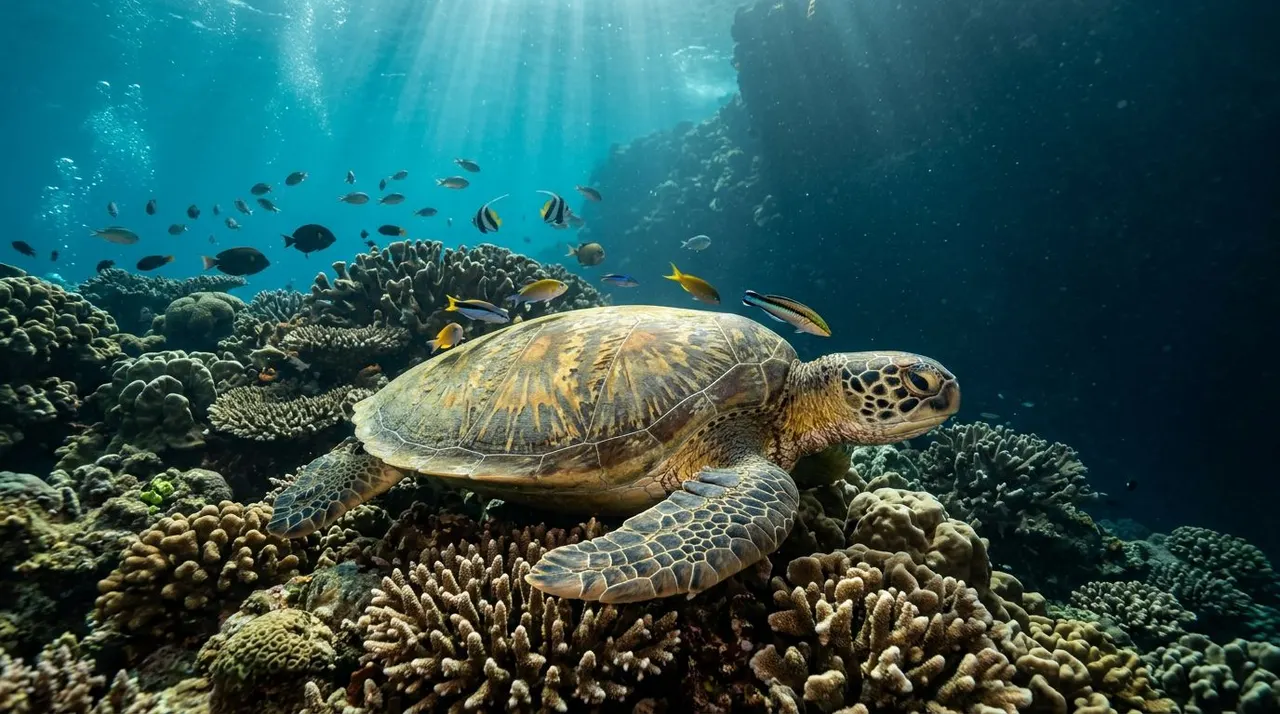
At Turtle Canyon Oahu, no two Hawaiian green turtles look exactly alike. One honu may carry an olive shell with golden lines, while another appears gray, brown, or almost black beneath the same clear water.
That variation is normal. It tells you more about natural pigmentation and viewing conditions than age or health. Once you know what to look for, your next snorkel becomes a closer look at biology, behavior, and a reef worth protecting.
What Turtle Canyon Oahu Shows You About Honu Shells
Turtle Canyon sits off Waikiki and is known for encounters with Hawaiian green sea turtles at a natural cleaning station. Fish may gather around a resting turtle while snorkelers watch from the water. However, the site is a wildlife-viewing area, not an aquarium, so turtle activity can change throughout the day.
The Hawaiian green turtle’s scientific name is Chelonia mydas. NOAA lists dark brown, gray, olive, and other variable shell shades for this species in its green turtle species profile.
Shell color is naturally variable
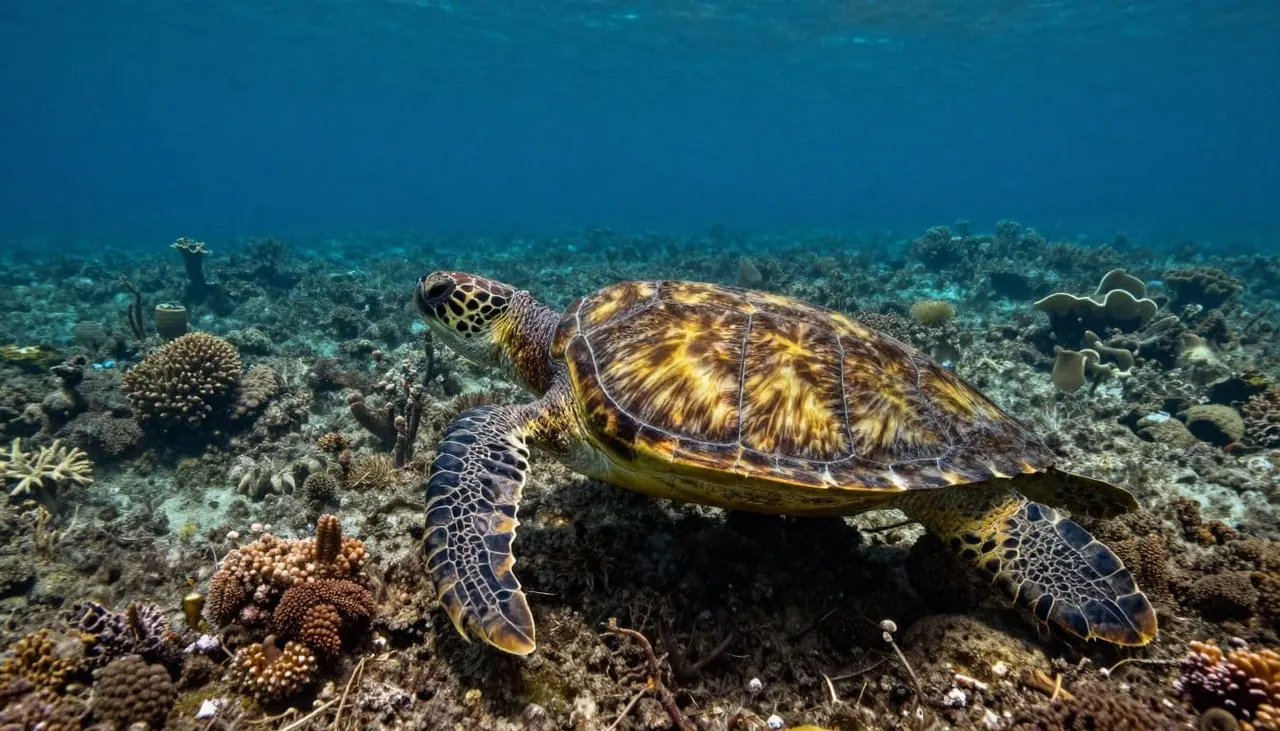
The carapace, or upper shell, is covered by hard plates called scutes. Each scute can show a different mix of dark and light pigment, with lines, flecks, and broad patches across its surface.
That pattern gives each honu an individual appearance. At Turtle Canyon, you might see a shell that looks muted olive near the reef, then warmer brown when the turtle swims into sunlight. Another turtle may have a darker carapace with less visible contrast. Both can be healthy members of the same species.
“Green” describes the turtle’s body fat
The name can confuse first-time snorkelers. Hawaiian green sea turtles aren’t named for bright green shells. The U.S. Fish and Wildlife Service explains that the name refers to green-colored body fat and cartilage, which is linked to the turtle’s mostly vegetarian diet. Their shells can be much darker and more varied.
You can learn more about the species in the agency’s Hawaiian green turtle overview.
Why Green Sea Turtles Have Different Shell Colors
Shell variation comes from natural differences among individual turtles. You don’t need a color chart to appreciate each pattern, but you should avoid using shell shade as a diagnosis or age marker.
Pigment creates the base color
A honu’s shell can carry brown, gray, olive, yellow, green, or nearly black tones. Those colors blend across the scutes instead of forming one flat shade. Cream or yellow edges may frame darker plates, while natural wear can soften the contrast.
A quick sighting rarely gives you enough information to identify a turtle with certainty. Treat each pattern as an interesting observation rather than a name tag.
Color doesn’t reliably reveal age
You may hear that dark shells belong to older turtles while lighter shells belong to juveniles. You shouldn’t rely on that rule. Official identification material supports wide shell-color variation, but it doesn’t establish a reliable color code for age, growth rate, or maturity.
At Turtle Canyon Oahu, you may see turtles of different sizes using the same reef. Focus on their distance, movement, and breathing instead of guessing their age from shell color.
Your viewing angle changes the shade
Water filters light as depth increases. Shadows beneath a ledge can make an olive shell appear charcoal, while sunlight can reveal warm gold and brown tones. Surface glare also changes what you see through a snorkel mask.
For a better view, stay calm and let the turtle pass through your field of vision. Avoid swimming above it or chasing it for a brighter angle. Patience gives you a more accurate look and causes less disturbance.
How to Read Shell Colors Underwater
Turtle Canyon’s clear water can make shell patterns look vivid, but your mask, depth, and the angle of the sun still affect color. Use several features together instead of judging a turtle by one shade.
Dark olive and brown shells
Dark shells are common among adult Hawaiian green turtles and can show subtle green, gray, or amber tones in direct light. Look at the pattern across the scutes, especially the borders between plates. A shell that appears one color at a distance may reveal several tones as the turtle turns.
Don’t mistake darkness for dirt or poor health. A naturally dark carapace can be completely normal. Swimming, breathing, and responses to the surroundings provide better clues about normal behavior than shell shade.
Lighter shells and golden markings
Some honu show lighter brown, yellow, or olive areas around the scute centers and edges. These markings may stand out when a turtle rests near a bright sandy patch or rises toward the surface.
A golden pattern doesn’t identify a special Turtle Canyon population. It also doesn’t prove a specific diet or age. It shows individual variation in a species whose shells already come in many colors.
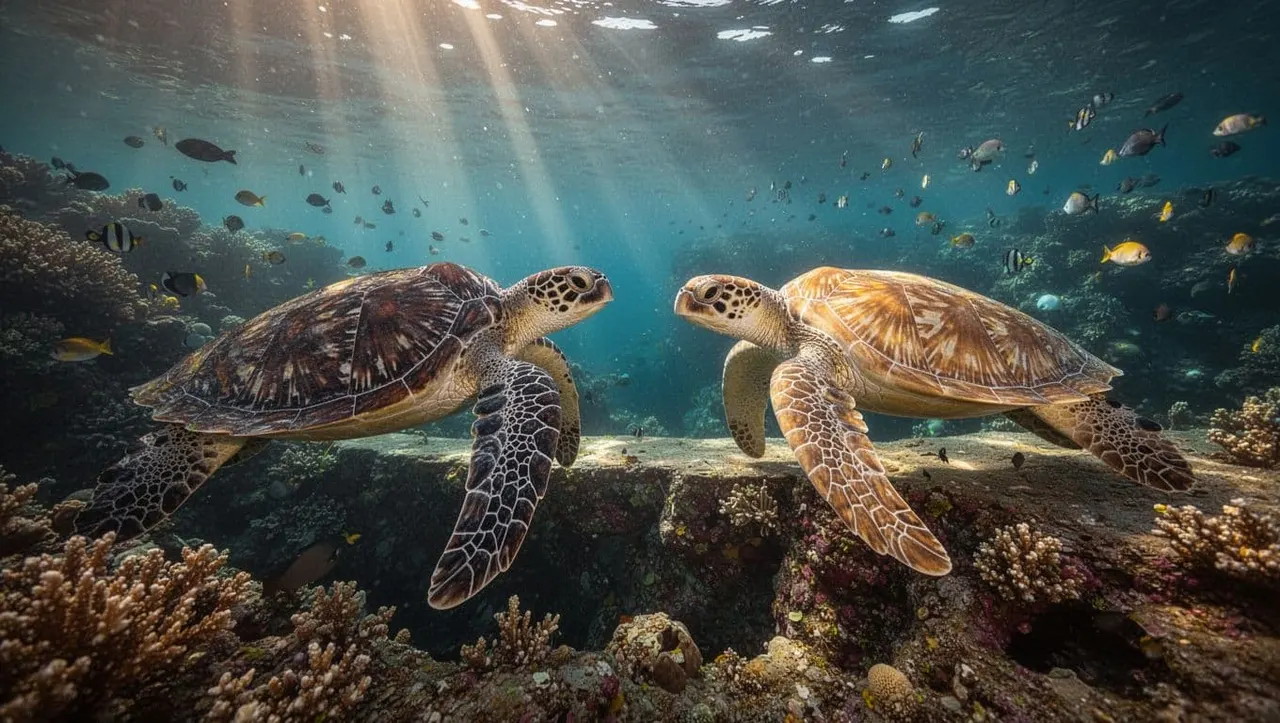
A turtle’s shell color is an identification detail, not a reason to move closer.
Meet Honu Responsibly at Turtle Canyon Oahu
A memorable encounter depends on giving the animal room to behave naturally. Turtle Canyon may be popular, but every honu still needs a quiet path through the water.
Keep at least 10 feet away
NOAA Fisheries recommends staying at least 10 feet, or 3 meters, from sea turtles in Hawaii, both in the water and on land. The agency’s Hawaii marine wildlife viewing guidelines also tell you to avoid disturbing normal behavior.
If a turtle swims toward you, hold your position and let it choose the distance. When it changes direction, rises to breathe, or moves under a ledge, leave its route open. Never block a turtle between swimmers, boats, or the reef.
Observe, never touch or feed
Touching can stress a turtle and may damage its protective surface or spread harmful organisms. Feeding also changes natural behavior and can draw animals toward people or boats.
Keep your hands to yourself, avoid standing or kneeling on coral, and use slow fin movements. Hawaii’s Department of Land and Natural Resources sea turtle guidance provides additional information about honu and responsible encounters.
Let a professional guide manage the group
A guided trip helps you make good decisions when visibility, current, or group traffic changes. Professional snorkel guides can brief you before entering the water, identify normal turtle behavior, and keep attention on safe observation.
Living Ocean Tours is the only tour company with professional snorkel guides. The company departs from Kewalo Basin Boat Harbor, just minutes from Waikiki, and reports a 95% success rate for spotting Hawaiian green sea turtles at the natural cleaning station.
Plan Your Turtle Canyon Snorkel Trip from Waikiki
The right preparation helps you spend your time watching the reef instead of solving small problems on the boat. Check your booking details, then plan around comfort and ocean conditions.
What to bring and expect
Wear a swimsuit under comfortable clothing, and apply reef-conscious sun protection before boarding. A rash guard helps with sun exposure, while a towel and dry change of clothes make the ride back easier. If you use prescription lenses, ask about mask options before departure.
Beginners can join a guided snorkel trip without advanced diving skills. You should feel comfortable in the water, follow crew instructions, and tell the guide if you feel anxious or tired. Children still need close adult supervision, even when flotation equipment is available.
Turtle Canyon is an ocean site, so visibility, swell, and wildlife activity can vary. A 95% sighting rate is strong, but no responsible operator can promise that a wild turtle will appear on a specific trip. The animals set the schedule.
Choose a boat that supports your group
Living Ocean Tours operates from Kewalo Basin on custom-built, Coast Guard-inspected double-decker vessels, the Coral Kai and the Lokahi. Both include shaded seating, restrooms, dry storage, and sturdy ladders for easier water entry.
The Lokahi also includes a SeaKeeper stabilization system, which reduces rolling and can make the ride more comfortable if you worry about seasickness. For families and active swimmers, select cruises add a boat-mounted waterslide, water trampoline, and floating lily pad.
You can review the Turtle Canyons snorkeling excursion before choosing a date. When your plans are set, use the booking link below.
Conclusion
When you visit Turtle Canyon Oahu, different shell colors are part of the normal variety within Hawaiian green sea turtles. Olive, brown, gray, yellow, and nearly black shades can appear on healthy honu, while sunlight and water depth change how those colors look.
You can enjoy the encounter more fully when you observe from at least 10 feet away, avoid touching or feeding, and let a professional guide manage the group. The best view comes from patience, respect, and an open route for the turtle.


