
Turtle Canyon Oahu: Reef Health and Green Turtles
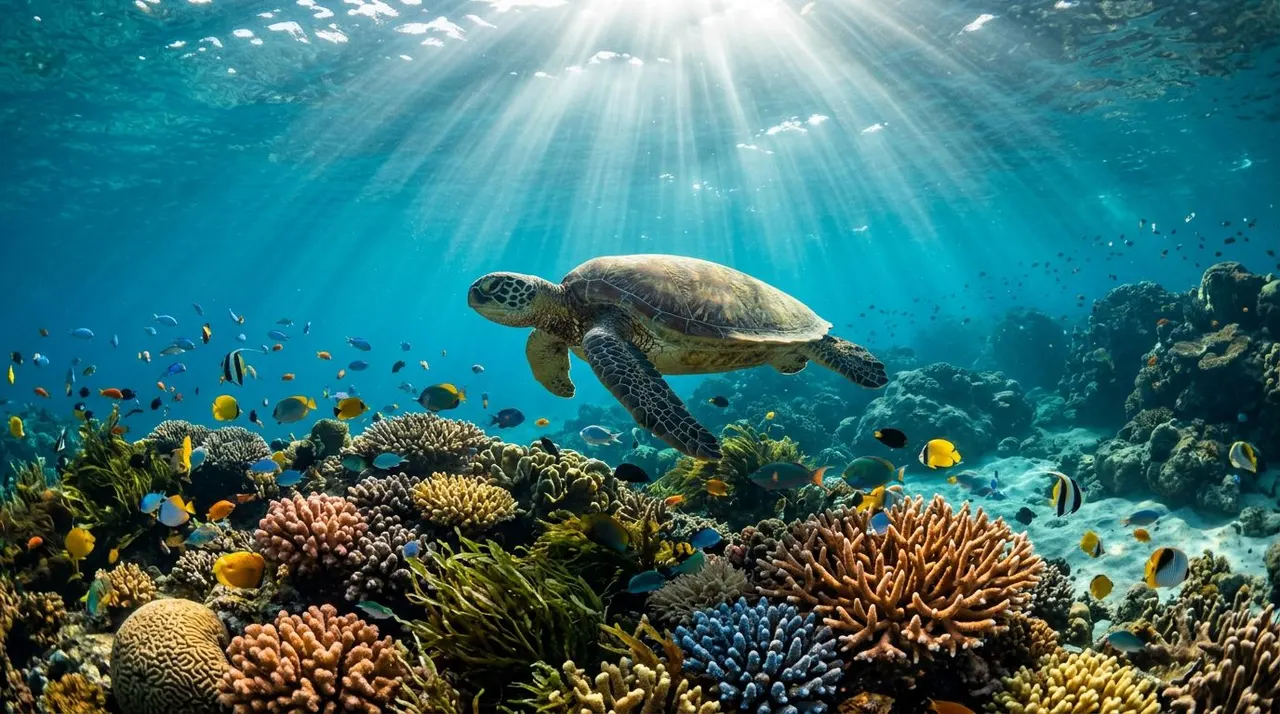
Seeing a green turtle glide above coral can become the highlight of your Oahu trip. When you visit Turtle Canyon Oahu, the scene may look effortless, but every turtle encounter depends on a living nearshore habitat.
Hawaiian green turtles, or honu, need healthy water, food sources, resting areas, and safe routes through the reef. When you understand that connection, you can snorkel with more care and choose an experience that respects the ocean. Start with what the reef provides.
Why Turtle Canyon Oahu Depends on a Healthy Reef
At first glance, Turtle Canyon looks like a place to spot turtles. In reality, it’s part of a larger coastal ecosystem where coral, algae, fish, water quality, and wildlife all affect one another.
A turtle sighting is exciting, but it only tells you what is happening in one moment. Reef health determines whether turtles can continue finding food and shelter in the same area over time.
The reef feeds the turtle indirectly
Green turtles are herbivores. NOAA Fisheries identifies algae and seagrasses as their primary foods, while Hawaiian green turtles commonly feed on red and green algae, known locally as limu, along with seagrass and some invertebrates. You can read more in NOAA’s green turtle conservation guidance.
Coral isn’t turtle food, but coral reef structure helps shape the neighborhood where algae, fish, and other reef life grow. The goal isn’t to have algae covering every surface. A healthy reef needs balance, clean water, and enough suitable food habitat for turtles to forage.
When sediment or pollution reduces algae and seagrass, a turtle can lose feeding opportunities even if the reef still looks attractive from the surface.
A cleaning station needs a healthy neighborhood
Turtle Canyon is known for a natural underwater cleaning station. Turtles may pause in the area while smaller reef animals remove organisms from their shells and skin.
That behavior depends on more than one coral formation. Turtles also need calm resting areas, healthy reef fish communities, clear water, and enough space to move without constant interruption. Crowding can cause a turtle to leave before it finishes resting or cleaning.
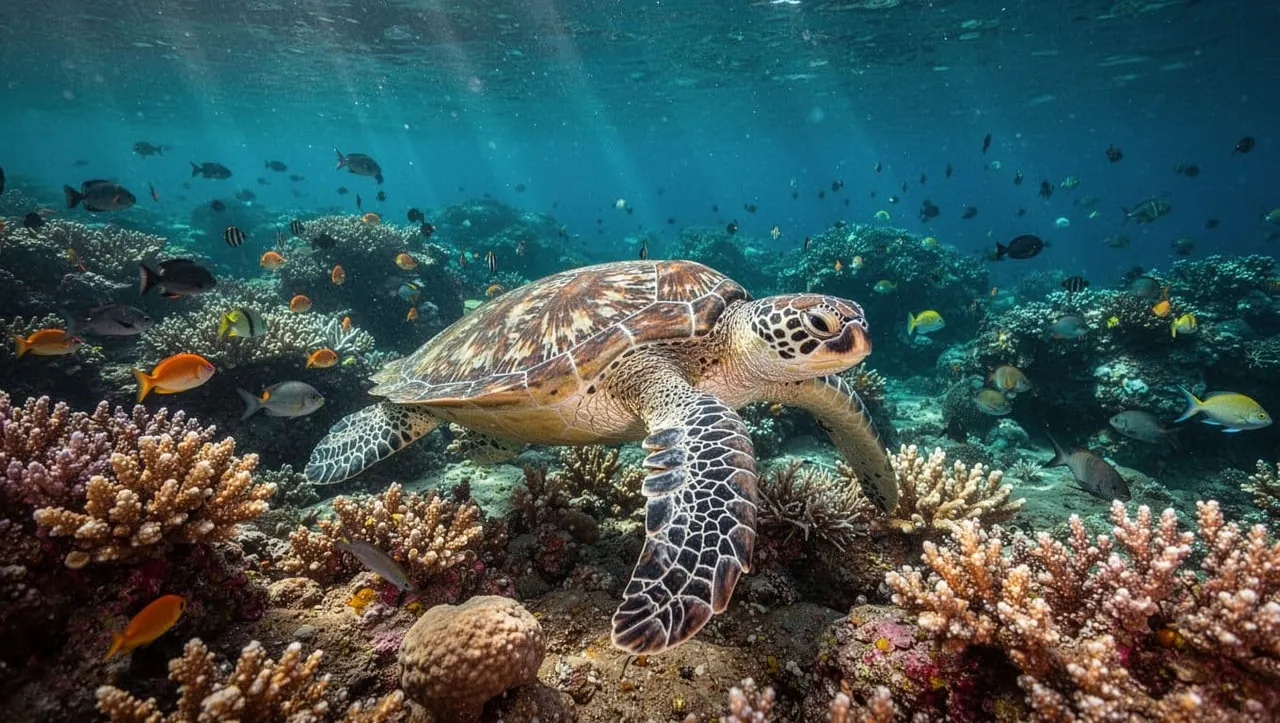
What Healthy Reef Habitat Gives Hawaiian Green Turtles
Hawaiian green turtles have made an important recovery from historical overharvest, but they remain threatened under the federal Endangered Species Act and Hawaii state law. Habitat damage, fishing interactions, vessel strikes, marine debris, disease, and climate impacts still affect their future.
That status gives your visit more meaning. You aren’t only looking for wildlife. You are entering habitat that needs thoughtful visitors.
Food begins with clean water
Rainwater flowing across roads, construction areas, and developed land can carry sediment and pollutants into the ocean. Cloudy water reduces light for algae and seagrass. Pollution can also damage the organisms that form the base of the turtle’s food supply.
Coastal development and shoreline changes add pressure by altering water movement and reducing natural habitat. NOAA has also identified pollution, overfishing, and recreational overuse as reasons to protect coral reef areas in the Main Hawaiian Islands.
For you, this connection is simple: cleaner water supports stronger food habitat. Every visitor who keeps trash out of the ocean and follows reef rules helps reduce added pressure.
Reef health supports more than feeding
Green turtles use shallow coastal areas for feeding, resting, and movement. They also depend on nesting beaches and open-water habitats during different parts of their lives.
That means a healthy Turtle Canyon cannot be considered in isolation. Problems on land, near the shoreline, or in deeper water can affect turtles that appear to spend their time in one reef area.
A single turtle sighting doesn’t prove the reef is healthy. It shows that the habitat still supports wildlife at that moment.
Protecting the reef helps preserve the conditions that bring honu back to the same coastal areas.
The Pressures That Can Weaken Turtle Canyon’s Reef
Reef damage usually develops through several pressures rather than one dramatic event. Some threats come from outside the water, while others happen during everyday ocean activity.
Runoff and warming water change the food supply
Sediment can settle over coral and reduce the light needed by algae and seagrass. Excess nutrients can also change the balance between coral and algae, leaving the reef less stable over time.
Climate change adds warmer ocean temperatures, rising seas, stronger coastal impacts, and other stresses. Coral can become more vulnerable when several pressures occur together. A reef under stress may provide fewer places for fish and invertebrates to live, which affects the wider food web.
You can help by carrying reusable items, securing your belongings on the boat, and keeping sunscreen, wrappers, and other products out of the water. Small choices matter when thousands of visitors make them throughout the year.
Boats, debris, and disease create direct risks
Shallow reef habitats bring turtles close to boats, swimmers, and personal watercraft. A startled turtle may change direction quickly, while a boat strike can cause severe injury or death. Marine debris creates another danger through entanglement or ingestion.
NOAA’s Hawaii honu safety guidance explains why traffic, tourism, and wildlife protection must work together. If you see an injured or dead sea turtle, report it to the Hawaii statewide NOAA Marine Wildlife Hotline at (888) 256-9840.
Fibropapillomatosis, a disease that causes tumors in sea turtles, also affects Hawaiian green turtles. You cannot control every threat, but you can avoid adding pressure during your own visit.
How to Snorkel Around Honu Without Harming the Reef
Responsible snorkeling begins before you enter the water. Listen to your guide, understand the conditions, and keep your body position under control.
NOAA’s snorkeling guidance for Hawaiian sanctuary reefs highlights the variety of marine life that depends on these habitats. Your best encounter is one that allows the turtle to behave naturally.
Keep at least 10 feet away
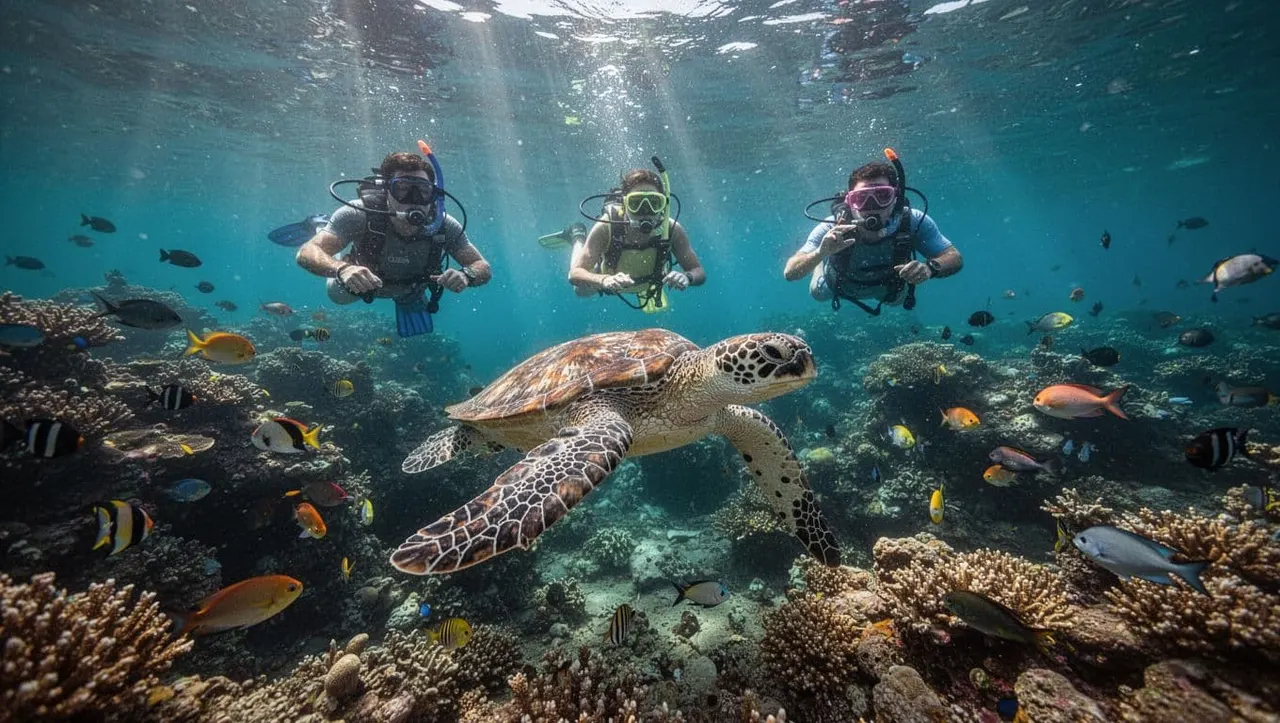
Hawaii’s Department of Land and Natural Resources recommends staying at least 10 feet, or 3 meters, away from wildlife in the water and on land. Treat that distance as a starting point, not a target to cross.
Don’t chase a turtle, touch its shell, feed it, or block its path to the surface. If a turtle turns away, dives, or changes direction because of your position, move back and give it more room.
If the turtle changes its behavior because of you, you’re too close.
Keep your group spread out rather than forming a tight circle around one animal. That gives the turtle a clear route and makes the encounter calmer for everyone.
Keep your fins off the coral
Avoid standing on the bottom, kneeling on coral, or dragging equipment across the reef. Even brief contact can break fragile coral or stir sediment into the water.
If you’re new to snorkeling, ask for help with your mask, fins, or buoyancy before you reach the reef. Slow, relaxed movements protect the habitat and help you conserve energy. Stay aware of your fins, especially when you turn or adjust your position.
A good guide will also help you enter and exit the water safely without placing hands or feet on coral formations.
Choose a Guided Turtle Canyon Visit That Puts the Reef First
Living Ocean Tours operates from Kewalo Basin Boat Harbor, just minutes from Waikiki Beach. The company combines guided marine wildlife viewing with practical comfort for families, couples, first-time snorkelers, and experienced swimmers.
Living Ocean Tours is the only tour company with professional snorkel guides. The crew teaches safe water entry, explains how to observe turtles without touching them, and helps you stay aware of the reef beneath you.
The company runs Coast Guard-inspected, custom-built double-decker vessels, including the Coral Kai and Lokahi. Both offer shaded seating, restrooms, dry storage, and sturdy ladders. The Lokahi also has a SeaKeeper stabilization system, which helps keep the vessel steady before and after your snorkel.
You can compare Waikiki Turtle Canyon snorkeling tours before choosing the experience that fits your group.
What you receive on the Turtle Canyons Snorkel Excursion
The Turtle Canyons Snorkel Excursion focuses on the reef habitat and its resident honu. Living Ocean Tours reports a 95% success rate for spotting Hawaiian green sea turtles at the natural cleaning station, although wildlife sightings can never be guaranteed.
Your professional guide supplies instruction and snorkeling support for different skill levels. Beginners can ask questions, practice their equipment, and enter the water with a clear plan. Families can enjoy the experience while learning why observing, rather than touching, protects the animals.
When you’re ready to plan your visit, CHECK AVAILABILITY for the Turtle Canyons Snorkel Excursion.
Protect the Reef Behind Every Turtle Encounter
Turtle Canyon Oahu offers more than a memorable place to swim. It gives you a close view of the algae, coral, fish, and clean coastal water that support Hawaiian green turtles.
You can protect that habitat by keeping your distance, avoiding coral contact, following your guide, and leaving every piece of debris on the boat or shore. Choose a guided tour that treats reef health as part of the experience, so the next time you see a honu glide past, the habitat beneath it remains worth protecting.


