
Turtle Canyon Oahu: Report Fishing Line Near a Sea Turtle
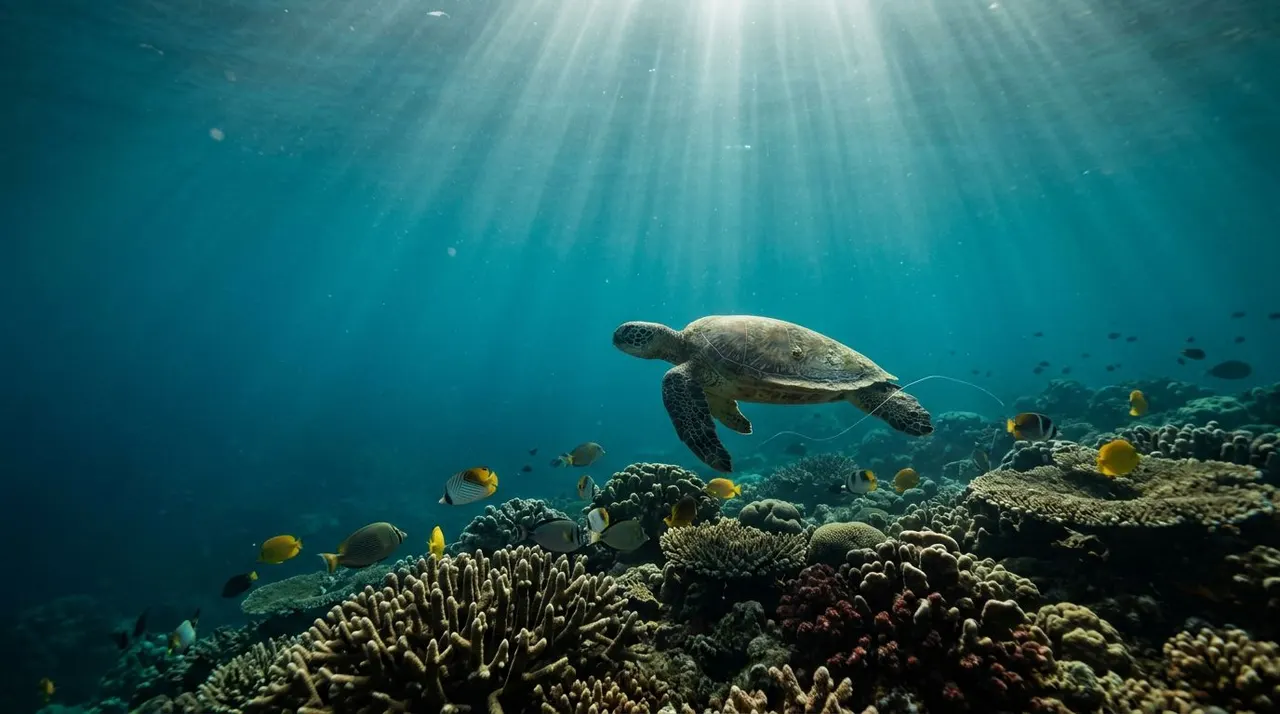
At Turtle Canyon Oahu, a strand of fishing line can turn a peaceful turtle encounter into an emergency within seconds. If you spot loose line, a hooked turtle, or an animal tangled in debris, your response should protect the turtle without putting you at risk.
The safest approach is simple: keep your distance, alert your guide or boat crew, record useful details, and contact the right agency. Start by learning what you’re seeing and what not to touch.
Turtle Canyon Oahu: Identify the Risk Before You Act
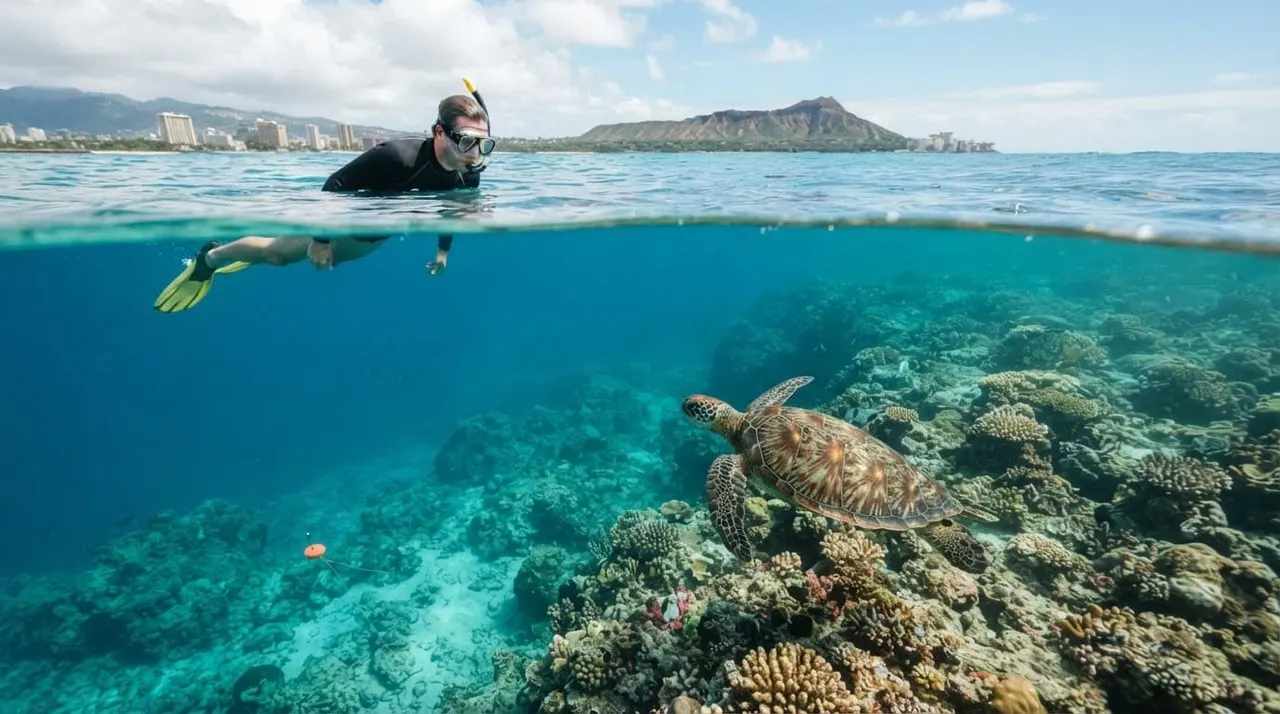
Turtle Canyon is an offshore snorkeling area along Oahu’s south shore near Waikiki and Honolulu. Its reef attracts Hawaiian green sea turtles, tropical fish, and snorkelers throughout the year. The same waters can also collect discarded line, hooks, floats, and other fishing gear.
Why Fishing Line Is Dangerous
Fishing line may wrap around a turtle’s flipper, neck, or shell. A hook can lodge in the mouth or throat. Even when the line looks loose, the turtle may drag it across coral or become caught on rocks later.
Entanglement can restrict swimming, interfere with feeding, and cause deep cuts as the line tightens. A turtle that appears to be swimming normally may still need help.
Watch for these warning signs:
- Line visibly wrapped around the turtle’s body or flipper.
- A hook attached to the mouth, shell, or trailing line.
- A turtle repeatedly rolling, diving, or struggling to swim.
- Fishing gear dragging behind the animal.
- A turtle resting in an unusual position or unable to submerge.
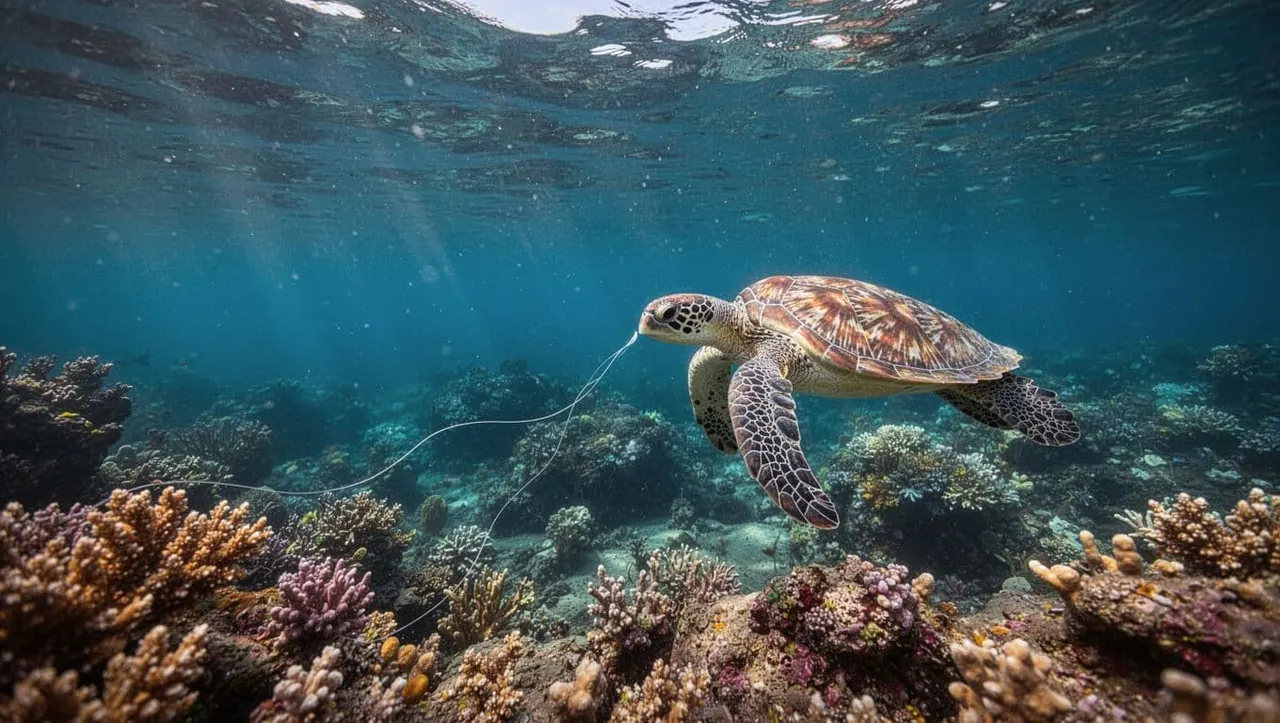
Loose Line Still Deserves Attention
You don’t need to see an injured turtle before reporting fishing gear. A coil of line on the reef can entangle the next turtle, diver, or snorkeler that passes by.
If the line is near a turtle but not attached, move away slowly and notify your guide or captain. Don’t swim closer to inspect it with your hands. A clear report can help trained responders remove the hazard safely.
What to Do the Moment You See Line
Your first priority is to avoid adding another emergency. Snorkelers should never chase a turtle, grab fishing line, or attempt an underwater rescue.
Keep Your Distance and Alert the Crew
Stop your forward movement and give the turtle room to swim. Avoid blocking its path or surrounding it with other swimmers. If you’re on a tour, signal your guide with a calm hand gesture and explain what you saw when you reach the boat.
Tell the crew whether the line is attached to the turtle, resting on the reef, or floating in the water. Include the turtle’s direction of travel and the approximate location. A guide can relay the report to the captain and help contact responders.
If you’re snorkeling independently, return to shore or your vessel before making a call. Stay close enough to keep the animal in sight only if doing so is safe and doesn’t require chasing it.
Record Useful Details
Photos or video can help responders, but only if you can capture them without approaching the turtle. Keep your body relaxed, maintain distance, and avoid flash or sudden movements.
Write down the following details as soon as possible:
- The time and date of the sighting.
- Your location, GPS coordinates, or nearby landmarks.
- The turtle’s size, markings, and direction of travel.
- The color and type of line, net, hook, or float.
- Whether the animal is bleeding, struggling, or unable to dive.
- The name of your boat, tour operator, or launch area.
A location reported as “near Turtle Canyon” is helpful. A GPS pin, boat landmark, or compass direction gives responders a much better starting point.
Report an Entangled Turtle to NOAA
Call Hawaii’s statewide Marine Animal Response Hotline at 888-256-9840 when a sea turtle is injured, hooked, entangled, distressed, or dead. NOAA and its response partners use this number to coordinate trained assistance.
NOAA asks people to report all injured or entangled sea turtles. You can also use the hotline if fishing gear has caught an animal and you need instructions before taking any action.
Call 888-256-9840 First
Give the responder your location and describe the situation plainly. Say whether you’re looking at a live turtle, a dead turtle, loose fishing gear, or a turtle attached to a boat or fishing line.
Tell the responder if you can safely observe the animal from shore or from a vessel. Mention the water depth if you know it, the turtle’s movement, and whether the line appears tight.
NOAA’s marine animal reporting page provides guidance for stranded and injured marine animals, including sea turtles. You can also review NOAA’s fishing guidance for turtles before fishing or boating around Oahu.
Follow Instructions Instead of Improvising
A trained responder may ask for additional photos, a more accurate location, or details about the fishing gear. Follow those instructions carefully.
If you accidentally hook or entangle a turtle while fishing, call the hotline for guidance. NOAA’s fishing guidance focuses on reducing trailing line and leaving a hook in place unless responders tell you otherwise. That advice applies to the person involved in the fishing interaction, not to a snorkeler who finds line underwater.
Never pull a turtle toward a boat, beach, or cliff. Dragging the animal can worsen injuries and create more stress.
Report Derelict Fishing Gear on Oahu
Loose fishing line, nets, ropes, and other large marine debris require a separate report when they aren’t attached to a turtle. Hawaii’s Department of Land and Natural Resources, Division of Aquatic Resources, operates a marine debris rapid response hotline for this purpose.
Call 833-4-DA-NETS
Dial 833-432-6387, also written as 833-4-DA-NETS, to report derelict fishing gear or hazardous marine debris. When prompted, press 2 for Oahu.
Use this number for line or net tangled around coral, abandoned gear floating offshore, rope near a popular swimming area, or a large debris item that could injure wildlife or people. Explain whether a sea turtle is nearby, even if the turtle isn’t currently entangled.
Report the animal to NOAA first when a turtle is injured or caught. Then report the gear to DLNR-DAR so the debris team can assess the removal need.
Share Photos and Location Information
DLNR-DAR’s online marine debris report accepts photos and location details. A clear image can help responders identify whether the item is fishing line, rope, netting, or another type of debris.
If you’re on a boat, ask the captain to save the vessel’s GPS position. If you’re on shore, use a nearby beach access, reef landmark, or visible structure. Don’t return to the water solely to collect more information.
Contact Hawaii DLNR’s Division of Conservation and Resources Enforcement at 808-643-3567 if you suspect illegal activity, repeated dumping, or another marine-resource violation. The NOAA enforcement hotline is 800-853-1964.
What You Should Never Do
Don’t Touch the Turtle or the Line
A frightened turtle may scratch, bite, or strike with its flippers. More importantly, touching the animal can tighten the line, pull a hook deeper, or cause the turtle to panic.
Keep swimmers away from the area. Don’t feed the turtle to make it stay in place. Avoid crowding the animal for photographs, because stress can make rescue work harder.
Don’t Remove Hooks or Cut Attached Line
A snorkeler should never cut line wrapped around a turtle or pull out a hook. You could cause bleeding, leave more line trailing behind the animal, or make the turtle swim into another hazard.
Don’t collect loose line if the turtle is nearby. Even a small movement can startle the animal or entangle your own fins. Wait for trained responders, or leave the area after reporting the location.
Cutting or handling fishing gear is different when a trained response team gives instructions. Until then, observation and reporting are the safest choices.
Snorkel Responsibly with Living Ocean Tours
Living Ocean Tours operates from Kewalo Basin Boat Harbor, minutes from Waikiki Beach. The company is the only tour company with professional snorkel guides, and its crew helps beginners and experienced swimmers observe marine life without touching it.
Its Turtle Canyons Snorkel Excursion visits a natural underwater cleaning station where Hawaiian green sea turtles often gather. Living Ocean Tours reports a 95% success rate for turtle sightings, although wildlife encounters can never be guaranteed.
You can explore the company’s guided Turtle Canyon snorkeling excursions before your visit. Ask your guide about marine wildlife etiquette, safe distances, and what to do if you spot fishing gear. The crew can also help record a location and notify the captain quickly.
The Coast Guard-inspected fleet includes the double-decker Coral Kai and Lokahi. Both vessels offer shaded seating, restrooms, dry storage, and sturdy ladders for water entry. Lokahi also includes a SeaKeeper stabilization system, which helps keep the boat steady for guests who are new to ocean tours.
For your part, follow the crew’s instructions, keep your hands off wildlife, and report hazards as soon as you see them. That combination protects the turtles and keeps your group safe.
Leave Turtle Canyon Oahu Safer
When you see fishing line near a sea turtle, create space first. Then call 888-256-9840 for an injured or entangled animal, and use 833-432-6387, press 2 for loose or hazardous marine debris on Oahu.
Your best encounter is one where the turtle keeps swimming freely and you leave the reef undisturbed. Watch, report, and let trained responders handle the line.


