
Turtle Canyon Oahu: Why Honu Bask on Shore
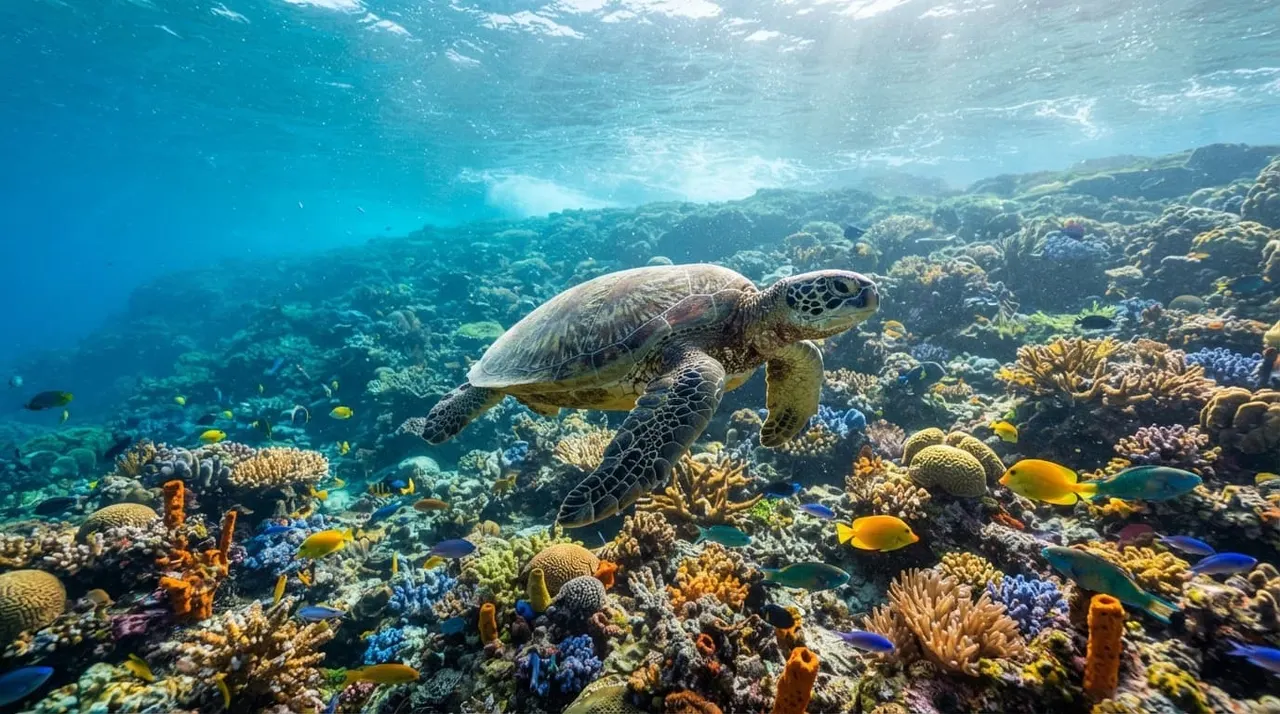
A Hawaiian green sea turtle resting on a sunny beach may look peaceful, but that moment has a practical purpose. At Turtle Canyon Oahu, you usually encounter these protected honu underwater, where they rest near coral reefs and visit natural cleaning stations.
So why do some green turtles leave the ocean and settle on shore? Sunlight helps regulate their body temperature, while a quiet beach gives them time to rest. The key is knowing the difference between shoreline basking and the underwater turtle encounters you can enjoy from Waikiki.
Turtle Canyon Oahu Is an Underwater Turtle Habitat
Turtle Canyon sits off Waikiki’s coast, where underwater lava formations create shelter, reef habitat, and resting areas for marine life. The site is known for clear water and frequent Hawaiian green turtle sightings, although the animals remain wild and sightings can never be guaranteed.
Unlike a beach basking site, Turtle Canyon is an underwater environment. Honu may glide above the reef, rest along the seafloor, or visit a cleaning station where small reef fish remove algae and other material from their shells.
The turtles’ shells often show pale markings from natural growth and contact with the reef. You may also see tropical fish moving through the coral, while the turtles conserve energy between feeding and swimming.
Turtle Canyon is not a beach where turtles climb onto the sand. That distinction matters because the best way to see honu there is from the water, with enough distance for the animals to behave naturally.
Living Ocean Tours reports a 95% success rate for spotting Hawaiian green sea turtles at this natural underwater cleaning station. The company operates from Kewalo Basin Boat Harbor, only minutes from Waikiki, so you can reach the snorkeling area without a long transfer.
Why Hawaiian Green Turtles Bask on Shore
Green turtles are reptiles, which means they rely on outside heat to help control their body temperature. When a honu rests on warm sand or rock, sunlight can raise its body temperature more efficiently than swimming through cooler water.
Researchers have found that basking patterns can change with conditions such as air temperature, sea surface temperature, sunlight, tides, and weather. The research on terrestrial green turtle basking examined six years of daily observations and found that environmental conditions influence when turtles come ashore.
Basking can also give a turtle time to rest without spending energy swimming. A honu may remain still for hours, allowing its muscles to recover before returning to the sea. Warmth may support digestion and normal body functions, although scientists continue to study the full range of reasons Hawaiian green turtles use beaches.
Shore basking is a natural behavior, not a performance for visitors. A turtle that appears motionless may still be responding to people, dogs, noise, or movement nearby. Even a small disturbance can cause it to return to the water before it is ready.
A turtle on the sand may be resting, warming itself, or both. Its stillness doesn’t mean you can approach it safely.
Hawaiian green turtles are also culturally important in Hawaii. The word honu refers to the green sea turtle, which holds a respected place in Hawaiian culture and marine traditions. Treating these animals with care protects both the turtles and the meaning they carry for local communities.
How Shore Basking Differs from Underwater Resting
People often use the word “basking” for any turtle that appears to be resting. Biologically, however, shoreline basking and underwater resting are different behaviors.
A basking turtle has left the water and exposed its body to the sun. You may see its shell, flippers, and head above the sand. An underwater turtle remains in the marine environment, often resting on the bottom or hovering near a reef.
At Turtle Canyon, your encounter happens underwater. You may watch a honu circle the reef, pause beside a coral formation, or settle near the cleaning station. The turtle’s body stays submerged, so the animal can leave quickly if it feels threatened.
Shore basking is more commonly associated with certain beaches on Oahu’s north and west shores. NOAA’s Honu Count program documents green turtles that rest on beaches and invites trained participants to help identify marked animals. The program also shows why careful observation matters, since researchers use sightings to understand turtle movements and populations.
The setting changes, but the rule stays the same: watch without touching. Whether you are standing on a beach or floating above a reef, give the turtle a clear path to the ocean.
How to Watch Hawaiian Green Turtles Responsibly
Your behavior can shape the entire encounter. A calm swimmer may observe a honu for several minutes, while a crowded group that follows too closely can force it away from food or rest.
Keep these habits in mind when you see a turtle:
- Stay at least 10 feet away on land and in the water, unless local signs or guides require more distance.
- Never touch, chase, feed, block, or surround a turtle.
- Keep your hands relaxed and avoid reaching toward the animal.
- Don’t stand on coral or stir up sand near a resting turtle.
- Leave dogs away from turtle resting areas and follow beach closures or rope barriers.
- Avoid flash photography and loud noise when a turtle is basking.
If a honu changes direction, dives suddenly, or moves toward deeper water, give it more space. Those actions can show that the animal feels disturbed.
Hawaii Marine Animal Response provides sea turtle guidance and solutions for residents and visitors. The guidance includes practical advice for beach encounters, reporting concerns, and keeping a respectful distance.
You also shouldn’t attempt to move a turtle back into the ocean. A turtle may need to warm itself, rest, or wait for the right conditions. Let trained responders handle situations involving injury, entanglement, or a turtle in immediate danger.
Visit Turtle Canyon with Living Ocean Tours
Living Ocean Tours gives you a guided way to experience Turtle Canyon without guessing where to go or how to enter the water. The company uses Coast Guard-inspected, custom-built double-decker vessels with shaded seating, restrooms, dry storage, and sturdy ladders.
You also get professional snorkel guides. Living Ocean Tours is the only tour company offering professional snorkel guides, so first-time snorkelers and families can receive clear instruction before entering the water. Guides help you understand safe entry, proper flotation, turtle etiquette, and the best way to observe marine life.
The fleet includes the Coral Kai and Lokahi. The Lokahi has a SeaKeeper stabilization system that reduces rolling, which can make the boat more comfortable for guests who are concerned about motion. The Coral Kai offers open deck space, while both vessels provide room to relax between snorkel sessions.
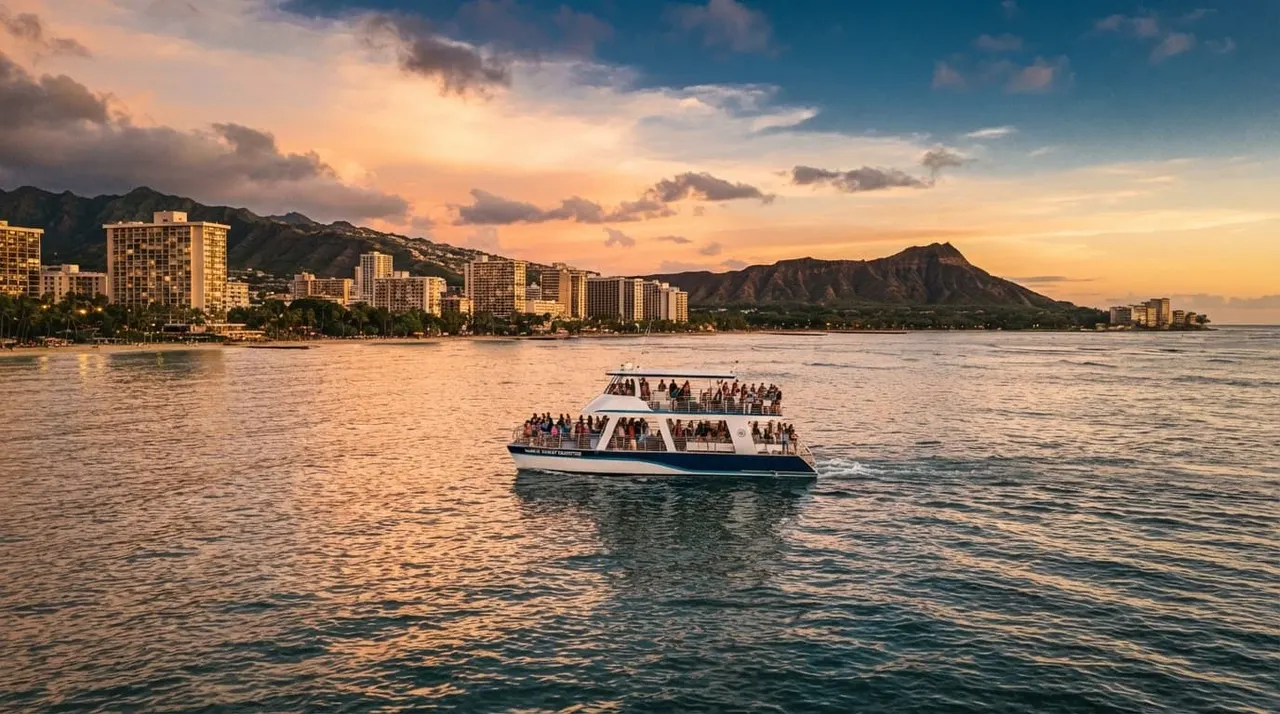
You can browse Living Ocean Tours experiences to compare the company’s ocean activities. For this turtle-focused visit, the crew takes you toward the Turtle Canyons reef area, where you can look for honu at the underwater cleaning station.
The trip works well for couples who want a relaxed ocean outing and families with children ages 3 and older. You don’t need advanced snorkeling skills. Your guide can help you feel comfortable in the water while keeping attention on the reef and its wildlife.
If you want to plan your Turtle Canyon visit, you can check availability for the snorkel tour.
What You Should Expect on Your Turtle Canyon Trip
Water conditions can change with wind, swell, visibility, and current. Your crew chooses the safest available approach and explains what you need to know before you enter the water.
Bring a swimsuit, reef-safe sunscreen, a towel, and any personal medication you need during the trip. Apply sunscreen before boarding, then cover up when possible to reduce contact between sunscreen and the reef.
The water may feel cool at first, especially when you enter from the boat. A short orientation helps you adjust, and flotation equipment can provide extra support while you watch the turtles.
You should also prepare for a wildlife experience rather than a staged attraction. The turtles decide where they swim, how long they remain near the reef, and when they leave. Your most memorable moment may be a honu gliding past without any interaction at all.
For many guests, the boat ride adds another part to the experience. Waikiki’s shoreline, Diamond Head, and the open Pacific create a changing view before and after your snorkel. Couples can enjoy the scenery together, while families have space to relax between water activities.
The best photographs usually come when you stay calm, keep your distance, and let the turtle approach on its own. Clear water and natural light can reveal the shell’s patterns without a flash.
Conclusion
Hawaiian green turtles bask on shore because warmth and rest support their natural body functions. At Turtle Canyon Oahu, you usually see honu underwater, where they rest near coral reefs and visit cleaning stations.
The safest encounter is also the most rewarding. Give every turtle room, follow your guide, and observe without touching. When you visit with Living Ocean Tours, professional snorkel guides help you enjoy the reef while respecting the animals that make this coastline special.


