
Turtle Canyon Oahu: Do Green Turtles Nest There?
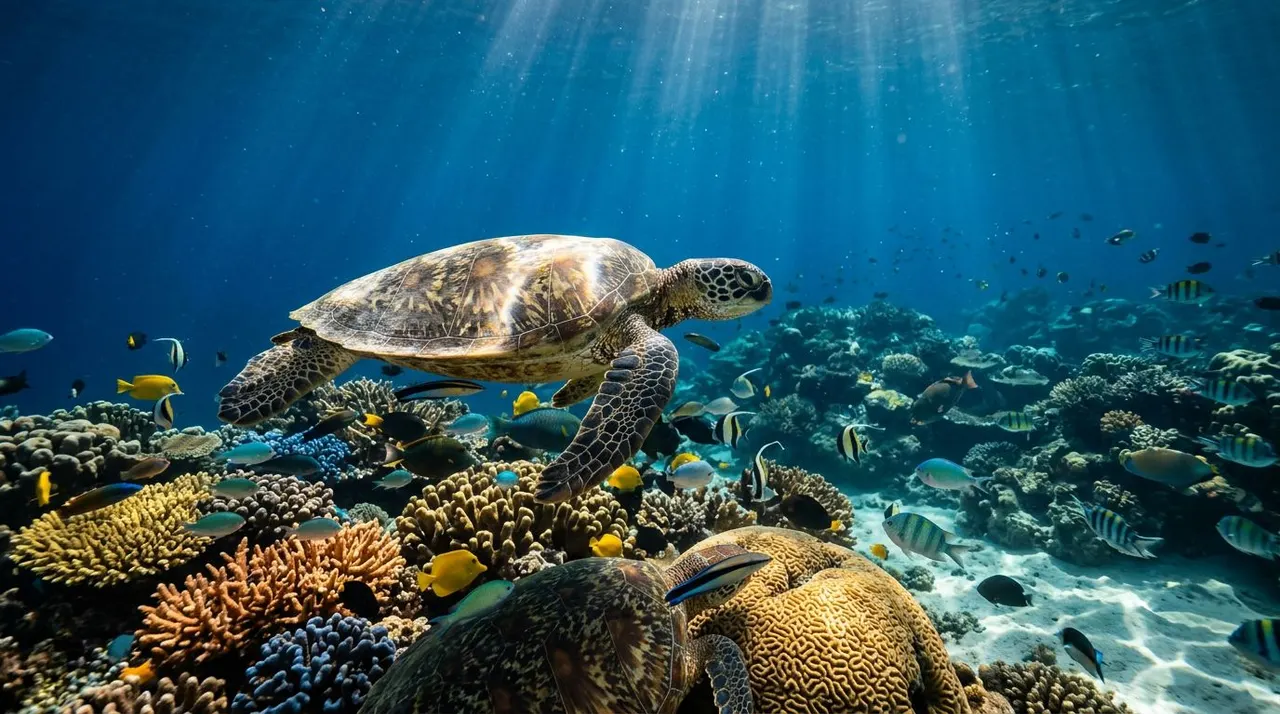
A green sea turtle may glide beneath you at Turtle Canyon Oahu, but it won’t be nesting on the reef. This offshore Waikiki site is a feeding, resting, and shell-cleaning area for Hawaiian green sea turtles, also called honu.
Most Hawaiian honu nesting happens far from Honolulu, especially at French Frigate Shoals in the Northwestern Hawaiian Islands. On Oahu, you have a better chance of seeing turtles underwater or resting near shore than finding a nesting female. The difference matters because it helps you enjoy Turtle Canyon responsibly.
Key Takeaways
- Green sea turtles do not nest at Turtle Canyon because it is an offshore reef, not a sandy beach.
- More than 95% of Hawaii’s honu nesting occurs at French Frigate Shoals, also known as Lalo.
- Oahu can have occasional nesting activity, but it isn’t the state’s main nesting area.
- Turtle Canyon is known for resting turtles and reef fish that clean their shells.
- You should observe honu from a respectful distance and never touch, feed, chase, or block them.
Do Green Turtles Nest on Oahu?
Yes, green sea turtles can nest on Oahu, but nesting is uncommon compared with the activity in Hawaii’s remote Northwestern Islands. The most important nesting area for the Hawaiian green sea turtle population is French Frigate Shoals, where more than 95% of Hawaii’s nesting occurs.
That location is part of Papahanaumokuakea Marine National Monument. It includes remote sandy islands and atolls that provide suitable nesting beaches with less human activity. The Hawaiian green turtle population travels between these nesting areas and feeding grounds throughout the Pacific.
Oahu is mainly a foraging and basking location. Honu visit shallow reefs, bays, lagoons, and coastal beaches to feed on algae and rest. You may see them near places such as Laniakea Beach, Kahe Point, or Turtle Canyon, but these locations are better known for turtle viewing than nesting.
Turtle Canyon sits offshore from Waikiki. Since the site is a submerged reef, it has no sand where a female turtle could dig a nest. The turtles seen there are usually resting on the seafloor, grazing near reef habitat, or pausing while small reef fish clean algae from their shells.
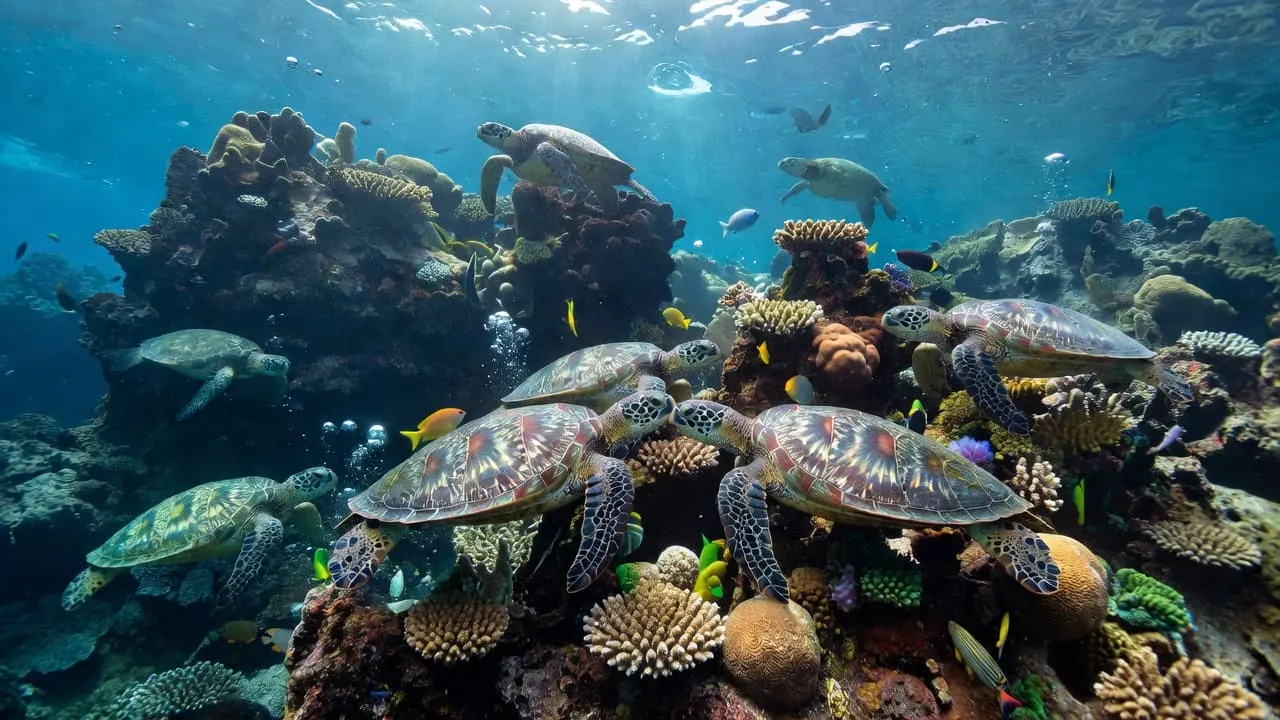
Hawaii’s Department of Land and Natural Resources sea turtle guidance confirms that sea turtles receive protection under both federal and state law. That protection applies whether you see a turtle at a beach, in shallow water, or during a guided snorkel tour.
How Hawaiian Green Turtle Nesting Works
Nesting season in Hawaii generally runs from late spring through fall, with activity often reported between late April and late October. Female honu don’t build one nest and leave the species behind. They usually return to the same general coastline where they were born, a behavior known as natal homing.
A female may nest every two to five years. During a nesting season, she can come ashore several times and lay multiple clutches. A typical nest may contain around 75 to 200 eggs, although the exact number varies.
Nesting usually happens at night. The female leaves the ocean, crosses the beach, and searches for a place above the high tide line. She often chooses an area near coastal vegetation. After digging a body pit and a deeper egg chamber, she deposits the eggs and covers the nest with sand.
The process can take several hours. Once she finishes, she returns to the ocean and leaves the eggs to develop without parental care.
Hatchlings may remain underground for weeks while they develop. When they emerge, they usually travel toward the brightest open horizon, which should be the ocean. Artificial lights from buildings, vehicles, and flashlights can confuse them and draw them away from the water.
The U.S. Fish and Wildlife Service explanation of green turtle habitat describes sandy beaches as essential nesting habitat. It also notes that eggs incubate for roughly two months before hatchlings emerge. That beach-based life cycle explains why Turtle Canyon cannot be a nesting site, even though it attracts honu throughout the year.
What You See at Turtle Canyon Oahu
Turtle Canyon is one of Oahu’s popular boat-access snorkeling locations because its reef attracts marine life. The underwater landscape offers shelter, feeding areas, and cleaning stations where turtles can pause while smaller fish remove algae and other growth from their shells.
You may see a honu resting on the reef while yellow tang, wrasse, or other reef fish move around it. The turtle may appear calm and still, but that doesn’t mean you should swim closer. A resting turtle needs space, especially when it needs to rise for air.
The site also offers more than turtle sightings. Depending on conditions, you can encounter colorful reef fish, coral formations, sea urchins, and other species associated with Waikiki’s coastal waters. Visibility and animal activity change with weather, current, water temperature, and the time of day.
A guided boat trip gives you a practical advantage. You reach the offshore reef without navigating from shore, and the crew can explain where to look and how to move through the water safely. Living Ocean Tours operates from Kewalo Basin Boat Harbor, just minutes from Waikiki Beach, with Coast Guard-inspected double-decker vessels and professional snorkel guides.
The company’s ocean tours in Honolulu include the Turtle Canyons Snorkel Excursion. The tour has a reported 95% success rate for spotting Hawaiian green sea turtles at a natural underwater cleaning station. Beginners receive guidance before entering the water, and the crew helps guests of different swimming abilities feel comfortable.
Living Ocean Tours is the only tour company with professional snorkel guides. Its boats also include shaded seating, restrooms, dry storage, and sturdy ladders for water entry. The Lokahi includes a SeaKeeper stabilization system, which helps keep the vessel steady during the ride.
How to Watch Honu Without Harming Them
A close turtle encounter can be memorable without becoming intrusive. The best approach is to let the animal control the distance. If a turtle swims toward you, stay calm and allow it to pass. Don’t reach out or change direction to follow it.
The U.S. Fish and Wildlife Service recommends staying more than 10 feet away from green sea turtles. Hawaii visitors should also follow these basic rules:
- Don’t touch, feed, chase, or ride a turtle.
- Keep clear of its route between the reef and the surface.
- Never block a turtle against a rock, boat, beach, or other obstacle.
- Avoid flash photography and bright lights after dark.
- Keep your hands off coral and don’t stand on the reef.
These practices protect the turtle and improve your own experience. A honu that feels safe may continue resting or feeding while you watch from a respectful distance. A turtle that feels threatened may swim away before you get a good look.
You also help protect the reef by using reef-safe habits. Follow your guide’s instructions, secure loose equipment, and avoid kicking coral with your fins. Small choices matter in a shallow ecosystem that supports fish, invertebrates, and sea turtles.
At Turtle Canyon, the goal is to watch the honu use its habitat naturally, not to make the animal perform for your camera.
Book a Turtle Canyon Snorkel Tour
If you want to see honu at Turtle Canyon, choose a trip that matches your comfort in the water. First-time snorkelers benefit from a professional guide who explains equipment, entry procedures, breathing techniques, and wildlife etiquette before the boat reaches the reef.
Families also appreciate easy water access and crew support. Living Ocean Tours welcomes guests ages 3 and older, and its heavy-duty ladders make climbing in and out of the water easier. You can enjoy the reef without arranging your own transportation, locating the site, or guessing where turtles might be resting.
The Turtle Canyons Snorkel Excursion focuses on the underwater cleaning station and the marine life around Waikiki. Your guide can point out turtle behavior while reminding everyone to observe, not touch. That balance gives you an exciting encounter while respecting Hawaii’s protected wildlife.
You can CHECK AVAILABILITY for the Turtle Canyons Snorkel Excursion before choosing your preferred date.
Turtle Canyon Is a Turtle Habitat, Not a Nesting Beach
Green turtles do nest on some Hawaiian beaches, including occasional sites on Oahu. However, the turtles you see at Turtle Canyon are using an offshore reef for feeding, resting, and cleaning. Their presence doesn’t mean a nesting beach is nearby.
The largest nesting concentration lies far northwest at French Frigate Shoals, while Oahu gives you a convenient chance to see honu in their coastal feeding habitat. When you snorkel with a professional guide, keep your distance, protect the reef, and let the turtle set the pace. That is how you turn a Turtle Canyon Oahu visit into a respectful wildlife encounter.


