
How Fast Turtles Swim at Turtle Canyon Oahu?
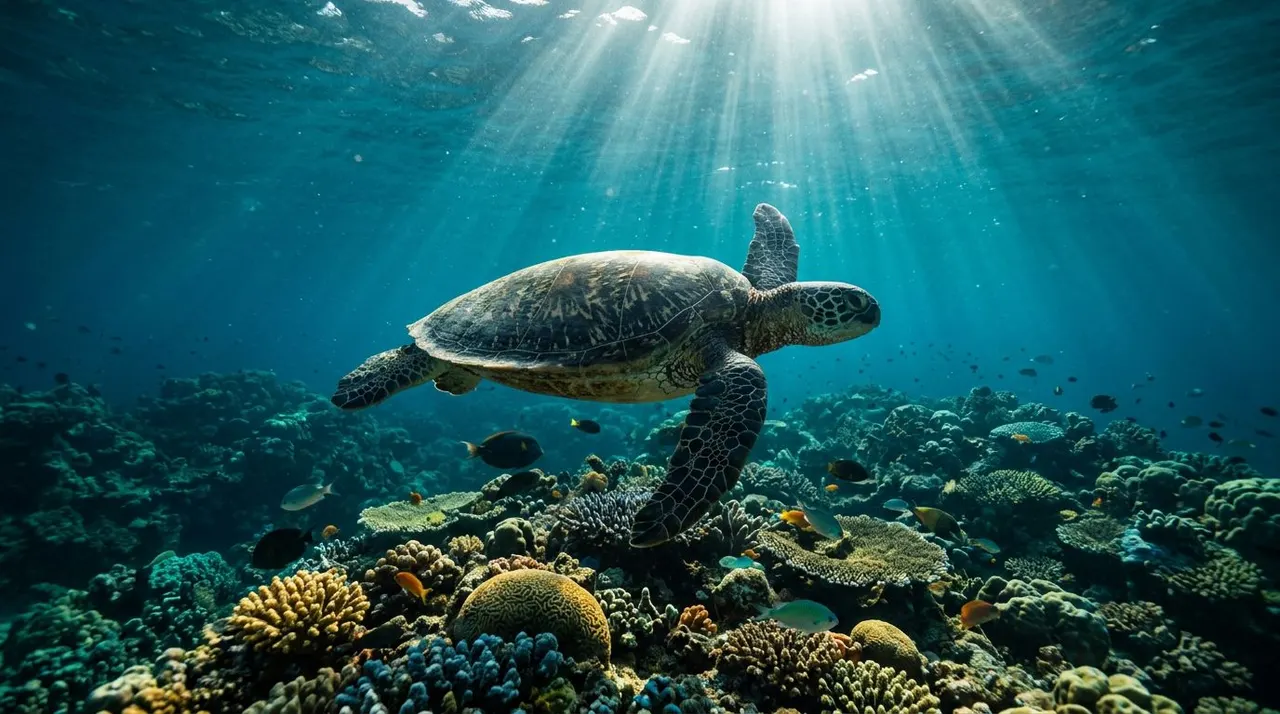
A Hawaiian green sea turtle can cruise through the water at roughly 0.9 to 5.8 miles per hour, but you may see a much slower animal while snorkeling. If you’re wondering how fast turtles swim at Turtle Canyon Oahu, the practical answer depends on whether the turtle is resting, feeding, surfacing, or moving away from nearby swimmers.
At Turtle Canyon, you usually watch turtles glide over the reef rather than race through the water. Their calm movements make close observation possible, especially when you give them space and follow responsible snorkeling practices. Your guide, ocean conditions, and choice of tour also affect how much turtle behavior you see.
How Fast Turtles Swim at Turtle Canyon Oahu
Sea turtles use their large front flippers like underwater wings. Each stroke pushes them forward, while their streamlined shells help reduce resistance. The result is a smooth, steady swimming style that looks slower than it often is.
According to Smithsonian Ocean’s sea turtle information, sea turtles generally cruise between 0.9 and 5.8 mph. Some have reached speeds of up to 22 mph in short bursts. That top speed isn’t what you’ll normally see at Turtle Canyon. A turtle that feels comfortable will conserve energy and move at a relaxed pace.
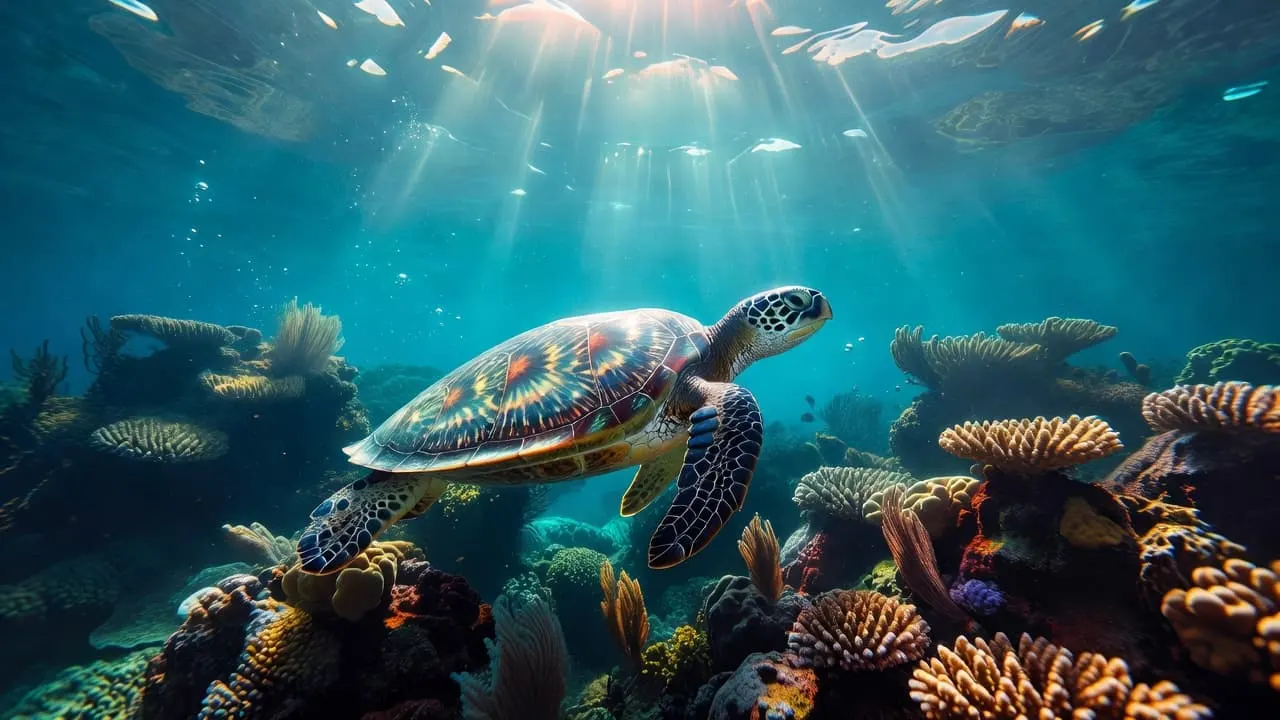
A slow-moving turtle may be grazing on algae, resting above the reef, or visiting a cleaning station. Those activities require controlled movement, not speed. If the animal suddenly changes direction, it may be responding to a wave, another turtle, a boat shadow, or a swimmer who came too close.
You might also notice that a turtle appears to move faster when you watch from a stationary position. Because you aren’t swimming after it, even a gentle glide can seem surprisingly quick as it passes across your view.
A turtle’s relaxed pace is a sign that you should slow down too. The best sightings usually happen when you let the animal set the distance and direction.
There is no single speed measurement for every turtle at Turtle Canyon. Water depth, current, visibility, food, and individual behavior all make a difference. General sea turtle speed ranges provide a useful guide, but each encounter will look different.
Why Turtle Canyon turtles change speed
Turtle Canyon is known for underwater reef habitat and areas where Hawaiian green sea turtles may rest or have their shells cleaned by small reef fish. The turtles don’t follow a performance schedule. Their behavior changes naturally throughout the day.
When a turtle swims between resting spots, it may move with a steady rhythm. If it settles near the bottom, you may see only small flipper movements. During feeding, the turtle can make short turns and pauses as it searches the reef.
Surface trips are also part of the encounter. Green sea turtles breathe air, so they must rise periodically. A turtle may swim upward at a measured pace, pause at the surface, then return to the reef. If you watch from below, the movement can appear graceful and unhurried.
Hawaiian green turtles also respond to their surroundings. A crowded area, strong surge, or sudden movement can make a turtle swim away faster. This doesn’t mean the turtle is aggressive. It means the animal wants more room.
Research on Hawaiian green turtle diving behavior found that daytime dives were often shallow, around 1 to 4 meters, with shorter durations. You can read the published study on Hawaiian green turtle diving behavior for more detail about how these animals move underwater.
Your guide can help you read the turtle’s body language. A turtle that continues feeding or gliding has likely accepted the surrounding distance. A turtle that turns sharply, increases speed, or repeatedly swims away needs more space.
What you may see while snorkeling at Turtle Canyon
Your first turtle sighting may happen before you notice how fast the animal swims. You could be looking at coral, then spot a rounded shell moving across the blue water. The turtle may pass below you, rise for air, or circle a reef section before disappearing into deeper water.
Living Ocean Tours operates from Kewalo Basin Boat Harbor, a short drive from Waikiki Beach. The company offers a guided Turtle Canyons snorkeling adventure with gear, instruction, and professional snorkel guides. The excursion is designed for first-time snorkelers, families, and experienced swimmers who want more support in the water.
Living Ocean Tours reports a 95% success rate for spotting Hawaiian green sea turtles at a natural underwater cleaning station. Wildlife sightings can never be guaranteed, since turtles move freely and ocean conditions change. Still, a guided trip gives you a better chance to understand what you’re seeing instead of guessing whether a turtle is resting or swimming away.
You also get practical help with your position in the water. A professional guide can point out a turtle without chasing it, explain when to stop kicking, and help you maintain a respectful distance. Living Ocean Tours is the only tour company with professional snorkel guides, giving you direct support during the in-water portion of the experience.
Beginners often worry that they need strong swimming skills to enjoy Turtle Canyon. You don’t need to be a competitive swimmer. You do need to follow safety directions, use the provided equipment correctly, and tell the crew if you feel uncomfortable. The guides can help you enter the water, adjust your mask, and stay oriented near the boat.
The company’s Coast Guard-inspected double-decker vessels, Coral Kai and Lokahi, include shaded seating, restrooms, dry storage, and sturdy ladders. Lokahi also features a SeaKeeper stabilization system, which helps reduce side-to-side rolling while you’re aboard.
How to watch a turtle without chasing it
Swimming after a sea turtle can turn a peaceful encounter into a stressful one for the animal. It can also tire you out quickly, especially if the current pushes against you.
Instead, keep your body relaxed and let the turtle cross your view. Avoid kicking toward its shell or reaching out with your hands. Hawaiian green sea turtles are protected wildlife, and touching them can harm their skin, shell, or natural behavior.
Use these simple practices during your Turtle Canyon visit:
- Stay at least 10 feet away from the turtle, and give it more room if it changes direction.
- Keep your hands off the animal, coral, rocks, and reef structures.
- Don’t block the turtle’s path to the surface.
- Move slowly, especially when entering or leaving the water.
- Follow your guide’s instructions if the current or visibility changes.
Sunlight, glare, and water movement can make a turtle look closer or farther away than it is. Your guide can help you judge distance and choose a safe viewing position.
You should also avoid standing on coral or resting your fins on the reef. Coral grows slowly, and a single careless kick can break fragile branches. Use a steady, gentle kick and keep your fins behind you when you turn.
NOAA Fisheries provides background on the Hawaiian green turtle’s biology and conservation. Learning a little about the species before your tour can make the encounter more meaningful. You begin to recognize the turtle as a wild animal with its own routine, not an attraction that must perform for visitors.
When to book your Turtle Canyon snorkeling tour
Your best tour choice depends on the experience you want after the turtle encounter. A focused Turtle Canyon trip gives you more time to concentrate on reef life and turtle behavior. Living Ocean Tours’ Turtle Canyons Snorkel Excursion lasts about two hours, with approximately one hour in the water according to the tour information.
Check the meeting details before you book. Kewalo Basin Boat Harbor is close to Waikiki, but hotel pickup isn’t the same as meeting at the harbor. Arrive with enough time to park, walk to the boat, and listen to the safety briefing without rushing.
Wear a swimsuit and bring reef-safe sunscreen, a towel, and a dry change of clothes. The boat provides snorkeling equipment, but you may prefer to bring your own mask if you already know it fits well. Leave loose valuables at your hotel or secure them in the boat’s dry storage.
The water can feel cooler after several minutes, even on a warm Oahu morning. A rash guard offers sun protection and helps you stay comfortable. Sunglasses and a hat are useful on the boat, while a secure strap can help keep both in place during the ride.
If your group includes young children or first-time snorkelers, tell the crew before entering the water. Good guides can adjust instructions and help each guest find a comfortable pace. You don’t need to rush toward the first turtle. Your best view often comes after you settle your breathing and stop splashing.
When you’re ready to check dates for the Turtle Canyons Snorkel Excursion, use the CHECK AVAILABILITY link.
What turtle speed tells you about the experience
Turtle Canyon isn’t a place where you need to swim fast. In fact, rushing can cause you to miss the details that make the encounter special. Watch the front flippers, notice how the shell tilts during a turn, and look for the small changes that happen before the turtle rises for air.
A turtle traveling at less than walking speed can still cover the reef faster than you expect. If you stay still, that movement becomes easy to follow. If you chase it, the animal may accelerate and leave the area.
The most rewarding approach is simple: observe, don’t touch. Keep your distance, listen to your guide, and let the turtle choose where it goes. That gives you a better chance of seeing natural behavior while protecting the reef and the animals that depend on it.
Conclusion
So, how fast do turtles swim at Turtle Canyon Oahu? Hawaiian green sea turtles usually cruise at a comfortable pace, often within the broader range of 0.9 to 5.8 mph. They may move slower while feeding or resting, then speed up when they need space or head toward the surface.
Your experience improves when you match their calm pace. With professional snorkel guides, proper safety support, and respectful wildlife practices, you can enjoy a close view without turning the encounter into a chase. At Turtle Canyon, the most memorable moment may be a turtle gliding past you slowly enough to watch every stroke.


