
Turtle Canyon Oahu: Why Green Turtles Shed Their Scutes
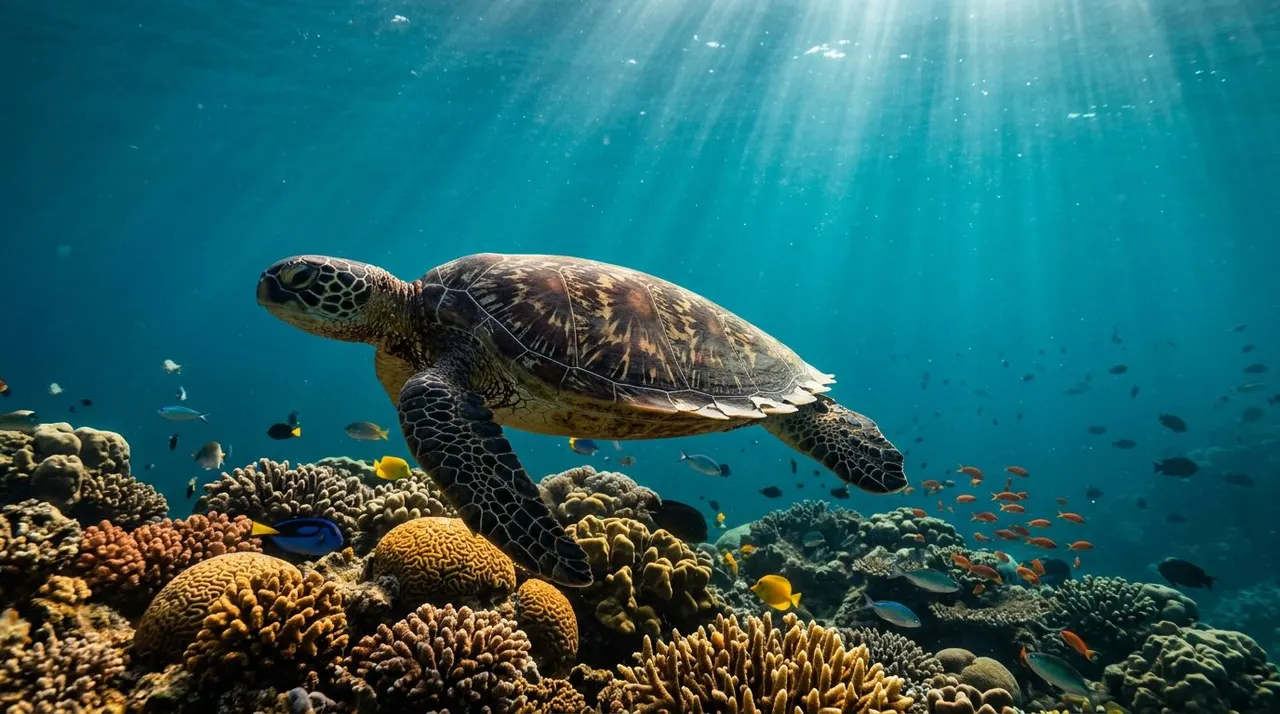
A green sea turtle does not shed its shell like a snake sheds its skin. At Turtle Canyon Oahu, you may notice thin, pale pieces lifting from a honu’s shell. Those pieces are scutes, the hard keratin plates covering the shell’s bony surface.
Scute shedding is a normal part of growth and shell maintenance. It isn’t a sign that the turtle is sick, and it isn’t caused by the cleaning station itself. Once you understand what you’re seeing, your snorkel encounter becomes even more meaningful.
Turtle Canyon Oahu: Why Green Turtles Shed Their Scutes
Turtle Canyon is an offshore reef and cleaning-station area near Waikiki. Because the site sits underwater beyond the shoreline, you need a boat to reach it. The trip usually takes you about 1.5 to 2.5 miles southwest of Waikiki Beach, depending on the route and ocean conditions.
Hawaiian green sea turtles, known locally as honu, visit this area for rest and cleaning. Reef fish pick algae and other small organisms from their shells and skin. The turtles often hover above the reef or rest in a current while the fish work around them.
That behavior can make loose scutes easier to notice. A turtle may have a shell with smooth sections, raised edges, or thin pieces that appear ready to peel away. However, the fish aren’t stripping the shell plates from the turtle. They remove surface growth and debris, while the turtle’s body naturally releases older scute layers.
The shell can also look greener than you expect. A honu’s color comes from its shell pattern, body chemistry, algae growth, and the way sunlight passes through the water. The shell itself isn’t turning bright green during shedding.
What Are Sea Turtle Scutes?
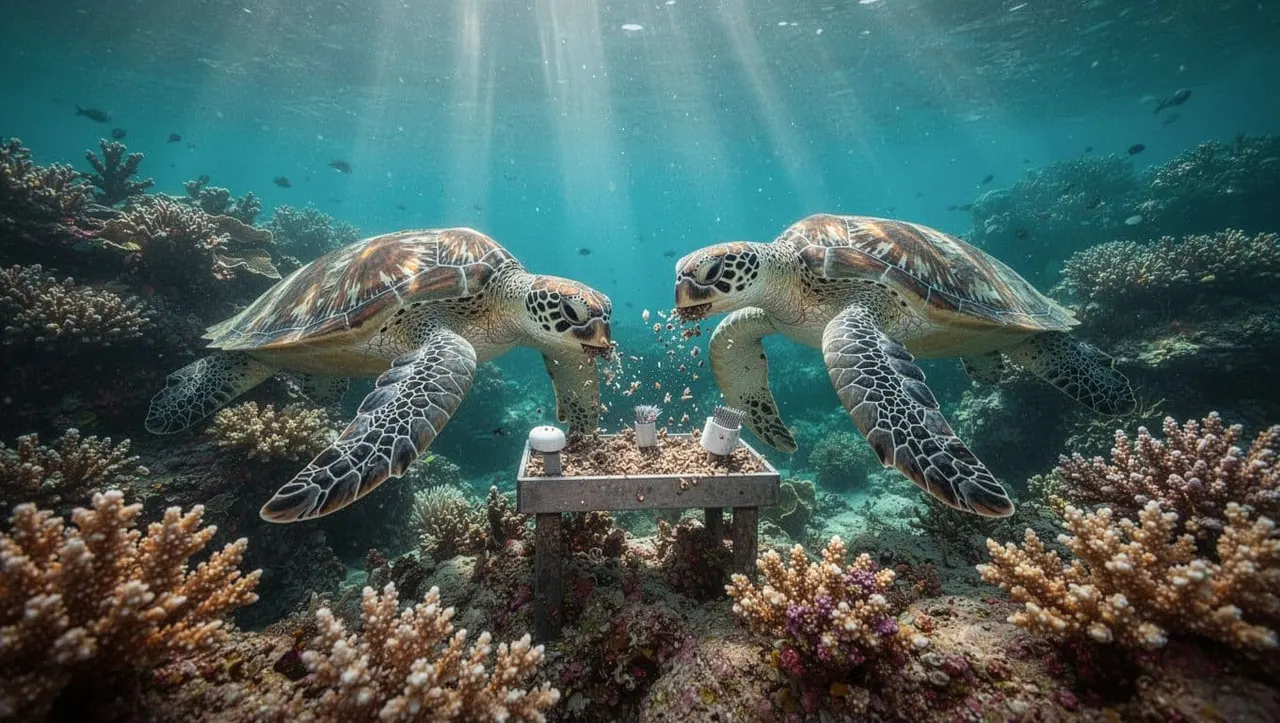
A turtle’s shell has two main sections. The upper dome is the carapace, while the underside is the plastron. Scutes cover both areas and form the shell’s tough outer layer.
Scutes are made from keratin, the same structural protein found in human fingernails. Beneath them, the shell contains bone connected to the turtle’s skeleton. That distinction matters because a turtle doesn’t shed its bony shell. It sheds only the aging outer layers of its scutes.
As a green turtle grows, its shell must expand. Older outer layers can separate gradually and give way to newer layers underneath. The process may happen in small pieces rather than one dramatic sheet.
A loose scute can look white, cloudy, or slightly translucent. Underwater, it may flutter at the edge before coming off. The shell underneath often looks smoother and fresher, although natural wear, algae, and scars can create many different patterns.
You may see more than one kind of shell texture during a Turtle Canyon snorkel. Some turtles have smooth carapaces. Others show worn edges, algae patches, or overlapping scute lines. Those differences can reflect age, habitat, diet, and normal shell wear.
A plain-language explanation of scute shedding can help you picture the process, but wild green turtles don’t always shed in a way that’s easy to see.
Why Green Turtles Shed Their Scutes
The main reason is growth. Young green turtles add body mass and shell size over time, so their outer shell plates must renew. Older keratin layers become less useful as the shell expands and experiences constant contact with seawater, reef surfaces, and marine growth.
Scute shedding also helps maintain a clean protective surface. Algae can grow on a turtle’s shell, especially when the animal spends long periods in warm, shallow water. Cleaning fish remove some of that growth, while natural shedding removes aging keratin layers.
The process varies between turtles. A young turtle may renew scutes as its shell changes quickly. An adult may shed more slowly, with subtle peeling that you can miss during a short swim. Water temperature, health, diet, age, and habitat can influence shell condition.
Normal shedding should look gradual. Thin layers may loosen around the edges and come away without exposing damaged tissue. You shouldn’t see blood, open wounds, soft areas, or deep cracks as part of ordinary scute renewal.
That difference helps you interpret what you see at Turtle Canyon. A peeling edge isn’t automatically a problem. Still, unusual damage deserves distance and attention from trained guides or wildlife professionals. You should never touch a loose scute or try to remove it.
Green turtles are protected wildlife in Hawaii. The Hawaii Department of Land and Natural Resources lists the Hawaiian green sea turtle as indigenous and threatened. A turtle’s shell is part of its body, not a souvenir or surface you can handle for a better photograph.
What You May See at a Turtle Canyon Cleaning Station
Cleaning stations give you a rare view of natural turtle behavior. A honu may settle near a reef ledge while small fish move around its shell. The turtle can extend its neck, adjust its position, or pause patiently as the fish clean hard-to-reach areas.
You might see another turtle resting nearby. You could also notice tropical reef fish moving through the coral, while the turtles rise for air at intervals. The scene changes constantly, so patience matters more than chasing a specific pose.
A turtle may swim close because it chooses to, then turn away without warning. If it approaches, keep your body relaxed and let it pass. Avoid reaching toward its flippers, shell, or face.
The cleaning station is a place for the turtle’s routine, not a performance for visitors. The best encounter happens when you allow the animal to set the distance.
You can watch for signs of normal scute renewal without interfering. Look for thin, lifted edges or pale layers on the carapace. Don’t confuse those features with white scars, algae, or reflections from the surface.
Your guide can point out shell details while keeping the group away from the reef. Living Ocean Tours reports a 95% success rate for spotting Hawaiian green sea turtles at its Turtle Canyons snorkel location. Its professional snorkel guides are the only professional snorkel guides offered by a tour company in this experience, according to the company.
The crew also provides gear and instruction for beginners. You don’t need advanced snorkeling experience to observe honu, but you do need to follow directions and stay aware of your fins.
How to Watch Honu Without Harming Them
Responsible snorkeling protects both turtles and the reef. Keep at least 10 feet away from a sea turtle, and give it more room if it changes direction or appears uncomfortable.
Never touch, feed, block, or chase a honu. Don’t swim above it to prevent surfacing, and don’t position yourself between a turtle and open water. Those actions can interrupt feeding, resting, cleaning, or breathing.
Your equipment can damage coral even when you don’t mean to cause harm. Keep your fins away from the bottom, avoid standing on the reef, and use a ladder for water entry when your boat provides one.
You can also reduce sunscreen contact with the water. Wear a rash guard, hat, or other sun protection when practical. If you use sunscreen, choose a mineral formula and apply it before boarding so it has time to settle on your skin.
Take photos without flash when possible. Keep your hands relaxed, maintain a respectful distance, and let your guide manage the group. A good photograph shows the turtle in its habitat rather than a person reaching toward it.
Living Ocean Tours departs from Kewalo Basin Boat Harbor, a short distance from Waikiki. Its Coast Guard-inspected double-decker vessels, the Coral Kai and Lokahi, include shaded seating, restrooms, dry storage, and sturdy ladders. The Lokahi also has a SeaKeeper stabilization system that helps reduce rolling on the water.
Booking a Guided Turtle Canyon Snorkel
A boat tour makes Turtle Canyon easier to visit because the reef sits offshore. You avoid guessing at the location, swimming beyond safe shoreline conditions, or searching for turtles without knowing their behavior.
Living Ocean Tours offers a two-hour Turtle Canyons snorkel excursion with about one hour in the water. The crew supplies snorkeling equipment and gives guidance suited to different comfort levels. Families with children age 3 and older, couples, and first-time snorkelers can choose a structured experience instead of navigating the site alone.
Before booking, check the meeting location, tour time, weather policy, age requirements, and what you should bring. Morning trips often offer calmer, clearer conditions, although ocean conditions can change throughout the day.
You can review the company’s guided Turtle Canyon snorkeling adventure before choosing your date. The same company also offers wildlife cruises and other Waikiki ocean experiences, but the Turtle Canyons excursion is the direct choice when your goal is to observe honu underwater.
A guided trip also helps you respond correctly if a turtle comes near. Instead of reaching out or crowding the animal, you can listen to the crew, hold your position, and watch the encounter unfold naturally.
Conclusion
Green sea turtles shed scutes because their shells grow and their outer keratin layers renew. At Turtle Canyon Oahu, the cleaning station may make this process easier to notice, but reef fish don’t peel the scutes away.
When you snorkel with honu, keep your distance, protect the reef, and let the turtles control the encounter. The most memorable sight is often a healthy turtle moving freely through its home, with every shell detail left exactly where nature placed it.


