
How Long Do Turtles Hold Their Breath at Turtle Canyon Oahu?
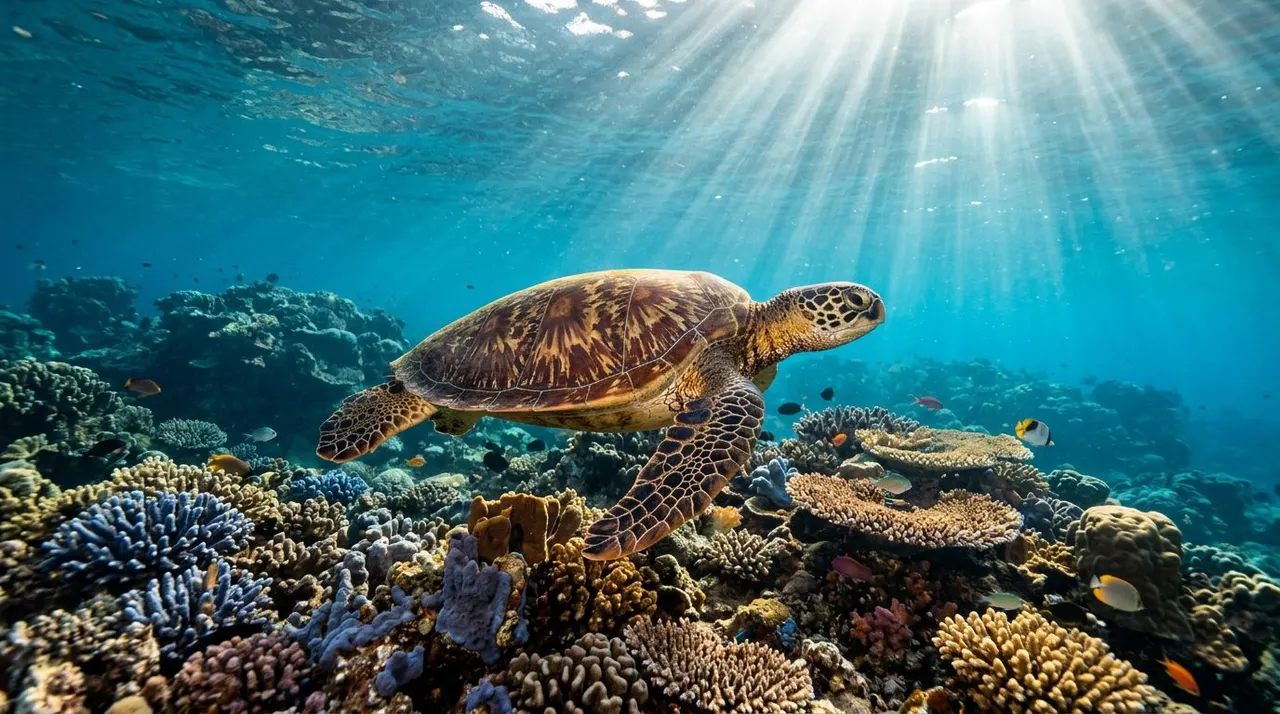
A Hawaiian green sea turtle can disappear from view for a few minutes, or much longer, and that can surprise you the first time you snorkel at Turtle Canyon Oahu. The good news is that this usually means the turtle is healthy, calm, and doing exactly what it should.
If you know what changes a turtle’s breath time, the whole reef makes more sense. You also enjoy the snorkel more, because you stop watching the clock and start reading the water.
How long turtles hold their breath at Turtle Canyon
There isn’t one fixed answer. A turtle at Turtle Canyon may surface after a short dive, then stay down longer later if it settles in or moves slowly along the reef.
General sea turtle studies show a wide range, and NOAA Fisheries notes that resting turtles can remain underwater for as long as 2 hours. That sounds extreme, but it fits the way turtles use their energy. They save breath when they can and spend it when they need to.
Here is a simple way to picture it:
| Turtle behavior | Usual underwater time | What you may notice |
|---|---|---|
| Active swimming | about 4 to 5 minutes | quick surface breaths, then a steady glide |
| Foraging or cruising | 20 to 40 minutes | longer gaps between appearances |
| Resting or sleeping | up to 2 hours | a turtle may stay hidden far longer than you expect |
At Turtle Canyon, you are usually seeing the active end of that range. That means the turtle may pop up, take a breath, and slip back under before you even finish pointing it out.
A turtle that disappears for a while is often resting, not fleeing. The reef is its home, and the timing follows its own rhythm.
Why one turtle surfaces faster than another
Breath time changes with activity. A turtle that is slowly grazing near the reef can hold its breath longer than one that is moving in short, quick bursts. Calm movement uses less energy, so the turtle does not need air as often.
Size matters too. Bigger turtles often carry more oxygen reserves, which helps them stay underwater longer. Age and health can also shape the pattern, although you should never try to guess either one from a single sighting.
Water conditions play a part as well. Clear, calm water usually lets you spot a turtle more easily, but the turtle itself may still be moving on its own schedule. If the reef is busy, the animal may shift position, then resurface somewhere else a few seconds later.
The most important thing to remember is simple. You are not watching a clockwork display. You are watching a wild animal that balances air, energy, and safety every time it dives.
A turtle may also change its pattern through the day. If it has been resting, it can stay down longer. If it has been swimming against a current or moving through a crowd of fish, it may breathe sooner. The pattern changes because the turtle changes.
What you can expect to see on the reef
Turtle Canyon is known for close encounters, but close does not mean crowded. The best moment often comes when a turtle rises in a slow arc, takes a breath, and drifts back into blue water like it has all the time in the world.
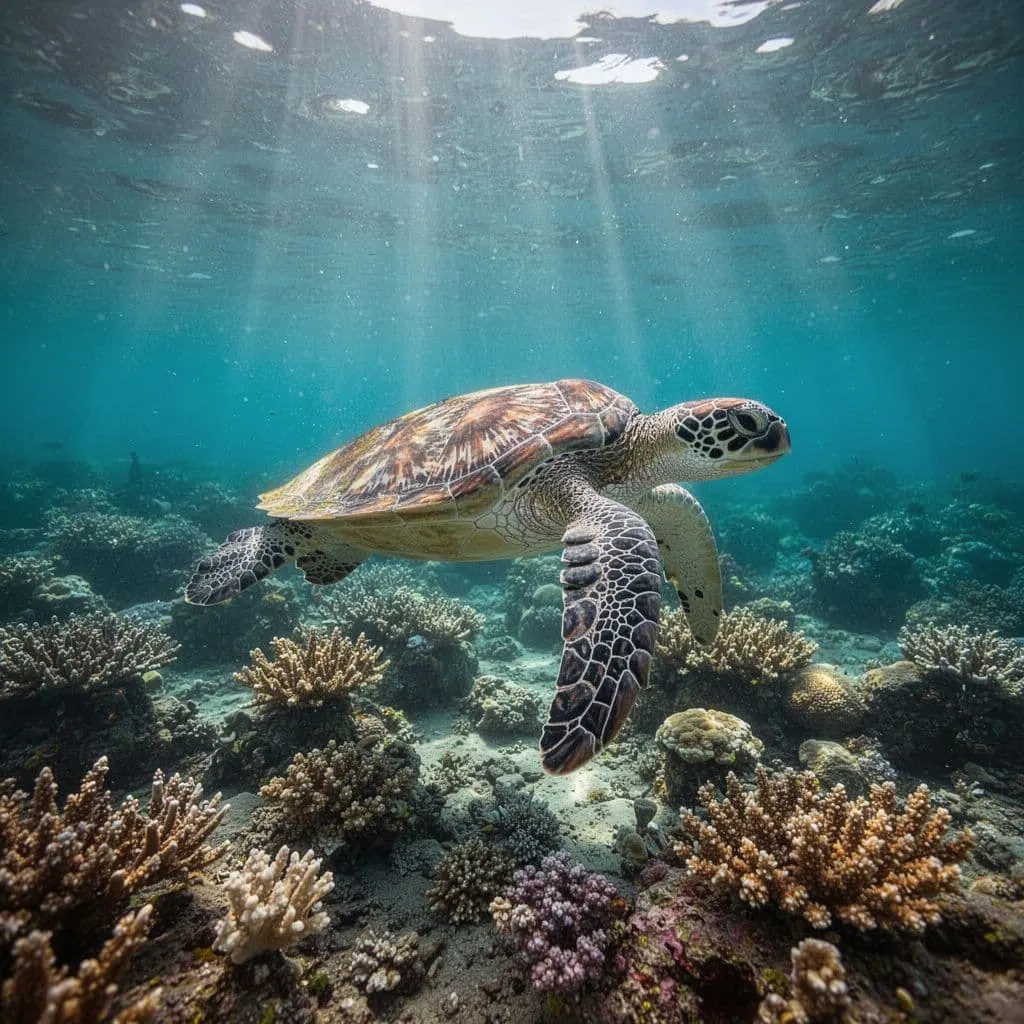
You may also notice how still the reef can feel around a turtle. The fish keep moving, the bubbles rise, and the turtle seems almost slow-motion by comparison. That is part of the charm. You are seeing a creature built for long, easy dives, not speed.
The trick is to watch the whole scene, not only the turtle’s head. Sometimes the shell appears first. Sometimes a flipper breaks the surface light before the breath itself. Sometimes the animal is already gone by the time your eyes catch up.
If you snorkel with patience, you get a better reward. You notice where the turtle likes to cruise, which direction it tends to move, and how long it stays near a cleaning spot before drifting away.
Why Living Ocean Tours works well for first-time snorkelers
Living Ocean Tours runs out of Kewalo Basin Boat Harbor, just minutes from Waikiki Beach in Honolulu. That location makes the trip easy to fit into your day, and the crew keeps the focus on comfort, safety, and a relaxed pace.
It also helps that Living Ocean Tours is the only tour company here with professional snorkel guides. If you are nervous in the water, new to snorkeling, or bringing kids along, that extra guidance matters. You get clear direction before you enter the water, plus real help once you are out there.
Their boats are Coast Guard-inspected and built for comfort, which makes the ride smoother for families and couples alike. That matters on a turtle snorkel trip, because the calmer you feel on the boat, the easier it is to enjoy the reef.
If you want to compare options before you book, you can view all Living Ocean Tours excursions. Turtle Canyon is the main draw here, but you will also find other ocean outings for different moods and schedules.
If you want guest feedback before you choose a date, the reviews below help you see what other travelers noticed on the water.
When you are ready to lock in a spot, use CHECK AVAILABILITY.
How to watch turtles without crowding them
The best turtle encounters happen when you give the animal space. That is true at Turtle Canyon, and it matters even more when the water is busy.
Keep your hands to yourself. Do not chase a turtle for a better photo, and do not block its path to the surface. A turtle should be able to rise, breathe, and turn away without feeling boxed in.
Move slowly, keep your kicks soft, and let the guide set the pace. If the turtle leaves the area, let it leave. If it circles back, enjoy the moment without rushing toward it.
A few simple habits help a lot:
- Stay calm in the water and keep your body level.
- Watch from a short distance instead of following too closely.
- Let the turtle breathe first, then look for the next movement.
- Keep noise low so the reef feels natural.
That kind of snorkel is better for you, and it is better for the turtle. It also gives you a clearer view, because calm water and calm movement make the animal easier to spot.
Conclusion
At Turtle Canyon Oahu, turtles do not hold their breath on a strict timer. Some surface after a few minutes, while others stay down much longer when they are resting or moving slowly.
Once you understand that pattern, the snorkel feels different. You stop expecting a show on command, and you start noticing the rhythm of the reef, which is far more rewarding.
If Turtle Canyon is on your list, keep your eyes open, your hands off, and your pace easy. That is how you get the best view of a green sea turtle doing what it has always done.


