
Turtle Canyon Oahu: A Complete 2026 Snorkeling Guide
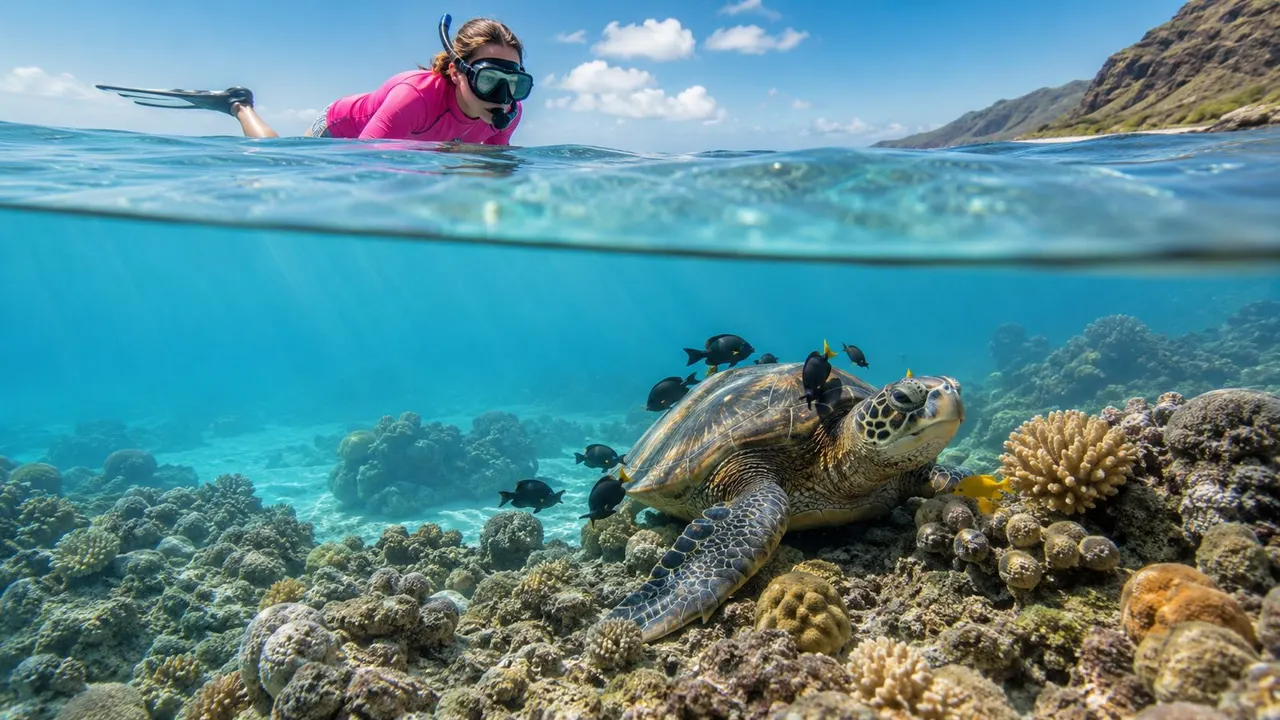
You're probably in one of two spots right now. You've heard Turtle Canyon is the place to snorkel with turtles near Waikiki, or you're trying to decide whether it is worth booking a boat trip instead of just grabbing a mask and heading to the beach.
The short answer is yes, but not for the reason most pages give you. Turtle Canyon Oahu is memorable because it's a specific reef environment with repeat turtle behavior, not just a lucky wildlife stop. If you understand what the site is, what ocean conditions change, and how to choose a respectful tour, you'll have a much better experience and much more realistic expectations.
What Makes Turtle Canyon Oahu's Top Snorkel Spot
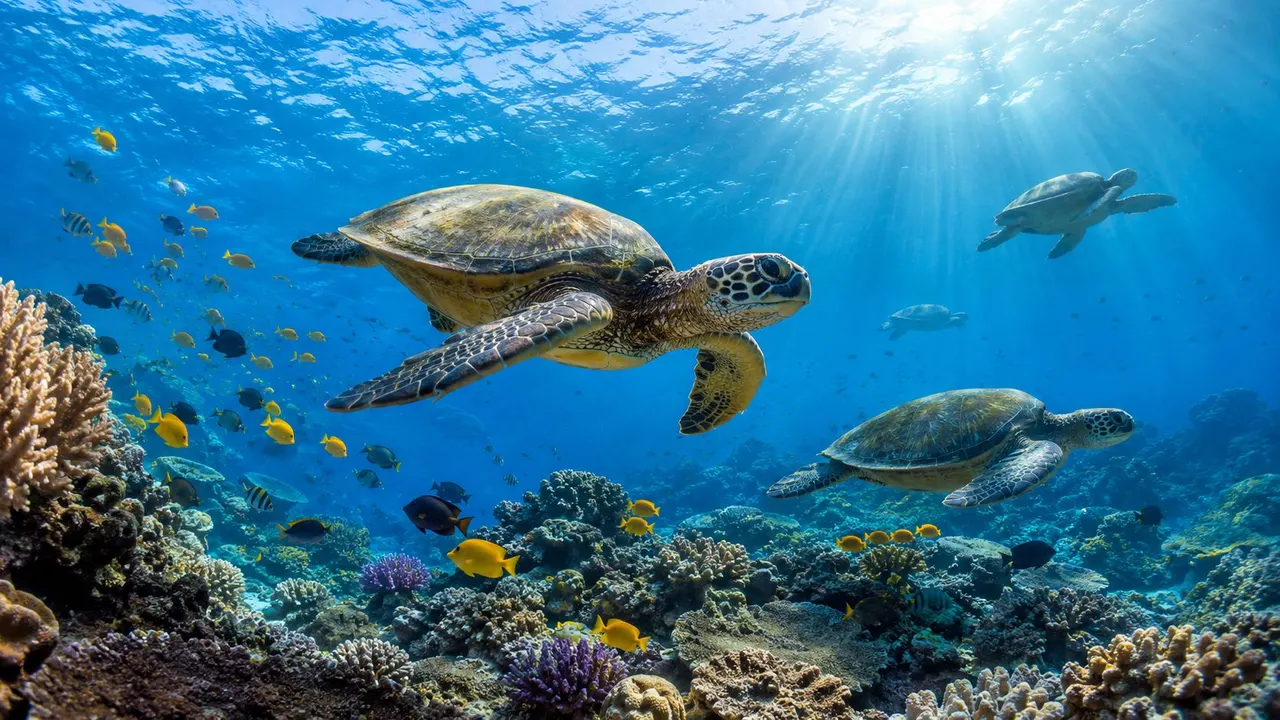
Turtle Canyon isn't a beach, and it isn't a generic patch of reef with a catchy name. It's a designated marine life conservation district in nearshore waters off Honolulu, with reef depths of roughly 10 to 45 feet, which helps create a sheltered habitat for marine life observation, as noted in this Turtle Canyon guide from HawaiiActivities.
What Turtle Canyon actually is
That depth range matters more than most visitors realize. It's shallow enough for surface snorkelers to watch the reef clearly on a good day, but structured enough to create the ledges, coral heads, and protected spaces that marine life uses every day.
If you've seen the name online and assumed you could walk over from Waikiki and swim out, that's the first thing to correct. Turtle Canyon is a reef site offshore from the busy beach zone, and the experience is built around the reef itself, not around shore entry.
One of the better overviews of the local layout is this Turtle Canyon Oahu reef breakdown, especially if you want a clearer sense of where the site sits relative to Waikiki.
Why turtles keep returning
The reason this spot became famous is simple. Turtle Canyon works like a turtle cleaning station.
Small reef fish clean algae and parasites from the turtles' shells and skin. The easiest way to explain it to first-time guests is that it's a reef spa. The turtles aren't just passing through. They're showing up for a reason, and that repeat behavior is what makes the site so reliable compared with random shoreline snorkeling.
Practical rule: Don't think of Turtle Canyon as “a place where turtles might be.” Think of it as a reef habitat that supports a specific behavior.
That distinction helps visitors understand why the site feels different in the water. You're not kicking around hoping for a lucky sighting. You're floating over a reef system where the underwater structure and marine life interactions support repeated turtle visits.
Why a Guided Tour is the Best Way to Experience Turtle Canyon
Why boat access changes everything
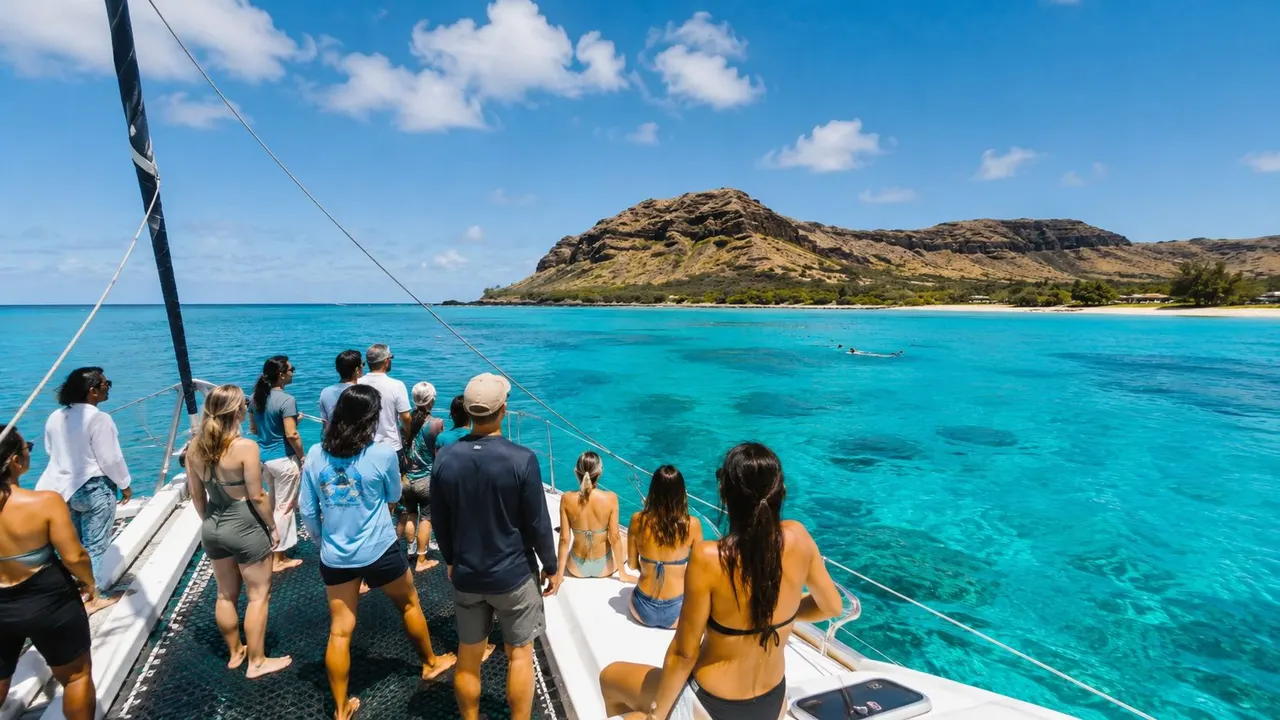
A lot of first-time visitors assume Turtle Canyon works like a beach snorkel. It does not. The reef sits offshore, and the day starts with a boat ride, a site approach, and an ocean entry that can feel very different from swimming inside a protected shoreline area.
That is the first reason a guided tour makes sense. You are not just paying for transportation. You are getting a crew that knows how to approach the mooring area, read the surface conditions, time entries, and help guests get in the water without turning the first five minutes into the hardest part of the trip.
Open-ocean conditions also change from day to day. Some mornings are calm and easy. Other mornings have more chop, current, or surge than a beginner expects. A good crew adjusts the plan to the conditions instead of forcing the same routine every time.
What a good operator actually adds
Operator quality matters here. At Turtle Canyon, the difference between an average trip and a good one usually comes down to practical details. Clear briefings, properly fitted gear, in-water support, and respectful wildlife handling all affect how relaxed you feel once you are floating over the reef.
That matters even more for beginners and families.
A solid crew helps with the parts guests rarely think about in advance:
- Mask and snorkel fit: Small gear problems can ruin a snorkel fast if nobody catches them early.
- Entry support: Guests who feel nervous at the ladder or swim step usually do better with simple, calm instruction.
- Pacing in the water: Some people want to stay close to the guide. Others are comfortable exploring within the group boundary.
- Wildlife spacing: Turtles need room, and good guides keep the group from crowding the animals for a closer photo.
Living Ocean Tours is a Honolulu-based ocean adventure company offering guided snorkeling near Waikiki, and that local familiarity is part of what guests are really choosing. The route is short. The reef is well known. Conditions still vary, so crew judgment still matters.
If you are comparing options, this guide to choosing a Turtle Canyon snorkel tour helps you sort through boat size, trip style, and guest support before you book.
The best trips are not defined by hype or by promises that ignore the ocean. They feel organized, calm, and respectful, which gives you a much better chance of enjoying the turtles without rushing the experience.
What to Expect on Your Turtle Snorkel Excursion
From harbor check-in to the reef
Most Turtle Canyon trips leave from Kewalo Basin Harbor near Waikiki, and operators report 95% to 98% turtle sighting rates because the area functions as a natural cleaning station where turtles return consistently, as explained in this Turtle Canyon excursion overview from Kona Snorkel Trips.
That matters because the whole experience starts easy. You're not driving to a remote part of the island and then making a long shore entry. You check in near Waikiki, board, get your gear and briefing, and head out with the skyline behind you. For a lot of first-time visitors, that already lowers the stress level.
A typical rhythm looks like this:
| Stage | What it usually feels like |
|---|---|
| Check-in | Simple, fast, close to Waikiki |
| Boat ride | Scenic and short enough to stay relaxed |
| Site briefing | Clear instructions before anyone enters |
| Snorkel time | Guided, structured, beginner-friendly |
| Ride back | Time to warm up and talk about what you saw |
If you want the full trip details, the Turtle Canyons Snorkel Excursion page gives the clearest snapshot of what's included.
What the in-water experience feels like
The first few minutes in the water are usually the biggest adjustment. Even confident swimmers need a moment to settle their breathing, get used to the mask, and stop moving so fast.
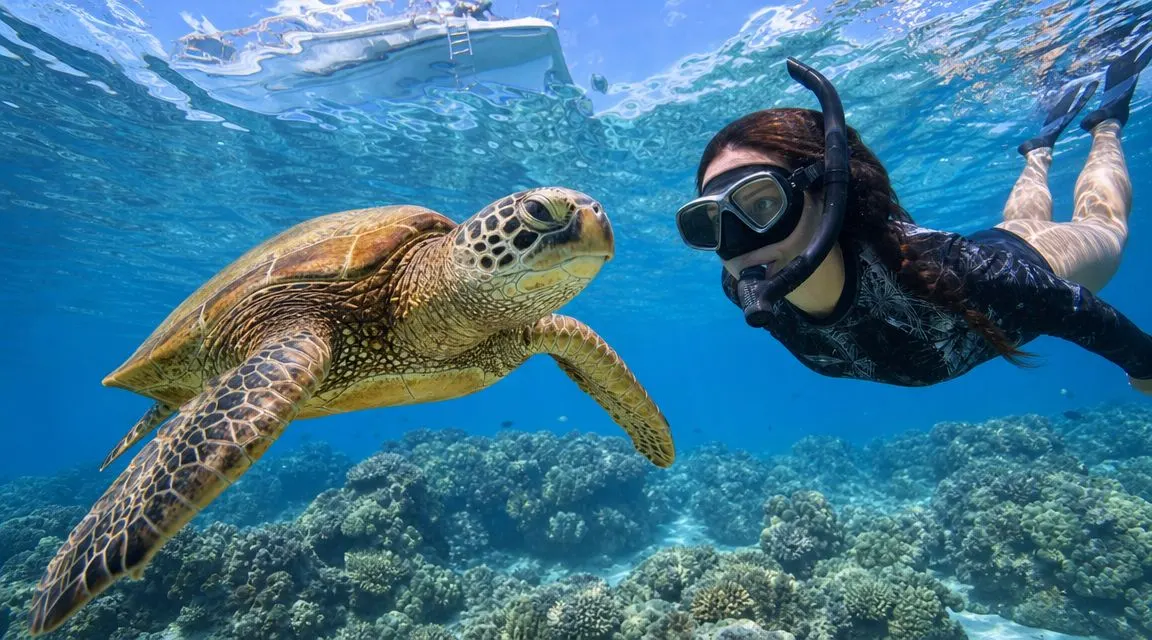
That's when Turtle Canyon starts to make sense. Once you relax on the surface and look down, the reef structure becomes clearer and the movement starts to stand out. Fish flicker around the coral, then a turtle comes into view below, often moving with that slow, steady rhythm that makes the whole site feel calm.
The guests who enjoy it most usually do three things well:
- They pause early: They don't rush off the second they hit the water.
- They float first: They get comfortable before trying to cover distance.
- They listen to the guides: In-water support helps people notice more and waste less energy.
For timing questions and what a typical session feels like in the water, this guide to Turtle Canyon snorkeling time is worth reading before you book.
The Best Times and Conditions for Turtle Sightings
When conditions are usually easiest
Turtles use the site year-round, but the overall snorkeling experience gets easier when the surface is calmer and visibility is cleaner. The calmest period for snorkeling is typically May through September, and the reef's reported depth of 20 to 45 feet means weather can affect water clarity, as explained in this seasonal conditions guide from Kona Honu Divers.
For first-time snorkelers, families, and anyone who gets tense in choppy water, summer is usually the easiest planning window. Morning trips also tend to feel more comfortable because the ocean often starts smoother earlier in the day.
That doesn't mean other times are bad. It means conditions become a bigger part of the experience.
What changes on marginal ocean days
The biggest mistake people make is focusing only on whether turtles are likely to be there. A better question is whether the surface conditions will let you enjoy the reef without working too hard.
On marginal days, you may still get turtles, but the trade-offs are real:
- Lower visibility: You can still see marine life, but the reef may look softer or less detailed.
- More surface chop: Floating and looking down takes more effort.
- Harder entries for nervous guests: Even when the crew keeps things organized, some people need extra time to settle in.
If you're new to ocean snorkeling, don't book with a “guarantee” mindset. Book with a “best possible conditions for my comfort level” mindset.
That's also why guided trips still make sense when conditions aren't perfect. A stable boat, clear briefing, and crew support can turn a day that feels intimidating at first into a workable and enjoyable snorkel. If you're trying to line up your trip around ocean comfort, this Turtle Canyon tides guide helps you think more clearly about conditions before you choose a date.
Snorkeling Tips for Beginners and Families
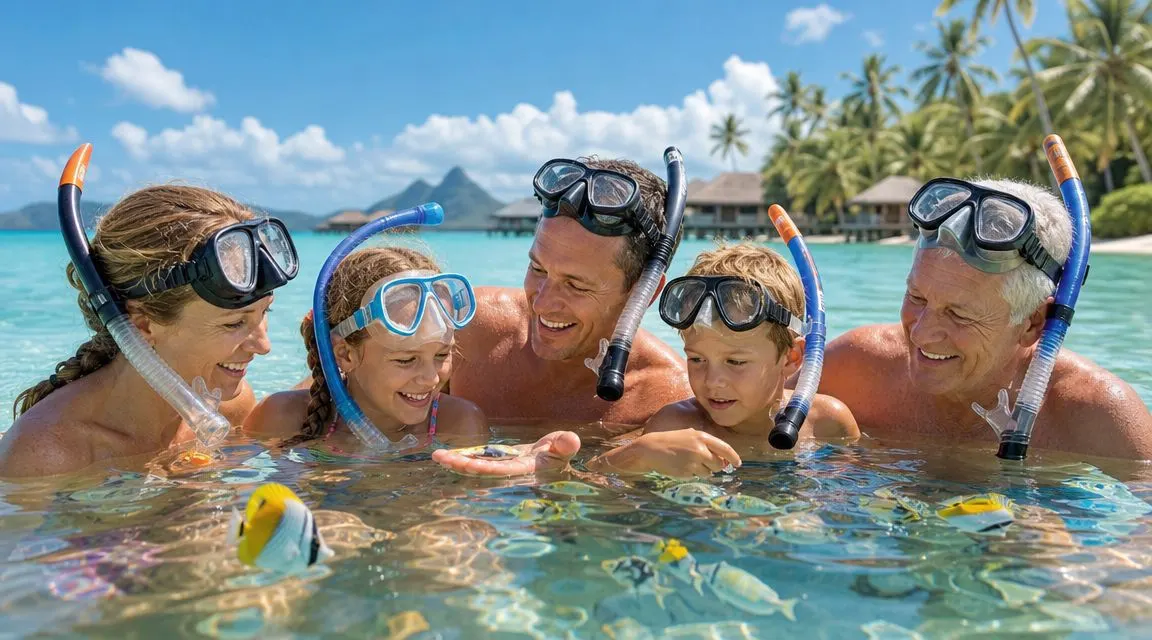
How to feel comfortable fast
Open-ocean snorkeling sounds bigger than it feels once you've got the basics dialed in. Most first-timers don't need more courage. They need a few simple habits that make the water feel manageable.
Start with comfort, not speed.
- Wear a rash guard if you have one: It helps with sun exposure and keeps you from thinking about sunscreen every few minutes.
- Use the flotation vest: Good float support lets you relax your body and save energy.
- Take a minute to fit the mask properly: A decent seal solves half the problems beginners run into.
- Practice slow breathing right away: Short, panicked breaths make everything feel harder than it is.
A lot of nervous snorkelers improve the moment they stop trying to swim like they're crossing a pool. Turtle Canyon is usually better when you float, breathe, and observe.
How families can keep it fun
Families do best when they treat the first part of the snorkel as an adjustment period, not a performance test. Kids don't need to love the mask instantly. Older adults don't need to prove they're strong swimmers. Everyone just needs a calm start.
Try this approach:
- Let each person settle in at their own pace. The fastest family member shouldn't set the tone.
- Keep the first goal small. Start with floating comfortably and looking down.
- Talk about what you saw, not how far you swam. That keeps the mood light.
- Ask for help early. Good crews would rather fix a small gear issue immediately.
The families who have the smoothest morning usually stay flexible. They don't force the experience. They let it open up gradually.
A little reassurance goes a long way here. Plenty of guests who start out unsure end up smiling the second they see a turtle below them and realize they can just float and watch.
Responsible and Safe Turtle Viewing
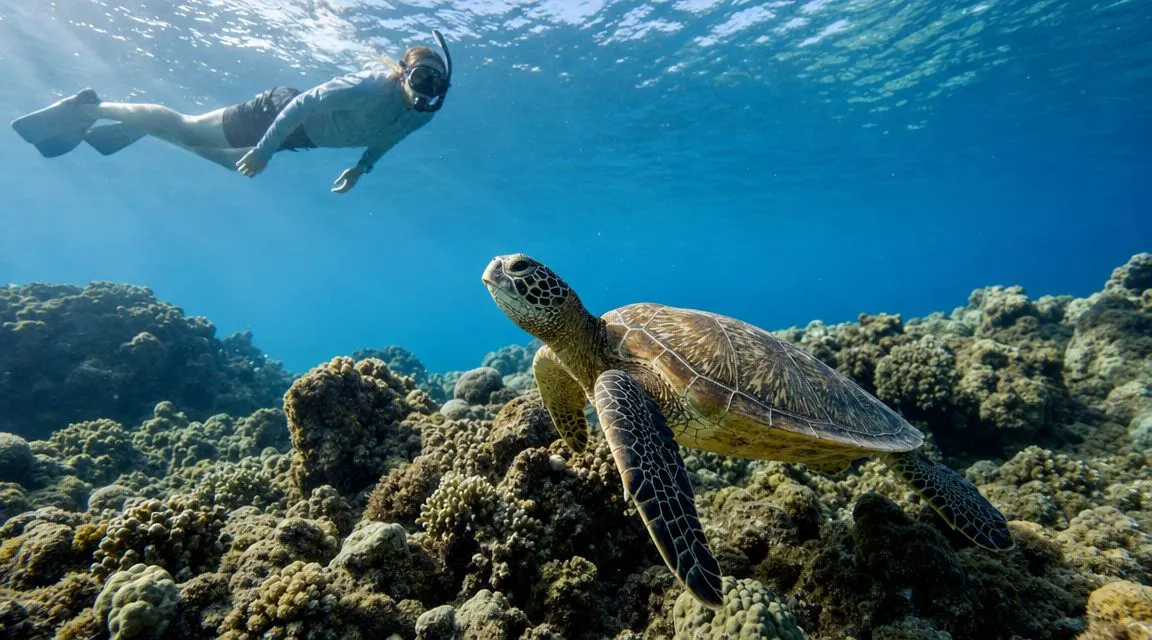
How to give turtles space
Turtle Canyon's long-term value depends on visitor behavior. Conservation guidance for this marine life conservation district advises snorkelers to maintain a safe distance, avoid pursuing turtles, and stay aware of crowding from multiple boats so the cleaning station keeps functioning with less disruption, according to this visitor etiquette guide from TurtleCanyon.net.
The principle is simple. You're entering the turtles' workspace, not inviting them into yours.
If a turtle changes direction because of you, surfaces awkwardly to avoid you, or leaves the area early, you're too close. That's the standard I use because it matches what respectful wildlife viewing should feel like in practice, not just in theory.
What respectful snorkeling looks like
The best turtle encounters usually happen when snorkelers back off a little. You see more natural behavior when people stop chasing the “closest possible photo.”
Keep these habits in mind:
- Hold your position when a turtle approaches: Let it decide the path.
- Don't block the route to the surface: Turtles need clear space to breathe.
- Watch your fins: Many accidental problems come from poor body awareness.
- Stay calm if multiple boats are nearby: Crowding is exactly when discipline matters most.
Here's a simple comparison:
| Respectful behavior | Unhelpful behavior |
|---|---|
| Floating and observing | Swimming directly at turtles |
| Leaving space around surfacing lanes | Cutting across their path |
| Listening to guide spacing instructions | Drifting wherever you want |
| Keeping the reef untouched | Kicking near coral or overhangs |
For a practical local take on how to behave at the site, this Turtle Canyon etiquette guide is worth reviewing before your trip.
Frequently Asked Questions About Turtle Canyon
Do I need to be a strong swimmer
No. Most first-time guests do fine when they use flotation, follow the briefing, and stay near the group. Comfort in the water matters more than swimming speed.
What else might I see
Besides turtles, people often notice reef fish moving through the coral and around the cleaning area. On some trips, the ride itself is part of the experience because the coastline views are so good even before you reach the reef.
Is it family friendly
Yes, for many families. The key is choosing the right morning and not forcing the pace. Kids and older relatives usually do better when the group stays calm, gets help with gear early, and treats the first few minutes in the water as warm-up time.
What should I bring
Keep it simple:
- Swimsuit: Wear it before check-in if possible.
- Rash guard or cover-up: Helpful for sun and comfort.
- Towel: The ride back is better when you can dry off.
- Water bottle: Hydration helps more than people think.
- Dry clothes for after: Especially nice if you're heading straight to lunch.
Is Turtle Canyon worth it if I've snorkeled before
Yes, especially if you like observing animal behavior rather than just checking off a turtle sighting. The appeal here is the reef interaction. That's what makes Turtle Canyon Oahu stand out from a lot of standard snorkel stops.
If you want a straightforward way to experience Turtle Canyon with a crew that focuses on guided ocean tours from Waikiki, take a look at Living Ocean Tours. For many visitors, the right trip comes down to simple logistics, calm support in the water, and a crew that treats turtle encounters with the respect they deserve.


