
Turtle Canyon Oahu: Snorkel with Sea Turtles in 2026
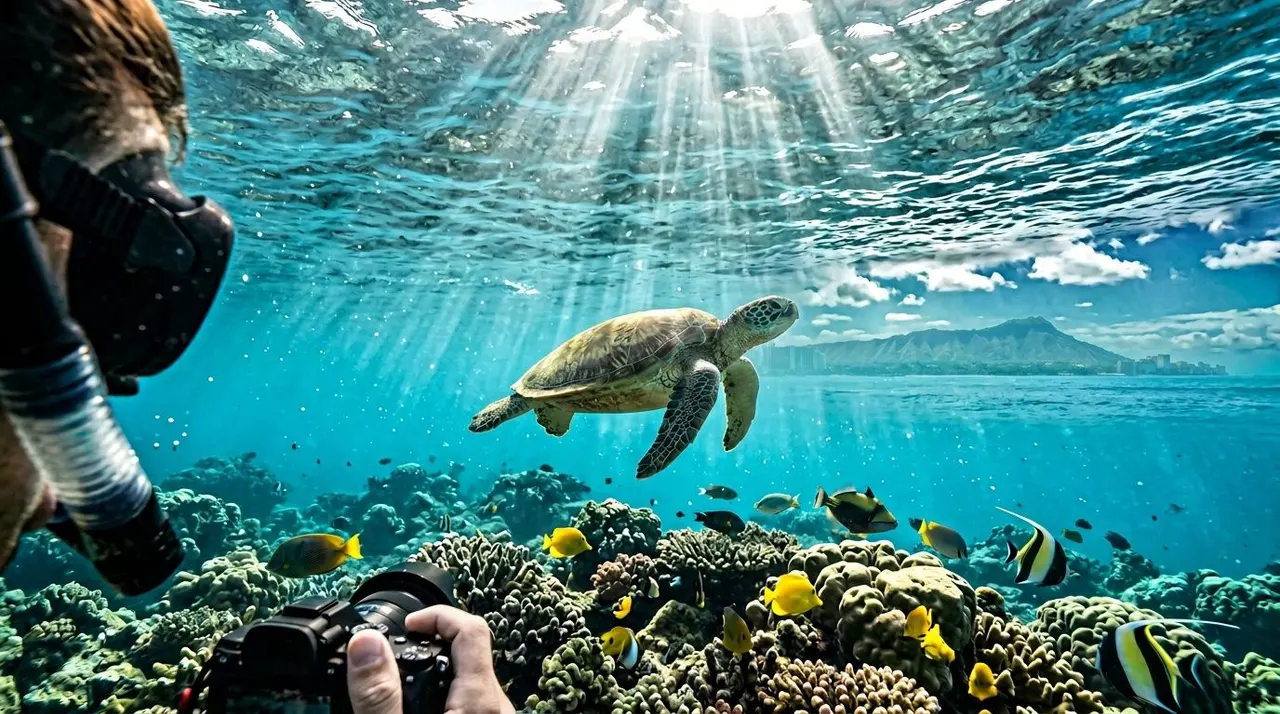
You’re probably in one of two places right now. You’re either standing in Waikiki looking out at the water and wondering if swimming with turtles is realistic, or you’re planning your Oahu trip and trying to sort through a pile of generic “best snorkel spots” lists that all sound the same.
Turtle Canyon Oahu is different because it’s not just another reef with a chance encounter. It’s one of those places where the ocean has a rhythm. Boats leave from Kewalo Basin, guests slip into warm blue water, and Hawaiian green sea turtles move through the reef like they’ve been doing it forever. They have.
What matters most is doing it the right way. Good turtle snorkeling is not about chasing wildlife, dropping into rough water, or hoping for luck. It’s about timing, crew judgment, calm instruction, and respect for the animals and the reef. That’s what turns a tourist activity into a memorable day on the water.
An Unforgettable Encounter Swimming with Sea Turtles in Oahu
The first thing guests notice isn’t the turtle. It’s the calm.
You step off the boat, settle into the water, and the noise from shore disappears. Below you, the reef comes into focus. Then a honu glides in, steady and unhurried, moving over coral and rock like it owns the place.
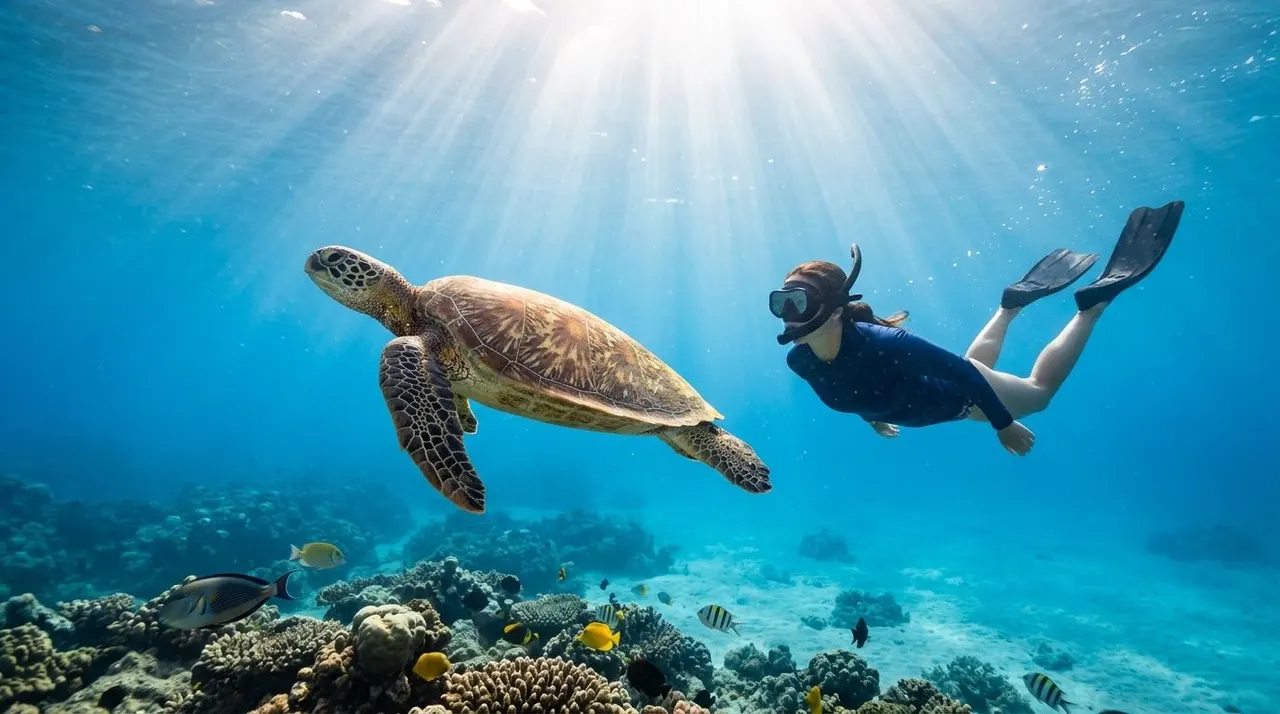
That’s the moment people remember. Not splashing around. Not checking a box. Just floating and watching a wild animal move through clean blue water on its own terms.
Why this spot feels different
Turtle Canyon sits just offshore from Waikiki, and the offshore setting changes the whole experience. The water is often clearer than what most visitors find at shore-entry spots, so even surface snorkelers can get a strong view of the reef and the turtles below.
Reports from snorkel tours at this site consistently note sightings of 5 to 6 turtles or dozens, and one account described seeing at least five immediately after entry, with activity in 20 to 35 feet of water, according to the Hawaii Activities Turtle Canyon guide.
For families, that matters. You don’t need to be an aggressive swimmer or a free diver to enjoy what’s happening beneath you.
Practical rule: The best turtle encounters happen when people slow down, float, breathe steadily, and let the reef come to them.
What guests usually get wrong
A lot of first-timers expect action. Fast swimming. Diving down. Chasing the “perfect” photo.
That approach usually works against them.
What works at turtle canyon oahu is patience. Good guides will position you where you can watch from the surface, keep you relaxed, and help you notice what’s already in front of you. When people settle in, they see more. They also feel safer.
That’s especially important for kids, grandparents, and anyone who’s comfortable in the ocean but not eager for a high-effort swim. Turtle Canyon is one of those rare places where a gentle approach gives you the better experience.
What Exactly Is Turtle Canyon
Turtle Canyon isn’t a canyon in the hiking sense. It’s a shallow reef system offshore from Waikiki, shaped over thousands of years by volcanic activity and erosion.
The reef includes fissures, lava-formed structure, coral growth, sandy patches, and rock fingers that create shelter for marine life. That structure is why the site holds so much activity.
The real reason turtles gather here
The key feature is the turtle cleaning station.
Hawaiian green sea turtles come to specific parts of the reef and hold still while smaller fish remove algae and parasites from their shells. The simplest comparison is to a natural car wash, except every part of it is ecological and necessary.
According to the Hawaii Activities overview of Turtle Canyon, the site is a shallow reef just offshore from Waikiki where reef fish clean the shells of Hawaiian green sea turtles, and tours commonly report many turtle sightings in 20 to 35 feet of water with access by a 10 to 15 minute boat ride.
Why the reef is reliable
Some snorkel spots depend on luck. Turtle Canyon depends on habitat.
The reef gives turtles what they need. Food nearby. Resting space. Cleaning stations. Protected structure. Because of that, turtles return regularly, which is why this site has built a reputation as Oahu’s most dependable place to observe honu in the wild.
Here’s the practical breakdown:
| Feature | Why it matters |
|---|---|
| Offshore location | Usually brings clearer water than crowded beach entries |
| Shallow reef profile | Makes surface viewing realistic for beginners |
| Cleaning station behavior | Creates repeat turtle activity instead of random pass-through sightings |
| Boat access from Waikiki side | Keeps the trip simple for visitors staying nearby |
What it is not
It’s not a place you casually swim to from the beach.
It’s also not a petting zoo. The appeal of turtle canyon oahu comes from seeing natural behavior in a living reef system, not from forcing interaction. People who arrive with that mindset usually leave with a much deeper appreciation for the place.
Your Guided Snorkel Adventure at Turtle Canyon
A guided trip changes everything at Turtle Canyon. The reef is offshore, the entry is from a boat, and most guests enjoy the site much more when a crew handles positioning, safety setup, and wildlife guidance.
That’s why many visitors book a dedicated Turtle Canyons Snorkel Excursion instead of trying to piece the experience together on their own.
What the trip usually feels like
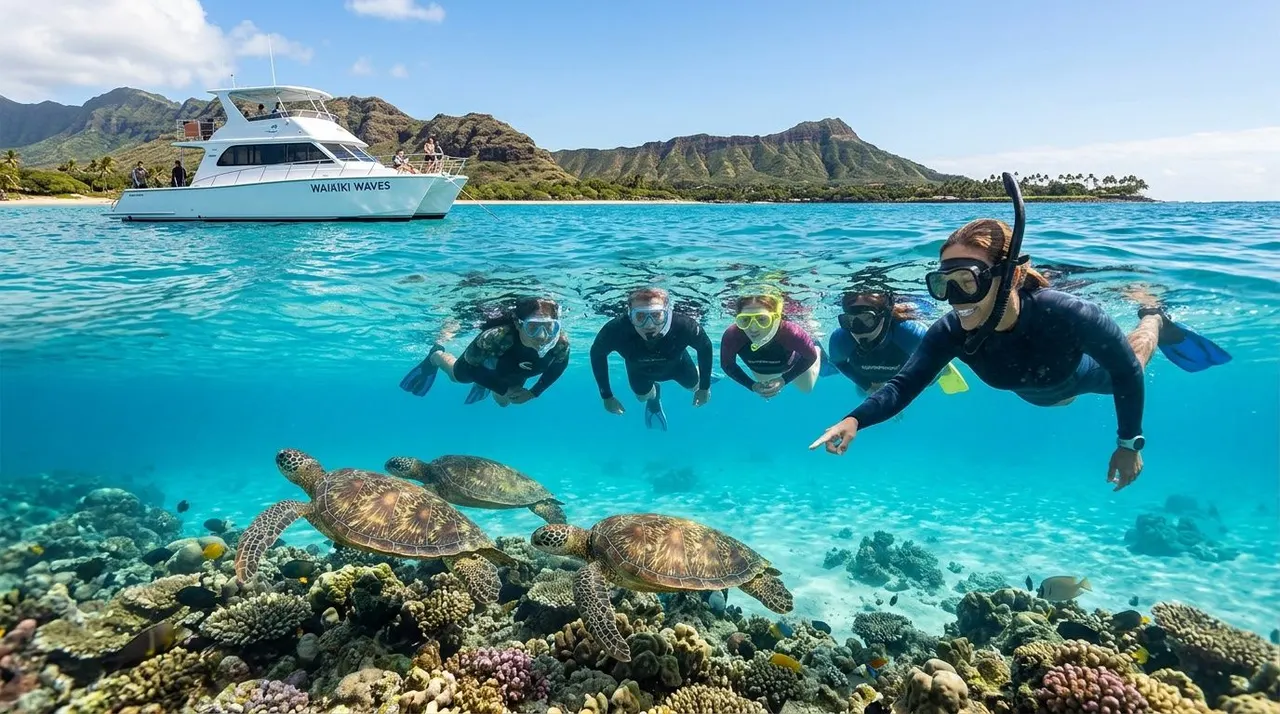
Most days start at Kewalo Basin. The harbor is close to Waikiki, so the logistics are easy even for families managing kids, towels, and vacation timing.
Once underway, the ride to the reef is short. On arrival, the crew gives the briefing that many guests don’t realize they need until they hear it. How to clear a mask. How to float without wasting energy. What to do if deep water makes you tense up. Where to look. How to stay respectful around turtles.
That guidance matters more than fancy gear.
According to the Travel guide to snorkeling in Turtle Canyon Oahu, operators run 2-hour excursions from Kewalo Basin with 45 to 60 minutes in the water, and report 90%+ turtle sighting rates under favorable conditions.
Why a guided crew helps first-timers
A strong crew does four things well:
- They simplify entry so guests aren’t fumbling with masks and fins at the rail.
- They watch body language and catch anxiety early, before it turns into panic.
- They spot marine life faster than most visitors ever will from the surface.
- They enforce space around turtles so people don’t crowd the animals.
Adherence to that last point is mandatory. Good operators don’t let excitement override reef etiquette.
Calm supervision beats confidence every time. In open water, the guest who listens usually has a better snorkel than the guest who thinks they already know how it works.
One operator many visitors consider
For travelers comparing options, Living Ocean Tours operates guided departures from Kewalo Basin and offers snorkel-focused trips along the Waikiki coast. The company is widely known as the top rated and most reviewed snorkel company on Oahu, and that visibility is one reason many visitors shortlist it when they’re comparing operators.
The main thing to look for is not hype. Look for a crew that gives clear safety direction, supports beginners without making them feel awkward, and treats turtle encounters as wildlife observation, not entertainment.
Best Times to Snorkel and What Conditions to Expect
Conditions shape the whole outing at Turtle Canyon more than most visitors realize. A calm morning can feel easy even for nervous first-time snorkelers. A breezier afternoon can require more effort, even when the water still looks inviting from the boat.
What the water is usually like
At Turtle Canyon, the water stays 75 to 80°F year-round, visibility often reaches up to 100 feet, and the reef ranges from 10 to 50 feet deep. Snorkelers can comfortably observe turtles from the surface over the shallower 10 to 30 foot areas, and morning tours are often best before afternoon trade winds and 0.5 to 1 knot currents become more noticeable, according to this guide on the best Turtle Canyon snorkel times.
That tells you two practical things right away. First, the water is warm enough that most visitors settle in quickly. Second, you don’t need to dive down to have a good trip.
Morning versus afternoon
If you ask captains and guides when they’d rather take a first-time snorkeler out, most will say morning.
Here’s why:
- Smoother surface conditions often make it easier to breathe calmly through a snorkel.
- Better light penetration usually helps guests see the reef from the top.
- Less wind chop means less effort for beginners who mainly want to float and look down.
Afternoons can still be good. But if you’re traveling with children, older family members, or anyone uneasy in open water, early departures usually stack the odds in your favor.
How to think about depth
The most common concern I hear is, “I’m nervous because it’s deep.”
That’s understandable. But depth and difficulty are not the same thing.
At turtle canyon oahu, many guests spend the whole session observing from the surface. You’re looking down into the reef, not trying to stand on it. For some people, that first minute in deep blue water feels strange. Once they focus on breathing and keep their face in the water, they usually settle fast.
If deep water makes you tense, don’t fight it. Hold a flotation aid, stay near the guide, and spend your first few minutes just floating and looking down.
Discovering the Vibrant Underwater Ecosystem
The turtles get the headlines, but the reef is what makes the site come alive.
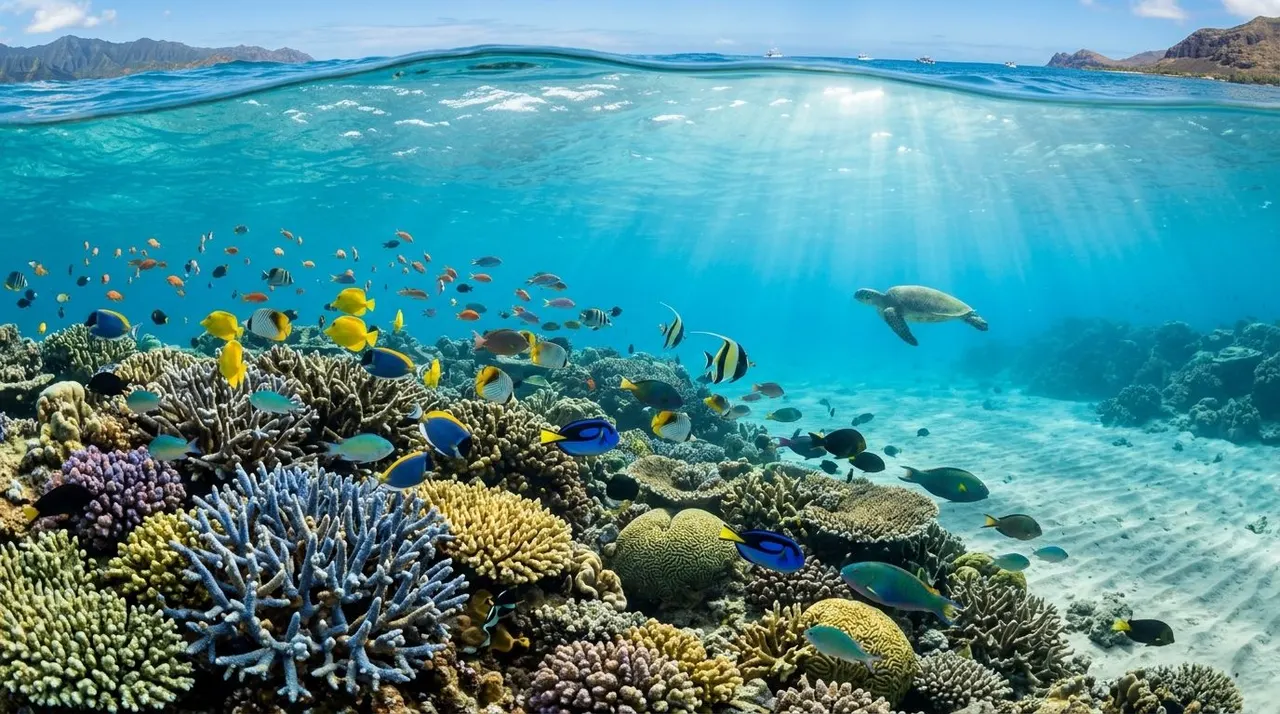
Drop your face into the water and you’ll see layers of movement. Small fish work the coral heads. Others flash in and out of rock pockets. A turtle passes through and the whole scene shifts around it.
The cleaning station in action
The most fascinating part of Turtle Canyon is that the turtle encounter is tied to a specific reef behavior.
Cleaner fish, including gold ring surgeonfish, remove algae, dead skin, and parasites from the turtles. According to the Dive Oahu explanation of Turtle Canyon’s cleaning stations, this symbiotic process can reduce bacterial infections in turtles by up to 40%, and guides on tours often help guests identify over 15 different reef fish species during one trip.
That’s not just interesting biology. It changes how you watch the reef.
Instead of searching only for a turtle silhouette, you start noticing station behavior. A turtle pauses near structure. Small fish gather. The scene gets still. Then the turtle moves on.
What else you may notice
The reef can hold a lot more than one marquee species.
You may spot:
- Butterflyfish weaving around coral heads
- Triggerfish moving with quick, deliberate bursts
- Angelfish and tangs working the reef face
- Coral formations that give the whole area its texture and color
Some guests see plenty because they’re strong swimmers. Others see plenty because they stay relaxed and keep scanning slowly. In practice, the second group often notices more detail.
Why guides make the ecosystem easier to read
Most first-time snorkelers don’t miss fish because the fish aren’t there. They miss fish because they don’t yet know where to look.
A guide can point out the pattern. Look near that coral head. Watch the surgeonfish around that turtle. Check the sandy patch between the rocks. Once your eye catches on, the reef stops looking like blue water over rocks and starts reading like a living system.
That’s when Turtle Canyon becomes more than a turtle stop. It becomes a marine life experience.
A Guide to Safe and Responsible Snorkeling
The safest guests aren’t always the strongest swimmers. They’re the ones who listen, pace themselves, and respect the environment.
Turtle Canyon is sheltered compared with more exposed spots, but it’s still open water. That means safety habits matter from the second you step onto the boat.
Start with your own limits
For first-time snorkelers and families, guided tours help manage the practical risks tied to 20 to 40 feet of water and possible currents, as noted in Living Ocean’s overview of Oahu reef safety. The same conservation discussion also notes that tourist disturbance can displace turtles, which is why no-touch policies matter.
That gives you the right framework. Safety and conservation are not separate topics out here. They overlap.
What works in the water
These habits make the biggest difference:
- Use flotation without ego. A vest or other flotation aid helps you relax and keeps your breathing steady.
- Keep your kicks small. Big frantic kicking burns energy fast and stirs up anxiety.
- Tell the crew early if you’re uneasy. Don’t wait until you feel overwhelmed.
- Look down, not around constantly. Scanning every direction can make nervous snorkelers feel disoriented.
A lot of panic starts with one small issue. Water in the mask. Fast breathing. Feeling far from the boat. Good crews handle that quickly, but guests help themselves by speaking up right away.
Stay ahead of discomfort. The moment something feels off, signal the guide and reset before it becomes a bigger problem.
The non-negotiable turtle rules
This part is simple.
- Keep your distance
- Don’t touch turtles
- Don’t chase them for photos
- Don’t block their path
- Don’t stand on coral or grab reef structure
Responsible viewing is what protects both the guests and the honu. A turtle that changes direction because a swimmer crowded it is no longer acting naturally. Once enough people do that, the site stops functioning the way it should.
Families and first-timers
Families usually do well when adults set the tone early. Don’t frame the trip as a performance. Frame it as a float, a look, and a chance to observe.
For children, simple rules work best. Stay with the guide. Keep your face in the water when you’re ready. Use the float. Watch, don’t chase. That approach gives kids confidence without loading them up with too much information at once.
How to Prepare for Your Turtle Canyon Snorkel Trip
A good snorkel day usually starts the night before. Pack light, eat sensibly, and don’t assume you’ll “figure it out at the dock.”
The simplest preparation tends to work best, especially for families.
What to bring
Recent 2026 reporting cited a 12% dip in juvenile turtle sightings at some South Shore sites due to increased boat traffic, and the same conservation discussion points to reef-safe sunscreen and reduced pollution impact as part of responsible visitor behavior, as noted in this guide on what to wear and bring for Turtle Canyon Oahu clothes and prep.
That’s a good reminder that what you pack affects more than your comfort.
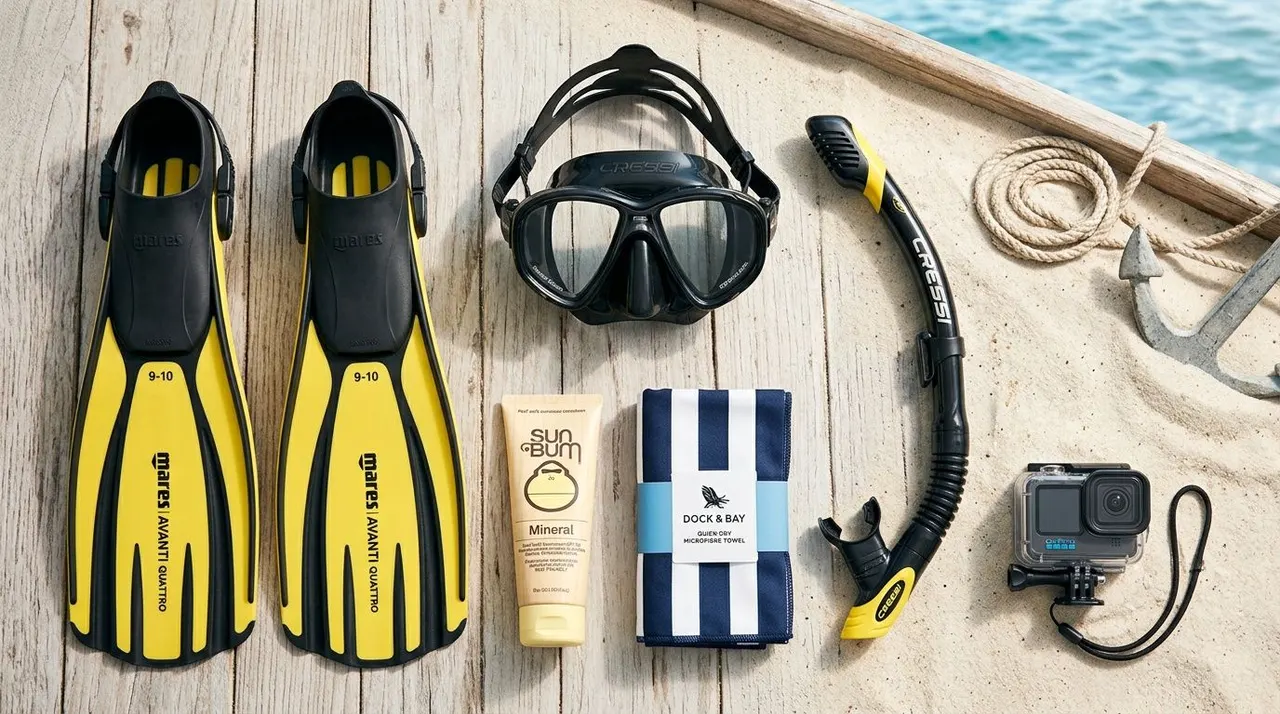
Bring:
- Swimwear you can move in. Avoid anything you’ll keep adjusting in the water.
- A towel and dry clothes for the ride back.
- Reef-safe sunscreen applied before boarding when possible.
- A reusable water bottle if your operator allows it.
- An action camera or waterproof phone setup if you want photos without fuss.
What to leave behind
Leave anything on shore that can blow away, break easily, or distract you once you’re in the water.
That includes:
- Bulky bags you don’t need
- Jewelry you’d hate to lose
- Complicated camera rigs if you’ve never used them before
- The idea that more gear means a better snorkel
Tips that help families
If you’re bringing children, prep them with the right expectations.
Tell them three things:
- The water is deep, and that’s okay.
- They don’t need to dive down to see turtles.
- The goal is to float calmly and look.
If someone in your group gets motion-sensitive, handle that before boarding, not after the boat leaves the harbor. It’s a small step that can make the day much smoother.
Frequently Asked Questions About Turtle Canyon
Can I snorkel Turtle Canyon without a tour
Not realistically for most visitors. Turtle Canyon is offshore, and the practical way to access it is by boat with a licensed operator. For the average traveler staying in Waikiki, a guided trip is the safe and workable option.
What if I’m not a strong swimmer
That doesn’t automatically rule you out.
Many guests do well because they use flotation, stay near the guide, and focus on surface observation instead of trying to swim hard. The key is choosing a crew that’s comfortable supporting beginners and being honest about your comfort level before you get in.
Is Turtle Canyon suitable for kids
It can be, especially for families who choose calm conditions and a beginner-friendly boat crew. The best fit is usually a child who can listen to instructions, stay close to an adult or guide, and stay calm with a mask on in open water.
Kids don’t need to be expert swimmers to enjoy the reef. They do need supervision and simple expectations.
How likely am I to see turtles
Turtle Canyon has a strong reputation for sightings because turtles use the reef regularly. Wildlife is never something anyone should promise as a certainty, but this site is known for consistent turtle activity.
Will the deep water feel scary
For some people, yes, at first.
That feeling usually fades once they start floating, keep their breathing slow, and focus on the reef below instead of the open water around them. Deep water can look intimidating from the boat. In the water, with a mask on and proper support, many first-timers settle in quickly.
What’s the biggest mistake first-time snorkelers make
Trying too hard.
They kick too fast, lift their head constantly, and burn through energy in the first few minutes. The better approach is slow breathing, easy floating, and letting the guide help with positioning.
What should I prioritize when choosing a tour
Prioritize safety briefing quality, beginner support, wildlife etiquette, and crew attentiveness. A shorter, better-run trip usually beats a longer trip with weak instruction.
If you want a guided way to experience turtle canyon oahu with a crew that focuses on snorkeling, wildlife viewing, and Waikiki departures, take a look at Living Ocean Tours. Their turtle-focused trips are built around safe entry, clear instruction, and respectful time in the water, which is exactly what most families and first-time snorkelers need.


