
Turtle Canyon Oahu Snorkel Guide 2026: The Ultimate Trip
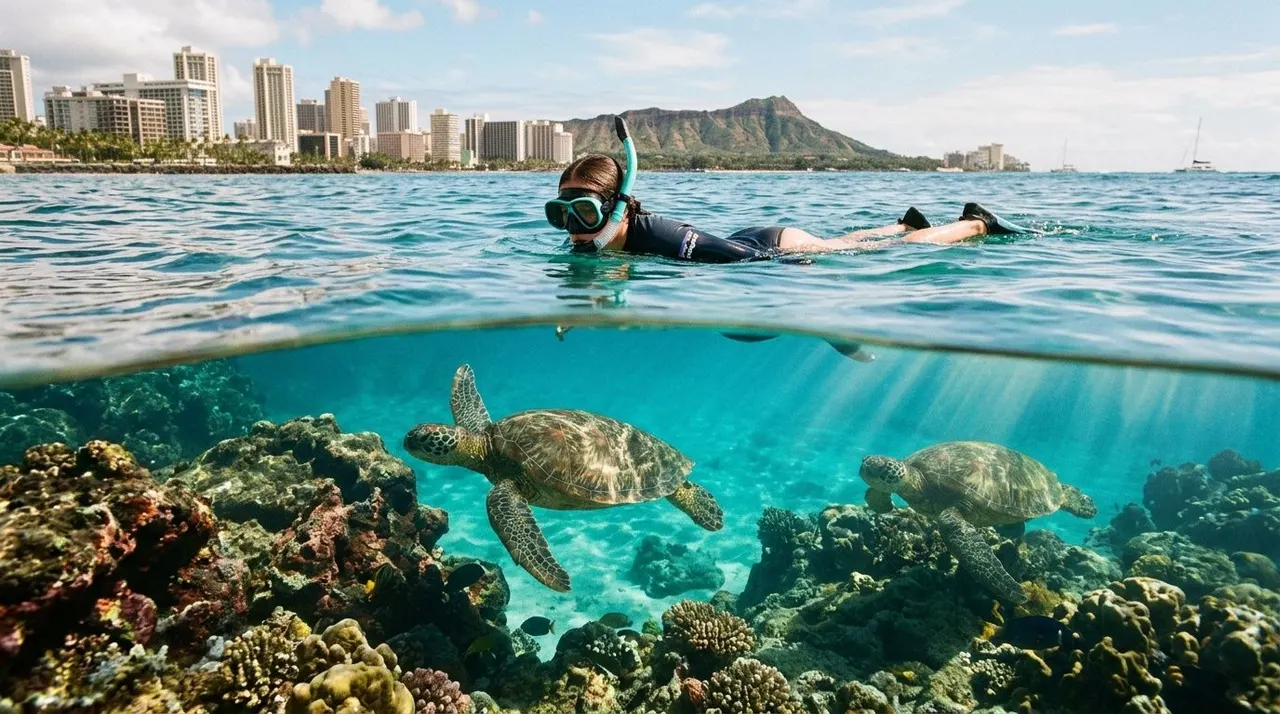
You're probably looking at turtle canyon oahu because you want the classic Hawaii snorkel day. Clear water, sea turtles, a boat ride off Waikiki, and an outing that works for both confident swimmers and family members who just want a safe, well-run experience. That's exactly why this spot gets so much attention.
The part most visitors miss is that Turtle Canyon isn't just a pretty snorkel stop. It's an offshore reef with real timing trade-offs, real safety considerations, and real etiquette rules that matter if you want the experience to be good for both your group and the turtles. The right trip feels easy. The wrong plan usually involves rougher water, rushed decisions, or treating wildlife like a photo prop.
What Is Turtle Canyon and Where Is It Located
Turtle Canyon is a shallow offshore reef system just off Waikiki on Oahu's south shore. Reported depths generally range from about 10 to 45 feet, which is a big reason snorkelers can see so much from the surface without needing scuba gear, as noted by Kona Honu Divers' Turtle Canyon overview.
Why it's called a canyon
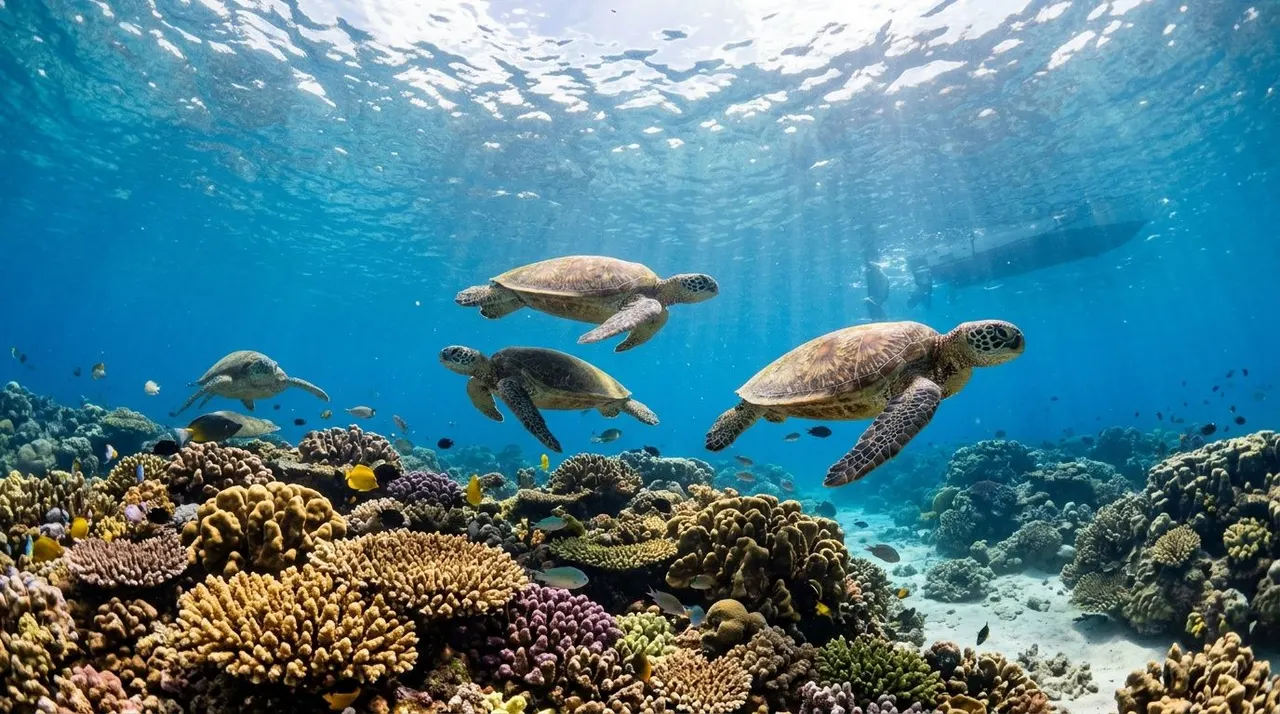
Don't expect a giant underwater trench. The “canyon” name comes more from the reef structure than from dramatic depth. Ancient lava rock formations created ledges, ridges, and small cave-like features over a long period of time, giving the bottom a broken, layered shape instead of one flat reef shelf.
That structure matters once you put your face in the water. It creates texture, shelter, and reef habitat, which is why the area holds more life than a plain sandy bottom ever could.
Why snorkelers like this site so much
A lot of Oahu turtle sightings happen by chance. Turtle Canyon works differently. It's close to Waikiki, reached by boat, and shallow enough that beginners, casual swimmers, and kids can stay near the surface while still getting a clear view of what's happening below.
That's the sweet spot for family snorkeling. Deep enough to support a healthy reef. Shallow enough that you don't spend the whole trip squinting into blue water.
If you want a closer look at the site layout and how local operators describe it, this Turtle Canyon Oahu guide is useful background reading before you book.
Practical rule: Turtle Canyon makes sense for snorkelers because it gives you an offshore reef experience without requiring advanced dive skills.
What the location means in real life
Because it sits offshore rather than right off the beach, the experience feels cleaner and more organized than many shore entries. You skip the awkward scramble over rocks or the surf-zone start that can tire people out before the fun part begins.
For visitors staying in Waikiki, that convenience is a big deal. You're not driving across the island to gamble on shore conditions. You're taking a short boat run to a known reef area that was practically made for guided snorkeling.
Why Turtle Canyon Is Oahu's Premier Turtle Hotspot
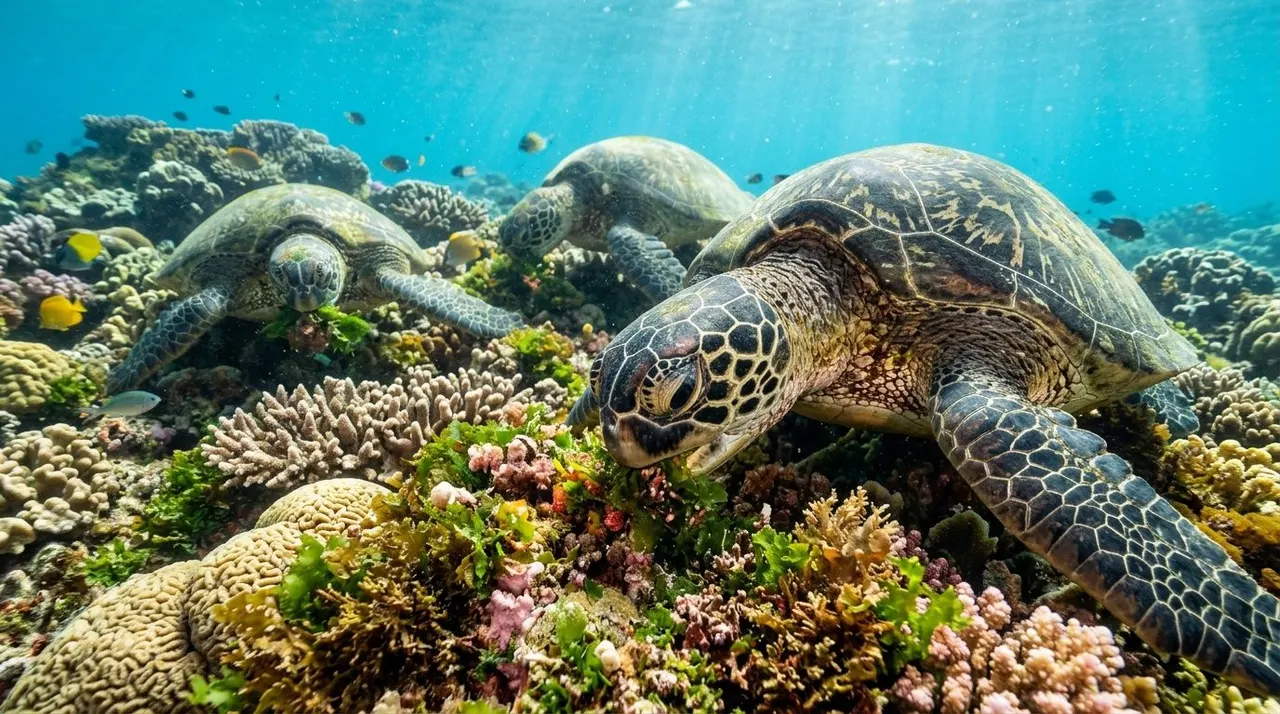
The main reason turtle canyon oahu has such a strong reputation is simple. Turtles return here for a purpose. This reef functions as a natural cleaning station, where reef fish remove algae and parasites from Hawaiian green sea turtles, or honu. Local tour operators cited by Hawaii Activities report turtle sighting rates of 95% to 98% at the site in their Turtle Canyon travel guide.
The underwater behavior that makes the site special
This is why Turtle Canyon feels different from random turtle snorkeling. You're not hoping one cruises by. You're visiting a reef area where turtles repeatedly come back to get cleaned.
When snorkelers stay calm on the surface, they sometimes get to watch the full sequence. A turtle settles over the reef. Small fish work around the shell and skin. Then the turtle rises and moves off at its own pace. That's a much richer experience than chasing a passing animal through open water.
The best Turtle Canyon views usually go to the people who slow down first.
Why honu matter in Hawaii
The site carries cultural weight too. Multiple tour sources describe the area as culturally significant, and honu are commonly associated with protection, longevity, and ancestral guardianship in Hawaiian tradition. Some accounts also connect Turtle Canyon to the Maui creation legend.
That doesn't change how you snorkel, but it should change how you think about the day. This isn't just a wildlife stop. It's one of those places where natural behavior and local meaning overlap.
What works and what doesn't
A few habits improve the experience right away:
- Float first: Relaxing on the surface helps you spot movement on the reef.
- Watch the whole scene: Don't lock onto one turtle and ignore the fish activity around it.
- Stay patient: Turtle Canyon rewards steady observation more than constant swimming.
What usually backfires is the opposite.
| Approach | What happens |
|---|---|
| Calm surface floating | Better visibility into the reef activity |
| Slow scanning over structure | More chances to notice turtles already below you |
| Kicking hard toward every sighting | Turtles move off and snorkelers tire out quickly |
The most memorable trips don't feel frantic. They feel quiet, observant, and respectful.
Planning Your Visit The Best Times and Conditions
If you only remember one planning tip, make it this one. Morning is usually the better call. Operators note that mornings often bring calmer seas and clearer water at Turtle Canyon, with visibility that can exceed 100 feet when conditions line up, according to Kona Honu Divers' timing guide.
Why mornings usually win
Off Waikiki, the ocean can change quickly through the day. Early departures often benefit from lighter wind, less surface chop, and cleaner viewing into the water column. That matters more at an offshore reef than many first-time visitors realize.
A turtle can be right below you, but if the surface is sloppy and the water is ruffled, your view gets worse fast. Families especially notice this. Kids and casual swimmers don't want to fight bounce, glare, and splashing while trying to enjoy their first snorkel.
If you want a planning breakdown focused on timing, this guide on the best time for turtle snorkeling on Oahu is worth reading before you choose a departure.
Best for sightings versus best for comfort
These aren't always the same question.
Turtles use the area consistently, but your experience depends on the water you get that day. So when people ask, “What's the best time to go?” I usually separate it into two decisions:
- Best for easier snorkeling: Morning.
- Best for first-timers and families: Also morning.
- Best for photos and clearer reef viewing: Usually morning again.
That doesn't mean every later trip is bad. It means the trade-off becomes less predictable as the day goes on.
Book for comfort first. Good ocean conditions improve almost every part of the snorkel.
What to watch for when booking
Don't just look at the tour length or the price. Think about the kind of day you want.
- If you've got younger kids: Choose the earliest practical departure.
- If anyone in your group gets nervous in open water: Favor calmer morning conditions.
- If your goal is easy reef viewing: Put visibility ahead of schedule convenience.
Here's the mistake I see most often. Visitors plan the rest of the day first, then squeeze snorkeling into whatever slot is left. With Turtle Canyon, it works better the other way around. Build your day around the better water window, then do lunch and beach time later.
How to Experience Turtle Canyon The Right Way
Turtle Canyon is not a casual shore snorkel. It's an offshore reef reached by boat, and that changes the planning completely. If you want to do it safely, comfortably, and without wasting energy before you even start, a guided boat trip isn't just helpful. It's the practical option.
Why DIY doesn't make much sense here
From shore, the idea sounds simple enough. Swim out, find the reef, snorkel around, come back. In real conditions, that plan falls apart fast.
You're dealing with distance, boat traffic, current, navigation, and the basic fact that most visitors don't know exactly where to position themselves over the productive part of the reef. By the time an inexperienced person figures all that out, they're often tired, off target, or uncomfortable.
If you want a better sense of the offshore setup, this article on Turtle Canyon snorkel distance helps explain why the site is typically approached by tour boat.
Guided tour versus DIY at Turtle Canyon
| Feature | Guided Tour | DIY Attempt |
|---|---|---|
| Getting there | Boat takes you directly to the reef | Long open-water effort and route uncertainty |
| Safety support | Crew briefing, flotation, in-water oversight | You handle conditions on your own |
| Finding the right area | Captain and guides know the site | Easy to miss the best part of the reef |
| Energy use | Save your effort for snorkeling | Spend effort just reaching the area |
| Wildlife etiquette | Structured guidance around turtles | Higher chance of crowding or poor approach |
What a good operator should provide
You don't need fancy extras. You need a crew that runs a clean, calm morning.
Look for these basics:
- Clear safety briefing: Entry, exit, current awareness, and wildlife spacing should be covered before anyone hits the water.
- Proper gear: Mask, snorkel, fins, and flotation should be ready to go and easy for beginners to use.
- In-water support: This matters for nervous swimmers and kids.
- Strong wildlife rules: The crew should actively protect turtle space, not just mention it once and forget it.
One practical option is Living Ocean Tours' Turtle Canyons Snorkel Excursion, which departs from the Waikiki area and includes guided snorkeling at the reef.
The company is often described as the top rated and most reviewed snorkel company on Oahu.
What works on the boat
The smoothest trips usually follow a simple pattern. Show up hydrated. Listen to the briefing. Get your mask adjusted before the boat reaches the site. Use flotation if you need it and don't treat that as a weakness.
What doesn't work is trying to prove something. Strong swimmers who ignore the briefing often create more problems than first-timers who listen carefully. The ocean doesn't care how athletic you are. It rewards people who stay calm and organized.
Responsible Snorkeling A Guide to Turtle Etiquette
Turtle Canyon only stays special if visitors act like guests in the turtles' habitat. That means keeping the experience centered on observation, not interaction. The area is popular, and that popularity puts pressure on the same natural behavior people came to see.
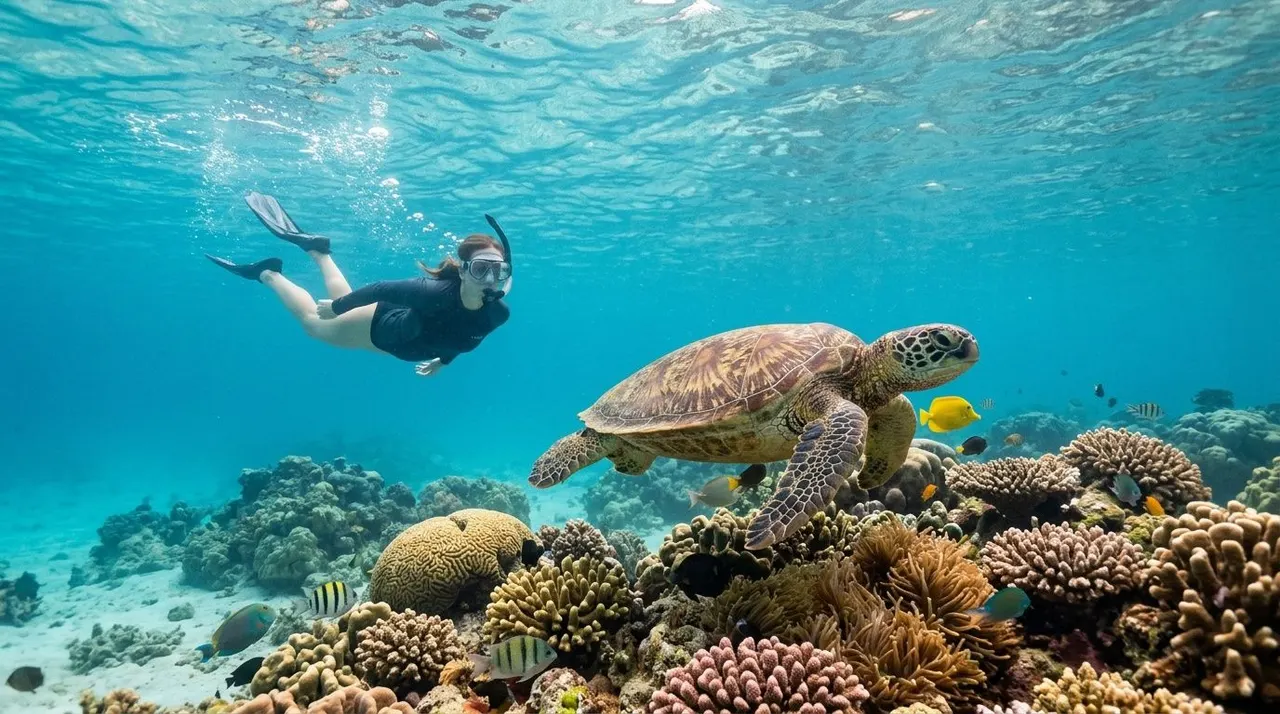
As noted by And You Creations in its Turtle Canyon Oahu guide, responsible practices include never touching, chasing, or feeding turtles, and keeping a respectful distance so you don't interrupt the cleaning behavior that makes the site unique.
The basic rules that matter most
A short rule list goes a long way here:
- Never touch a turtle: Not if it swims near you. Not for a photo. Not ever.
- Don't chase or corner one: If you have to close distance aggressively, you're doing it wrong.
- Keep clear of its path: Turtles need space to surface and move naturally.
- Avoid crowding the cleaning area: Let the reef activity happen without a ring of snorkelers tightening around it.
If you want to understand the legal side along with the practical side, this overview of Hawaii turtle laws is a helpful reference.
Why etiquette gives you a better trip
A lot of people hear wildlife rules and think “restriction.” In the water, the opposite is usually true. Good etiquette improves the experience.
When snorkelers hold position and give space, turtles stay on their own routine longer. You get to watch natural movement instead of seeing an animal peel away because people rushed it.
Back off sooner than feels necessary. The view is often better from a little farther away.
Small habits that protect the reef too
Turtle etiquette isn't only about the turtle. It's about body control in the water.
Try these habits:
- Short kicks: They reduce accidental drifting into coral or another swimmer.
- Horizontal floating: Easier to observe, easier to control.
- Heads-up awareness: Look around between face-down viewing so you don't drift into the action zone.
- Simple gear handling: Keep cameras and accessories from turning into distractions.
The best snorkelers at Turtle Canyon rarely look dramatic from the surface. They look relaxed, aware, and unhurried. That's usually the group seeing the most.
Your Turtle Canyon Trip Checklist and Family Tips
The easiest Turtle Canyon mornings start the night before. Pack light, pack smart, and don't bring half your hotel room onto the boat. You'll likely need less gear than you think and more sun protection than you expect.
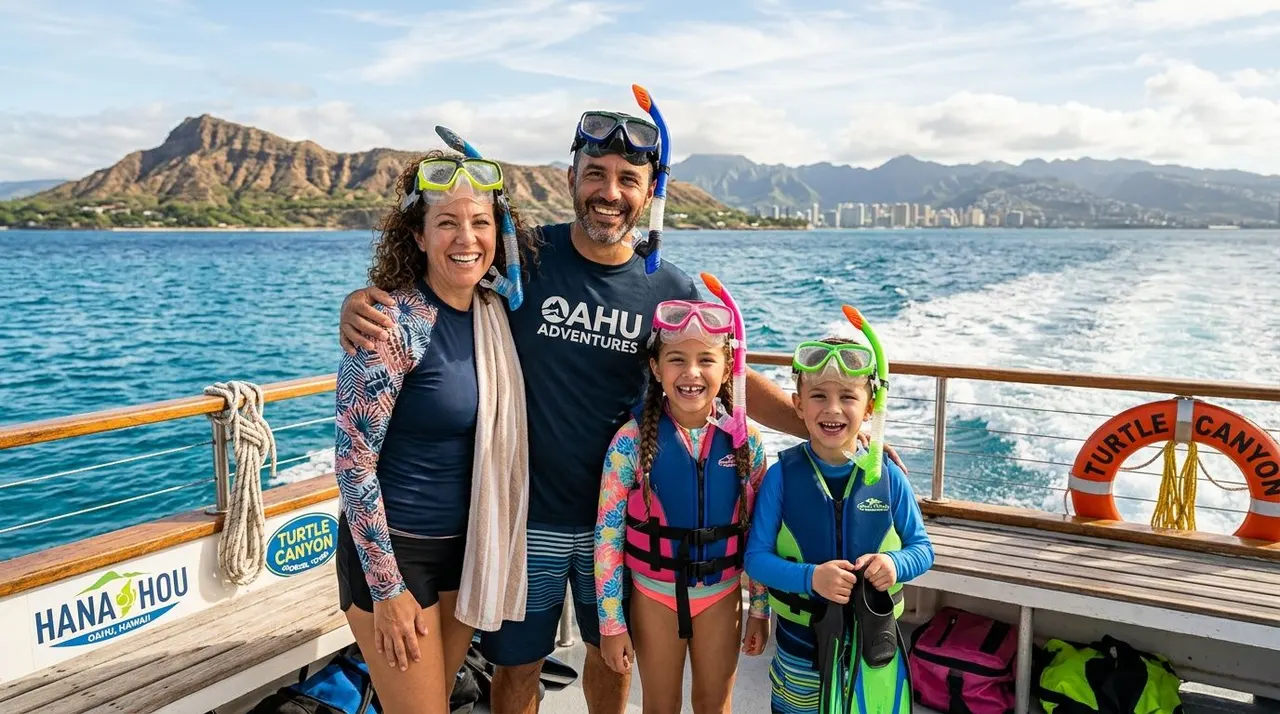
For a more detailed version, this Turtle Canyon packing list is a useful pre-trip check.
What to bring
A solid boat-snorkel setup usually looks like this:
- Swimwear you can move in: Choose something comfortable enough for climbing a ladder and floating for a while.
- Towel and dry clothes: The ride back feels better when you've got something dry waiting.
- Sun protection: Reef-safe sunscreen, hat, and sunglasses make a difference before and after the snorkel.
- Waterproof phone case or camera: Nice to have if you already know how to use it.
- Personal medication: Bring anything you may need for motion sensitivity or routine use.
What you usually don't need
Visitors often overpack these trips. That creates clutter and stress.
You generally don't need to bring your own full snorkel setup if your operator provides gear. You also don't need bulky bags, extra shoes, or a long list of “just in case” items that stay untouched under a bench.
For families, less stuff usually means a smoother boarding process and a calmer start.
Family tips that work well
Kids and grandparents can absolutely enjoy turtle canyon oahu together. The trick is pacing the morning correctly.
| Situation | Best move |
|---|---|
| Young kids feel excited and distracted | Get them fed, sunscreened, and ready before boarding |
| First-time snorkelers feel nervous | Use flotation right away instead of waiting |
| Multi-generational groups move at different speeds | Let each person enjoy the water at their own pace |
| Someone gets tired quickly | Keep the goal simple, float and observe |
A family snorkel goes better when nobody treats it like a performance test.
A few captain-style reminders
Eat lightly. Hydrate early. Don't spend the boat ride staring at your phone if motion bothers you. Get help with your mask fit before you enter the water, not after.
And set expectations the right way. The win isn't “everybody becomes a hardcore snorkeler today.” The win is that everyone feels safe, sees the reef, and comes back smiling.
Frequently Asked Questions About Turtle Canyon
What if I'm not a strong swimmer
That's common, and it doesn't automatically rule out the trip. Guided boat snorkels usually work well for casual swimmers because crew members can help with basic instruction, mask setup, and flotation support.
The key is to be honest before you get in. Tell the crew you're nervous or rusty. People who speak up early usually settle in faster than people who try to fake confidence.
How long is the ride and what does it feel like
The run out from the harbor near Waikiki is generally short, which is one reason Turtle Canyon works so well for families and first-timers. You get the boat experience without turning the day into a long offshore crossing.
Conditions still matter, though. A short ride on a calm morning feels easy. A short ride with more chop can feel longer than expected if someone is prone to motion discomfort.
What else might you see besides turtles
The reef itself is part of the appeal. Snorkelers often see tropical reef fish moving through the ledges and rock structure around the cleaning area. Even when the turtles are the headline, the full underwater scene is what makes the site memorable.
That's another reason calm observation works better than constant swimming. The more settled you are, the more of the reef you notice.
Is Turtle Canyon good for kids and older adults
Usually, yes, if the trip matches the group. Morning departures are often the easiest fit for comfort, and guided tours help because boarding, gear, and in-water support are more structured than a beach entry.
For older adults, the biggest factors are comfort in open water and ease getting on and off the boat. For kids, it's attention span, mask comfort, and willingness to follow directions.
What's the single best way to improve the experience
Book the trip for the morning, arrive organized, and treat the turtles with patience from the first minute in the water. Most problems at Turtle Canyon start before the first sighting. People are rushed, underprepared, or too eager once they see a turtle below them.
The good trips feel steady all the way through. Calm boat ride. Clear briefing. Easy entry. Relaxed surface time. Respectful wildlife viewing.
If you want a guided Waikiki departure focused on snorkeling and marine life, Living Ocean Tours is one option to consider when planning your day on the water.


