
Turtle Canyon Oahu the Ultimate Snorkel Guide 2026
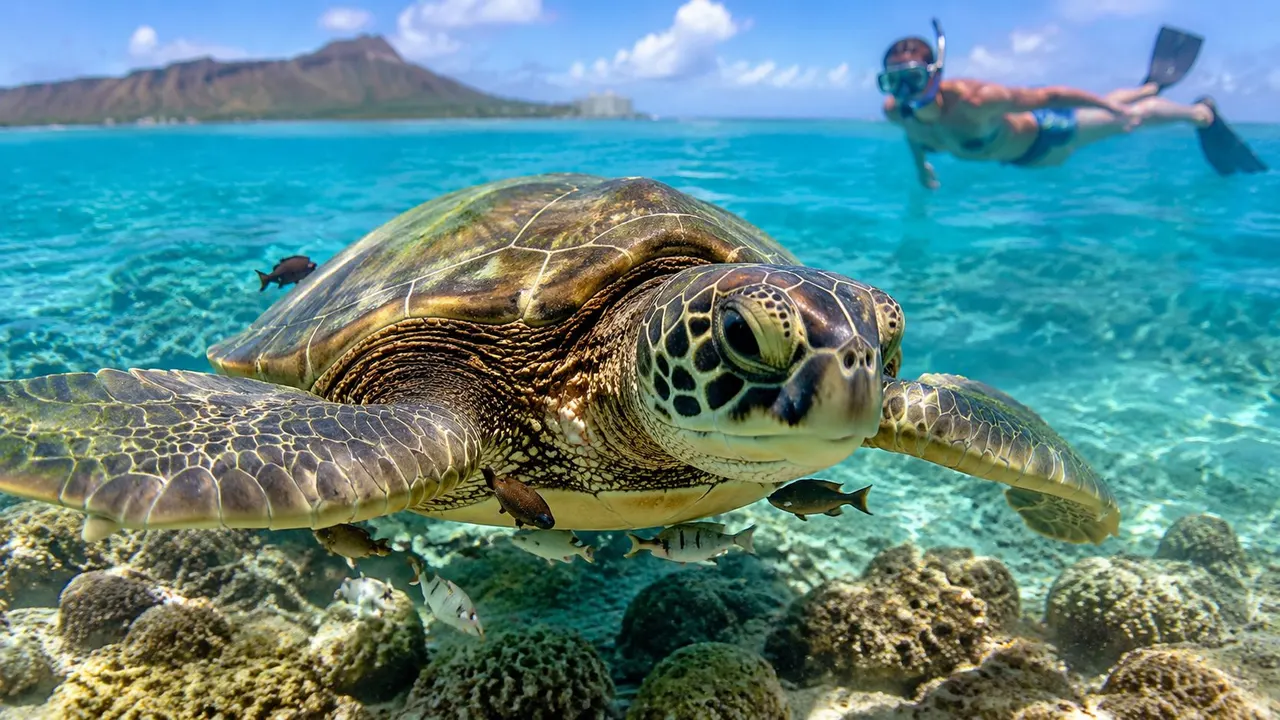
You're probably in the same spot as a lot of Waikiki visitors. You've seen the turtle photos, you've heard someone say “just book Turtle Canyon,” and now you're trying to figure out what that means before you commit a morning of your trip to it.
That's the right instinct. Turtle Canyon Oahu is one of those names that gets repeated so often that people stop asking the useful questions. Is it really a canyon? Can you get there from the beach? Is it good for beginners? Is it worth doing if your main goal is seeing honu without turning the day into a big production?
The short answer is yes, it can be a great choice, but only if you understand what kind of snorkel it is. This is not a shore snorkel. It's not a free-swim beach spot. And it's not famous because of dramatic underwater cliffs. It's famous because turtles return to this reef for a very specific reason.
Your Guide to Snorkeling with Turtles at Turtle Canyon
If your goal is to snorkel with turtles near Waikiki, Turtle Canyon usually comes up first, and for good reason. It's the best-known offshore turtle snorkel in this part of Oahu, but the name throws people off. It sounds like a dramatic underwater trench. It isn't.
Independent guides describe it as a shallow reef system, not a dramatic canyon, and that's the detail most first-time visitors miss. The name likely stuck because the site became known for reliable turtle encounters compared with random shore spots, not because of canyon-like topography, as explained in this Turtle Canyon Oahu overview.
What matters is the behavior. Turtles use this reef as a cleaning station, so you're not just hoping one cruises by. You're visiting a spot where honu have a reason to return. That changes the whole experience and makes expectations much easier to set.
The smart way to think about Turtle Canyon is simple. You're booking a wildlife viewing site built around repeat behavior, not chasing a lucky sighting.
If you want a wider look at nearby turtle options before deciding, this guide on where to see turtles in Oahu helps put Turtle Canyon in context.
What Exactly Is Turtle Canyon and Where Is It
Turtle Canyon sits off Oahu's south shore, not on Waikiki Beach itself. That distinction matters, because a lot of visitors assume it's some marked cove they can walk to with a mask and fins. It's not.
According to this Turtle Canyon location guide, the site is an offshore reef area that visitors compare with other Waikiki marine spots when figuring out access and transit time.
Why the name confuses people
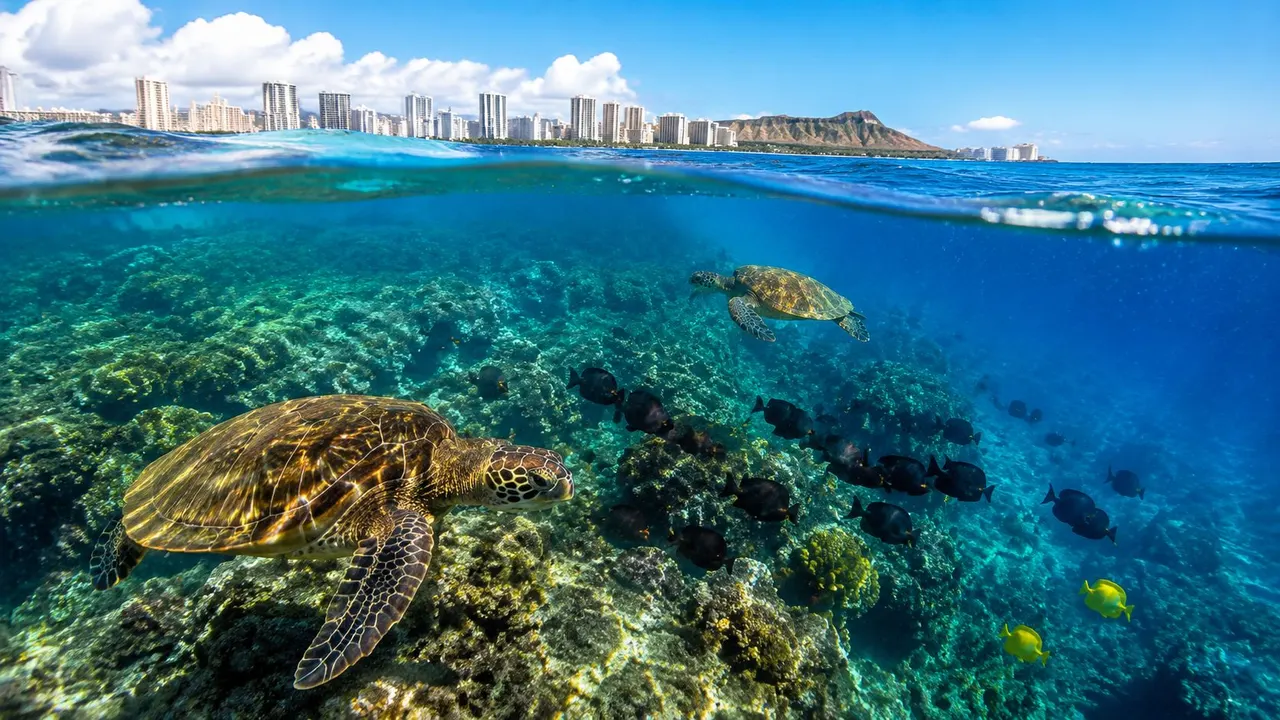
Turtle Canyon is widely described as being about 2.5 miles offshore from Waikiki, which means you can't reach it from the beach and must visit by boat. Its south shore position places it in the sheltered lee of Diamond Head, where operators report calm water and visibility often exceeding 100 feet, according to this Turtle Canyon Waikiki location article.
That's one reason the site became so popular with families and first-time snorkelers. The boat ride is manageable, and once you're there, the setup favors surface viewing rather than hard swimming.
A lot of people arrive expecting cliffs, swim-throughs, or a dramatic drop-off. That's not the draw here. The draw is a reef that repeatedly attracts turtles.
Why turtles keep coming back
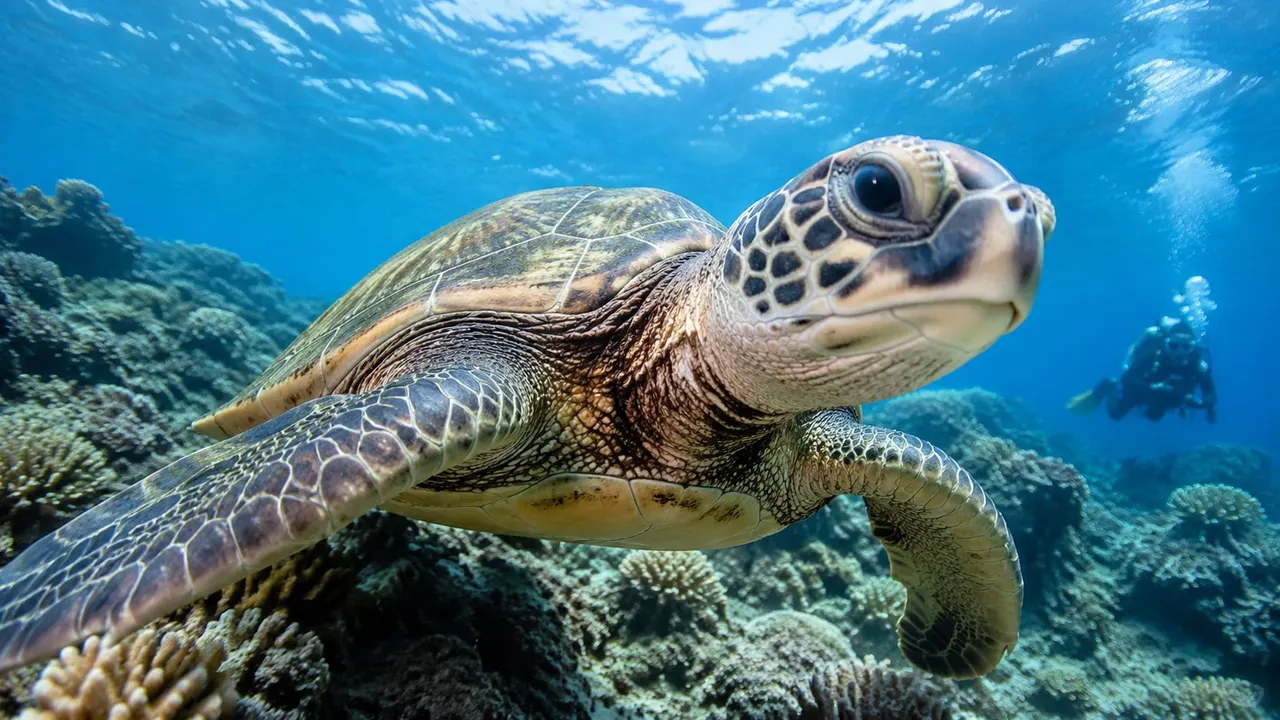
The practical term to know is cleaning station. It functions as a service stop on the reef. Hawaiian green sea turtles visit while smaller reef fish remove algae and parasites from their shells and skin.
That repeated fish-turtle interaction is what made Turtle Canyon Oahu famous. This isn't random luck the way shore snorkeling can be on some days. The reef supports a behavior pattern that brings marine life back into a relatively compact area.
Here's the simplest breakdown:
- It's offshore: You need a boat, not beach access.
- It's shallow reef: The experience is built around looking down from the surface.
- It's a cleaning station: Turtles return for a biological reason.
- It rewards observation: Floating calmly works better than chasing movement.
If you understand that Turtle Canyon is a cleaning station first and a “canyon” second, the whole trip makes more sense.
How to Visit Turtle Canyon A Guided Tour Is Essential
There's no practical shore entry for Turtle Canyon. That alone answers the biggest planning question. If you want to snorkel there, you need a boat.
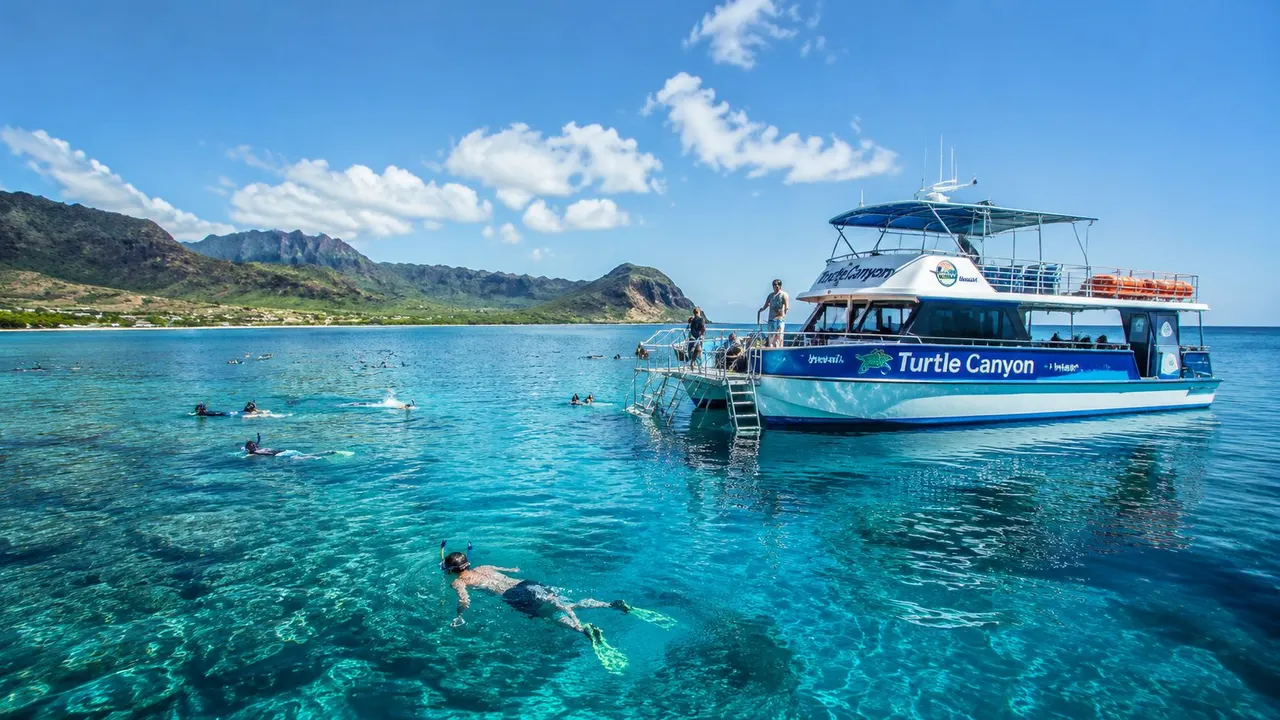
More than that, you need the boat positioned correctly over the habitat. Turtle Canyon is an offshore shallow reef and turtle cleaning station reached only by boat, and the experience depends on precise boat placement over the area where these fish-turtle interactions occur predictably, which is why guided tours are the standard, as noted by TurtleCanyon.org's location explanation.
Why DIY doesn't make sense
Visitors sometimes picture renting gear and improvising the rest. That works at some beach sites on Oahu. It does not work here.
The issue isn't just access. It's the combination of offshore location, active boat area, site-specific positioning, and the fact that the experience is better when someone on the crew knows how to set the group up without crowding the wildlife.
A DIY plan usually fails on one of these points:
- No direct access: You can't swim out from Waikiki for a realistic family snorkel day.
- No reliable positioning: Being “near” the reef isn't the same as being over the right part of it.
- No in-water support: Beginners often need help with masks, breathing rhythm, or simple reassurance.
- No wildlife guidance: Turtles are easiest to enjoy when someone shows you how to drift and watch instead of pursuing them.
What a good guided trip changes
A solid operator handles the parts visitors tend to underestimate. Briefing. Gear fit. Entry timing. Group spacing. Calm coaching once people hit the water.
If you're comparing options, this page on Oahu snorkeling tours and guides is useful because it reflects the practical differences between just getting a ride and getting actual support in the water.
The biggest benefit is simple. You get to spend your attention on the reef, not on logistics.
Why Living Ocean Tours Is Your Best Choice
Choosing a Turtle Canyon trip near Waikiki usually comes down to one practical question. Who runs a calm, well-managed snorkel for the kind of day you want?
At this site, the operator shapes the experience almost as much as the location. Turtle Canyon is reliable because turtles use the reef as a cleaning station, but that does not mean every boat visit feels the same. Good crews space people out, keep first-timers from getting flustered, and protect the turtles from the usual rush of swimmers trying to get too close.
Living Ocean Tours is one Waikiki-area operator that runs trips built around this specific stop. For visitors staying nearby, that matters. A shorter run to the site usually means an easier morning, and a crew that visits Turtle Canyon regularly tends to read the conditions and pace the group better.
What to look for in an operator
I'd judge a Turtle Canyon boat on a few simple things.
- A clear pre-snorkel briefing: Guests should understand that this is a turtle cleaning station, how to watch without chasing, and what the crew expects once everyone is in the water.
- Real beginner help: Mask fit, fin sizing, entry nerves, and breathing rhythm can make or break the first ten minutes.
- Active in-water supervision: People spread out better, stay calmer, and enjoy more when crew members are watching the group instead of only driving the boat.
- A Turtle Canyon-focused plan: Some trips treat the stop as one item on a longer outing. Others build the timing around getting people in the water when the site is working well.
That last point is easy to miss when you're booking online. If you want more context on how operators pace the stop itself, this guide to how long you actually snorkel at Turtle Canyon helps set expectations.
A practical option near Waikiki
The Turtle Canyons Snorkel Excursion is a relevant example because it is centered on the Turtle Canyon experience itself. That is a better match for travelers whose main goal is to see honu at the cleaning station, not split attention across several different activities.
That focus has real trade-offs. A dedicated turtle snorkel is usually the better call for guests who care most about time in the water, wildlife guidance, and a cleaner plan from briefing to reboarding. Broader catamaran outings can be fun, but they serve a different kind of day.
Below is the review widget requested for Living Ocean Tours.
What to Expect on Your Turtle Snorkel Adventure
Most Turtle Canyon mornings are pleasantly simple. You check in, get settled on the boat, listen to the safety and wildlife briefing, and head out along the Waikiki coastline. Because the site is offshore rather than remote, it fits well into a half-day plan.
If you're curious how operators break down the in-water portion, this page on Turtle Canyon snorkel time gives useful context around how the outing is paced.
From check in to splash in
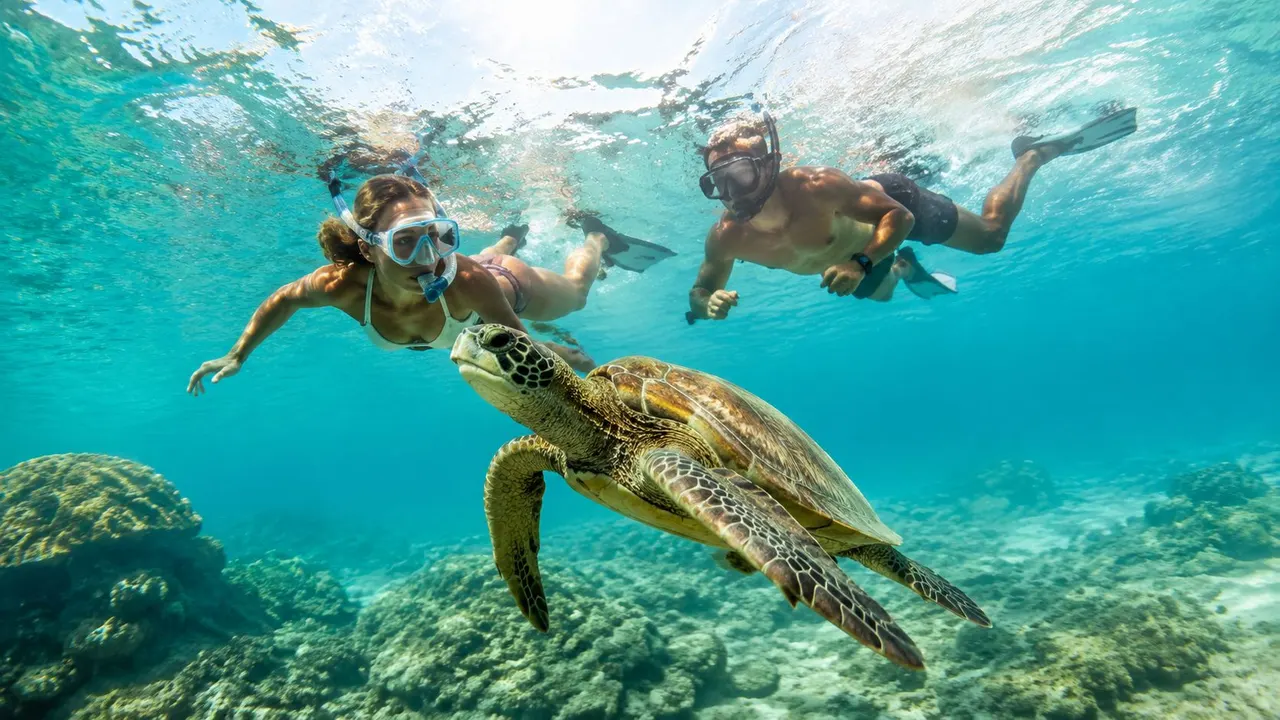
Tours to Turtle Canyon commonly report a 98% turtle sighting success rate, with roughly 20 to 50 resident honu visiting daily. Typical outings run about 2 to 3 hours total, with about 75 minutes of snorkeling, according to this Living Ocean Tours guide to snorkeling Turtle Canyon Oahu.
That timing is a big reason the trip works for casual swimmers. It's long enough to feel like a real ocean outing, but not so long that families burn out.
Once you enter the water, the best move is usually the least dramatic one. Float first. Get your breathing settled. Look down. Let your eyes adjust to the reef.
What the water usually feels like
Turtle Canyon is a surface-focused snorkel. This matters. People who think they need to free dive to “do it right” often work too hard and miss what's right below them.
A typical first successful sighting goes like this:
- You see reef structure and fish movement first.
- Then a turtle shape separates itself from the bottom.
- You realize it isn't racing anywhere.
- You stop kicking so much, and the view gets better.
Good Turtle Canyon snorkeling is quiet snorkeling. Slow breaths, easy finning, and patient scanning almost always beat hard swimming.
You may notice colorful reef fish working the reef around the same time you spot turtles. That's part of the site's appeal. The turtle is the headline, but the whole scene is what makes people remember it.
Best Times Conditions and Essential Tips for Your Trip
Condition-wise, Turtle Canyon is not the same every day, and that's worth respecting. The site is reliable for its purpose, but the easiest mornings usually come when the south shore settles down and the surface stays clean enough for relaxed viewing.
When conditions usually line up best
Travel guidance generally points to the calmer summer season as the highest-yield window for this snorkel, especially April to October, with morning departures favored because lower wave energy improves surface visibility and beginner comfort. The same guidance describes the experience as designed for surface observation, not depth work, in this Turtle Canyon travel guide.
That aligns with what works in practice. Early departures often give you a smoother surface, easier breathing rhythm, and a simpler first look into the reef.
A quick planning table helps:
| Timing choice | Why it tends to work |
|---|---|
| Morning departures | Better surface visibility and calmer feel for most guests |
| Summer season | South shore conditions are often friendlier for casual snorkeling |
| Calm days | Easier floating, better viewing, less fatigue for beginners |
What to bring and what helps most
Packing for Turtle Canyon should stay simple. Bring what makes the boat ride and the ride back easier.
A short checklist:
- Wear your swimwear already: It saves time and avoids awkward boat changing.
- Bring a towel and dry clothes: The ride back feels better when you're not sitting in wet gear.
- Use reef-safe sunscreen: It's the practical choice for skin and reef awareness.
- Take seasickness prevention early if you need it: Waiting until you feel off is usually too late.
- Bring less than you think: A light bag is easier to manage on a boat.
For beginners, technique matters more than athletic ability. Use the flotation provided, keep your face in the water long enough to relax, and don't judge the whole snorkel by your first minute.
Practical rule: If you're new to snorkeling, focus on floating comfortably before you focus on finding turtles.
Responsible Honu Encounters and Ocean Etiquette
A Turtle Canyon trip only works long term if people remember they're entering turtle habitat, not a pool. The whole point is to watch natural behavior without interrupting it.
If you want a clear pre-trip refresher, this page on Turtle Canyon etiquette is worth reading before you board.
How to act around turtles
The rules are simple, and good crews repeat them for a reason. Don't touch, chase, feed, or crowd turtles. Stay calm and let the animal control the encounter.
The reef is a working cleaning station. If a snorkeler charges in for a closer look, the turtle may leave the area or alter its path. That hurts the moment for everybody.
The easiest code to follow is this:
- Give space: If a turtle changes direction because of you, you're too close.
- Stay out of the travel lane: Turtles need room to surface and return.
- Control your fins: Most problems come from excitement, not bad intent.
- Watch more, chase less: You'll usually see better behavior that way.
Why calm snorkelers see more
New snorkelers often think getting closer is the key. It usually isn't. At Turtle Canyon, the people who have the best view are often the ones barely moving.
A still body causes less splash, less noise, and less confusion in the water. It also lets your eyes pick up details. You start seeing the turtle, then the cleaner fish, then the shape of the reef around them.
That's the part visitors remember. Not the scramble. The calm.
Frequently Asked Questions About Turtle Canyon
A lot of guests ask the same basic question before they book. Am I likely to see turtles, and what kind of trip makes that most likely? Turtle Canyon is reliable because turtles return here to be cleaned by reef fish. That matters more than the name. It is not a dramatic canyon you swim through. It is a known cleaning station offshore of Waikiki, and that repeat animal behavior is why guided visits work so well.
Is seeing a turtle guaranteed?
No. Anyone who guarantees wildlife is overselling it. What a good captain can say is that Turtle Canyon has a strong track record because turtles regularly use this reef for cleaning.
Do I need to be a strong swimmer?
Usually, no. This is a surface snorkel, not a long distance swim, and guided boats commonly provide flotation, gear help, and crew support in the water. Guests who stay relaxed often do better than guests who try to power through the swim.
Can I swim there from Waikiki Beach?
No. Turtle Canyon sits offshore and is reached by boat. Going with a licensed tour is the practical choice because the crew handles the run out, the entry, the conditions, and the safety briefing.
Is it good for kids and older adults?
Often, yes, if they are comfortable on a boat and willing to float with a mask on. The deciding factors are sea conditions that day, comfort in the water, and choosing a crew that works well with beginners.
Is Turtle Canyon a real canyon?
Not in the way many visitors picture it. The name causes confusion. The draw here is the cleaning station on the reef, where turtles pause while fish remove algae and parasites.
Is this the same as any Waikiki snorkel cruise?
No. A turtle-focused trip is built around getting guests to the cleaning station efficiently, managing the group in the water, and giving people the best chance to observe turtles responsibly. A general snorkel cruise may spend more of the outing on boat amenities or mixed activities.
What if I want turtles and a more playful boat day?
That can still be a good fit. Some trips put more emphasis on slides, lounging, and a broader group experience, while still snorkeling in Waikiki waters. The trade-off is simple. If turtle viewing is the main goal, pick the tour built around Turtle Canyon. If the boat experience matters just as much, choose the more general cruise style noted earlier.
If Turtle Canyon sounds like the right fit for your trip, you can browse current options through Living Ocean Tours. For Waikiki visitors, it is a straightforward way to book a guided turtle snorkel with gear, instruction, and a trip format that works well for first-time snorkelers, families, and casual swimmers.


