
Turtle Canyon Oahu Snorkel: A Complete 2026 Guide
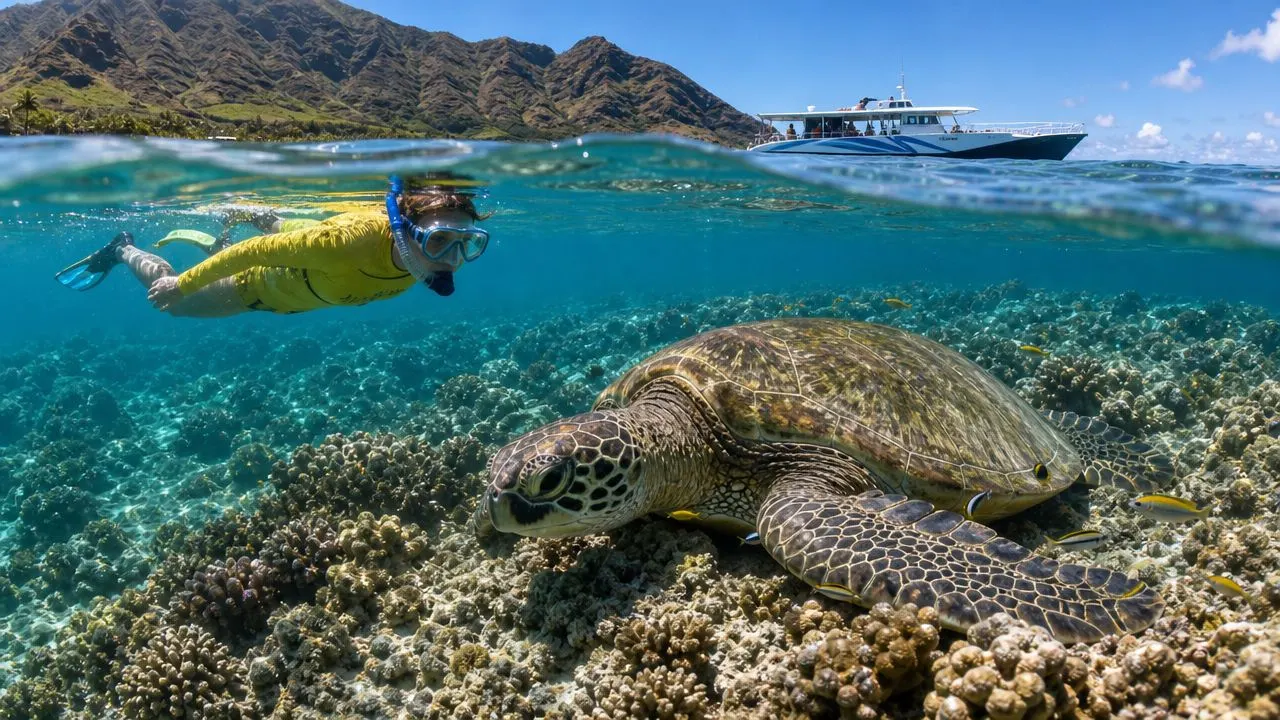
If you're staying in Waikiki and trying to decide whether Turtle Canyon is worth the boat ride, the short answer is yes. But the reason isn't just “you might see turtles.” What makes Turtle Canyon Oahu special is that it works like a real wildlife site, not a random patch of water where people hope for luck.
That difference matters, especially if you're traveling with kids, grandparents, first-time snorkelers, or anyone who wants a calm, well-run ocean day instead of a hard swim and a lot of guesswork. The best trips happen when you understand what the site is, why turtles use it, and how timing changes the experience.
What Is Turtle Canyon and Where Is It
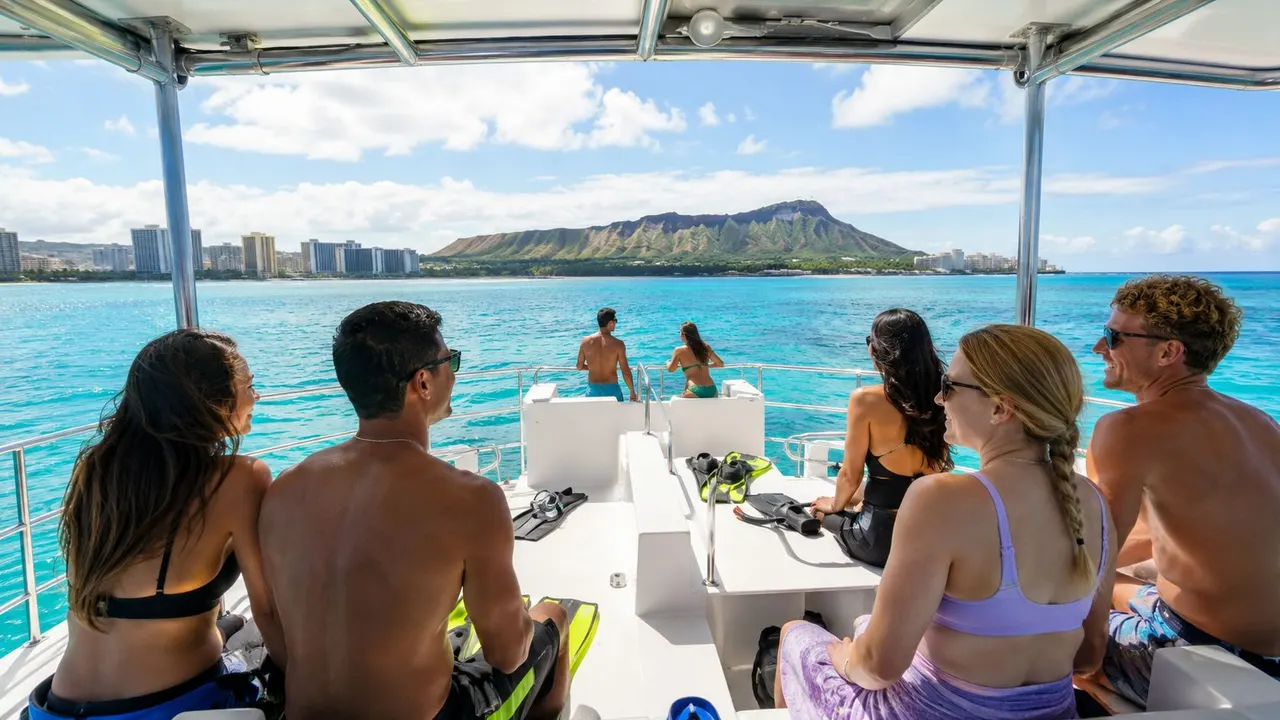
You leave the Waikiki harbor, the hotels shrink behind you, and within a short boat ride you're over clear blue water above one of Oahu's most dependable turtle snorkel sites. Turtle Canyon is an offshore reef area off the Waikiki coast, reached by tour boat rather than from the beach. A good local overview of Turtle Canyon Oahu gives a solid picture of where it sits and why boat access matters.
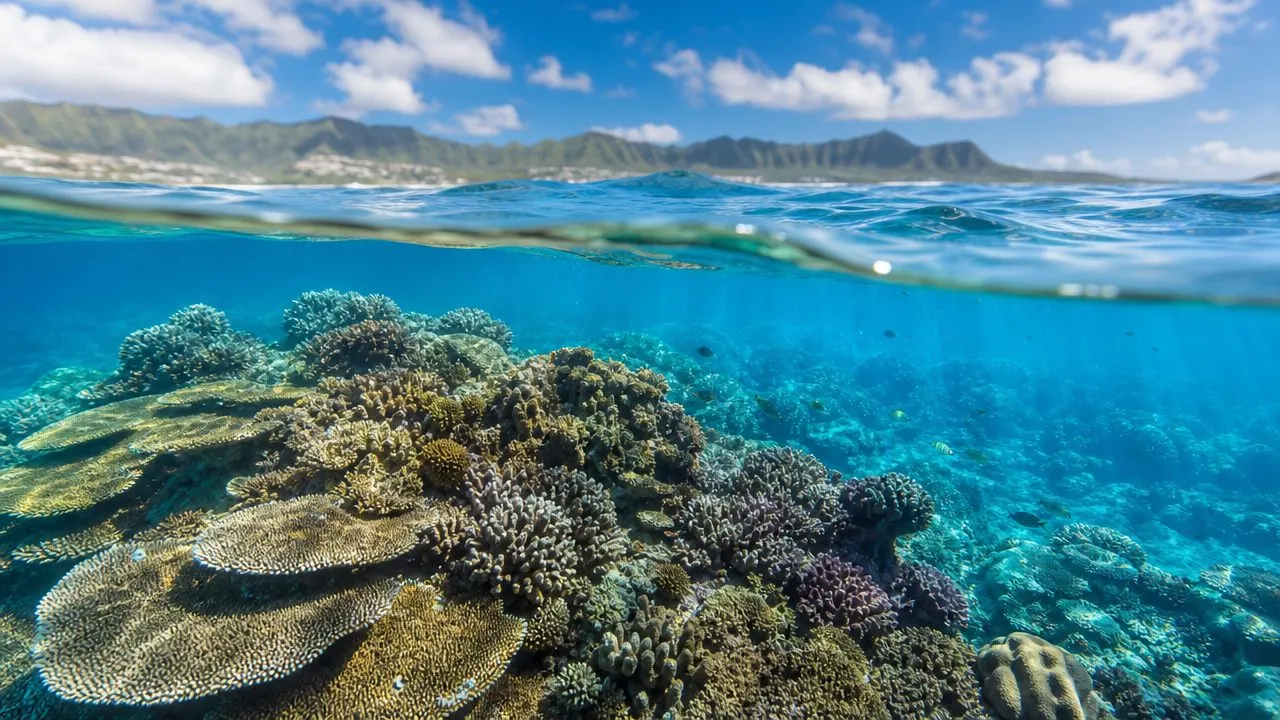
That setup changes the day in a practical way. Guests are not dealing with slippery lava rock, shore break, or a long swim out from the sand. The boat brings you straight to the reef, and the crew drops snorkelers where the water is worth exploring.
That's one reason Turtle Canyon works well for first-time snorkelers.
The site is shallow enough for strong surface views, but it still has enough depth and reef structure to support active marine life. From the top, snorkelers can usually see coral heads, schools of reef fish, and turtles moving below without having to free dive for every look. For families or mixed-skill groups, that balance is hard to beat. You get the feel of being out in the open ocean without adding the hardest part of many Hawaii snorkel spots, which is getting in and out safely.
Turtle Canyon also gets misunderstood. It is not a hidden little cove with one exact rock you have to find. It's a known offshore reef zone near Waikiki where boats return because the habitat consistently attracts turtles. That reliability is the key story, and it helps explain why guided trips tend to produce better results than trying to guess your own way from shore.
A few details set it apart:
- Boat-only access: You need a licensed snorkel tour or private boat to reach it.
- Good surface visibility: The reef layout makes it rewarding even for snorkelers who stay on top.
- Close to Waikiki: You can get an offshore reef experience without turning it into an all-day island excursion.
From a captain's point of view, Turtle Canyon hits a sweet spot. It feels like a real ocean outing, but the logistics stay manageable for visitors who want a fun morning on the water and a strong chance of seeing honu in their natural routine.
The Underwater Magic of a Turtle Cleaning Station
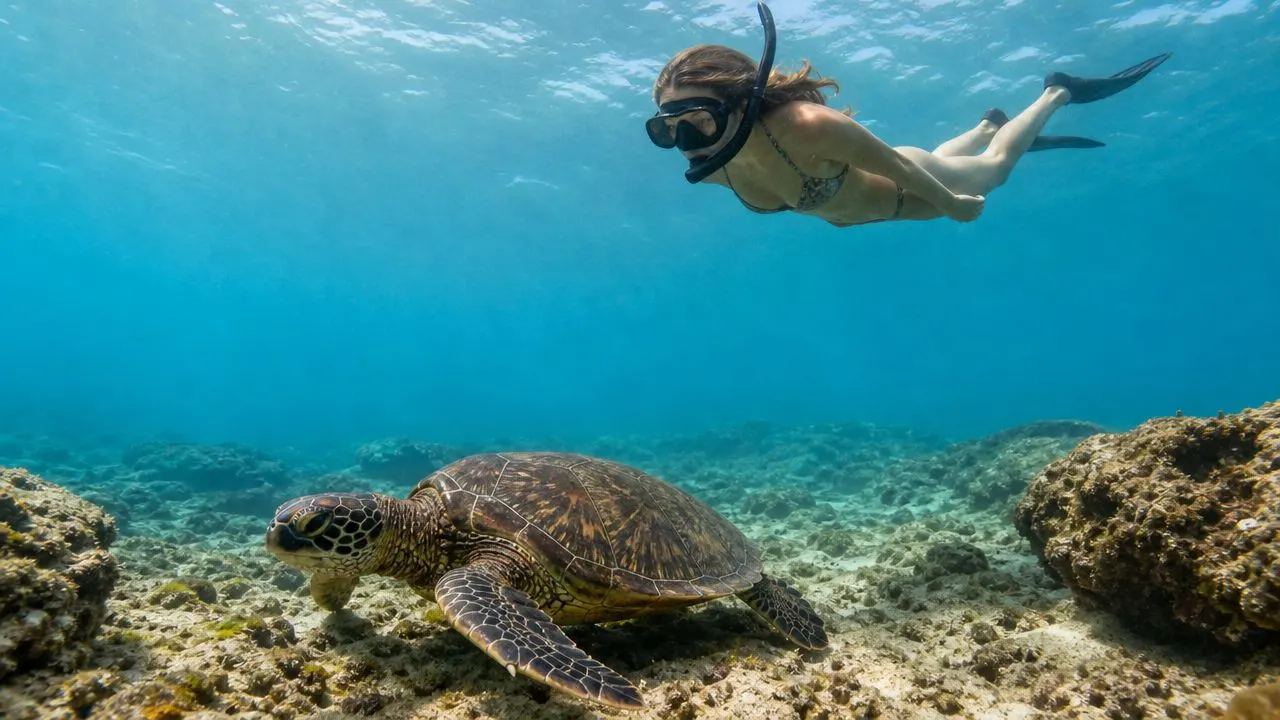
The reason Turtle Canyon Oahu gets so much attention is simple. Turtles don't just pass through here by accident. The site functions as a Hawaiian green sea turtle cleaning station, where honu gather while smaller reef fish remove algae and parasites from their shells, as described in this guide to the Turtle Canyon cleaning station and this closer look at cleaner fish behavior.
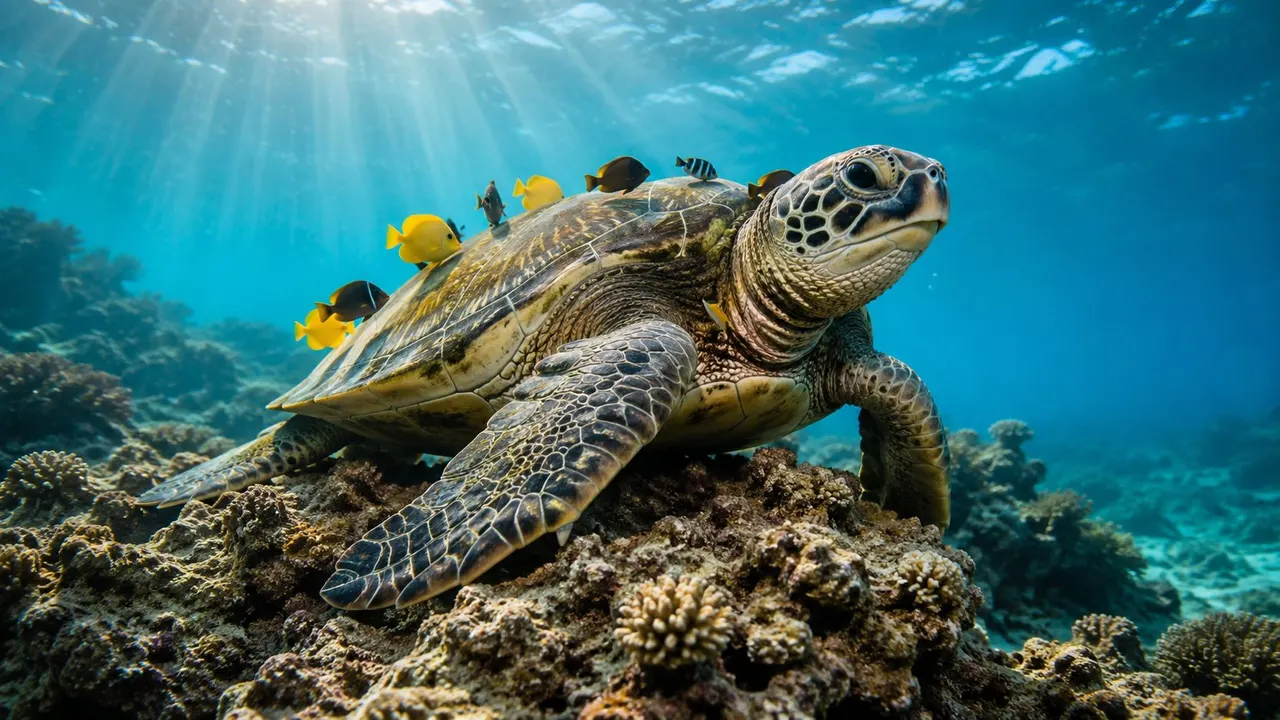
That's the key piece many quick travel guides skip. If you know you're looking at a working cleaning station, the whole snorkel makes more sense. You stop treating turtles like targets and start watching behavior.
What you'll actually see in the water
A good Turtle Canyon snorkel usually doesn't feel like a frantic wildlife chase. It feels slower than that.
You float. Your eyes adjust to the reef. Then you notice a turtle holding steady over structure below, or resting near the reef while fish move around its shell. Sometimes the best views come when snorkelers stop kicking so much and let the reef reveal itself.
What works well:
- Floating calmly near the surface: That gives you a broad view of the reef below.
- Watching the structure, not just open water: Turtles often relate closely to the reef.
- Being patient: The action often builds as you settle in, not in the first rushed minute.
What usually doesn't work:
- Chasing every turtle shape you spot
- Kicking hard to get closer
- Expecting every turtle to be at the surface
If you want the best view, hold your position, breathe slowly, and look for the turtle that's acting naturally, not the one everyone's trying to chase.
Why sightings tend to be reliable
This cleaning behavior is what drives the site's strong reputation. Habitat suitability matters more than luck at a place like this. Reef structure, fish presence, and the turtles' routine all work together.
The benefit for snorkelers is straightforward. You're visiting a place turtles use for a reason. That doesn't mean anyone controls wild animals, but it does mean the odds are tied to real ecology, not wishful thinking.
That shift in mindset improves the day. Instead of asking, “Will a guide manufacture a sighting?” ask, “How do I place myself so I can observe the site doing what it naturally does?” That's the smarter question at Turtle Canyon.
When to Visit Turtle Canyon for the Best Experience
You board on a calm Waikiki morning, the ride out is easy, and once you slip into the water you can relax enough to watch the reef instead of fighting chop. That is the version of Turtle Canyon most visitors hope for, and timing plays a big part in getting it.
Turtles use this area year-round because of the cleaning station activity explained above, so trip timing is less about whether turtles exist and more about what kind of water, visibility, and boat traffic you want to deal with. For most visitors, the friendliest window is the calmer part of the year, often from late spring into early fall, and earlier departures usually offer the easiest surface conditions. If you want a practical breakdown of departure options, this guide to Turtle Canyon snorkel tour times is a useful starting point.
If I am helping first-time snorkelers choose, I usually point them to a morning trip.
The reason is simple. Turtle Canyon rewards calm observation. When the surface is cleaner and the light is still favorable, it is easier to spot turtles holding over the reef and easier for nervous swimmers to settle in. Later departures can still be good, but they ask more of you. A little more chop, a little more glare, and a little more boat traffic can change the feel of the whole stop.
Morning versus later departures
Here is the trade-off in plain language:
| Time | Often a better fit for | Main trade-off |
|---|---|---|
| Morning | First-time snorkelers, families, cautious swimmers, guests who want clearer viewing from the surface | Popular slots fill faster |
| Later in the day | Travelers working around a packed schedule | Conditions can feel bumpier and less forgiving |
Morning tours also tend to give the trip a better rhythm. Guests are fresher, the boat ride often feels smoother, and the time in the water is usually spent observing instead of adjusting to rougher surface movement.
Seasonal planning for different groups
The calmer-season advantage is real, but it comes with a trade-off. More visitors target those same months, especially during school breaks and holiday periods. Good conditions attract more boats.
A smart way to choose is to match the trip to your group, not to chase a single "perfect" date:
- Young kids or hesitant swimmers: Book a morning departure first, then pick your travel dates around that.
- Strong swimmers who care more about schedule flexibility: A later trip can work fine if you are comfortable in less settled conditions.
- Visitors coming during busy travel periods: Reserve early and expect company at the site.
- Off-season travelers: Keep your plans flexible and let the day's ocean conditions set expectations.
That last point matters. Turtle Canyon is reliable because turtles return to a useful cleaning area, but the quality of your experience still depends on weather, swell, wind, and how crowded the mooring area feels that day. The best planners understand both parts. The reef gives you a strong reason to go. Good timing improves your odds of getting the calm, memorable snorkel visitors hope for when they book.
What to Expect on a Guided Snorkel Tour
You step off the boat, put your face in the water, and within a few minutes a honu glides below you while reef fish circle the same patch of coral. That kind of sighting is why guided Turtle Canyon trips are popular, but the boat ride is only part of the value. A good crew sets the pace, keeps the group organized, and gets people comfortable fast so they can spend their energy watching the reef instead of fighting their gear.
Because Turtle Canyon is a boat-access snorkel site, guided trips work well for families, first-timers, and mixed-ability groups. Guests arrive over the reef fresh, not tired from a long swim. That makes a real difference once everyone is in the water and trying to settle in.
The basic flow of the day
The day usually starts with check-in near the harbor, followed by a short safety talk, gear fitting, and the ride out from Waikiki. On the way, attentive crews explain what you are likely to see and how to behave around turtles without crowding them.
Once the boat is set, entries happen in a controlled order. That matters more than many visitors expect. Calm entries keep the group closer together, reduce stress for hesitant swimmers, and make it easier for the guide to point people toward the cleaning station area instead of having everyone scatter.
A well-run tour usually includes:
- Help with mask fit so you spend less time clearing water and more time looking down
- A quick snorkel refresher for guests who have not been in the ocean recently
- Flotation options for nervous swimmers or anyone who wants an easier surface float
- Clear entry and exit support for kids, older guests, and people who are not comfortable climbing back aboard on their own
The best trips feel orderly in the water, not rushed.
What the in-water experience actually feels like
Turtle Canyon is not a theme-park encounter where animals appear on cue right beside the ladder. Guests usually float on the surface while guides keep the group positioned over the reef and point out turtles moving below. Some passes are close. Some are deeper. The reward comes from staying calm enough to watch the scene develop.
That is also where the cleaning-station behavior matters. Turtles return to these reef areas because small fish pick algae and parasites from their shells and skin. If your guide explains that before you get in, the whole snorkel makes more sense. You are not just hoping to get lucky. You are watching an active part of the reef ecosystem that brings honu back to the same general area.
What first-timers usually get wrong
Tension causes more problems than fitness.
New snorkelers often kick too hard, lift their head every few seconds, and breathe fast through the snorkel. That creates fatigue right away and makes the ocean feel harder than it is. A better approach is simple. Hold the float if one is offered, keep your body long on the surface, and spend the first minute getting your breathing under control.
Tell the crew early if someone in your group is nervous. Good operators adjust. They may suggest extra flotation, a slower entry, or keeping that guest near the guide until they relax. If you are comparing operators, this guide to choosing a Turtle Canyon snorkel tour gives a useful sense of what a well-managed trip should include.
Guests who have the best time usually do one thing right. They stop trying to chase turtles and let the reef come to them.
How to Choose and Book the Best Turtle Canyon Tour
Booking the right Turtle Canyon trip changes the day more than many visitors expect. Two boats can visit the same reef and produce very different experiences based on group size, briefing quality, entry process, and how the crew manages people once they are in the water.
Start with the operator's attitude toward the site. A good crew treats Turtle Canyon as active wildlife habitat, not a guaranteed performance. They should explain why turtle sightings are usually consistent here, because honu return to this reef system for cleaning activity, and they should be clear that respectful viewing gets better results than chasing.
I'd compare tours on what affects your actual water time, not just the sales page. A polished website does not tell you whether the crew spaces out entries well, keeps nervous swimmers calm, or avoids dropping a large crowd on top of the same patch of reef.
What to compare before booking
Look for practical details that shape the trip:
- Departure location: Waikiki departures save time and make the morning easier for families, groups, and anyone without a car.
- Group management: Smaller groups, or at least well-managed groups, usually mean less chaos at entry and better wildlife viewing once everyone is in.
- Beginner support: Ask whether the crew provides flotation, clear mask and snorkel help, and close guide support for first-timers.
- Briefing quality: Strong operators explain local conditions, turtle behavior, and in-water etiquette before anyone enters the ocean.
- Time on site: Some trips feel rushed. Others give people enough time to settle in, slow down, and watch the reef.
- Booking clarity: Good operators make cancellation terms, weather policies, and check-in instructions easy to find.
Reviews can help, but read them like a captain, not a marketer. Look for comments about crew communication, patience with new snorkelers, and whether guests felt organized instead of herded around. Those details usually predict a better morning on the water.
If you want a side-by-side look at what separates a strong operator from an average one, this guide to choosing a Turtle Canyon snorkel tour is a useful place to compare the details.
One direct booking option
Living Ocean Tours offers a Turtle Canyon-focused trip through its Turtle Canyons Snorkel Excursion. It also runs a broader Waikiki snorkeling cruise for visitors who want a different boat day format with extra onboard features. The better fit depends on your group. If your priority is a focused turtle snorkel, book the more direct option. If you want a mixed outing with more boat amenities, the broader cruise may suit you better.
One last tip. Book early in your trip, not on your final day. Ocean conditions change, and giving yourself backup days makes rescheduling much easier if weather or swell gets in the way.
Snorkeling with Honu A Guide to Responsible Viewing
The best Turtle Canyon encounters happen when people act like guests in the turtles' home. That starts with understanding the site. You're often observing animals using a cleaning station, resting near structure, or moving up to breathe. If snorkelers crowd them, the behavior changes.
A better approach is calm, quiet surface viewing. This Turtle Canyon etiquette guide aligns with what experienced crews repeat every day: give turtles room, stay relaxed, and don't turn a good wildlife encounter into a chase.
What respectful viewing looks like
Responsible snorkeling is mostly about restraint.
- Stay near the surface: You'll often see more by floating than by diving repeatedly.
- Avoid chasing: If a turtle changes course because of you, you're too close.
- Watch your fins: Many accidental problems come from poor fin awareness near reef or wildlife.
- Let the turtle choose the interaction: If one passes through your view, hold steady and let it move.
That last point matters. People often think moving closer creates a better moment. Usually it does the opposite.
The longest turtle views usually go to the snorkeler who stays still, not the one who swims hardest.
Small habits that improve the day for everyone
A few habits make a big difference, especially in mixed groups:
| Habit | Why it helps |
|---|---|
| Listen closely during the briefing | You'll know how the crew wants the group to spread out |
| Get comfortable before you wander | Calm breathing leads to better viewing |
| Look up between downward scans | It helps you track your position and nearby swimmers |
| Use sun protection thoughtfully | It's part of being a better ocean guest |
For kids and first-time snorkelers, the simplest rule is often the best one. Float first. Watch second. Move last. That sequence keeps the reef calmer and the experience better.
Frequently Asked Questions
Is Turtle Canyon good for beginners
Yes, in many cases it is. The main reason is access. Because it's a boat-reached reef rather than a long swim from shore, guided trips can place guests right over the snorkel area and make the experience more manageable for mixed abilities.
What will I see besides turtles
Expect reef life, not just honu. The site is known for tropical reef fish, and some descriptions of the area also mention other marine life such as dolphins or hawksbill turtles. Wildlife is always wild, so variety changes from trip to trip.
Is Turtle Canyon always calm
No ocean site is always calm. Conditions depend on the day. What helps here is smart timing, realistic expectations, and choosing a morning departure if your group values easier surface conditions.
Can non-swimmers go on a Turtle Canyon tour
Many people who aren't strong swimmers still enjoy guided snorkel trips when crews provide flotation, simple instruction, and a controlled entry. The key is being honest about comfort level before getting in the water. A calm float with support is usually a much better strategy than pretending to be more confident than you are.
Can you guarantee turtle sightings
No honest guide should promise wildlife on command. Turtle Canyon has a strong reputation because turtles use the reef for a real ecological reason, but they're still wild animals. That's exactly why patient viewing matters.
If you're ready to plan a Turtle Canyon day with a crew that also offers Waikiki snorkeling, sunset cruises, whale watching, and private charters, take a look at Living Ocean Tours.


