
Turtle Canyon Oahu: Can You See Turtles on Cloudy Days?
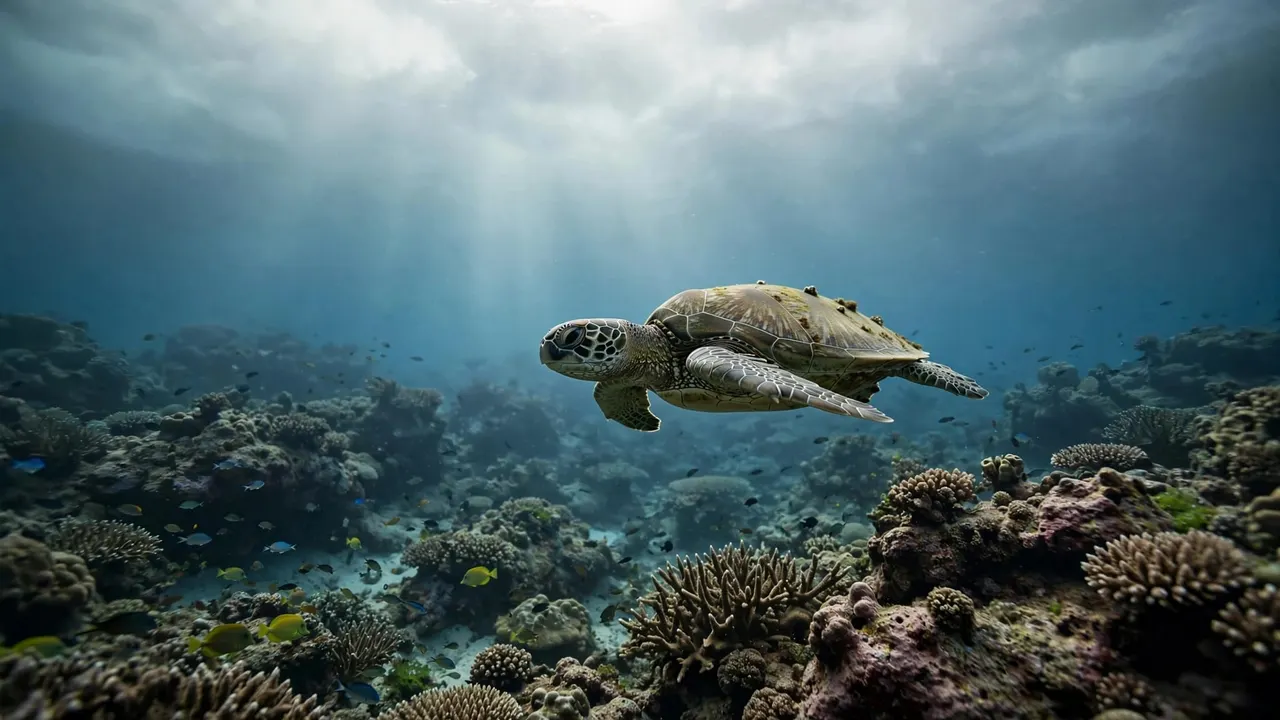
Yes, you can see Hawaiian green sea turtles at Turtle Canyon Oahu on an overcast day. Clouds may make the reef look darker, but turtles can still visit their natural habitat.
At Living Ocean Tours, we’ll take you to the offshore reef with professional snorkel guides who support you in the water. Water clarity and ocean conditions matter more to your view than the color of the sky. Here’s how to plan a rewarding cloudy-day trip.
Key Takeaways
- Turtles may visit the reef on cloudy days, though sightings are never guaranteed.
- Wind, waves, currents, and water clarity affect your snorkeling experience.
- Turtle Canyon is known for cleaning stations where small fish remove material from turtles’ shells and skin.
- Keep at least 10 feet away from sea turtles and leave them a clear path to the surface.
- Our guided trip includes snorkel gear, flotation support, and approximately one hour in the water.
Can You See Turtles When It’s Overcast?
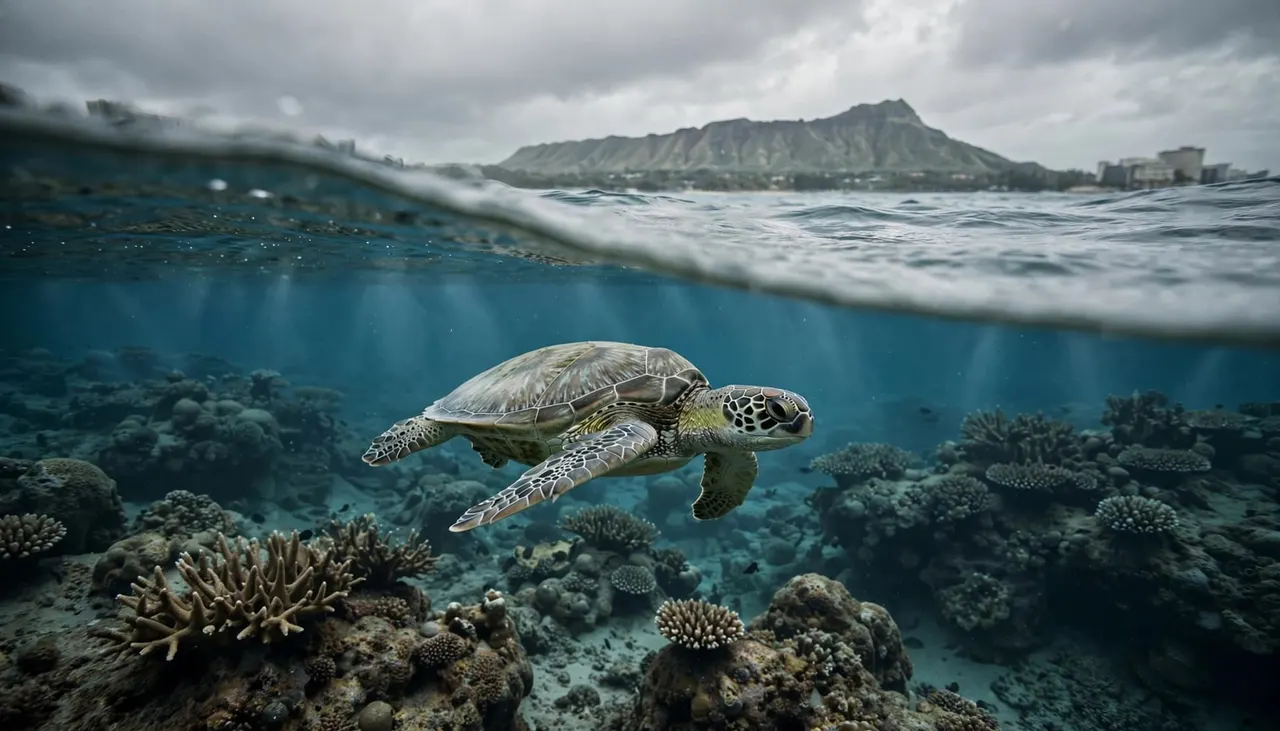
An overcast sky doesn’t prevent you from seeing turtles at Turtle Canyon. You may spot a honu, the Hawaiian name for a green sea turtle, swimming over the reef, resting near a ledge, or rising for air.
Clouds can change the amount of light reaching the water. Under a bright overcast sky, you may still have a clear view below the surface. With heavier cloud cover, the reef may appear dimmer, and a turtle farther away may be harder to pick out.
That doesn’t mean the animals follow a cloudy-day schedule. Turtle Canyon is wild habitat, and each turtle decides when to arrive and leave. Our trips have an approximately 95% success rate for finding turtles overall, but that figure doesn’t guarantee a sighting on any particular trip.
A gray sky and cloudy water are different conditions. You can have one without the other.
What Matters More Than Cloud Cover
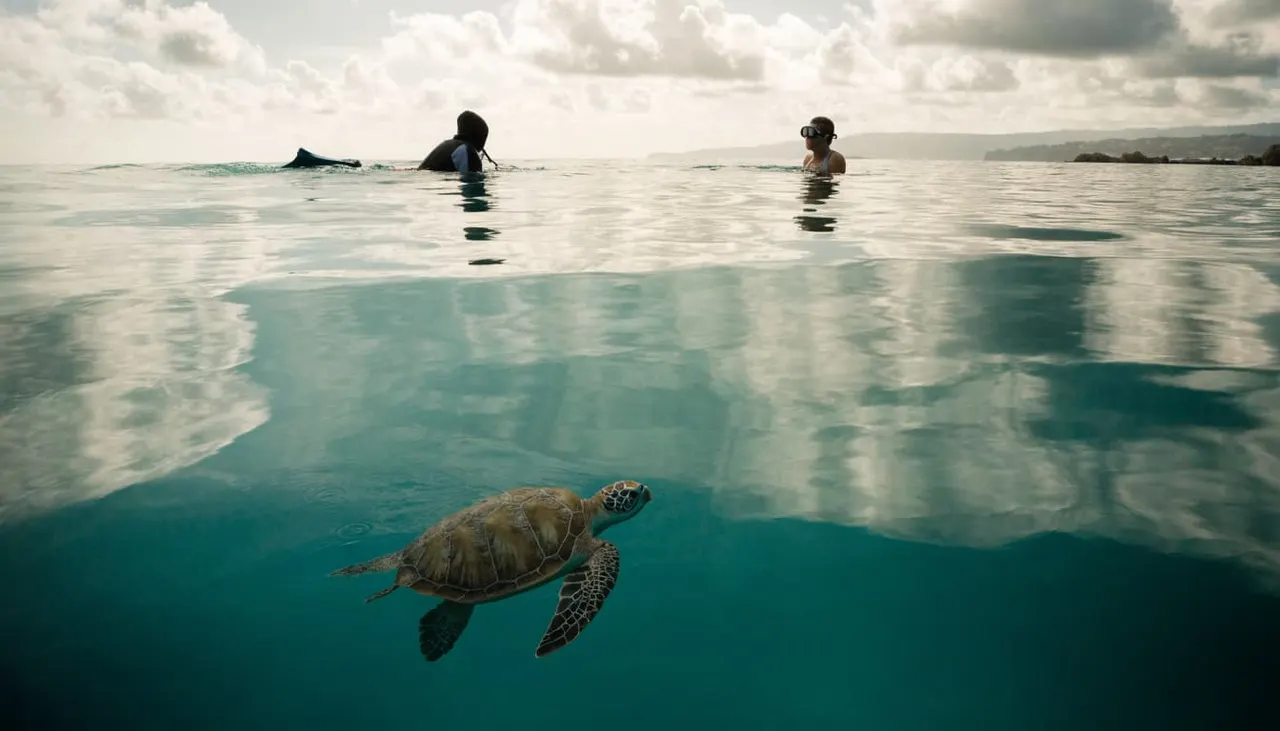
A quick look out your hotel window tells you about the sky, but it doesn’t tell you everything about the ocean. For a Turtle Canyon Oahu snorkeling trip, water movement and clarity have a direct effect on what you can see and how comfortable you feel.
Water Clarity and Rain
Clearer water lets you see farther across the reef. When the water is murky, a turtle may need to be closer before you can distinguish it from the reef below.
Rain and runoff can affect water clarity, especially when sediment washes into coastal water. However, an overcast morning doesn’t automatically mean you’ll encounter murky water. Clouds alone don’t tell you how much material is suspended below the surface.
Look for the shape and movement of the animal rather than expecting a bright shell to stand out. Slow down and allow your eyes time to adjust to the light underwater.
Wind, Waves, and Currents
Wind and waves can make it harder to float comfortably, while currents can increase the effort needed to stay with your group. Your crew considers ocean conditions when making decisions about the trip.
NOAA’s coastal condition forecasts include information about wind, currents, and water levels. Those conditions can change independently of cloud cover, so a sunny sky doesn’t automatically mean calm water.
Why Turtles Visit Turtle Canyon
Turtle Canyon Oahu is an offshore reef area near Waikiki. Hawaiian green sea turtles use the surrounding habitat as part of their natural movements, and the reef is known for its cleaning stations.
A Stop for Reef Cleaning
At a cleaning station, small reef fish may pick algae and other material from a turtle’s shell and skin. You might notice a turtle hovering while fish gather nearby, then watch it move away when it’s ready.
This interaction is one reason to take your time at the reef. Even if a turtle doesn’t appear right away, you can watch the fish and reef structures beneath you.
A Place to Rest and Surface
You may also see a turtle pause near the reef or swim toward the surface to breathe. Green sea turtles are air-breathing reptiles, so an open route to the surface is important.
Several turtles may use the same area without traveling together. Let them choose their own paths, and enjoy each encounter without trying to direct where they go.
What to Expect on Our Turtle Canyon Trip
Our Turtle Canyon snorkeling tour departs from Kewalo Basin Boat Harbor, near Waikiki. The two-hour trip includes approximately one hour of snorkeling, giving you time to settle into the water and observe the reef.
You’ll have snorkel gear, flotation support, and guidance from our professional snorkel guides. We welcome guests ages 3 and up, including first-time snorkelers. If you’re new to a mask and snorkel, our snorkel school helps you get comfortable before you focus on looking for turtles.
Our guides are in the water with you, so you can ask for help and learn how to watch wildlife respectfully. Back on the boat, you can enjoy the coastline and take a break between moments in the water.
You can CHECK AVAILABILITY for the Turtle Canyon trip.
You can also see availability across our ocean tours.
How to Prepare for a Cloudy Snorkel Day
A little preparation helps you enjoy the trip without worrying about every change in the forecast. Bring what you need to stay comfortable both in and out of the water.
Pack for the Boat and the Water
Wear your swimsuit under comfortable clothing and bring a towel and a dry layer for after your swim. Even when the air feels warm, a breeze can feel cool once you’re out of the water.
Sun protection still matters under clouds. A rash guard offers coverage while you snorkel, and a hat can make the boat ride more comfortable. You can also bring water and a waterproof bag for belongings you want to keep dry.
If you use sunscreen, choose one that complies with Hawaii’s sunscreen rules and apply it before entering the water. A cover-up gives you another way to protect your skin.
Get Comfortable With Your Gear
A well-fitting mask makes it easier to enjoy the view. Ask your guide for help adjusting the strap if water leaks in, and practice breathing through your snorkel before you move away from the boat.
Flotation support can help you stay relaxed at the surface. Keep your movements gentle, remain with your group, and tell a guide if you need assistance or want to return to the boat. You don’t have to dive down to enjoy the reef.
How to Watch Turtles Responsibly
A great view leaves room for a turtle to behave naturally. At Turtle Canyon Oahu, that means watching without touching, chasing, feeding, or blocking an animal’s path.
Give Honu Room to Move
NOAA’s marine-life viewing guidance recommends staying at least 10 feet from sea turtles in Hawaii, both in the water and on land. Give them more space when needed, especially if one is heading toward the surface.
If a turtle approaches you, stay calm and move away slowly to restore space. Avoid surrounding it with other snorkelers or swimming directly above its route.
Protect the Reef Beneath You
Keep your fins away from coral and avoid standing on the reef. Floating at the surface also gives you a wider view of the habitat, including the fish around a cleaning station.
For photos, let the turtle set the distance. A relaxed view of a honu swimming through its habitat is more rewarding than an attempt to force a close-up. NOAA’s advice for viewing marine wildlife in Hawaii also asks visitors not to touch, chase, or feed animals.
Turtle Canyon Oahu Cloudy-Day FAQ
Is It Worth Snorkeling if the Sky Is Gray?
Yes. An overcast day can still offer a rewarding trip when ocean conditions are suitable. You may see turtles and reef fish, even if the underwater colors look softer than they would in direct sun.
Will Rain Cancel a Turtle Canyon Snorkel Trip?
Rain alone doesn’t tell you whether a trip can run. Wind, waves, visibility, and other conditions matter too. Your crew makes decisions with safety in mind, so be prepared for plans to change if conditions aren’t suitable.
Can Beginners Enjoy the Reef on an Overcast Day?
Yes. Our Turtle Canyon Oahu trip welcomes beginners and includes snorkel instruction and flotation support. Let your guide know if you’re nervous or need help with your equipment. You can stay at the surface and take breaks on the boat.
Do Turtles Come Closer When It’s Cloudy?
Cloud cover doesn’t give you a reliable way to predict how close a turtle will come. A honu may be near the reef, farther away, or moving toward the surface. Keep your distance and let the animal choose its route.
A Cloudy Sky Can Still Bring a Memorable Encounter
You can see turtles at Turtle Canyon on an overcast day. The more useful things to consider are water clarity, ocean conditions, and your comfort in the water.
With our guides nearby, you can relax, watch the reef, and give each honu the space it needs. The turtles make their own choices, which makes every sighting a glimpse of wild Hawaii.


