
Turtle Canyon Oahu: How Beach Erosion Affects Turtle Nests
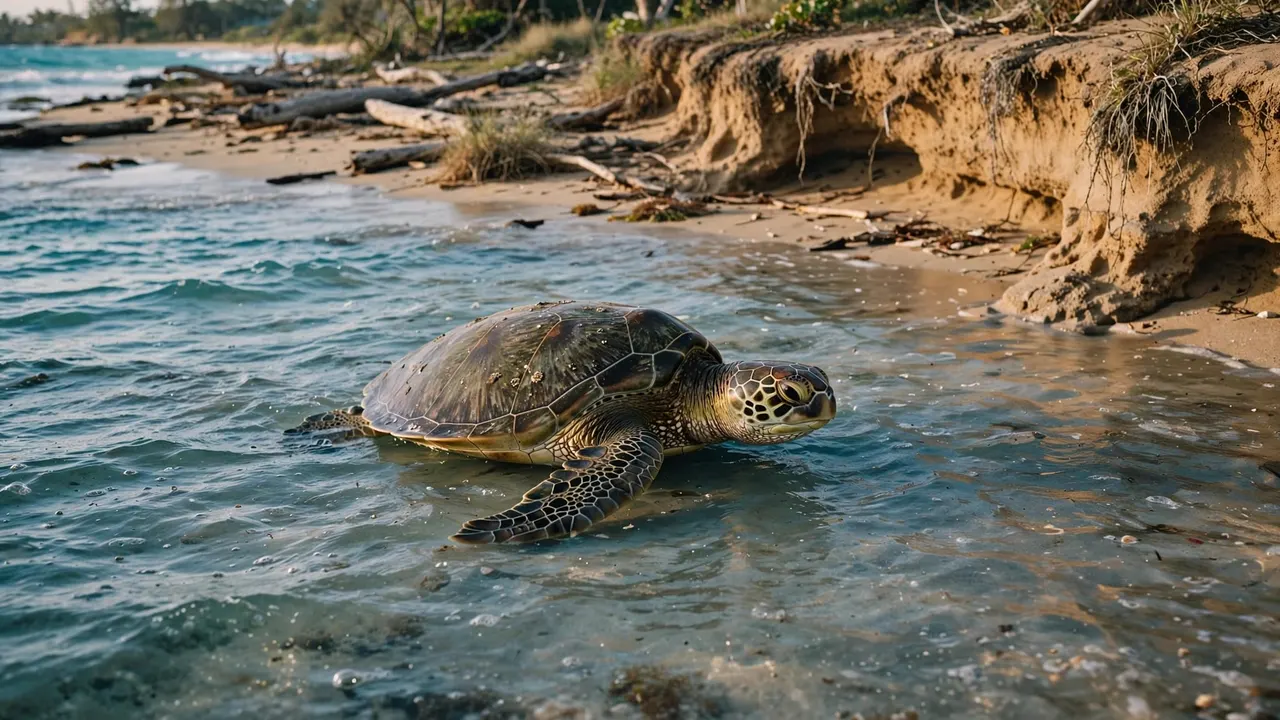
Beach erosion can flood, expose, or wash away Hawaiian green turtle nests. At Turtle Canyon Oahu, Living Ocean Tours takes you to an offshore reef where you may see these turtles, known as honu, during a different part of their lives.
The reef isn’t a nesting beach, but the connection matters: the turtles you see depend on healthy nesting habitat as well as ocean habitat. Understanding that connection can make your time in and around the water even more meaningful.
Key Takeaways
- Turtle Canyon is an offshore Waikiki reef known for green turtle cleaning stations. Turtles lay their eggs on sandy beaches, not underwater.
- Erosion can remove nesting sand or leave buried eggs exposed to waves and flooding.
- Most Hawaiian green turtle nesting occurs at French Frigate Shoals, also called Lalo, although nesting happens on Oahu, too.
- You can help by giving turtles space, keeping nesting beaches dark, and leaving nests undisturbed.
- A turtle sighting at the reef doesn’t reveal where that animal hatched or where it will nest.
Turtle Canyon Oahu Is Reef Habitat, Not a Nesting Beach
What you might see offshore
Turtle Canyon sits off Waikiki, where reef fish and green turtles share underwater habitat. At natural cleaning stations, small fish may pick algae and other material from a turtle’s shell and skin. You might also see a honu resting near the reef or swimming toward the surface for air.
On our turtle snorkeling trips, you can watch these wild animals with professional snorkel guides in the water. Turtles choose when to visit and how long to stay, so every encounter is different.
Where nesting fits into the picture
Female green turtles come ashore to lay their eggs in sand. After the eggs develop, hatchlings emerge and make their way toward the ocean.
That means the turtle you watch at Turtle Canyon Oahu began its life on land, even though you encounter it at sea. You can’t identify its nesting beach from a snorkeling sighting, and the reef itself isn’t evidence of a nearby nest.
How Beach Erosion Can Reach a Turtle Nest
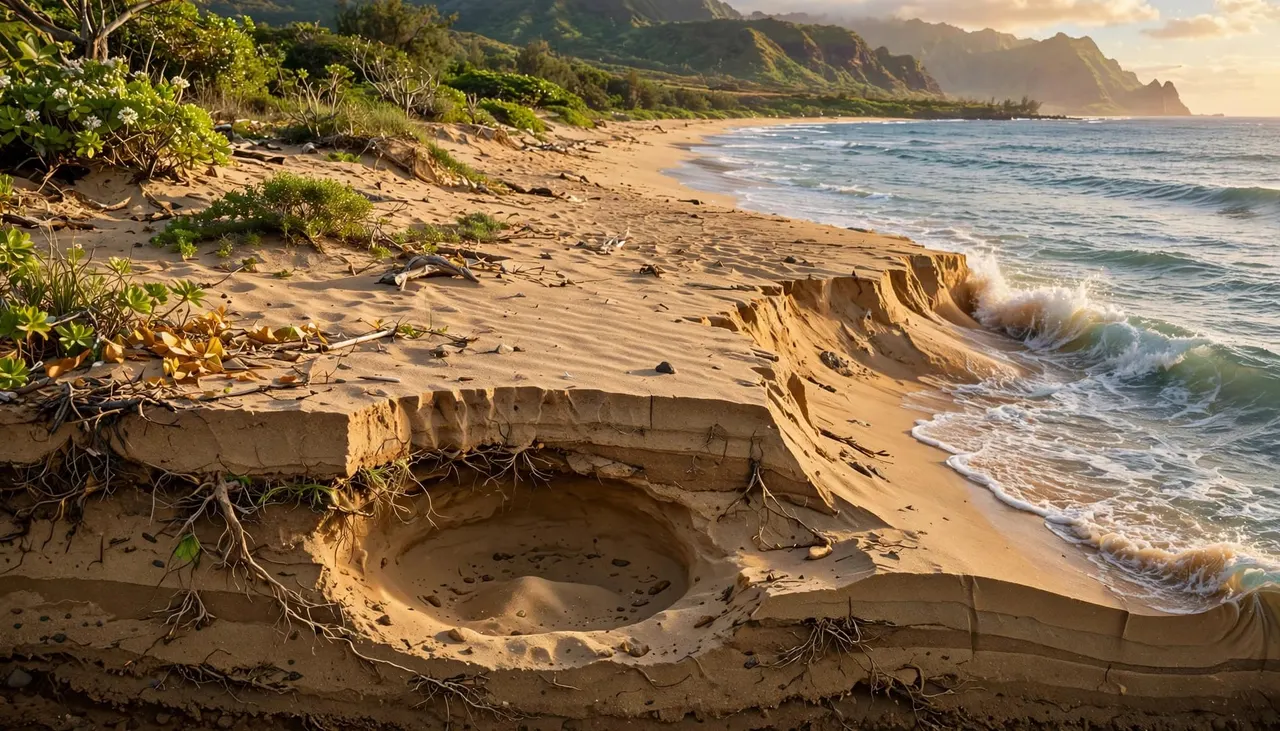
Waves can remove protective sand
Beaches naturally shift as waves and currents move sand. Sometimes sand returns after a period of erosion. In other cases, a shoreline loses enough sand that a nest becomes vulnerable before its eggs have finished developing.
A storm or high surf can cut into the beach and carry away the sand covering a nest. Eggs may become exposed or wash into the ocean. According to NOAA’s green turtle overview, rising seas and storms can change beach shape and contribute to nest flooding or loss.
Seawater can flood buried eggs
Even when a nest remains covered, waves can push seawater into the sand around it. Repeated or prolonged flooding can reduce the oxygen available to developing embryos.
The amount of flooding matters, as do the beach’s shape and the nest’s location. A nest farther inland or higher on the beach may face different conditions from one close to the waterline. You can’t judge whether eggs are safe by looking at the surface alone.
What Changing Sand Conditions Mean for Hatchlings
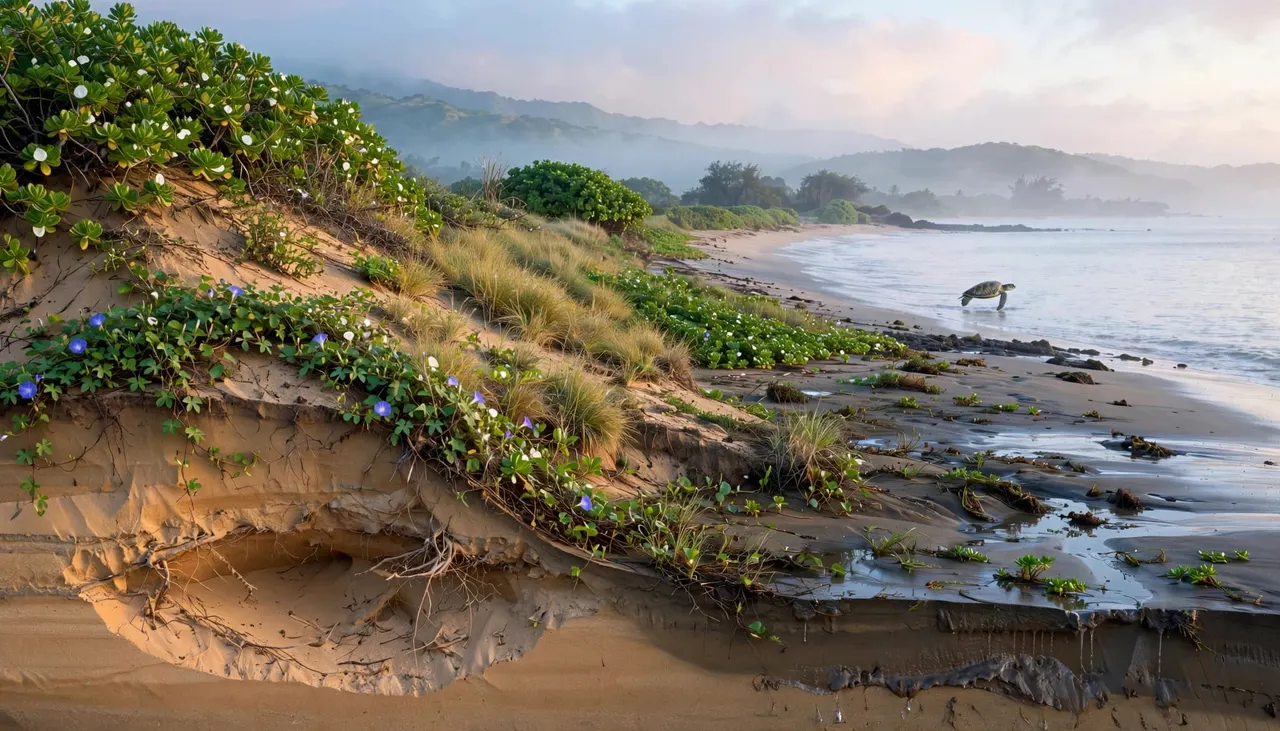
Moisture and temperature affect development
Turtle eggs develop in the sand, so the conditions around them matter throughout incubation. Moisture and temperature can change with rainfall, sunlight, vegetation, and the position of the nest.
Temperature also affects the sex of developing green turtles. Warmer incubation temperatures generally favor females, while cooler temperatures favor males. Excessive heat can threaten developing eggs.
Those patterns don’t tell you the sex of a turtle you see at Turtle Canyon Oahu. They do show why changes to a nesting beach can have effects beyond the visible loss of sand.
A narrower beach leaves less room
When the shoreline retreats, turtles may have less suitable space to come ashore and dig nests above the reach of waves. Buildings, roads, or seawalls behind a beach can also limit where the beach can shift as the shoreline changes.
A narrow beach doesn’t mean every nest will fail. It does mean that the distance between nesting habitat and the water can shrink, leaving less room for storms and high surf.
Why Oahu’s Reef Turtles Depend on Distant Beaches
Many Hawaiian green turtles use feeding and resting areas around the main Hawaiian Islands but travel to French Frigate Shoals, also called Lalo, to nest. This remote area in the Northwestern Hawaiian Islands accounts for most Hawaiian green turtle nesting.
Oahu nesting is less common, but it does occur. If you’re walking on an Oahu beach, a nest may be marked or monitored even when no adult turtle is visible.
The connection gives your Turtle Canyon Oahu encounter a wider context. Reef habitat helps turtles during their lives at sea, while nesting beaches give a new generation a place to develop. A healthy-looking turtle at the reef doesn’t tell you how nesting is going across the islands.
How Coastal Changes Add Pressure
Beach erosion has several causes. Waves and currents move sand naturally, while storms can strip it away quickly. Over longer periods, sea-level rise can place additional pressure on low-lying shorelines.
Human structures can complicate the picture. A seawall may protect property behind it, but a beach squeezed between the wall and a retreating shoreline has limited room to move. The effects vary by location, so one stretch of coast can’t stand in for every nesting beach.
Restoration and management decisions need local information. What helps one beach may not suit another, especially where nesting turtles, nearby property, and wave conditions all affect the options.
What to Do if You Find a Turtle or Nest
Give wildlife room
Hawaii’s wildlife guidance recommends staying at least 10 feet away from sea turtles on land and in the water. Don’t touch, chase, feed, or surround them. If you’re snorkeling, leave a clear route to the surface so a turtle can breathe.
On the beach, a resting turtle isn’t necessarily nesting. Give it space either way, and keep children and pets back. If you see tracks or a marked area, avoid walking through them or disturbing the sand.
Leave nest decisions to trained responders
Don’t dig up eggs, move hatchlings, or try to relocate a nest threatened by waves. Handling can harm the animals, and protected wildlife requires authorized care.
NOAA’s assessment of nest relocation describes situations where trained teams may move nests at risk from erosion or flooding. If you notice an exposed nest, injured turtle, or hatchlings in danger, keep your distance and report the situation to Hawaii wildlife authorities.
Simple Ways to Protect Nesting Beaches
Your beach habits can help reduce risks to turtles and hatchlings. After sunset, keep beachfront lights off when possible, close curtains, and avoid shining flashlights or phone lights toward the sand. Artificial light can draw hatchlings away from the ocean and may discourage females from nesting.
Leave the beach clear when you go. Chairs, umbrellas, and other belongings can obstruct a turtle moving across the sand. Fill holes you dig, and take your trash with you so it doesn’t become an obstacle or enter the water.
If you encounter hatchlings, watch from a distance without using flash photography. Let them move on their own, and contact wildlife authorities if they appear to be in immediate danger.
Visit Turtle Canyon Oahu With Our Guides
A visit to Turtle Canyon Oahu gives you a chance to watch honu in the reef habitat they use for cleaning and rest. On our Turtle Canyons Snorkel Excursion, you’ll leave from Kewalo Basin Boat Harbor near Waikiki with gear, flotation support, and professional snorkel guides who join you in the water.
The trip lasts about two hours, with approximately one hour for snorkeling. We report a turtle-sighting success rate of about 95% on our snorkeling trips, although sightings are never guaranteed. Beginners and families can enjoy the reef at a comfortable pace while giving wildlife room to move.
You can CHECK AVAILABILITY for the Turtle Canyons Snorkel Excursion.
Frequently Asked Questions
Do green turtles nest at Turtle Canyon?
Turtle Canyon is an offshore reef, so it isn’t a place where turtles lay eggs. Green turtles nest on sandy beaches. You can’t tell which beach a turtle came from by watching it underwater.
Does every eroded beach contain a threatened nest?
No. Erosion changes beaches whether or not turtles have nested there. When a nest is present, its risk depends on factors such as its position, the amount of sand lost, and how often water reaches it.
Can you help hatchlings reach the ocean?
Give hatchlings space and let them move without handling them. Keep lights off the beach, avoid flash photography, and contact wildlife authorities if you see hatchlings in immediate danger.
Protect the Reef and the Beach
A Turtle Canyon Oahu snorkel trip lets you appreciate honu in the water, while nesting beaches support the next generation on land. Both habitats matter throughout a turtle’s life.
Give turtles room when you swim, and leave nesting beaches dark and undisturbed. Those choices help you enjoy a memorable encounter while respecting the wild animals that make it possible.


