
Turtle Canyon Oahu: How Green Turtles Blink
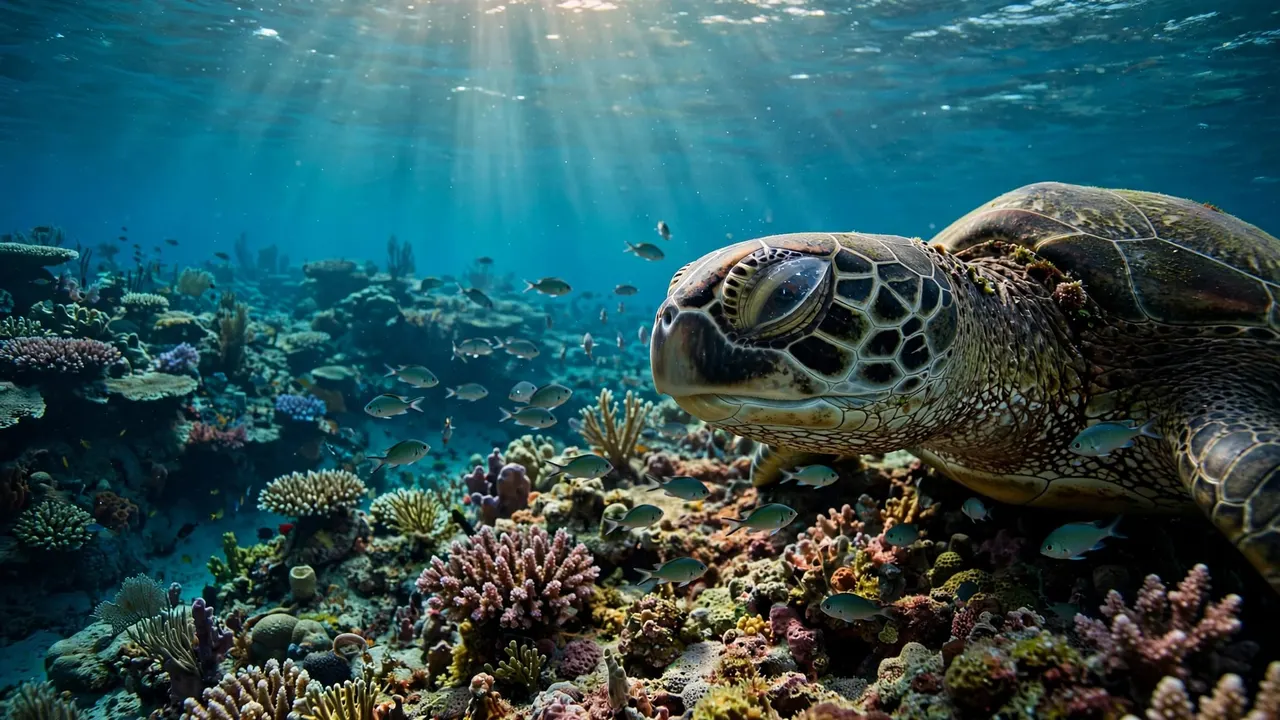
Green sea turtles can close and reopen their eyes underwater, and they have an extra eyelid called a nictitating membrane. At Turtle Canyon Oahu, that small detail adds another reason to watch a honu with patience.
With Living Ocean Tours, you can visit the offshore reef with professional snorkel guides. You may not catch a blink, but knowing what to look for can make your time in the water even more rewarding.
Why Turtle Canyon Oahu Draws Green Turtles
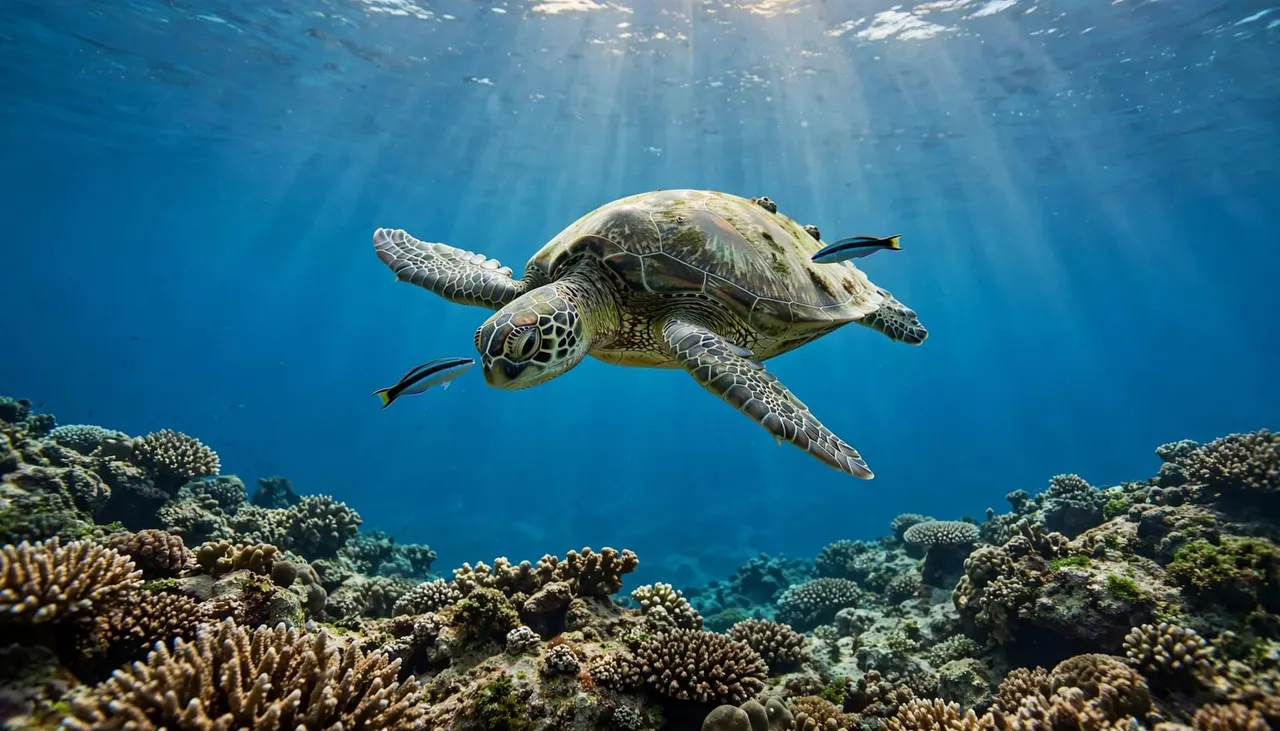
Turtle Canyon is an offshore reef near Waikiki, known for its natural turtle cleaning station. Hawaiian green sea turtles, or honu, share this habitat with reef fish and other marine life.
The cleaning station gives you a chance to appreciate more than a turtle’s shell or flippers. You can watch the surrounding reef, notice where fish gather, and take in the details of an animal that spends much of its life underwater.
You reach the reef by boat rather than walking into the water from Waikiki Beach. Our tours depart from Kewalo Basin Boat Harbor, minutes from Waikiki. Living Ocean Tours is the only tour company with professional snorkel guides, so you have support in the water as well as on the boat.
How a Sea Turtle Blinks Underwater
A blink is the closing and reopening of the eyelids. Green sea turtles can do this beneath the surface, although spotting such a small movement from your position at the surface may be difficult.
The Extra Eyelid
Along with its eyelids, a green sea turtle has a nictitating membrane, an additional eyelid associated with the eye. A NOAA Fisheries consultation document describes green turtles as having small, circular eyes with these membranes.
That feature is easy to miss when your attention is on a turtle’s large shell or long front flippers. Once you know it’s there, you can appreciate how much detail is packed into a honu’s head.
What You Can See From the Surface
A turtle’s eye is small compared with its body, and your view depends on its position in the water. Light, water clarity, and the distance between you and the animal also affect what you can see.
You might notice an eye when a turtle turns its head in your direction. You might only see the outline of its head as it faces away. Either view is worth enjoying, and neither requires you to swim closer.
A blink doesn’t have a schedule you can follow. Give yourself time to observe, but let the turtle decide where it goes.
What a Turtle’s Eyes Tell You About Its Life
Green sea turtles are reptiles that spend much of their lives in the ocean. Their eyes are part of a body suited to moving through an underwater habitat, finding food, and responding to their surroundings.
For a snorkeler, the most useful detail is simpler: a turtle isn’t a stationary feature of the reef. It can change direction, swim away, or rise toward the surface. Paying attention to its head and body helps you give it room.
Look Beyond the Shell
The shell is often the first thing you’ll recognize. Look for the rounded head and broad front flippers as well. Together, they give you a clearer view of the animal’s position than the shell alone.
The Hawaiian name honu is commonly used for green sea turtles. Their scientific name is Chelonia mydas. Despite the name, you shouldn’t expect a bright green shell on every animal you encounter.
Don’t Read Too Much Into One Glance
An open eye doesn’t tell you exactly what a turtle is thinking. Likewise, a turtle that appears still isn’t necessarily asleep or seeking interaction with you.
Enjoy the details you can see without assigning a mood or purpose to every movement. Patient observation gives wildlife room to behave naturally and gives you a better chance to notice what happens around it.
How to Watch a Honu From Your Snorkel
At Turtle Canyon Oahu, your most comfortable view may come while you’re floating calmly at the surface. Once your mask fits and your breathing feels steady, take a moment to look across the reef rather than searching only for one animal.
Settle Your Breathing First
If you’re new to snorkeling, keep your face in the water for short periods while you get used to breathing through the snorkel. Lift your head whenever you need a break. Your guide can help if your mask leaks or your equipment feels uncomfortable.
Flotation support can also help you stay relaxed at the surface. Tell your guide if you’d like assistance or want to remain near the boat. You don’t need to dive down to enjoy the reef.
Watch the Whole Scene
A turtle’s eye may be hard to see, but its body gives you other details to follow. Notice the shape of its flippers and the pattern on its shell. Then look around for the fish sharing the water.
If you lose sight of a turtle, resist the urge to chase it. Pause and enjoy the reef in front of you. Your guide can help you stay oriented while the group watches wildlife responsibly.
The Fish Around a Turtle Cleaning Station
A cleaning station is a place where small reef fish can gather around a turtle. At Turtle Canyon Oahu, this relationship is part of what makes the reef interesting to snorkelers.
When you watch a turtle near reef fish, give your attention to the space around the animal as well as the turtle itself. Fish may be difficult to notice at first, especially if you’re adjusting to a mask or looking into changing light.
Keep your hands close to your body and avoid reaching toward wildlife. A calm position at the surface lets you observe the scene without interrupting it.
You may also see fish away from any turtle. Their colors and movements give you plenty to enjoy while you wait and watch. Remember that you’re visiting a wild reef, so the animals you see will vary.
Give Turtles Room to Move and Breathe
Green sea turtles breathe air. They need access to the surface, so leave a clear path between a turtle and the water above it. Avoid positioning yourself directly over an animal or surrounding it with other snorkelers.
Observe without touching. Don’t grab a shell, reach for a flipper, or try to guide a turtle toward your camera. If one approaches you, stay calm and give it space to pass.
Keep Your Distance for Photos
A good wildlife photo doesn’t require you to fill the frame with a turtle’s eye. A wider view can show the animal in its reef habitat and leave room for the fish around it.
Float steadily, keep your camera close, and let the animal’s position determine your shot. If you can’t get the angle you want without approaching, enjoy the moment without the photo.
Protect the Reef Beneath You
Coral and other reef life can be damaged by contact. Stay aware of your fins and avoid standing on the reef. If you need help staying afloat or returning to the boat, ask your guide.
Ocean conditions also affect your comfort. Follow the crew’s instructions about where to swim, and tell them if you’re tired, cold, or uneasy. You can take a break on the boat whenever you need one.
Plan a Guided Turtle Canyon Oahu Trip
Our Turtle Canyon Snorkel Tour is a turtle-focused outing for beginners, families, and experienced snorkelers. The trip lasts about two hours, including approximately one hour of in-water snorkeling time.
We provide snorkel gear and instruction, with professional guides in the water to help you feel comfortable. If you haven’t snorkeled before, tell us. We can help with the basics before you settle in to watch the reef.
Our boats have shaded seating, onboard restrooms, dry storage, and ladders for getting in and out of the water. Bring a towel, sun protection, and dry clothes for the ride back. Families can join with children ages 3 and up.
Turtles are wild animals, so no sighting is guaranteed. The reef itself offers plenty to look at while you enjoy your time on the water.
Ready to join us? You can CHECK AVAILABILITY for a turtle-focused snorkel trip.
Questions About Turtle Canyon Oahu and Turtle Eyes
Can you see a turtle blink while snorkeling?
You might, but a turtle’s eye is small and your view depends on water clarity, light, and its position. Don’t move closer for a better look. Watch from the surface and enjoy the details you can see.
Do green sea turtles breathe underwater?
No. Green sea turtles breathe air and must return to the surface. When you’re snorkeling, keep their route to the surface open and avoid blocking their movement.
Is Turtle Canyon suitable for first-time snorkelers?
Our Turtle Canyon snorkeling excursion welcomes snorkelers of all skill levels. You’ll receive gear and instruction, and our professional guides can support you in the water. Let the crew know about your experience before you enter.
Take Time to See the Details
A green sea turtle’s blink may be hard to catch, but knowing about its extra eyelid gives you another way to appreciate the animal beneath the surface.
At Turtle Canyon Oahu, a patient view is a rewarding one. Float comfortably, give the honu room to move, and enjoy the reef on its own terms.


