
Turtle Canyon Oahu: How Turtles Use Reef Depths
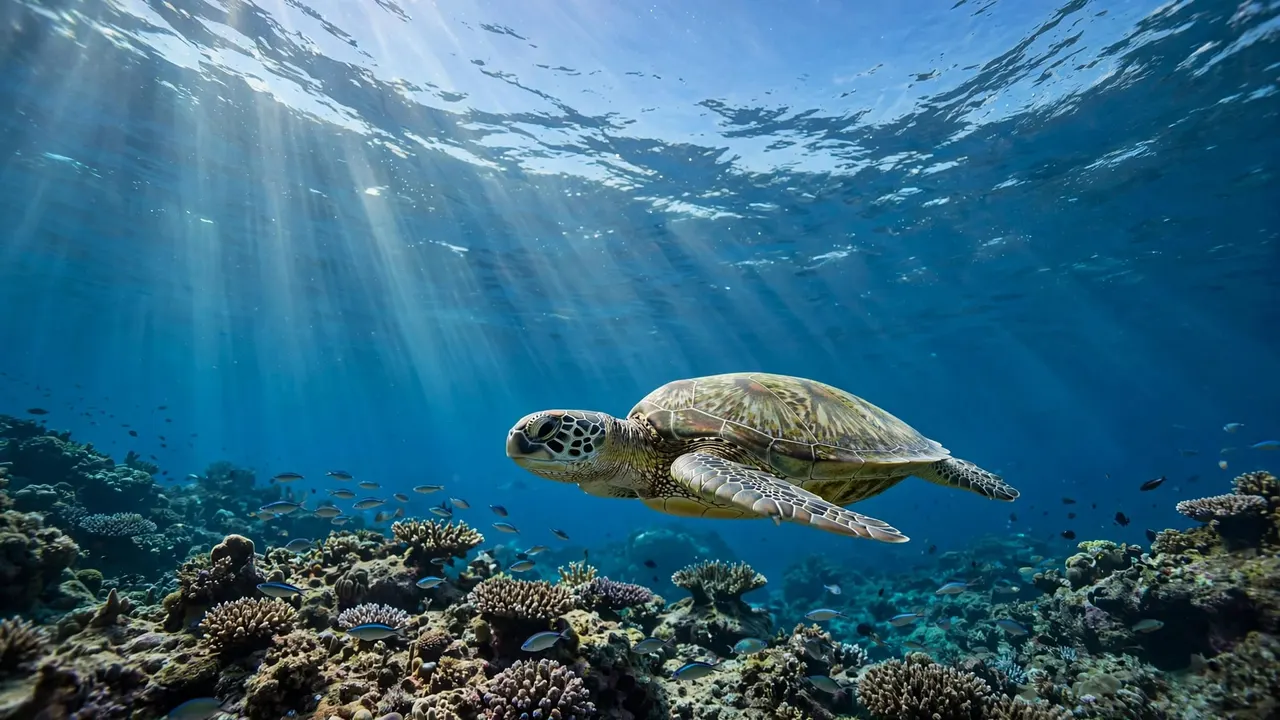
At Turtle Canyon Oahu, you may see a green sea turtle near the reef, swimming through open water, or rising to breathe. Each view offers a different glimpse of how a honu uses its ocean habitat.
With Living Ocean Tours, you can visit this offshore reef with guidance in the water. A little knowledge of reef depth and turtle behavior helps you understand what you’re seeing while giving wildlife room to move.
Key Takeaways
- Turtle Canyon is an offshore Waikiki reef known for natural turtle cleaning stations.
- Green turtles use reef habitat for activities such as resting, feeding, and visiting cleaner fish. Their movements aren’t tied to a fixed viewing schedule.
- Turtles breathe air, so they need an open route between the reef and the surface.
- Your view changes with water clarity, light, reef contours, and the distance between you and the animal.
- Hawaii’s wildlife guidance recommends staying at least 10 feet from sea turtles in the water and on land.
What Makes Turtle Canyon Oahu Turtle Habitat

Turtle Canyon, also called Turtle Canyons, is an offshore reef area near Waikiki. You reach it by boat and look down into a habitat shared by Hawaiian green sea turtles and reef fish.
The Hawaiian name for a green sea turtle is honu. These air-breathing reptiles move through coastal waters, and a visit to the reef gives you a chance to watch a small part of that life.
A Reef With Places to Pause
Reef ledges, coral habitat, and sandy openings give the underwater scene its shape. As you float above it, you may see a turtle pass across an open patch or pause near the reef.
The bottom isn’t a flat backdrop. Its contours affect your view and create different spaces for marine life. A turtle against pale sand may be easier to spot than one near darker reef structure.
A Cleaning Station for Wild Turtles
Turtle Canyon is known for natural cleaning stations. At these spots, small reef fish may pick algae and other material from a turtle’s shell and skin.
You may see turtles using the same area, but that doesn’t mean they’re traveling together. Each animal chooses when to arrive, where to pause, and when to leave.
Why Green Turtles Use Different Reef Depths

A turtle’s position in the water can change as it moves between the reef and the surface. Its activity, the shape of the habitat, and the surrounding conditions all matter.
You won’t be able to assign every movement a purpose. Still, noticing where a turtle is gives you useful context for what may happen next.
Near the Reef
Close to the bottom, a turtle may pause beside reef structure, move over coral, or visit an area with cleaner fish. Reef habitat can also offer places to rest and find food.
Look for the surrounding details as well as the turtle. Fish gathering near its shell offer a different clue than a turtle moving steadily across an open stretch. Even so, a short sighting can’t tell you the whole story of its day.
In Open Water
A turtle swimming above the reef has room to travel, turn, or head toward the surface. As it moves farther from the bottom, you may see its outline more clearly against the blue water.
That position doesn’t reveal its destination. It may pass through your view, rise for air, or continue beyond the area you can see. Let it choose its route instead of following.
What a Cleaning Visit Looks Like
At Turtle Canyon Oahu, a cleaning visit can be one of the most interesting scenes to watch from the surface. A honu may hover or remain near the reef while smaller fish approach its shell and skin.
The fish can remove algae and other material. You may notice the turtle holding a slow, steady position while the fish move around it. Then it might change position or swim away.
Give the entire scene room, including the fish. Swimming closer can interrupt the behavior you’re hoping to observe. You don’t need to dive down for a good encounter: stay at the surface, watch patiently, and let your guide help you spot activity.
A cleaning station is also part of a living reef. Fish may be present even when no turtle is in view, and a turtle may pass through without stopping. There is no set sequence you can expect on every trip.
Why Turtles Return to the Surface
Honu spend much of their time underwater, but they breathe air. A turtle resting near the reef or swimming below you must eventually return to the surface.
Give a Rising Turtle a Clear Path
When you see a turtle angle upward, pause and look around before moving. Keep its route to the surface open, and avoid positioning yourself directly above it.
If a turtle approaches your area unexpectedly, calmly make space. There’s no need to splash or swim after it. Staying aware of the swimmers around you helps keep the path open for the animal and gives everyone a better view.
Recognize What You Can’t See
A quiet turtle underwater may look asleep, but stillness alone doesn’t tell you whether it’s sleeping. Slow movements also don’t show how much oxygen the animal has left or when it will breathe.
Watch its direction rather than trying to predict its next move. That approach keeps you ready to give the turtle space if it turns or rises.
Food and Rest Around the Reef
Hawaiian green turtles use coastal habitat for more than cleaning visits. The reef is one stop within a larger area where they can travel, rest, and find food.
Looking for Food
Adult Hawaiian green turtles eat mainly marine algae, including seaweed known locally as limu. Green turtles also eat seagrass where it grows, but Turtle Canyon is known as a reef and cleaning-station area. You shouldn’t expect a documented seagrass meadow there.
A turtle passing close to the bottom isn’t necessarily feeding. Look for visible behavior, such as repeated attention to a patch of marine growth, while remembering that a brief view has limits.
Finding Space to Rest
Reef structure may provide places where turtles can pause. From the surface, you might spot a honu near a ledge or hovering close to the bottom.
Keep watching from a distance rather than trying to get a better angle over the animal. A resting turtle needs room to move and surface, and the reef below it needs protection from fins and feet.
How Depth Changes Your View From the Surface
At Turtle Canyon Oahu, the distance between your mask and the reef affects what you can see. A turtle closer to the surface may be easier to distinguish, while one farther below can blend into darker reef features.
Water clarity and sunlight matter too. Even when you can see the bottom, details such as small fish near a turtle’s shell may be difficult to make out. Look slowly across the reef, then into the water above it.
You may also find that a turtle becomes easier to follow when it crosses a sandy opening. Enjoy that view without moving closer. If it disappears behind reef structure or into deeper-looking water, let it go. Another part of the reef may offer something else to watch.
How to Watch Turtles Without Disturbing Them

Your best turtle encounter starts with space. Hawaii’s Department of Land and Natural Resources recommends staying at least 10 feet from sea turtles in the water and on land.
Float calmly, keep your fins clear of the reef, and let turtles move without being surrounded. If an animal changes direction toward you, gently move away rather than reaching out.
Never touch, chase, or feed a turtle. Those practices are part of NOAA’s Hawaii wildlife viewing guidance and help you observe natural behavior without interrupting it.
A turtle’s route to the surface matters as much as the distance between you. Leave open water above and around the animal.
Give coral the same consideration. Avoid standing on the reef or stirring up the bottom. If you need help with your equipment or flotation, signal your guide rather than using the reef for support.
Visit Turtle Canyon With Living Ocean Tours
Our Turtle Canyon snorkeling tour departs from Kewalo Basin Boat Harbor near Waikiki. You’ll receive snorkeling gear, flotation support, and guidance from our professional snorkel guides in the water.
The Turtle Canyons Snorkel Excursion lasts about two hours, including approximately one hour of snorkeling. It starts at $79 and welcomes guests ages 3 and up.
Our trips have about a 95% success rate for finding Hawaiian green sea turtles, though sightings are never guaranteed. The reef is wild habitat, so turtles set the schedule.
You can CHECK AVAILABILITY for a Turtle Canyon departure.
Frequently Asked Questions
Do You Have to Dive Down to See Turtles?
No. You can watch turtles from the surface with a mask and snorkel. Your view will depend on the turtle’s position, water clarity, and other conditions.
Can Beginners Snorkel at Turtle Canyon Oahu?
Our excursion welcomes snorkelers of all skill levels. You’ll have flotation support and professional guidance in the water. Let your guide know if you need help getting comfortable with your gear.
Are Turtle Sightings Guaranteed?
No. Green turtles are wild animals and decide when to visit the reef. Our reported sighting success rate is about 95%, but conditions and animal behavior vary.
Can You Touch a Turtle if It Swims Close?
No. Give it room and move away calmly if necessary. Never touch or chase a turtle, even when it approaches you.
Let the Turtles Set the Pace
A turtle’s position can change what you see, whether it’s near the reef or heading toward the surface. At Turtle Canyon Oahu, patience gives you time to notice those movements without interrupting them.
Float calmly, protect the reef, and keep a clear path open for every honu. The best view is one that leaves the animal free to continue its day.


