
Turtle Canyon Oahu: How Visitors Affect a Cleaning Station
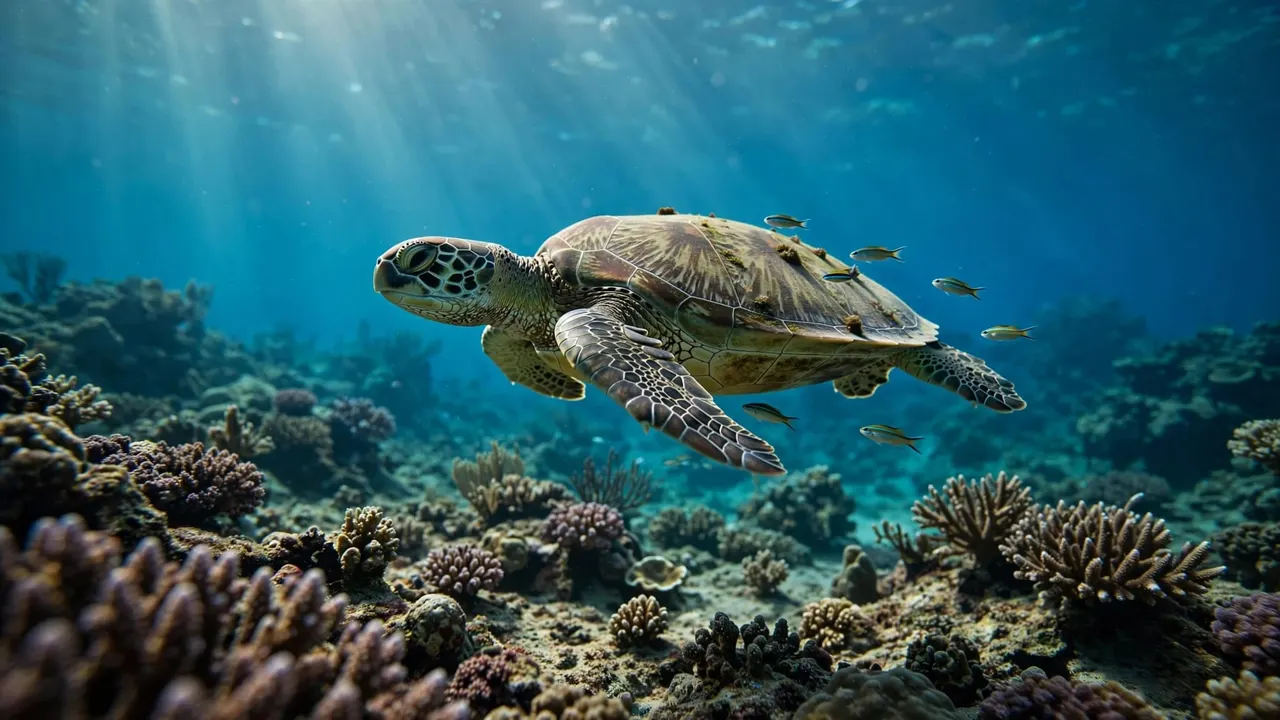
At Turtle Canyon Oahu, your distance from a sea turtle can shape what happens next. Give a turtle room, and you may see it continue swimming or pause near the reef while small fish approach.
With Living Ocean Tours, you can visit this offshore Waikiki reef with professional snorkel guides. Your most important role is to observe without disturbing the animals or their habitat. A little preparation helps you enjoy the encounter while leaving space for natural behavior.
What Makes Turtle Canyon Oahu a Cleaning Station
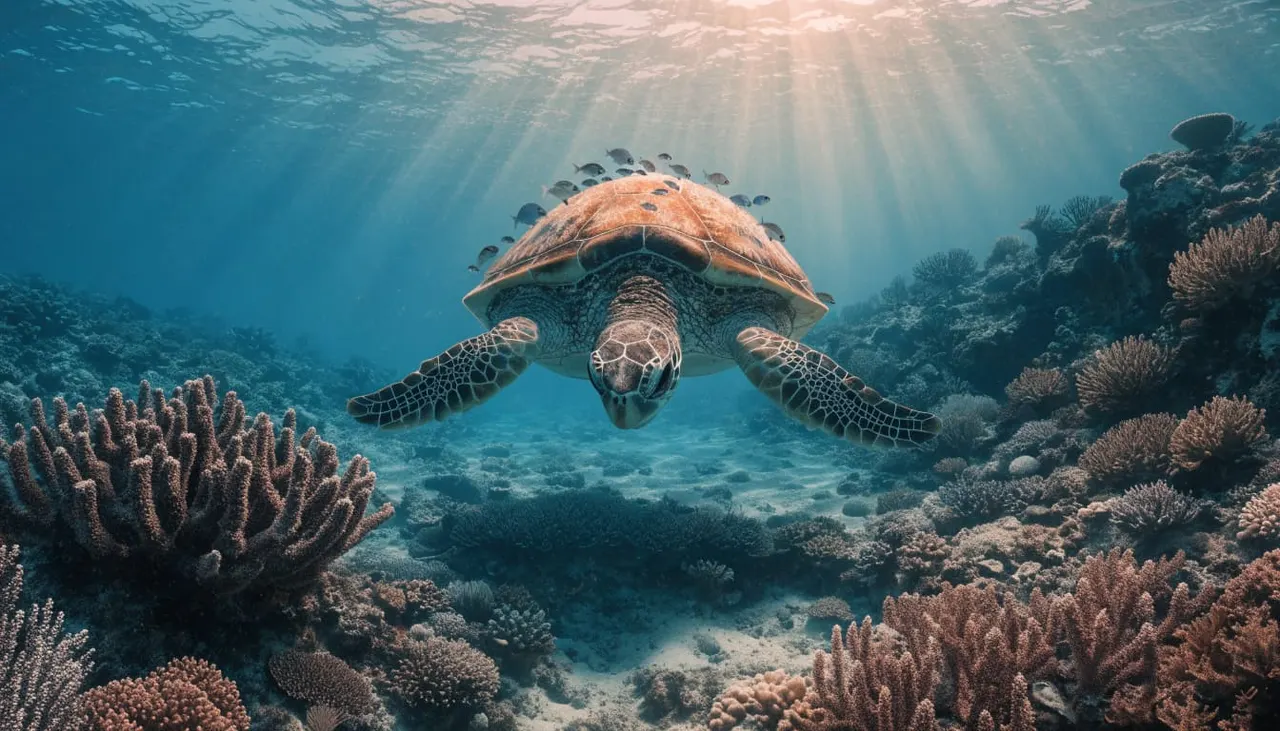
Turtle Canyon is an offshore reef near Waikiki known for its natural turtle cleaning station. Hawaiian green sea turtles, or honu, visit the area, where you may see smaller reef fish approach their shells and skin.
The relationship between turtles and reef fish
At a cleaning station, fish can pick algae and other material from a turtle’s body. The fish gain a food source, while the turtle gets help removing material from its shell and skin.
Look for close, repeated contact between the fish and turtle rather than assuming that every nearby fish is cleaning. You may see a turtle hover while fish approach, but it can also swim away or rise for air at any moment.
A wild encounter has its own timing
Cleaning is only one behavior you might observe. A turtle may pass through the area without stopping, and fish may move around the reef without approaching it.
That uncertainty is part of visiting a wild habitat. Instead of trying to make an encounter happen, settle into a comfortable float and watch what unfolds. Your guide can help you notice activity you might otherwise miss.
How Snorkelers Can Change Turtle Behavior
Your presence in the water can affect how much room a turtle has to move. A single swimmer who follows an animal, or several people who gather around it, can make an open route harder to find.
Following can interrupt a turtle’s path
A turtle that changes direction when a snorkeler approaches may be responding to that swimmer. If you keep following, you may continue to interrupt its movement. A sudden change in speed or direction is a useful cue to stop and give it more room.
Avoid treating a moving turtle as an invitation to keep pace. Instead, let it pass and return your attention to the reef. A brief sighting can still be a rewarding one.
Crowding can restrict access to the surface
Sea turtles breathe air and need a clear route to the surface. If snorkelers position themselves directly above or around an animal, they can crowd that route.
At Turtle Canyon Oahu, your group can reduce that pressure by staying to the side and leaving open water around the turtle. Give other swimmers room too, so nobody needs to move closer to the animal to avoid a collision.
A turtle that swims toward you still needs an open path. Move away calmly rather than holding your position for a closer look.
Give Honu Space During Your Visit
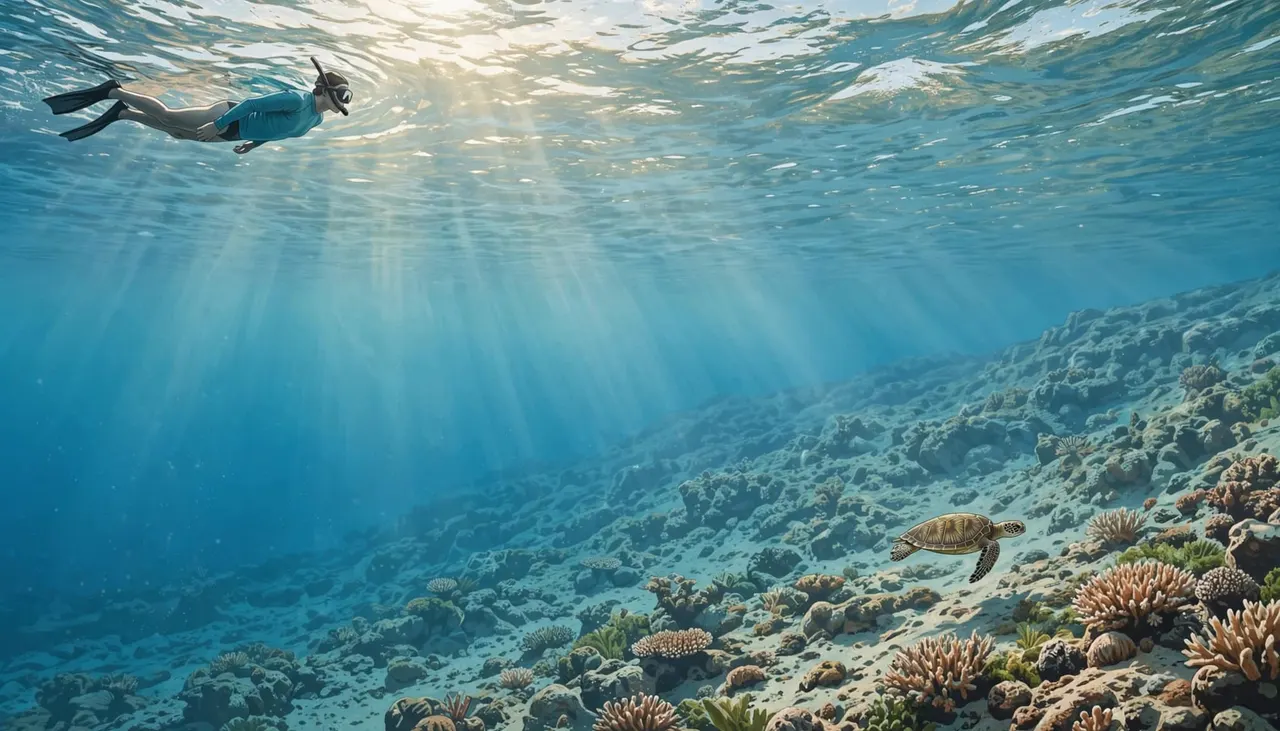
NOAA Fisheries recommends staying at least 10 feet away from sea turtles in Hawaii, both in the water and on land. Its marine-life viewing guidelines give you a useful starting point for judging your position.
Ten feet is a minimum viewing recommendation, not a target to swim toward. More space is appropriate when a turtle is moving, the water is crowded, or conditions make it difficult to hold your position.
If a honu approaches you, stop advancing and move away slowly when you can do so safely. Don’t touch, feed, chase, or surround it. Keep clear of the space above and below the animal, and let it choose its direction.
Hawaiian green turtles are protected under state and federal law. Respectful viewing helps you enjoy them without interfering with their natural activity.
Protect the Reef Beneath Your Fins
Turtles aren’t the only animals affected by visitors. The reef itself provides habitat for fish and other marine life, so your position matters even when no turtle is nearby.
Watch where you kick
A powerful kick can move you closer to coral before you notice. Stay horizontal near the surface, use gentle fin movements, and leave enough depth below you for your legs to clear the reef.
If you need to adjust your mask or rest, move into open water away from the reef first. A flotation aid can help you remain comfortable at the surface. Follow your guide’s directions about where to swim and how to return to the boat.
Leave coral and other animals untouched
Coral may look like rock, but living coral is made up of animals. Contact from hands, feet, or fins can damage it. NOAA’s reef-viewing guidance advises snorkelers not to touch, kick, or stand on coral.
You can also protect the reef by leaving shells and other marine life where you find them. Bring loose belongings back aboard so nothing drifts into the water.
Why Group Behavior Matters at Turtle Canyon Oahu
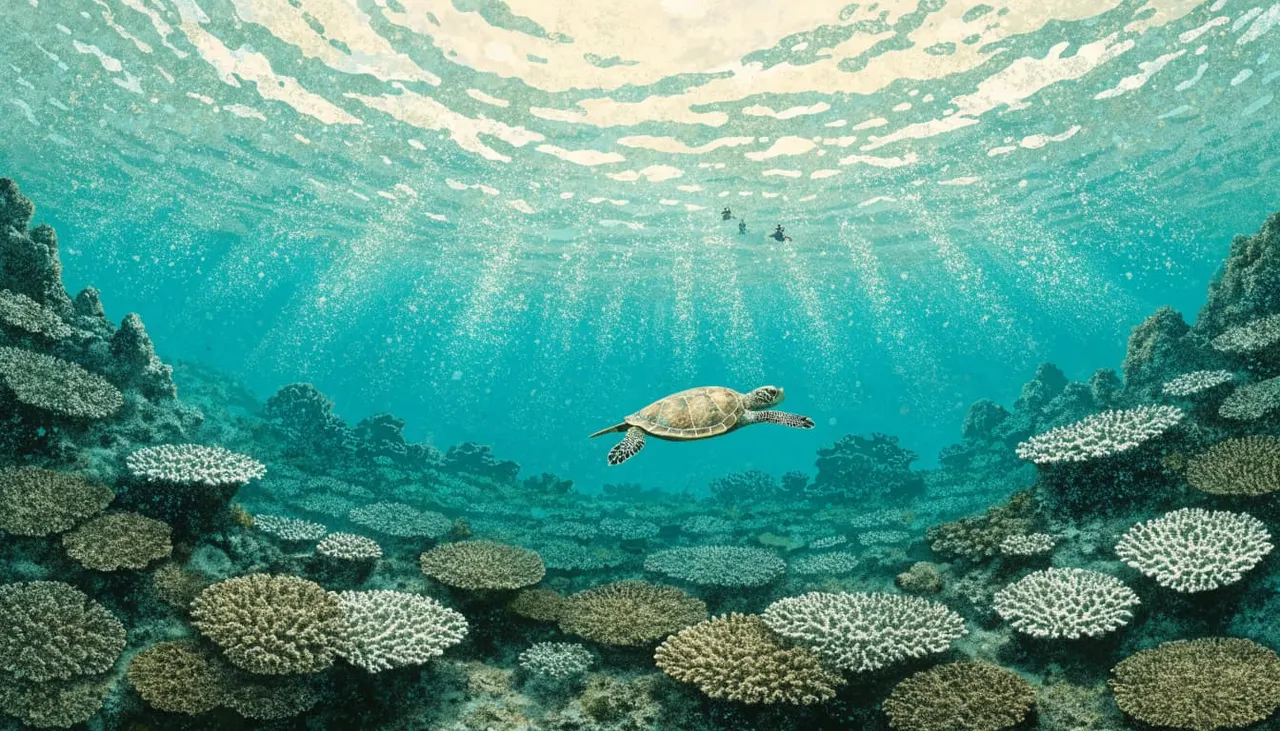
One swimmer may give a turtle plenty of space, while a group approaching from several directions leaves it little room to move. During your Turtle Canyon Oahu visit, pay attention to the positions of other snorkelers as well as your own.
If people are already watching a turtle, stay on the outside of the group rather than moving through them for a closer view. You may need to wait for a clear line of sight. The turtle’s access to open water matters more than fitting everyone into a photograph.
Crowded conditions can also make it harder to manage your fins or notice a turtle rising beneath you. Look around before changing direction, and stay within the area your guide identifies for the group.
Visitor pressure is a potential concern, but you shouldn’t assume that every swimmer causes harm or that a particular encounter proves reef damage. The useful response is to make room, watch carefully, and adjust when the animals move.
What to Look for During a Turtle Encounter
A Turtle Canyon Oahu snorkeling trip offers more to notice than the number of turtles you see. Watching behavior can make even a short encounter memorable.
Notice movement before reaching for a camera
Start by observing the turtle’s direction. It may glide over the reef, pause near fish, or head toward the surface. Keep your position clear of its route and let it move without following.
If you’re taking photos, frame the scene from where you’re already floating. Avoid diving down or cutting across the animal’s path for a closer shot. A wider view can also capture the reef habitat around the turtle.
Give the smaller fish your attention
When a turtle pauses, look for small fish moving close to its shell or skin. You may be able to see repeated contact, although the view depends on the animals and water conditions.
Between turtle sightings, watch a patch of reef for a little while. Fish may appear near ledges or move through the water above the coral. Your guide can help you understand what you’re seeing without asking the wildlife to come closer.
Explore With Our Professional Snorkel Guides
Our Turtle Canyon Snorkel Tour takes you to the offshore reef from Kewalo Basin Boat Harbor, near Waikiki. The two-hour outing includes approximately one hour of in-water snorkeling time.
We provide gear, flotation vests, and a snorkel school to help you get comfortable. Our professional snorkel guides are there to support beginners and help you observe marine life respectfully. Children ages 3 and older are welcome, making the trip an option for families as well as couples and ocean-loving swimmers.
Turtles are wild animals, so sightings and behavior aren’t guaranteed. Whether you see a turtle passing through or fish approaching one near the reef, you’ll have the chance to watch the habitat on its own terms.
For a guided Turtle Canyon Oahu tour, you can CHECK AVAILABILITY.
Prepare for a Comfortable Reef Visit
A calm, comfortable swimmer is better positioned to watch wildlife without accidental contact. Before entering the water, tell your guide about your swimming experience and any concerns you have. Use the flotation support provided if it helps you relax at the surface.
Stay with your buddy and follow your guide’s directions about the swimming area. Water conditions can change, so keep track of the boat and the rest of your group rather than focusing only on the reef below.
If your mask leaks, you feel tired, or you need help, signal the crew. There’s no need to push through discomfort for a turtle sighting. You can take a break or return to the boat.
You can also view turtles and reef fish from aboard if you don’t feel comfortable snorkeling. Our turtle snorkeling excursion gives you a chance to enjoy Waikiki’s ocean habitat at your own pace.
Leave Room for the Reef to Work
Your Turtle Canyon Oahu experience is richer when you give wildlife time and space. A turtle may continue on its way, or you may see fish approach while it pauses above the reef.
Keep your fins clear of coral, stay aware of other swimmers, and let each animal choose where it goes. Your patient observation helps leave the cleaning station open for the creatures that use it.


