
Turtle Canyon Oahu: Warm Sand and Turtle Sex Ratios
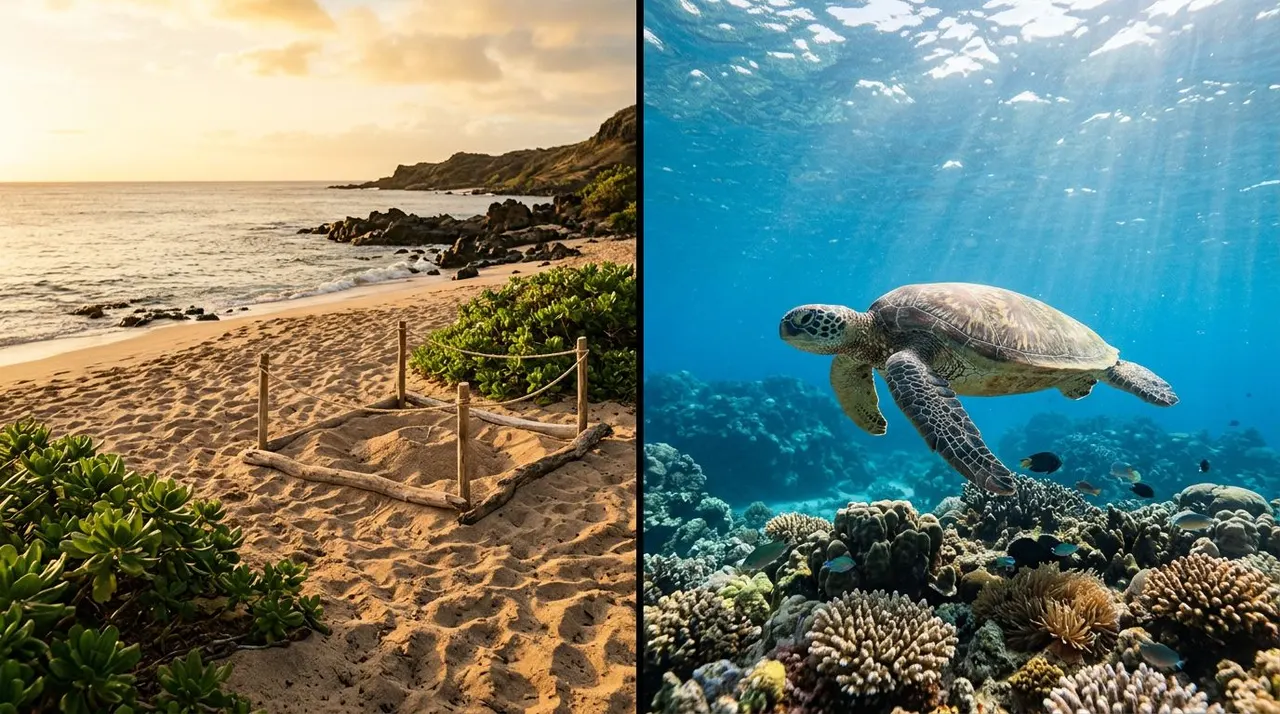
Warmer nesting sand generally produces more female green sea turtles, while cooler sand produces more males. Your Turtle Canyon Oahu encounter happens offshore, but the future of those turtles begins inside eggs buried on distant beaches.
With Living Ocean Tours, you can enjoy that reef encounter while understanding why nesting habitat matters. The connection starts with a distinction: the water where you watch a turtle doesn’t determine its sex, but its incubation environment did.
Key Takeaways
- Warmer incubation usually favors female hatchlings, while cooler conditions favor males. Extremely high temperatures can also threaten developing eggs.
- Turtle Canyon is an offshore reef and cleaning-station habitat, separate from the beaches where green turtles nest.
- Hawaiian nesting research needs careful interpretation. Historical nest-temperature estimates don’t establish the sex ratio of turtles you see while snorkeling.
- Your most useful contribution is respectful observation, with room for turtles to rest, swim, and surface naturally.
Turtle Canyon Oahu Is Reef Habitat, Not a Nesting Beach
What you can watch offshore
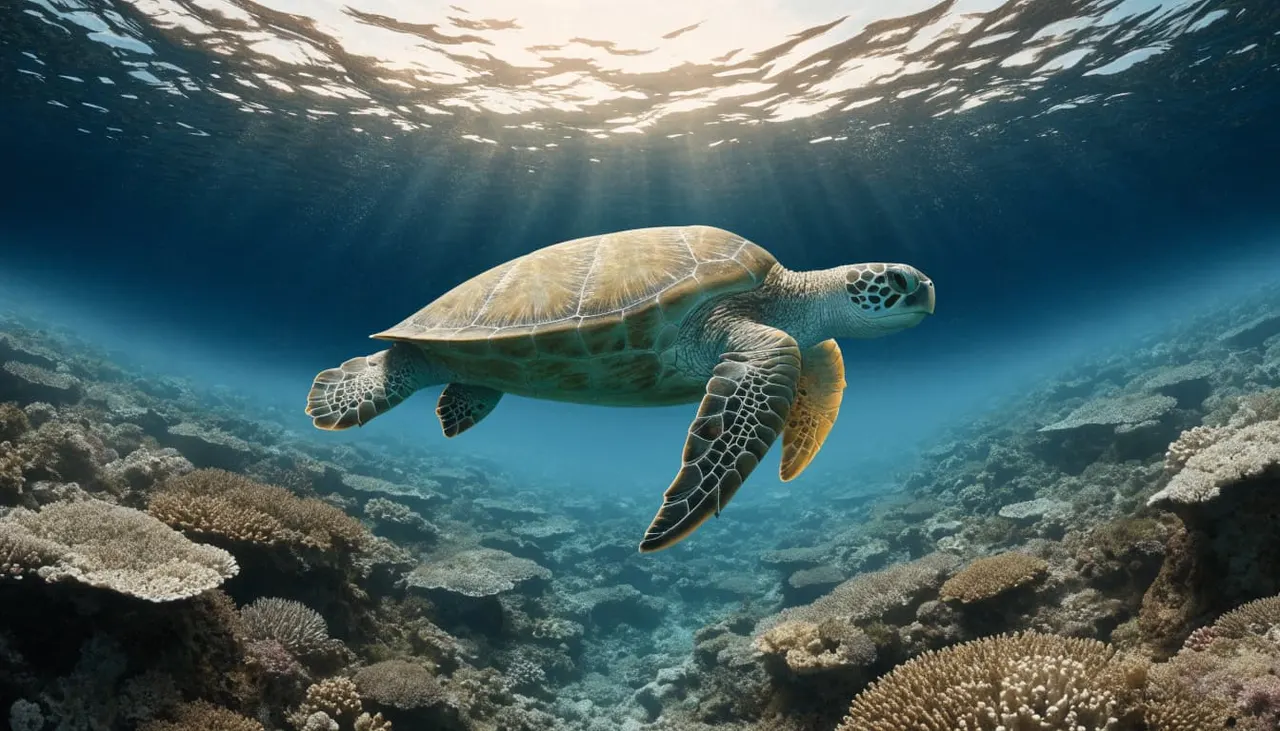
Off Waikiki, Turtle Canyon offers reef habitat where Hawaiian green sea turtles, called honu, may visit natural cleaning stations. Small reef fish remove algae and other material from their shells and skin.
During your visit, you might watch a turtle hover above the reef or rise toward the surface for air. Several turtles can use the same area without traveling together or sharing a lasting social bond.
The reef draws them because it provides useful habitat. Their nesting origins are a separate part of the story.
What a sighting can’t reveal
Green turtles lay their eggs on land. Consequently, an underwater encounter doesn’t identify the beach where that turtle hatched or the temperatures its nest experienced.
You also can’t determine the population’s hatchling sex ratio by counting turtles around a cleaning station. Young males and females look similar externally, while identifying mature animals still requires appropriate expertise.
Enjoy the behavior you can observe without treating a snorkeling encounter as biological sampling. That work belongs to authorized research programs.
How Warm Sand Changes Green Turtle Sex Ratios
Temperature influences development inside the egg
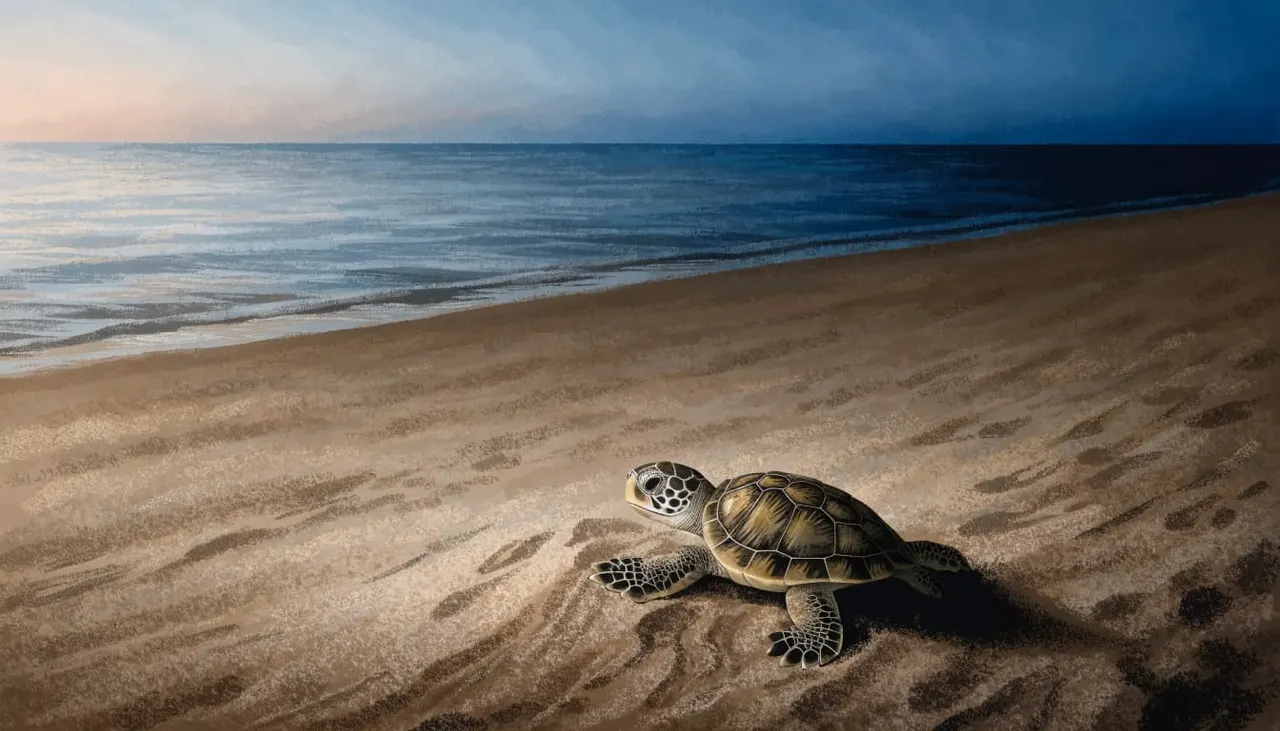
Green turtles have temperature-dependent sex determination. During development, incubation temperatures influence whether an embryo develops as male or female, rather than the sex-chromosome system familiar in humans.
In general, cooler incubation favors males and warmer incubation favors females. The middle portion of incubation is particularly important, so one hot afternoon doesn’t tell you the outcome of an entire nest.
According to NOAA’s explanation of temperature-dependent sex determination, broadly cited reference temperatures include male-producing conditions below 27.7°C (81.86°F) and female-producing conditions above 31°C (88.8°F). These aren’t measured Hawaiian green-turtle cutoffs.
A pivotal temperature isn’t a universal switch
Researchers use the term pivotal temperature for an incubation temperature expected to produce roughly equal numbers of males and females under defined conditions.
However, the relevant temperature varies among populations. Nest temperatures also change throughout incubation, so a beach’s daytime air temperature isn’t enough to predict hatchling sex.
For Hawaiian green turtles, a research review described a pivotal temperature near 29°C (84.2°F) as an estimate informed by captive experiments and comparisons with other populations. It wasn’t a directly established threshold for every Hawaiian nesting beach.
That distinction matters when you hear claims that a particular temperature automatically produces only females.
What Hawaiian Nest Research Shows
Most nesting happens far beyond Waikiki
Your Turtle Canyon Oahu outing takes place near a feeding and resting environment, while most Hawaiian green-turtle nesting happens much farther away.
More than 96% of Hawaiian green-turtle nesting activity occurs at French Frigate Shoals, also called Lalo. This Northwestern Hawaiian Islands location lies within Papahānaumokuākea Marine National Monument.
Green turtles also nest in the Main Hawaiian Islands, more commonly on the northernmost islands. However, an Oahu reef sighting doesn’t establish an individual turtle’s birthplace.
For you as a visitor, the connection is geographic: protecting an offshore turtle population also requires protecting nesting habitat beyond the beaches near your hotel.
Historical nest estimates require careful interpretation
Researchers measured temperatures during the middle third of incubation at Tern Island and East Island in French Frigate Shoals. Their observations covered 2003 and 2004, plus 2007 through 2009.
Recorded temperatures ranged between 23.2°C and 29.8°C. Using the estimated pivotal temperature near 29°C, researchers classified 60 of 68 sampled nests as likely male-biased and eight as likely female-biased.
Those classifications depended on the temperature estimate. They weren’t direct counts of every hatchling’s sex or a population-wide measurement.
The findings also show why you shouldn’t assume all Hawaiian nests already produce mostly females. Different locations and nesting seasons can have different thermal conditions.
A nest-temperature estimate, a hatchling sex ratio, and a count of adult turtles describe different things. Treating them as interchangeable can reverse the meaning of a study.
Why Hotter Nests Create More Than One Risk
A shift toward female hatchlings can affect future breeding populations, but the consequences don’t appear immediately. Green turtles take decades to mature, so today’s adults reflect nesting conditions from many years earlier.
Also, a female-biased hatchling group doesn’t automatically mean reproduction will stop. Future breeding depends on surviving males, mating patterns, and how conditions vary across nesting beaches.
Nevertheless, sustained warming deserves attention. If fewer males enter a population over many years, its breeding structure can change.
Heat creates another problem beyond sex determination. NOAA’s green turtle species overview explains that higher sand temperatures can alter hatchling sex ratios, while sufficiently high temperatures can kill developing eggs.
Therefore, a warmer nest doesn’t simply produce more female turtles indefinitely. At excessive temperatures, it may produce fewer surviving hatchlings.
For your Turtle Canyon Oahu visit, the connection is long-term: healthy-looking turtles offshore still depend on successful reproduction elsewhere. A busy cleaning station alone can’t tell you whether future generations face increasing incubation stress.
How Your Turtle Canyon Oahu Visit Can Protect Honu
Give turtles control of the encounter
NOAA recommends keeping at least 10 feet, or 3 meters, from sea turtles in Hawaii, both ashore and in the water. This is wildlife-viewing guidance; federal and state protections also prohibit harassment and other harmful interactions.
Never touch, chase, feed, or surround a turtle. Leave an open route to the surface because turtles breathe air.
If a turtle swims toward you, stay calm and create space without pursuing it. For families, explaining this before entering the water helps children understand that a good sighting allows natural behavior.
Protect habitat without interfering with nests
Keep your fins above the reef and avoid standing on coral. Slow, controlled movements help you maintain your position without damaging the habitat below.
On beaches, stay outside marked nesting areas and keep your belongings clear of protected zones. Never dig into a suspected nest or attempt to cool eggs yourself.
Nest shading, relocation, and other interventions require trained, authorized personnel. Even well-meant handling can harm embryos or disrupt incubation.
Your role is straightforward: leave wildlife undisturbed and keep litter out of the coastal environment.
Explore the Reef With Our Professional Snorkel Guides
You can put these principles into practice on our Turtle Canyons Snorkel Excursion, departing from Kewalo Basin Boat Harbor near Waikiki. Our turtle snorkeling adventure starts at $79 per person.
At Living Ocean Tours, we’re Oahu’s only tour company with professional snorkel guides. You get guidance that helps you enjoy the reef while respecting the animals using it.
If you’re new to snorkeling, tell our crew before entering the water. Understanding your equipment and following your guide’s instructions helps you focus on the experience.
Our reported turtle-sighting success rate is about 95%, although these are wild animals. For your Turtle Canyon Oahu adventure, the goal is a rewarding encounter that leaves turtles free to behave naturally.
When you’re ready to plan your reef outing, CHECK AVAILABILITY for our turtle excursion.
You can also explore availability across our ocean experiences.
Frequently Asked Questions
Does warm seawater turn male turtles into females?
No. The temperature-dependent process happens during embryonic development inside the egg. Warmer water around an adult turtle doesn’t change its sex.
When you hear about warming and turtle sex ratios, the relevant issue is incubation on nesting beaches. Ocean warming can affect turtles in other ways, but it isn’t the mechanism described here.
Can you identify a turtle’s sex while snorkeling?
A mature male often has a longer tail than a female, but juveniles are difficult to distinguish externally. Viewing angle and maturity also affect what you can recognize.
You shouldn’t approach for a closer inspection. A photograph or brief sighting doesn’t provide a reliable basis for estimating the sex ratio of turtles using the reef.
Should you help a hatchling reach the ocean?
Give hatchlings space rather than handling them. Keep clear of their route and avoid directing bright lights toward the beach.
If trained responders are managing a nesting area, follow their directions. Your assistance is most useful when it prevents disturbance rather than adding another interaction.
Keep the Reef Encounter Connected to the Bigger Picture
Your Turtle Canyon Oahu experience reveals one part of a turtle’s life. Its future also depends on nesting beaches where incubation temperatures influence the next generation.
Warm sand can favor female hatchlings, while excessive heat can threaten survival. Respectful observation lets you enjoy honu without adding pressure to the animals and habitats that make the encounter possible.


