
Turtle Canyon Oahu: Green Turtle Rescue Explained
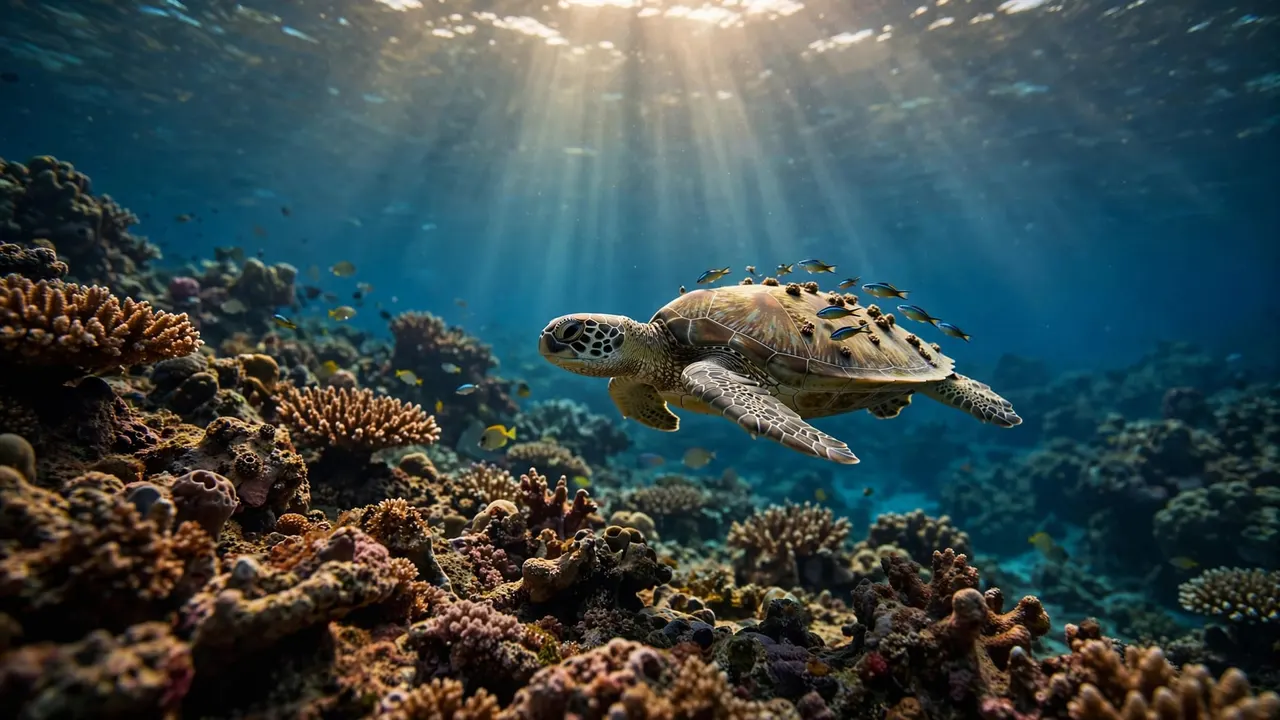
At Turtle Canyon Oahu, green turtle rescue starts with reporting an injured animal to trained responders, not handling it yourself. The reef’s natural cleaning stations are wild habitat, while rehabilitation happens under professional care elsewhere.
At Living Ocean Tours, we bring you offshore from Waikiki to observe Hawaiian green sea turtles, or honu, without interrupting their routines.
Knowing when to watch and when to report a concern helps you protect the animals you’re excited to see.
Key Takeaways
- Turtle Canyon is a natural reef cleaning-station area, not a turtle hospital.
- If you see an injured, entangled, or dead turtle in Hawaii, call NOAA’s Marine Wildlife Hotline at (888) 256-9840.
- Authorized responders decide whether a turtle needs field assistance, transport, or rehabilitation.
- During ordinary wildlife viewing, stay at least 10 feet away and leave turtles room to surface and swim.
What You’re Seeing at Turtle Canyon Oahu
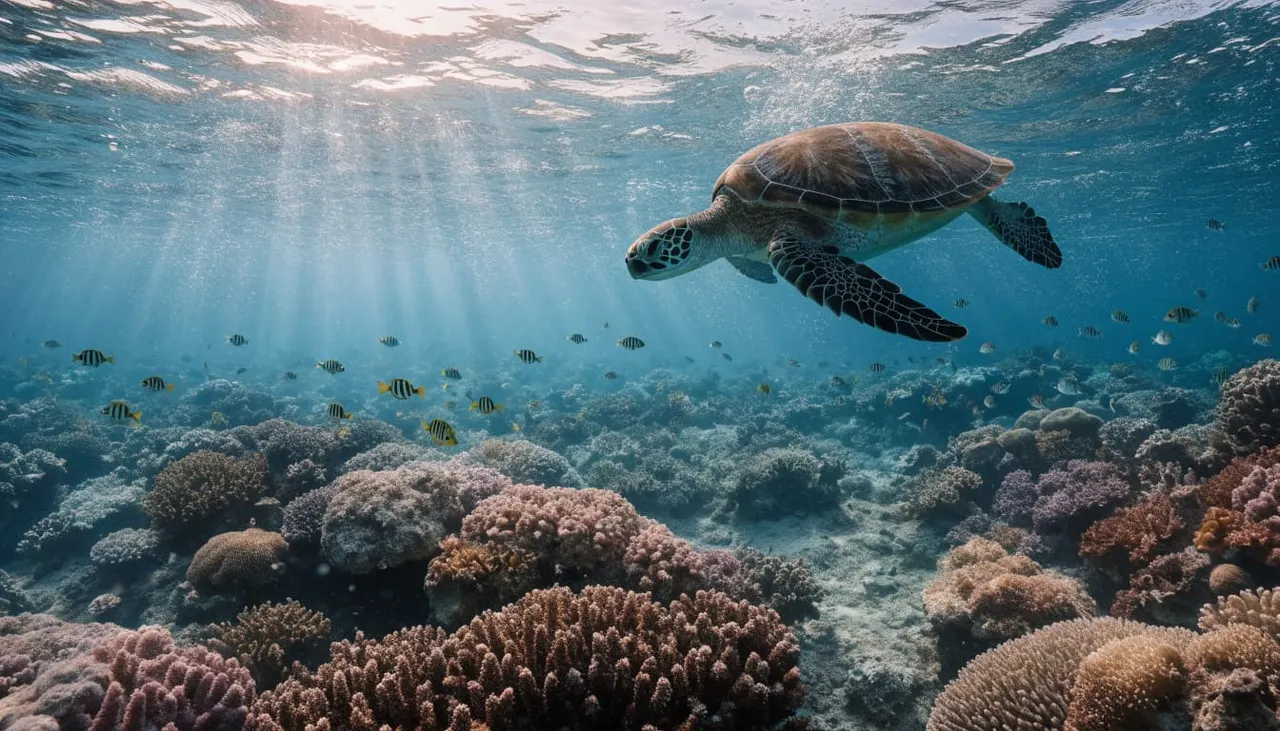
Cleaning stations support normal reef behavior
Offshore from Waikiki, you may see a turtle hovering while small reef fish pick algae and other material from its shell and skin. That interaction explains why turtles pause around certain reef structures.
However, cleaner fish don’t provide medical treatment. They can’t remove an embedded fishing hook, repair a boat-strike injury, or replace veterinary care. A turtle visiting a cleaning station may be following an ordinary routine.
A quiet turtle doesn’t give you a diagnosis
Slow movement, resting near a ledge, and an unhurried ascent can all be normal. Several turtles sharing the reef also don’t prove they’re traveling together.
NOAA’s green turtle species profile describes these air-breathing marine reptiles and the threats they face. Through your mask, you can observe behavior, but you can’t determine a turtle’s overall health.
Give a resting animal space rather than trying to make it move.
When a Green Turtle May Need Help
Look for clear hazards or injuries
At Turtle Canyon Oahu, a visible fishing line wrapped around a flipper deserves attention. So do obvious bleeding, severe shell damage, or a turtle caught in debris.
A turtle repeatedly struggling to submerge or appearing unable to swim normally also warrants a report. Tell your guide what you see, including whether the animal is moving or attached to something.
You don’t need to identify the exact injury before asking for professional help.
Describe the problem without diagnosing it
A swollen area or unusual growth can concern you, but appearance alone doesn’t establish a diagnosis. For example, fibropapillomatosis causes tumors in sea turtles, yet responders need an assessment to understand an individual animal’s condition.
Describe visible features instead: where the growth appears, whether it affects movement, and whether fishing gear is present.
Because distance and water clarity can distort what you see, avoid making confident claims about injuries you can’t clearly distinguish.
How to Report an Injured Turtle
If you notice a turtle in trouble during your Turtle Canyon Oahu outing, alert your guide immediately. Your own safety comes first, especially around currents, boats, or fishing gear.
NOAA lists (888) 256-9840 for injured or dead marine wildlife in Hawaii through its Hawaii turtle reporting guidance.
Give responders useful information without approaching the animal:
- Share the location, including nearby landmarks or a GPS position if available.
- Describe the turtle’s condition and any visible line, hooks, wounds, or abnormal movement.
- Provide photos only if you can take them safely from your existing position.
- Follow the hotline’s instructions and keep other people away.
Don’t pull fishing line, remove hooks, lift the turtle, or attempt to transport it. You can worsen hidden injuries or put yourself at risk.
A turtle can have fishing line below the surface or inside its mouth. Pulling the visible section can cause further injury.
Your report helps dispatchers assess urgency. It doesn’t mean every turtle will need capture or hospital care.
How Green Turtle Rehabilitation Works
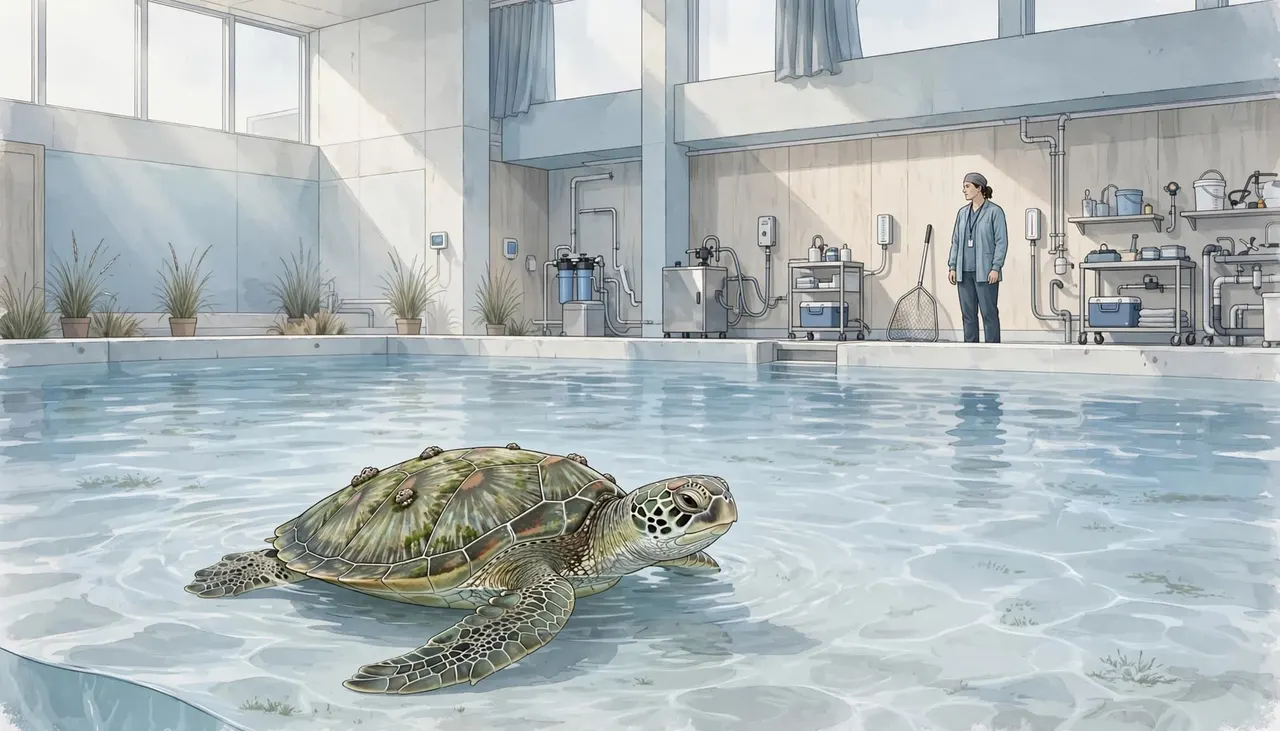
Responders assess before deciding on treatment
Once you report a concern, trained responders use the location, description, and available photographs to decide what happens next. A field assessment helps determine whether the turtle needs assistance where it is or transport for specialized care.
On Oahu, Hawaii Marine Animal Response, known as HMAR, operates a sea turtle emergency-care and rehabilitation center. Its Care Center opened in fall 2024.
You shouldn’t expect every response to follow the same path. The injury, the animal’s condition, and safe access all affect the decision.
Veterinary care addresses the individual problem
For a turtle admitted to rehabilitation, care begins with an examination. Depending on its condition, treatment may include diagnostic imaging, wound care, removal of fishing gear, medication, or surgery.
Staff also manage the turtle’s housing, nutrition, and water conditions. They monitor how it responds rather than treating release as a scheduled event.
Your view of rescue may center on the moment an animal leaves the ocean. However, recovery also depends on daily husbandry and repeated assessment.
A cleaning station supports a natural relationship between fish and turtles. A rehabilitation facility provides medical care that wild reef interactions cannot deliver.
What Makes a Turtle Ready for Release
Recovery means functioning in the ocean
Before release, professionals assess whether a turtle is healthy enough to return to its habitat. Swimming ability, buoyancy control, feeding, and the condition of its injuries all matter.
An animal that looks better may still need treatment. Likewise, a lasting physical change doesn’t automatically rule out release.
You can’t judge readiness from a photograph or a brief poolside observation. The care team evaluates the turtle’s ability to live independently.
One documented case shows what’s possible
NOAA’s 1,000th rehabilitated turtle release involved an adult male green turtle injured by fishing line on Maui.
The turtle underwent examination in Honolulu and needed a damaged front flipper amputated. After rehabilitation, it returned to Maui for release.
That case illustrates an individual outcome, not a standard treatment plan. It also shows why reporting entanglement matters: an injury that looks severe can still lead to a return to the wild.
How to Observe Turtles Without Adding Stress
During an ordinary Turtle Canyon Oahu encounter, follow NOAA’s Hawaii marine wildlife viewing guidance: stay at least 10 feet, or 3 meters, from sea turtles on land and in water.
That distance is a viewing recommendation, not permission to disturb an animal. If a turtle changes direction to avoid you, give it more room.
Keep your movements controlled and your fins clear of the reef. Never touch, feed, chase, or surround a turtle. Also, leave an open route to the surface because turtles breathe air.
When taking pictures, let the animal move through the scene. Following it for a closer frame can interrupt resting or cleaning behavior.
If a turtle approaches, remain calm and make space without reaching toward it. Children benefit from hearing these expectations before entering the water, rather than during an exciting sighting.
Visiting Turtle Canyon Oahu With Our Guides
Our Turtle Canyons Snorkel Excursion departs from Kewalo Basin Boat Harbor, minutes from Waikiki. You receive snorkeling equipment, flotation support, and professional in-water guidance.
At Living Ocean Tours, we’re the only tour company with professional snorkel guides. That support gives beginners and families someone to turn to for equipment help and wildlife-viewing guidance.
Your excursion is an observation trip, not participation in turtle rescue. If you notice a concern, tell our crew rather than approaching the animal.
You can explore our Oahu ocean tours to choose your outing.
For our departure options:
For a turtle-focused outing, CHECK AVAILABILITY for our snorkel excursion.
Frequently Asked Questions
Can you help by removing fishing line yourself?
Don’t attempt it. Line may be embedded, tangled around unseen body parts, or connected to a hook. Keep your distance and report the turtle so trained responders can assess the situation.
How long does turtle rehabilitation take?
There isn’t one standard recovery period. Treatment depends on the injury, complications, and the turtle’s response to care. Professionals assess readiness for release rather than setting a fixed deadline.
Will you see rescued turtles on a snorkeling tour?
You won’t receive a scheduled encounter with rehabilitation patients. Our Turtle Canyon snorkeling tour visits wild reef habitat, where turtles choose when to arrive and leave.
A sighting alone doesn’t reveal whether an animal has previously received treatment.
Give Honu Space and Get Help When Needed
Your most useful role around a turtle is careful observation. Enjoy normal reef behavior without interference, and report clear signs of trouble instead of attempting a rescue.
Professional responders handle assessment and treatment. By giving honu space and sharing useful information when needed, you help protect the wild encounters that make this reef worth visiting.


