
Turtle Canyon Oahu: Understanding Green Turtle Courtship
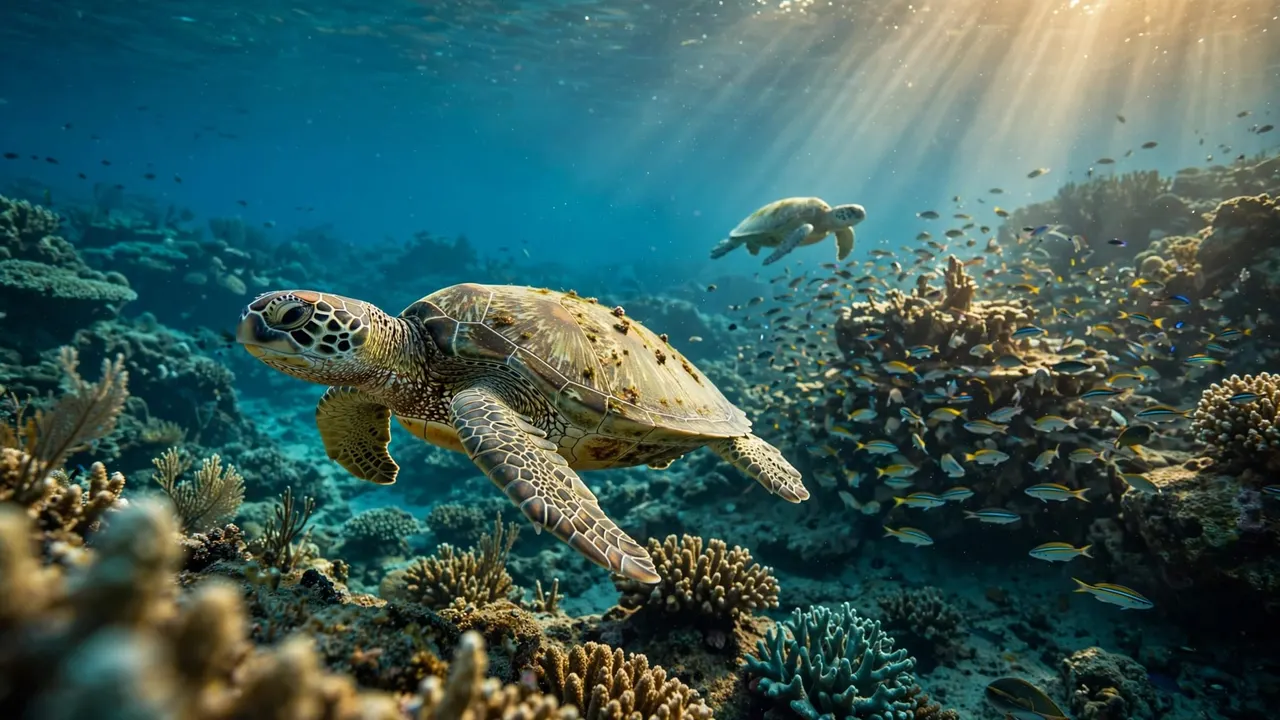
At Turtle Canyon Oahu, seeing two green sea turtles together doesn’t establish courtship. You may watch turtles share reef space, visit a cleaning station, or surface for air without witnessing reproductive behavior.
With us at Living Ocean Tours, you can explore this offshore habitat while learning to observe honu respectfully. The most useful starting point is watching what the turtles do, rather than assigning a mating story to every encounter.
Key Takeaways for Your Turtle Encounter
- Two turtles swimming near each other aren’t enough to identify courtship.
- Turtle Canyon Oahu is known for its natural cleaning-station habitat, where small fish remove material from turtles’ shells and skin.
- Give turtles at least 10 feet of space, and never touch, chase, feed, or block them.
You don’t need to witness mating behavior to enjoy a memorable wildlife encounter. A turtle pausing above the reef can give you plenty to notice.
What a Turtle Encounter Can Tell You
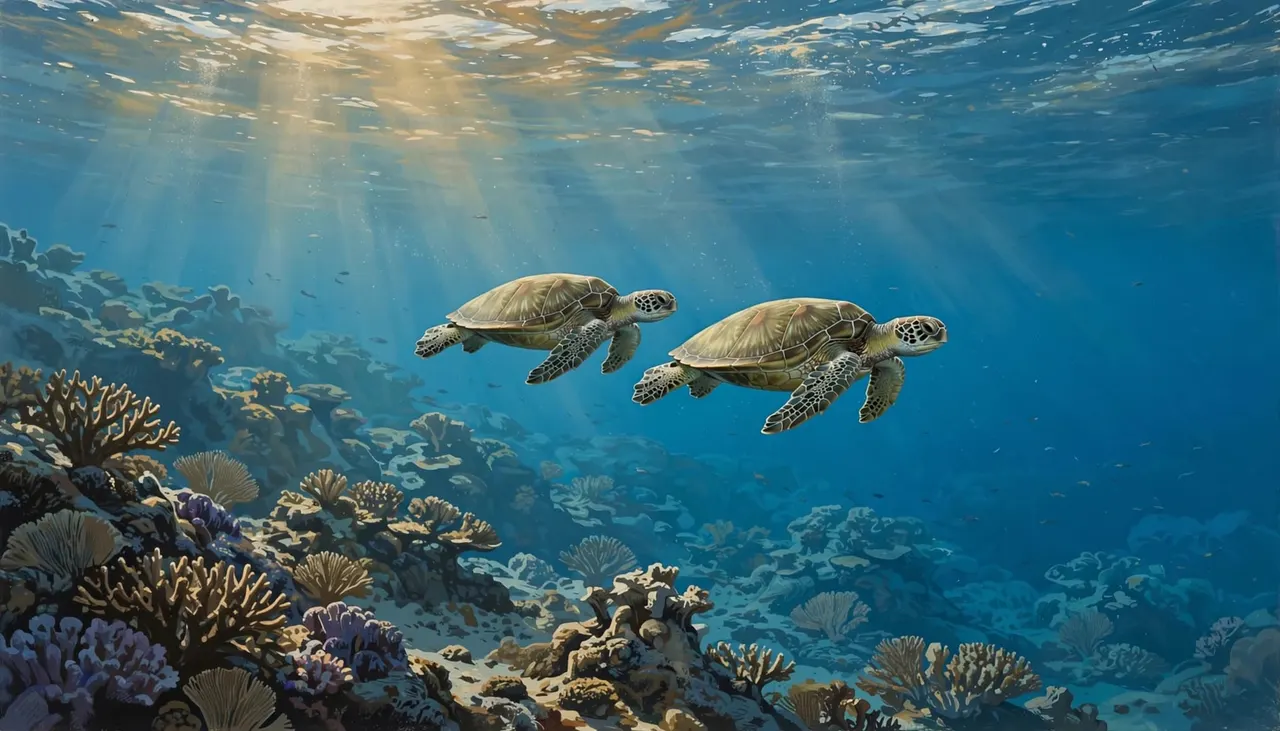
Courtship relates to reproductive interactions, but a brief view through your mask rarely provides the full context.
Describe the behavior before naming it
Start with what you can observe directly. You might see two turtles moving in the same direction, one approaching another, or several occupying nearby reef space.
Those observations are useful without becoming a conclusion about mating. From the surface, you may miss what happened before the encounter or what happens after the turtles disappear.
You can also lose track of which turtle you’re watching when animals cross paths. Keeping your description simple helps you appreciate the encounter without adding details you couldn’t see.
Watch the surrounding reef
Instead of focusing only on a pair, notice the broader scene. Small fish around a stationary turtle may tell you more about the encounter than the presence of another turtle nearby.
Also watch how the animals use the water around them. A turtle rising toward the surface needs room to breathe, regardless of what you think its earlier behavior meant.
If you’re unsure about an interaction, describe it to your guide afterward. A clear observation is more helpful than a confident label based on a few seconds underwater.
Why Turtles Gather at Turtle Canyon Oahu
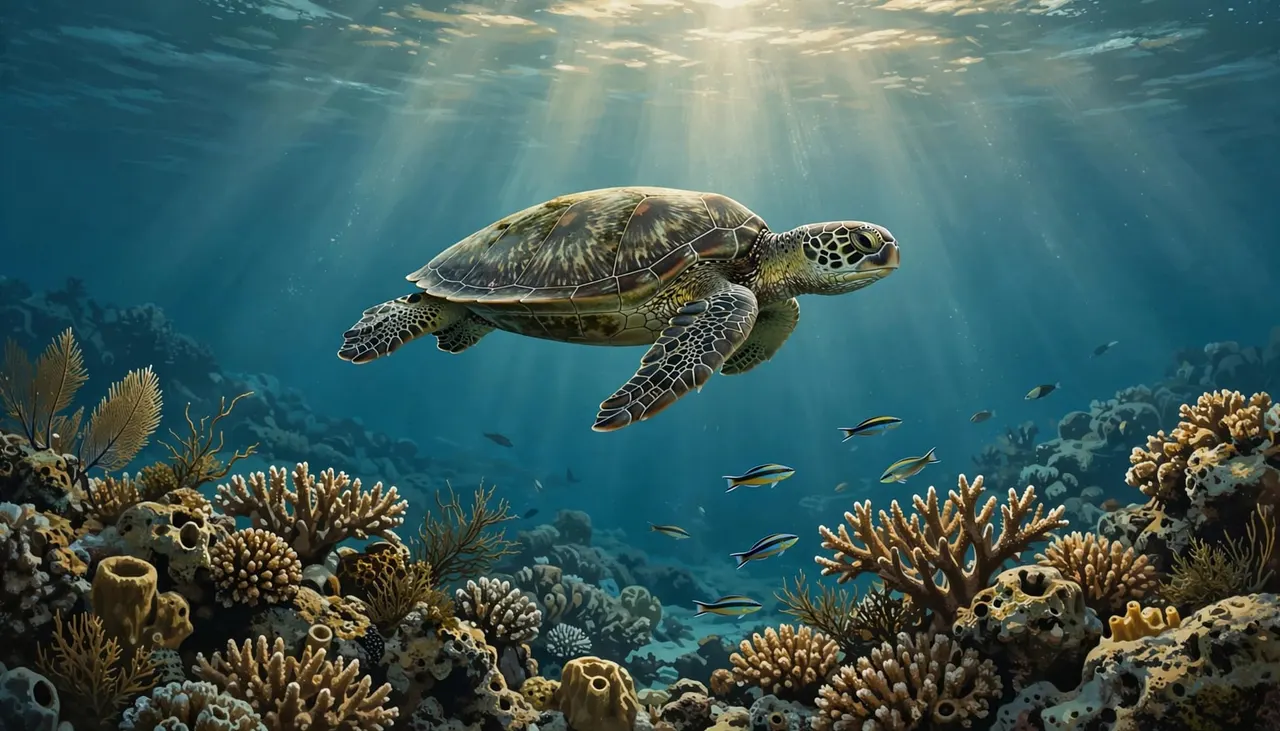
The reef’s cleaning-station habitat gives you a practical explanation for turtles sharing the same area.
Recognize a cleaning-station visit
At a cleaning station, small reef fish pick algae and parasites from turtles’ shells and skin. You may notice a turtle holding relatively still while fish move around it.
That interaction benefits both participants: the fish gain food, while the turtle receives cleaning. It also gives you something to watch without swimming closer.
Keep your attention on the relationship between the fish and turtle. A quiet-looking scene can contain considerable activity once you notice the smaller animals working around the shell.
Separate gathering from reproduction
When several turtles use the same reef feature, their presence doesn’t establish a breeding gathering. A shared cleaning location already provides a reason for them to occupy nearby space.
At Turtle Canyon Oahu, that distinction helps you read the scene more accurately. You can enjoy watching multiple turtles without assuming they’re potential mates.
Meanwhile, remember that the reef supports other marine life. If a turtle moves away, stay with your group and look around the habitat rather than following it into open water. The encounter continues even when your first subject leaves.
Courtship, Mating, and Nesting Are Different
You can keep reproductive behavior in perspective by separating three related ideas. Courtship involves interactions associated with potential mates, mating is a reproductive event, and nesting happens when a female comes ashore to lay eggs.
An offshore snorkeling encounter doesn’t give you access to that entire sequence. You aren’t watching a nesting beach, and you can’t determine a turtle’s reproductive history from its presence beside another animal.
NOAA’s green turtle biological report addresses marine habitat needed for mating and access to nesting beaches. That broader habitat connection matters, but it doesn’t make every reef interaction reproductive.
For your Turtle Canyon Oahu outing, approach courtship as a question rather than an expectation. You can recognize that reproduction is part of a turtle’s life without claiming to identify it during your snorkel.
This also helps you avoid overlooking ordinary behavior. Cleaning, traveling, and breathing are worth watching on their own terms. Each gives you a different glimpse of how turtles use their ocean habitat.
Give Honu Room to Behave Naturally
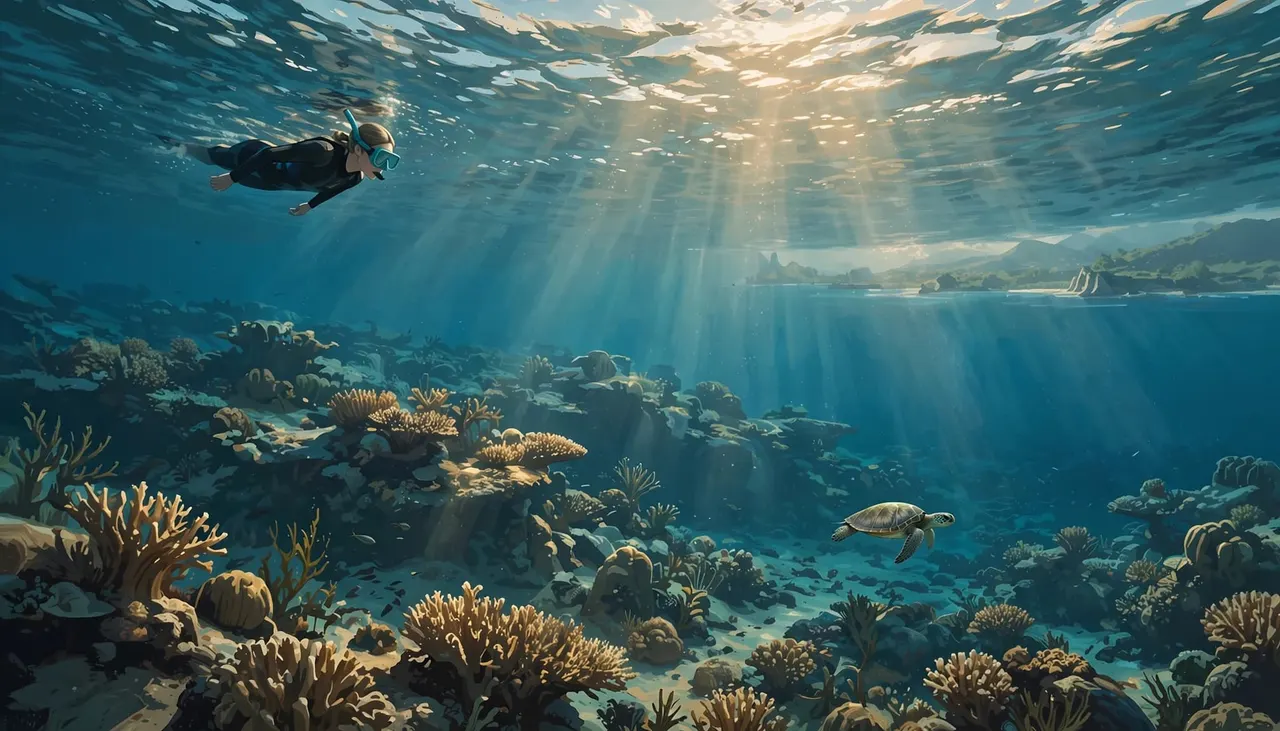
Your response should stay the same whether you’re watching one turtle, several turtles, or an interaction you can’t identify.
Keep the recommended viewing distance
Hawaii’s Department of Land and Natural Resources gives a recommended turtle viewing distance of at least 10 feet (3 meters).
Treat that distance as a minimum, rather than a target you need to approach. If you can watch comfortably farther away, keep the extra space.
Because turtles move, maintaining distance takes attention. Watch their direction and leave an open route instead of positioning yourself where they must pass.
A turtle approaching you isn’t an invitation to reach out. Stay calm, keep your hands to yourself, and give it space to continue.
Leave the route to the surface open
Sea turtles breathe air, so their path upward deserves particular care. Avoid gathering directly over a turtle or surrounding it with other snorkelers.
If it begins rising nearby, make room without chasing alongside it. You can watch from the side rather than trying to share its surfacing moment.
The same principle applies to pairs. Don’t swim between turtles to improve your view or separate yourself from your group for a photograph. Your viewing position should leave the animals free to continue without going around you.
Prepare for a Comfortable Offshore Snorkel
Turtle Canyon Oahu is an offshore reef reached by boat. Preparing for the water helps you spend more attention on wildlife.
Get comfortable before looking for turtles
Listen to the crew’s briefing and speak up if your mask leaks or your breathing feels uncomfortable. Handling those concerns early makes it easier to remain aware of your surroundings.
Use the flotation support provided and stay within the guide’s instructions. You don’t need to dive toward the reef to appreciate the turtles below.
For families, explain the wildlife rules before entering. Children benefit from knowing that success means watching calmly, even when a turtle moves away. Experienced swimmers should follow the same group boundaries.
Let your camera follow your boundaries
Decide on your viewing distance before raising your camera. Then take the photograph available from that position.
NOAA’s Hawaii marine wildlife viewing guidelines advise you never to touch, chase, or feed turtles. They also recommend limiting viewing time to a few minutes.
A camera doesn’t change those boundaries. If getting a clearer image requires pursuing a turtle, let the photograph go. You can still enjoy the encounter without recording every second of it.
Explore Turtle Canyon Oahu With Our Guides
At Living Ocean Tours, we depart from Kewalo Basin Boat Harbor, minutes from Waikiki. We’re the only tour company with professional snorkel guides in the water with you.
You receive instruction and support that help you manage unfamiliar gear while observing wildlife respectfully. Tell our crew if you’re nervous before entering, so we can help you get comfortable.
You can explore our guided Oahu snorkeling options when planning your time on the water.
Our Turtle Canyons Snorkel Excursion focuses on the natural cleaning-station habitat. You receive snorkel equipment, flotation support, and professional guidance for your reef visit.
The aim is a rewarding wildlife experience with room for the turtles to behave naturally. Courtship isn’t a scheduled feature of the outing, and you don’t need to identify reproductive behavior to enjoy your time underwater.
Frequently Asked Questions
Does seeing two turtles mean they’re courting?
No. Proximity alone doesn’t establish courtship. You may be watching turtles using the same cleaning station or traveling through nearby water. Describe what you can see without assuming a reproductive relationship.
Is Turtle Canyon Oahu a nesting beach?
No. It’s an offshore reef site where you snorkel from a boat. Nesting takes place ashore, so watching turtles here is a different experience from observing a nesting beach.
What should you do if a turtle swims toward you?
Stay calm and give it room. Don’t reach out, follow closely, or block its route to the surface. Follow your guide’s directions while maintaining space between yourself and the animal. If you’re holding a camera, keep awareness of the turtle’s movement beyond your screen.
Enjoy the Encounter Without Forcing a Label
A meaningful turtle encounter starts with careful observation. Notice the cleaning fish, leave the surface route open, and give honu space to move.
You may leave without identifying courtship, yet still gain a clearer understanding of the reef. Watching turtles on their own terms is the experience worth bringing home.


