
Turtle Canyon Oahu on a Map: Find the Offshore Reef
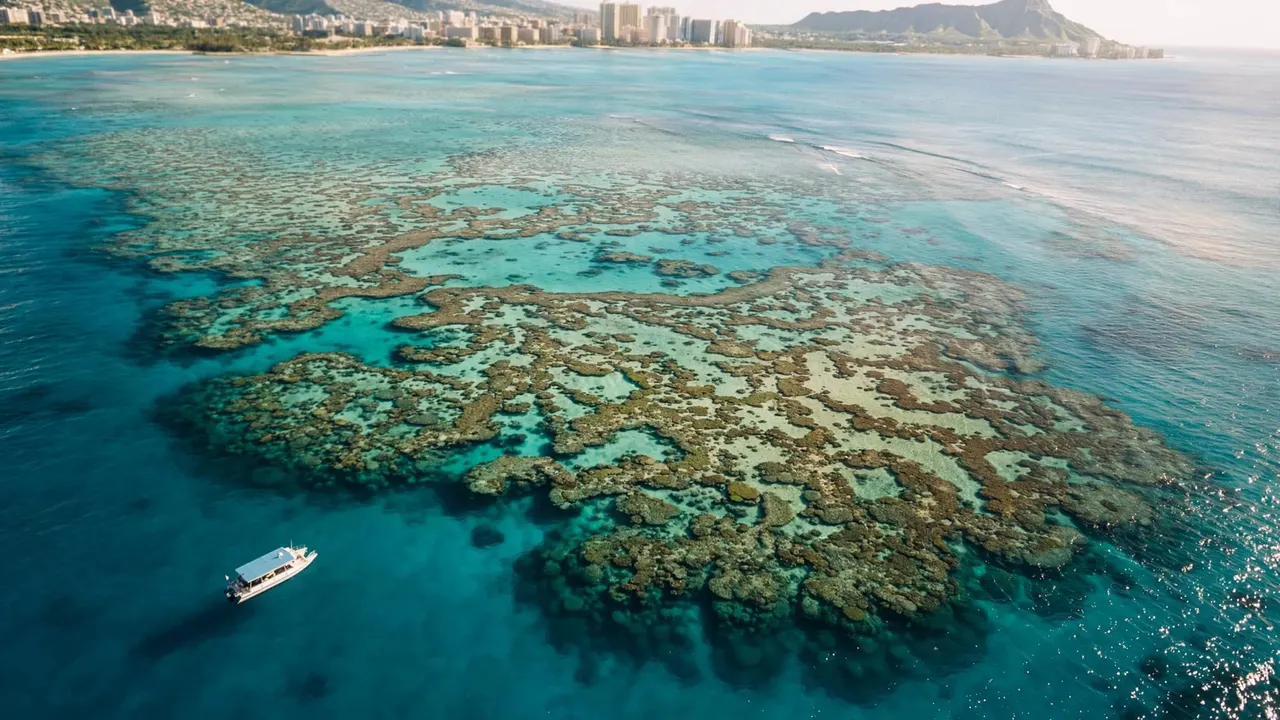
Turtle Canyon Oahu is an offshore reef near Waikiki on Oahu’s south shore. On a map, you’re looking for a location in the ocean, not a beach entrance, coastal parking lot, or hiking trail.
That distinction makes planning much easier. At Living Ocean Tours, we bring you to this reef habitat by boat, where Hawaiian green sea turtles may visit natural cleaning stations.
Start with the offshore location, then separate the reef you want to visit from the land-based departure point you’ll use to reach it.
Key Takeaways
- Turtle Canyon Oahu sits offshore of Waikiki, within the larger reef environment along Oahu’s south shore.
- You visit the snorkeling site by boat rather than walking into the water from a beach.
- A map pin gives you general orientation, but it doesn’t describe currents, visibility, or turtle activity.
- Turtle Canyon and Turtle Canyons refer to the same general snorkeling destination.
- Your land-navigation destination is your boat departure point, not the reef itself.
Where Turtle Canyon Oahu Sits on the Map
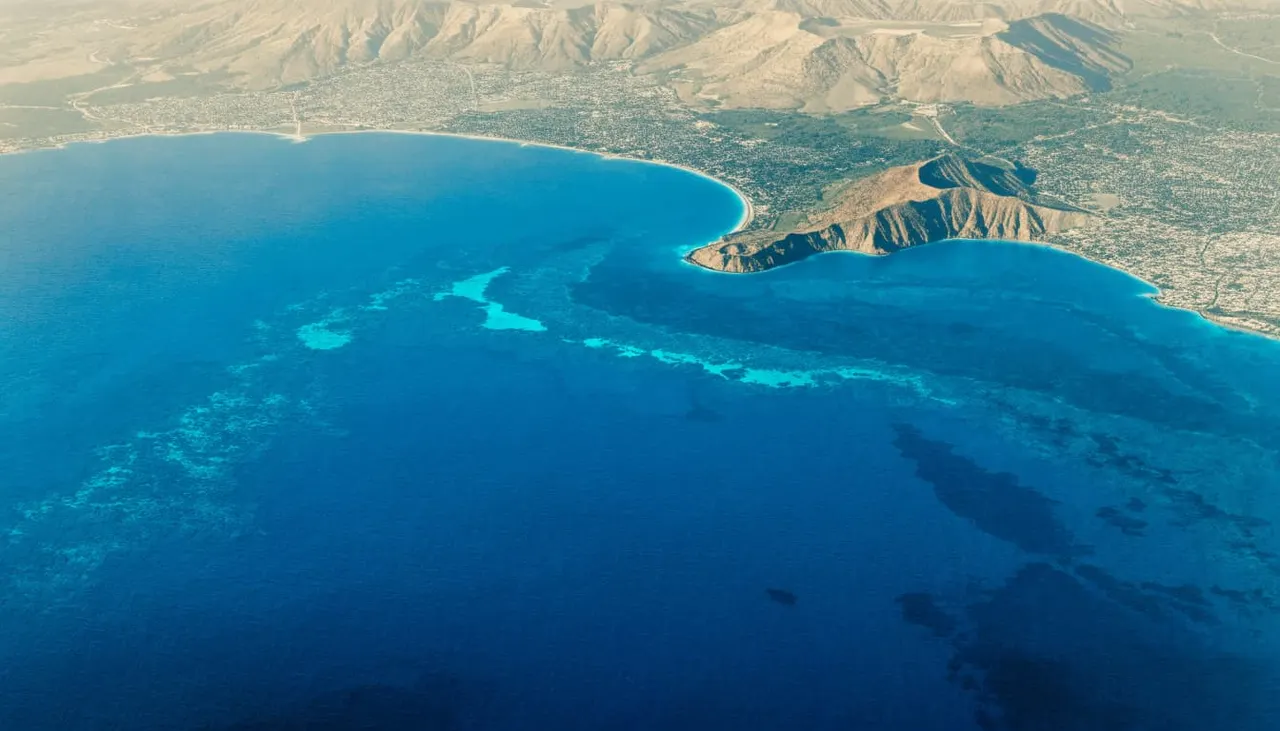
Coastal reef illustration for general orientation, not navigation.
Begin with Waikiki and the South Shore
First, locate Honolulu on the southern side of Oahu. Then find Waikiki along the coast. Turtle Canyon belongs in the offshore water near that shoreline, rather than elsewhere around the island.
This gives you the right geographic context without suggesting a precise swimming route. As Hawaii Guide’s location overview explains, Turtle Canyon is an offshore reef reached by boat, rather than a shore-snorkeling beach.
When you map Turtle Canyon Oahu, keeping Waikiki visible helps you understand the relationship between your hotel area and the reef. However, proximity on a screen doesn’t make the site a beach entry.
Read the Water Around the Pin
A familiar map app emphasizes roads, buildings, and business names. Offshore, those familiar details disappear, so a reef destination can look like an isolated marker in empty blue water.
That blue area contains underwater terrain. Rocky surfaces, coral growth, sandy openings, and changing water conditions influence what you see during a snorkel.
Because the reef continues beneath the surface, a single marker simplifies a larger habitat. Read it as a general location reference, rather than a boundary around every turtle, coral head, or snorkeling route.
What a Map Pin Tells You, and What It Doesn’t
A map is useful for organizing your day, but its information changes when your destination is offshore. The most important distinction is between finding the attraction and reaching your boat.
Separate the Reef from Your Arrival Address
For driving, walking, or a rideshare, use your boat departure address as the land destination. Entering an offshore reef name can produce a result that has no usable arrival point.
Your route to boarding and your boat’s route to the reef are separate parts of the trip. Keeping them separate prevents a common planning mistake: arriving at Waikiki Beach with snorkeling equipment and expecting to enter Turtle Canyon from shore.
An offshore reef pin identifies where the experience happens. Your departure address identifies where your trip begins.
The distinction also helps when sharing plans with friends. Send your group the boarding destination for meeting up, rather than an ocean marker.
Use Each Map View for Its Strengths
Different map views answer different questions.
| Map view | What it helps you understand |
|---|---|
| Island view | Turtle Canyon’s south-shore setting |
| Waikiki-area view | The reef’s relationship to the coastline |
| Street map | Your route to the boat departure point |
| Satellite view | Broad coastal features, not live ocean conditions |
Use the island view for orientation and the street map for transportation. Satellite imagery can add context, but it can’t tell you whether the water will be clear or comfortable during your visit.
What Lies Beneath the Offshore Location
A Reef Environment, Not a Documented Geological Canyon
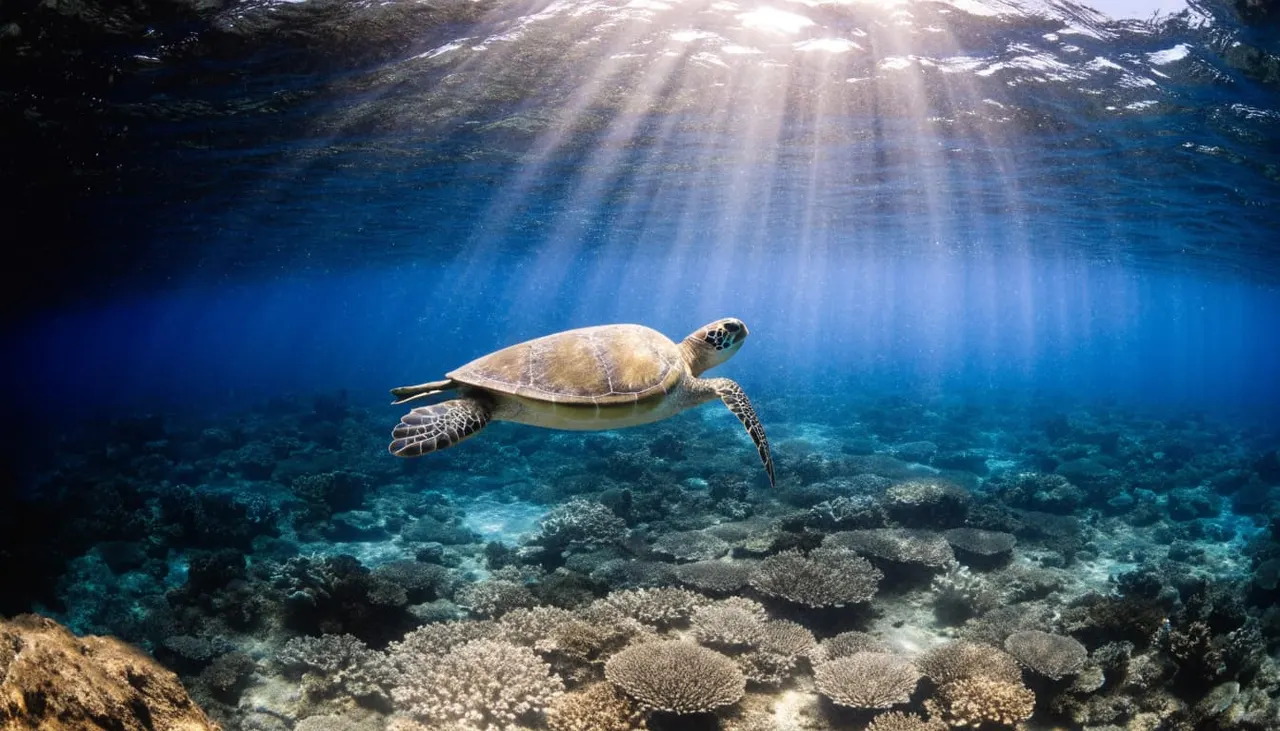
The name can suggest a dramatic underwater gorge. A more useful picture is a reef environment with changing contours, rocky ledges, coral heads, and open patches.
Oahu’s volcanic foundation came first. Coral growth, erosion, sediment movement, and changing sea levels later helped shape reef environments around the island.
However, that island-wide history doesn’t establish a dated formation story for Turtle Canyon itself. You don’t need a canyon origin story to appreciate the terrain beneath you.
As you float, differences in background also affect what you notice. A turtle crossing pale sand can stand out more clearly than one moving beside darker rock. Let your eyes scan the wider reef instead of concentrating on one patch.
Cleaning Stations Explain the Wildlife Connection
Hawaiian green sea turtles, called honu, may pause around reef areas where small fish remove algae and other material from their outer surfaces.
That interaction helps explain the site’s appeal. Love Big Island’s sea turtle guide identifies Turtle Canyon offshore of Waikiki as a place where turtles can usually be seen.
Still, a cleaning station operates on the animals’ schedule. You may watch a turtle hover near fish, rise to breathe, or leave the area. The map locates habitat; the turtle chooses its movements.
Reaching the Reef with Living Ocean Tours
Once you understand the location, boat access becomes the practical next step. Our Turtle Canyons Snorkel Excursion brings you to this offshore setting with a crew focused on your experience in the water.
We’re the only tour company with professional snorkel guides in the water with you. For first-time snorkelers, that support helps you understand the equipment, follow directions, and settle into the experience without trying to interpret the reef alone.
You still need to communicate your comfort level. Tell your guide if you’re new to snorkeling or uneasy in open water, and follow the briefing before entering.
For couples and families, the value is straightforward: you can focus on the reef while our crew handles the boat-based approach. You don’t have to turn an ocean map pin into a swimming plan.
You can browse our available ocean experiences below.
For the reef-focused excursion, CHECK AVAILABILITY and choose the departure that fits your day.
Why the Location Doesn’t Guarantee Calm Water
Turtle Canyon Oahu is near Waikiki, but it remains an ocean environment. A convenient location doesn’t promise calm water, unlimited visibility, or effortless swimming.
Conditions Change What You Can See
Wind, waves, currents, and suspended material can affect your view. A reef that looks inviting in a photograph may look different through your mask on another day.
Water clarity and water movement are also separate factors. You can have a clear view beneath you while still feeling movement at the surface.
Instead of judging conditions by the map, follow the crew’s assessment and instructions. If you feel uncomfortable, speak up early. Your experience should match your ability and comfort.
Give Wildlife Room to Move
The reef’s location matters less to a turtle than its immediate surroundings. Your position in the water can affect whether an animal has an unobstructed route.
Float above the reef, keep your fins away from coral, and avoid pursuing turtles. Never touch, feed, surround, or block them.
Pay particular attention when a turtle rises for air. Leave its path open and let it pass without moving closer for a photograph. A patient view often reveals more behavior than chasing a brief encounter.
Frequently Asked Questions About the Location
Can You Walk to Turtle Canyon Oahu?
You can’t walk to the snorkeling site because it’s offshore. Walking to Waikiki Beach brings you to the shoreline, not to the same reef destination visited by boat.
This matters even if your hotel is close to the ocean. Beach access and offshore reef access are different experiences, so plan transportation around your boat departure rather than the nearest stretch of sand.
Are Turtle Canyon and Turtle Canyons Different Places?
Both names refer to the same general offshore snorkeling area near Waikiki. You may see the singular version in travel descriptions and the plural version in tour names.
For planning, the meaningful details are the Waikiki offshore setting and boat-based access. A small naming difference doesn’t change the basic geography. Keep those location details in mind when comparing descriptions.
Does a Turtle Canyon Map Show Where Turtles Will Be?
A map shows the general reef location, not live turtle positions. Wild turtles move between reef areas, open water, and the surface as they go about their activities.
Cleaning-station behavior helps explain why turtles use the habitat, but it doesn’t fix them in place. During your snorkel, watch the surrounding water as well as the bottom. A turtle may move through your view without pausing near the reef.
Put the Offshore Location into Your Plan
Understanding Turtle Canyon Oahu starts with one distinction: you’re visiting offshore reef habitat, so your journey begins at a boat departure point.
Use Waikiki to orient yourself on the island map, then separate your land route from the boat trip. Once you’re on the water, let your guide’s directions and the turtles’ movements shape the experience.
The map gets you oriented. Patient, respectful observation helps you appreciate the reef when you arrive.


