
Turtle Canyon Oahu: Can Turtles Feel Their Shells?
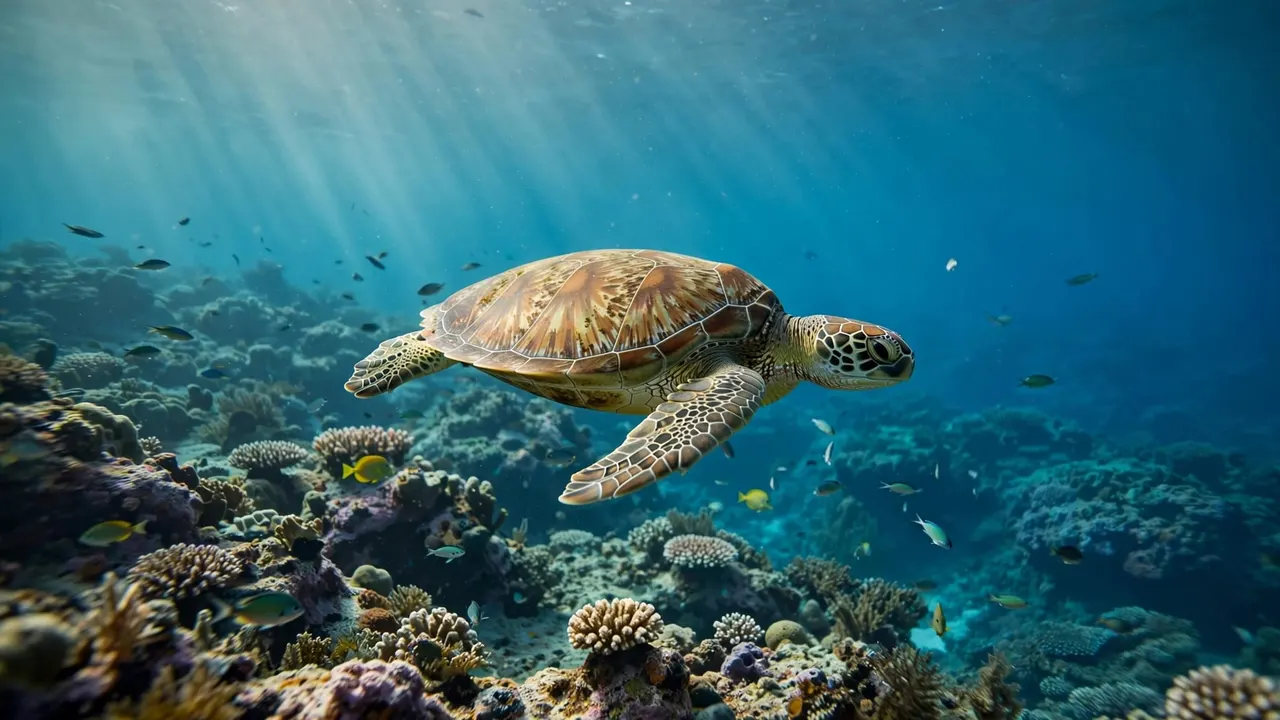
Yes, green sea turtles can feel touch through their shells because their shells are living parts of their bodies. At Turtle Canyon Oahu, that means a gentle pat still makes contact with a sensitive, protected animal.
With Living Ocean Tours, you can watch Hawaiian green sea turtles, or honu, without touching or interrupting them. The most rewarding encounter gives you a view of their natural behavior while leaving them room to choose their path.
Understanding what lies beneath that patterned shell makes a hands-off snorkeling experience even more fascinating.
Key Takeaways
- A green turtle’s shell contains living bone and sensitive tissues beneath its outer covering.
- Small fish cleaning a turtle’s shell don’t make human touching appropriate.
- NOAA recommends staying at least 10 feet (3 meters) away from sea turtles, both underwater and ashore.
- Your Turtle Canyon Oahu visit should focus on observation, with no touching, chasing, feeding, or blocking a turtle’s route to breathe.
You don’t need physical contact to have a memorable encounter. Watching a turtle settle above the reef often reveals much more than following it.
How a Green Turtle’s Shell Senses Touch
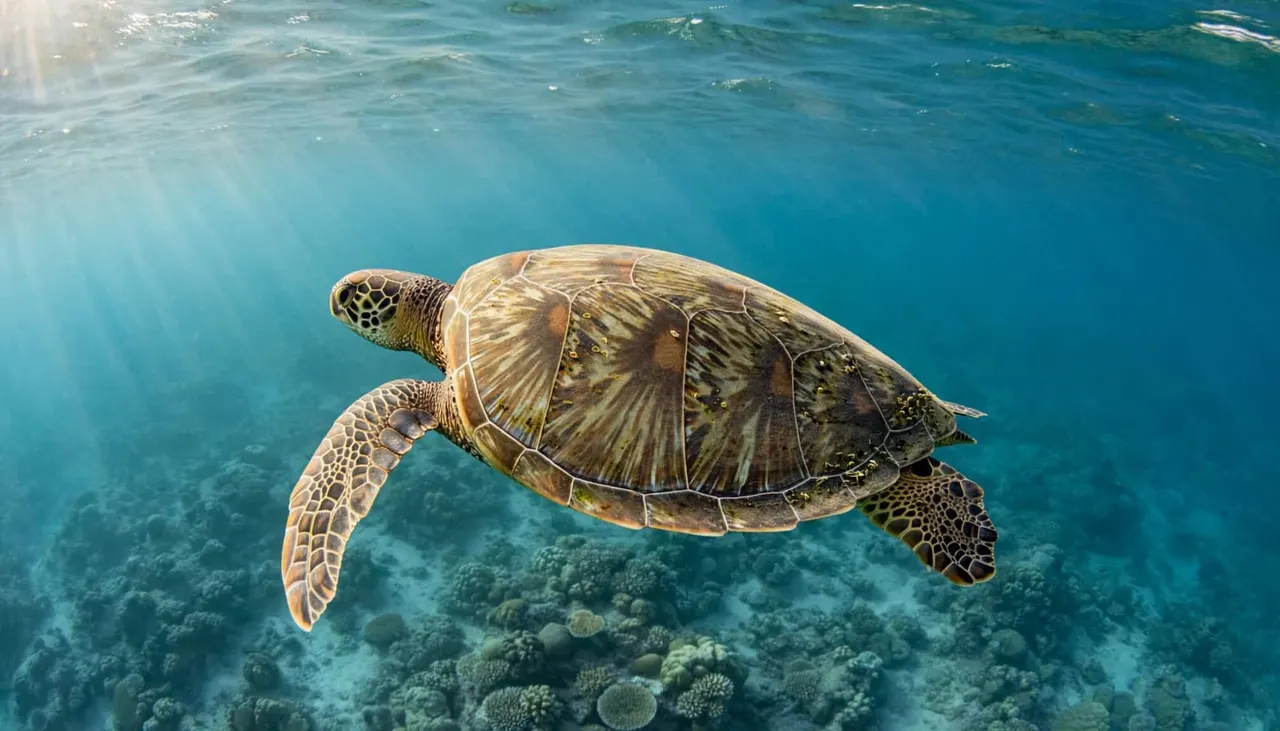
The shell is connected to the turtle’s skeleton
When you look at a green turtle, you’re seeing part of its body, rather than removable armor. The upper shell, called the carapace, incorporates ribs and vertebrae. The lower portion is the plastron.
Beneath the surface are living tissues with blood vessels and nerves. Because of that connection, a turtle can detect contact through its shell. Shell injuries can also hurt and require veterinary care.
Jeanette Wyneken’s sea turtle anatomy reference, published through NOAA, details how the shell fits into the animal’s skeletal structure. You can’t separate that protective surface from the turtle itself.
The outer scutes don’t make touching harmless
The patterned plates covering a green turtle’s shell are called scutes. They contain keratin, the same structural protein found in your fingernails.
However, a keratin covering doesn’t make the living structures underneath insensitive. Pressure against the shell can still reach those tissues. You also shouldn’t assume a turtle experiences every sensation exactly as you do.
For snorkeling, the practical point is straightforward: rubbing, tapping, or holding the shell affects a living animal. Its hard surface offers protection, but it doesn’t give you permission to handle it.
That applies even when a turtle looks relaxed or continues swimming after contact.
Why Turtle Canyon Oahu Draws Green Sea Turtles
You’re visiting a natural cleaning station
Turtle Canyon is an offshore reef area near Waikiki where green sea turtles visit cleaning stations. Small reef fish pick algae and other material off the turtles’ shells and skin.
If you float patiently, you may see a turtle hold its position while fish gather around it. That pause gives the fish access to places they can clean.
Instead of swimming closer, watch the interaction develop. Notice how the turtle adjusts its position and how the fish move around it. Those details make the encounter interesting without any need to interfere.
Because you’re watching wildlife, every visit unfolds differently. The turtles decide whether to arrive, linger, surface, or leave.
Cleaning fish aren’t an invitation to touch
Seeing fish make contact with a shell can create the wrong impression. A natural cleaning relationship doesn’t mean a turtle welcomes contact from a swimmer.
You’re much larger than a reef fish, and an approaching hand creates a different encounter. Reaching toward a turtle can also put your body directly across its swimming route.
You shouldn’t try to remove algae or anything else from a turtle’s shell. Likewise, never pull on fishing line attached to an animal. Tell your crew instead so they can seek appropriate assistance.
Your role is to observe the cleaning station while allowing its usual activity to continue.
Give Turtles Space Above and Below the Reef
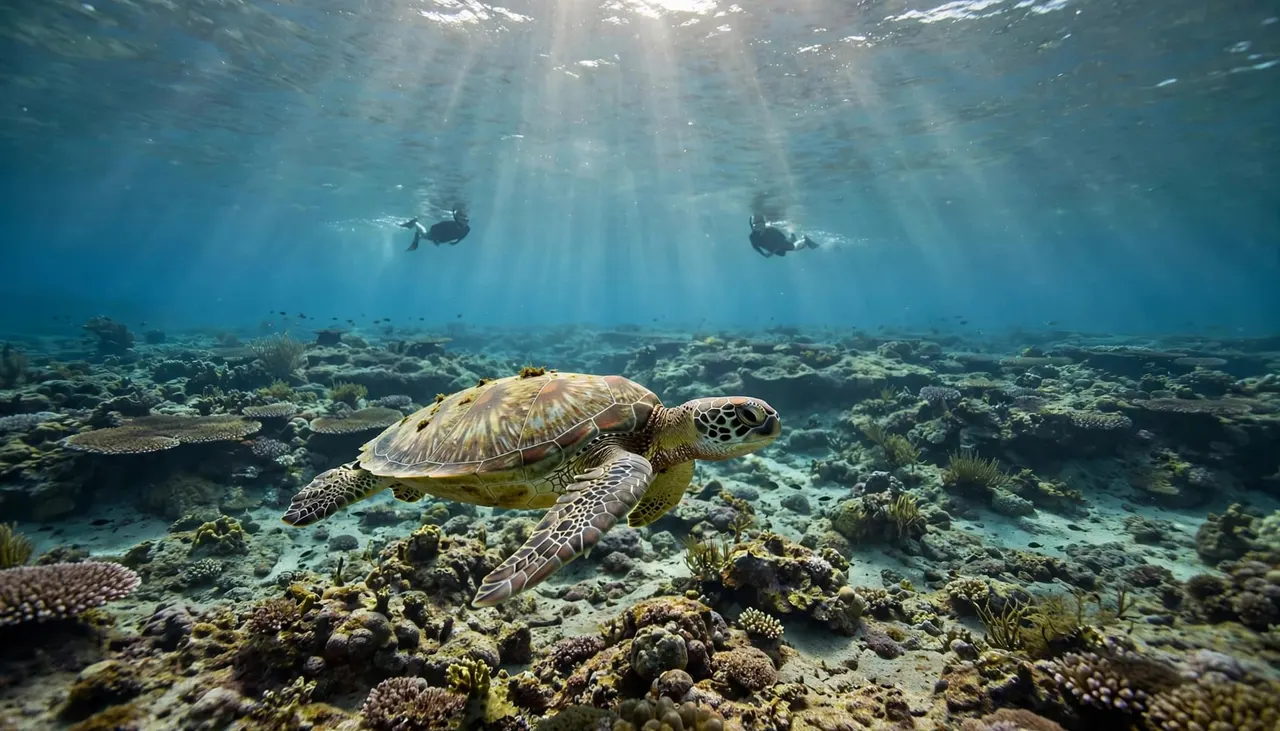
A respectful Turtle Canyon Oahu encounter starts before you’re near a turtle. Position yourself where you can watch without creating an obstacle.
Keep at least 10 feet away
NOAA’s recommended wildlife viewing distances call for at least 10 feet (3 meters) between you and a sea turtle. That guidance applies in the water and on land.
Treat that distance as a starting point. If your group crowds an animal or changes its behavior, give it more space.
The 10-foot recommendation isn’t a universal statutory boundary. Hawaiian sea turtles have federal and state protections, and disturbing or harming them can violate those laws.
For photographs, use your camera’s zoom rather than moving closer. A wider picture can also capture the reef and surrounding fish.
Leave the route to the surface open
Sea turtles breathe air, so their path upward matters. Don’t hover directly above a turtle or surround it with other swimmers.
If one approaches, keep your hands close to your body and make space without sudden movements. Let it pass instead of turning to follow immediately.
A turtle’s stillness doesn’t tell you whether it’s comfortable with your presence. Give it space even when it doesn’t swim away.
Avoid repeated dives toward an animal for a closer look. Meanwhile, stay aware of other snorkelers so your effort to move aside doesn’t push someone else toward the turtle.
Get Comfortable Before Watching Wildlife
For your Turtle Canyon Oahu trip, comfort with your equipment helps you concentrate on what you’re seeing. A leaking mask or rushed breathing can distract you from both wildlife and your surroundings.
Start by adjusting your mask and practicing relaxed breathing near your guide. Keep your fins clear of coral, and avoid standing on the reef. Although flotation support helps, it doesn’t replace paying attention to the crew.
Tell us if you’re new to snorkeling or feel uneasy in open water. At Living Ocean Tours, we’re Oahu’s only tour company with professional snorkel guides. Our in-water guidance helps you manage unfamiliar equipment and watch wildlife respectfully.
You’ll visit an offshore snorkeling area by boat, rather than attempting a long swim from Waikiki Beach. However, offshore access doesn’t guarantee calm water. Wind, waves, and currents can change conditions.
For families, explain the no-touch rule before entering the water. Give children a simple goal, such as watching a turtle move its flippers or spotting the fish around its shell.
If you need a break, signal your guide. You never need to keep swimming just because someone else wants another photograph.
Explore the Cleaning Station With Our Guides
Our Turtle Canyon Oahu trips depart from Kewalo Basin Boat Harbor, near Waikiki. On our Turtle Canyons Snorkel Excursion, you receive snorkeling equipment, flotation support, and professional in-water guidance.
The excursion starts at $79 per person. Our reported turtle-sighting success rate is about 95%, although wild animals always determine the encounter.
Our guides help you observe without crowding the cleaning station. That support is useful whether you’re trying a snorkel for the first time or already enjoy swimming in the ocean.
You can also explore our turtle snorkeling tour when planning a wildlife-focused outing with your family or partner. The goal is a rewarding encounter that respects the animals you’re there to see.
When you’re ready to choose your departure, CHECK AVAILABILITY for our guided Turtle Canyons excursion.
Frequently Asked Questions About Touching Sea Turtles
Can I touch a turtle if it swims toward me?
No. A turtle approaching you doesn’t change the hands-off guidance. Keep your arms close, leave its swimming route open, and move aside gently when you can.
Under NOAA’s Hawaii wildlife viewing guidance, you should never touch, chase, or feed sea turtles. Let the animal continue past without trying to turn the moment into physical contact.
Does touching a shell always cause an injury?
Every brief contact doesn’t necessarily cause a visible injury. However, the absence of a wound doesn’t make touching appropriate.
You can’t judge the animal’s experience by looking at its shell. Contact can interrupt its behavior, and gripping or restraining a turtle creates additional risks. During your snorkel, keep the rule simple: watch the shell, but leave it untouched.
Do green sea turtles enjoy having their shells scratched?
You shouldn’t interpret a wild turtle’s stillness as enjoyment. A turtle may remain in place for several reasons, and you can’t read its internal experience from one encounter.
Videos of captive turtles receiving care also don’t establish appropriate behavior around wild sea turtles. At the reef, your best option is to observe cleaning fish and let the turtle control its movements.
Enjoy the Encounter Without Reaching Out
A green turtle’s shell is a living, sensitive part of its body. Knowing that makes hands-off observation an easy choice when you enter its habitat.
Give turtles room to breathe and let the cleaning station’s activity continue around you. With patient watching and guidance from our crew, you can enjoy the details of a remarkable animal without interrupting its day.


