
Turtle Canyon Oahu: Can a Shell Reveal a Turtle’s Age?
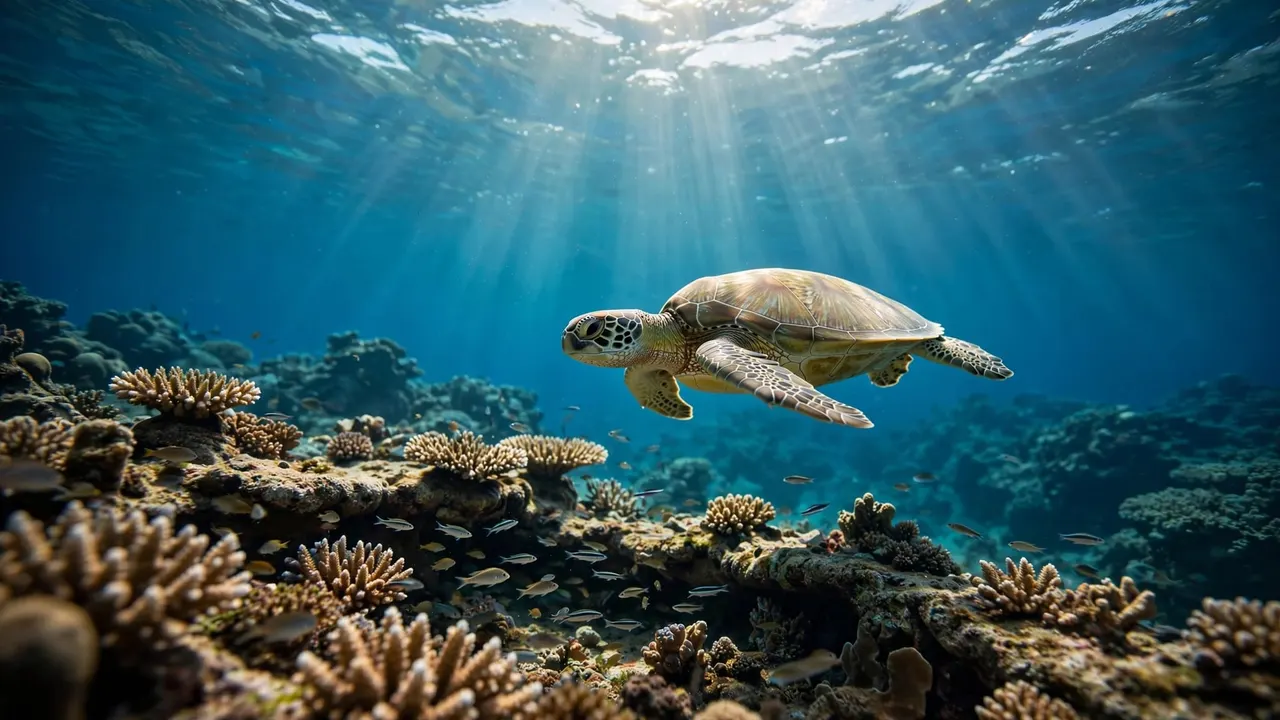
You can’t reliably tell a sea turtle’s age by counting shell rings, judging its size, or examining its color. At Turtle Canyon Oahu, a shell offers clues about the animal you’re watching, but it doesn’t reveal a dependable birthday.
With Living Ocean Tours, you can explore Waikiki’s marine life on our guided ocean excursions. Before you watch Hawaiian green sea turtles, or honu, at their natural cleaning station, it helps to separate visible clues from scientific evidence.
Key Takeaways
- Shell rings don’t provide a reliable year-by-year record of a wild sea turtle’s life.
- Size, shell color, and algae coverage can’t establish an individual turtle’s age.
- Researchers use long-term records and specialized methods to estimate age and growth.
- During your snorkel, you’ll learn more by watching cleaning behavior and swimming patterns than by guessing birthdays.
Why Shell Rings Don’t Date Turtles at Turtle Canyon Oahu
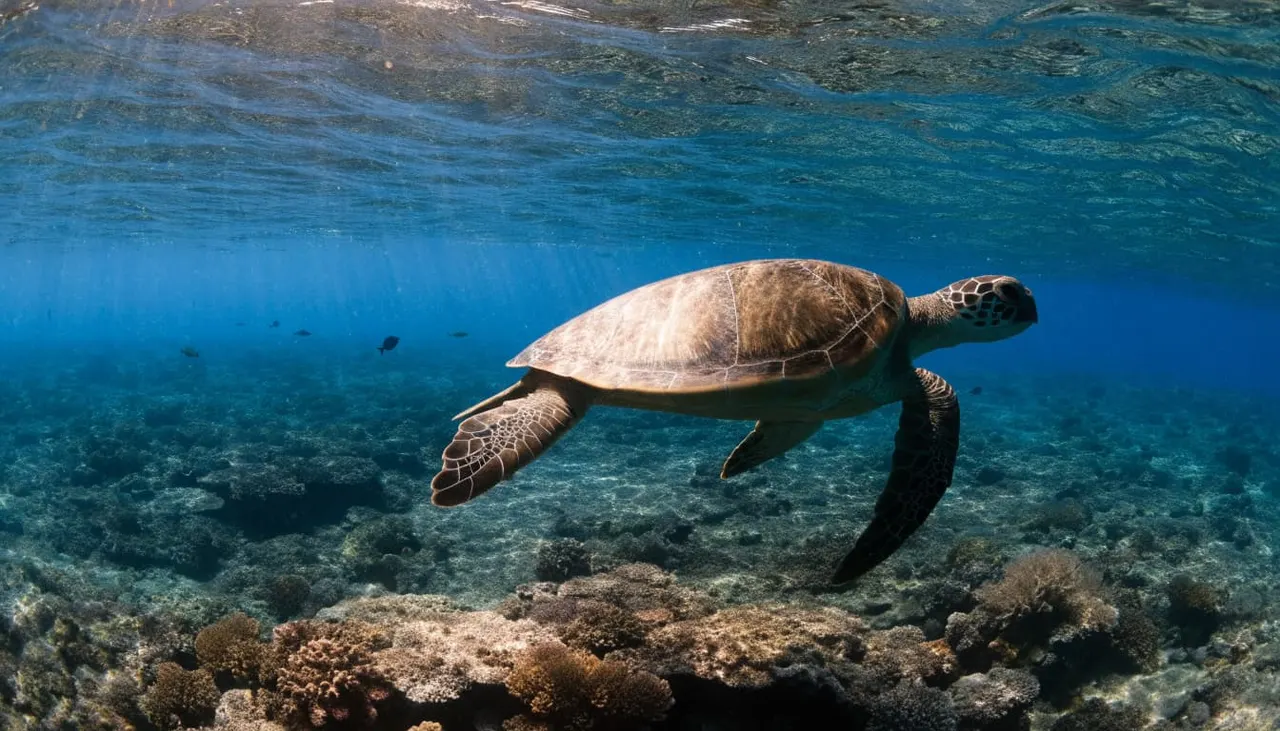
A turtle’s shell can look like a record of everything it has experienced. However, interpreting that surface takes more than counting lines.
Visible Lines Aren’t Annual Rings
The plates covering a green turtle’s upper shell are called scutes. They’re made of keratin, the same general material found in your fingernails.
You might notice boundaries, surface patterns, or uneven textures. Those features don’t establish a dependable one-ring-per-year pattern in a wild sea turtle.
Growth responds to food availability, habitat, and the turtle’s life stage. Surface wear also changes what you can see. As a result, counting visible lines won’t give you a trustworthy age.
The Smithsonian’s sea turtle overview provides useful background on these ocean-going reptiles and their biology.
Color and Wear Aren’t Clocks Either
A dark shell doesn’t automatically belong to an older turtle. Similarly, a smooth shell doesn’t prove that you’re watching a young animal.
Natural coloration, algae, lighting, and wear all affect appearance. Underwater, viewing distance can make those differences harder to interpret.
You can enjoy the shell’s patterns without assigning them a timeline. Even a clear photograph records appearance at one moment, rather than the turtle’s age.
That distinction matters when someone confidently labels a passing honu as a particular number of years old.
How Scientists Estimate a Sea Turtle’s Age
Researchers face the same basic problem you do: most wild turtles don’t have a recorded hatch date. However, scientists can combine evidence unavailable during a brief snorkeling encounter.
Long-Term Records Show Growth Over Time
When researchers identify and measure the same turtle repeatedly, they can document how much it grows between encounters.
These records help describe growth rates and population patterns. Yet a turtle first encountered as a juvenile already has an unknown history.
A decade of observations establishes a decade of documented life. It doesn’t automatically reveal how old the animal was when monitoring began.
This is why an estimate based on repeated measurements carries more information than a guess based on shell size alone.
Laboratory Methods Require More Than a Photograph
Scientists also study growth marks in bones through a method called skeletochronology. This specialized work often uses material collected from turtles that have died.
Shell material can support other research, too. A 2023 paper on sequential scute growth layers examines information retained within scute tissue.
That research doesn’t turn visible shell patterns into a birthday calculator. Laboratory analysis, biological context, and growth models are different from counting surface lines.
A shell can contain biological information without displaying a readable calendar on its surface.
For your snorkel, the useful distinction is between noticing a feature and having enough evidence to interpret it.
How Long Do Hawaiian Green Sea Turtles Live?
You’re watching a long-lived animal, even when its individual age remains unknown.
Hawaii’s Department of Land and Natural Resources estimates that green turtles can live 70 years or longer. Its Hawaiian sea turtle information also describes animals exceeding 350 pounds and measuring 3 to 4 feet long.
Those figures describe the species’ potential size and longevity. They don’t mean every large turtle is approaching that age.
Green turtles grow slowly and take decades to reach reproductive maturity. NOAA’s green turtle species profile explains their biology, habitat, and conservation needs.
Because growth varies, two turtles of similar size can have different ages. Meanwhile, a smaller animal isn’t necessarily as young as you might assume.
During your visit, you can appreciate that long lifespan without attaching an unsupported number to a particular turtle. Its survival depends on healthy habitat and respectful encounters throughout many years.
What You Can Observe at Turtle Canyon Oahu
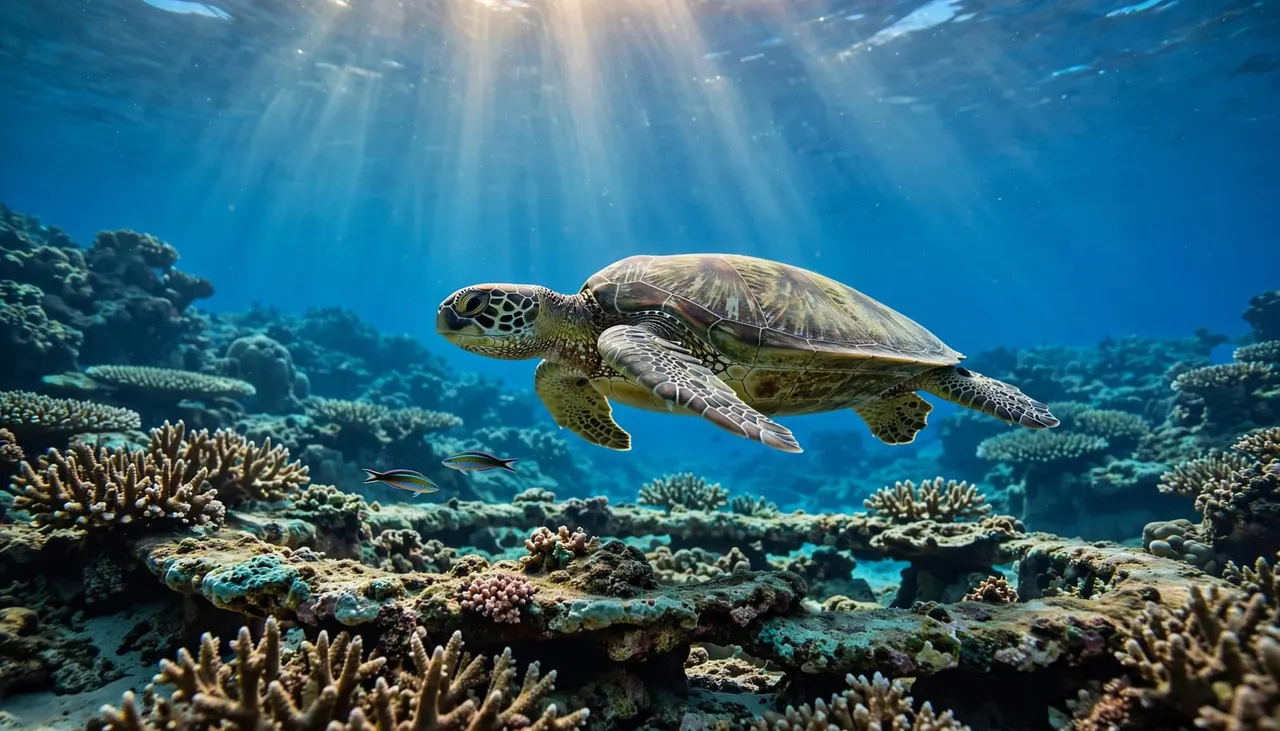
Turtle Canyon’s natural cleaning station gives you something more interesting than an age guessing contest.
Small reef fish remove algae and other material from turtles’ shells and skin. When a turtle pauses near the reef, you may see fish gather around it.
Watch how the turtle positions itself. Then notice whether it stays still, changes direction, or leaves the area.
These observations tell you about its behavior at that moment. They don’t reveal how many birthdays it has passed.
You may also see a turtle travel toward the surface. Sea turtles breathe air, so surfacing is a normal part of their routine. Leave the route above and ahead of the animal open.
If you’re snorkeling with children, give them a simple observation task: notice whether fish approach while the turtle pauses. This keeps their attention on a real interaction rather than an invented age.
You won’t see identical behavior on every outing. Turtles choose where to swim, and visibility affects how much detail you can observe.
Observe Shell Details Without Disturbing Honu
At Turtle Canyon Oahu, responsible viewing gives turtles room to continue their normal routines. Getting closer won’t solve the age question, and it can interrupt the behavior you came to see.
Keep Your Distance and Leave an Exit
Stay back rather than swimming toward a turtle for a better look. Never touch, feed, chase, or surround it.
Also, avoid positioning yourself between the turtle and the surface. If it approaches, remain calm and give it space to pass.
You don’t need to follow an animal to enjoy an encounter. Watching from one place often makes its movements easier to understand.
Follow your guide’s directions throughout the swim, because boat traffic, currents, and other snorkelers require attention alongside wildlife.
Keep Photography Secondary to Your Position
A camera can tempt you to focus on shell details while losing track of your surroundings. Before taking a photograph, notice your distance from the reef, boat, and group.
Keep your fins clear of coral, and don’t stand on the reef to steady yourself.
If a turtle swims away, let the photograph go. A distant image can still preserve the encounter without pushing the animal to change direction.
For families, agree on this approach before entering the water. Children can enjoy spotting honu while understanding that the animals decide how close the encounter becomes.
Plan Your Turtle Canyon Oahu Outing With Our Guides
Our Turtle Canyons Snorkel Excursion focuses on the natural cleaning area offshore of Waikiki. Departures leave Kewalo Basin Boat Harbor, conveniently located near Waikiki.
Your outing starts at $79 per person and includes a mask, snorkel, fins, and flotation support.
We’re the only tour company in Waikiki with professional snorkel guides. You receive equipment help and in-water guidance, which is useful when you’re learning to breathe comfortably through a snorkel.
Our turtle-sighting success rate is 95%. Wildlife encounters remain natural, so that figure describes our experience rather than a promise for every departure.
You can read guest feedback below:
Browse our full departure calendar if you’re planning your ocean time:
For a turtle-focused departure, CHECK AVAILABILITY and choose a time that fits your visit.
Bring a towel, sun protection, and a reusable water bottle. Onboard shaded seating and restrooms give you a comfortable place to take a break between ocean views.
Frequently Asked Questions
Does More Algae Mean an Older Turtle?
Algae coverage doesn’t establish age. It reflects conditions and growth on the shell’s surface, rather than a reliable count of years. At the cleaning station, you may watch fish remove some of that material. You can’t translate the amount present into an age estimate.
Can You Tell Whether a Turtle Is Young or Adult?
Size and other physical characteristics can help trained observers assess life stage. However, a broad category such as juvenile or adult isn’t an exact age. From the surface, distance and water movement also affect your view. Avoid treating a quick impression as a biological measurement.
Is Turtle Canyon Suitable for First-Time Snorkelers?
You can join our turtle snorkeling excursion as a beginner and receive equipment instruction, flotation support, and professional guidance. However, snorkeling takes place in the ocean, where conditions change. Tell the crew your experience level and comfort in the water so they can help you prepare.
Enjoy the Encounter Without Guessing a Birthday
At Turtle Canyon Oahu, you can’t read a turtle’s age from its shell. You can, however, watch a long-lived marine animal participate in a fascinating reef relationship.
Focus on natural behavior, keep your distance, and let honu choose their path. You’ll leave with a better understanding of sea turtles, without needing an exact birthday to make the encounter memorable.


