
Turtle Canyon Oahu: How Honu Manage Body Heat
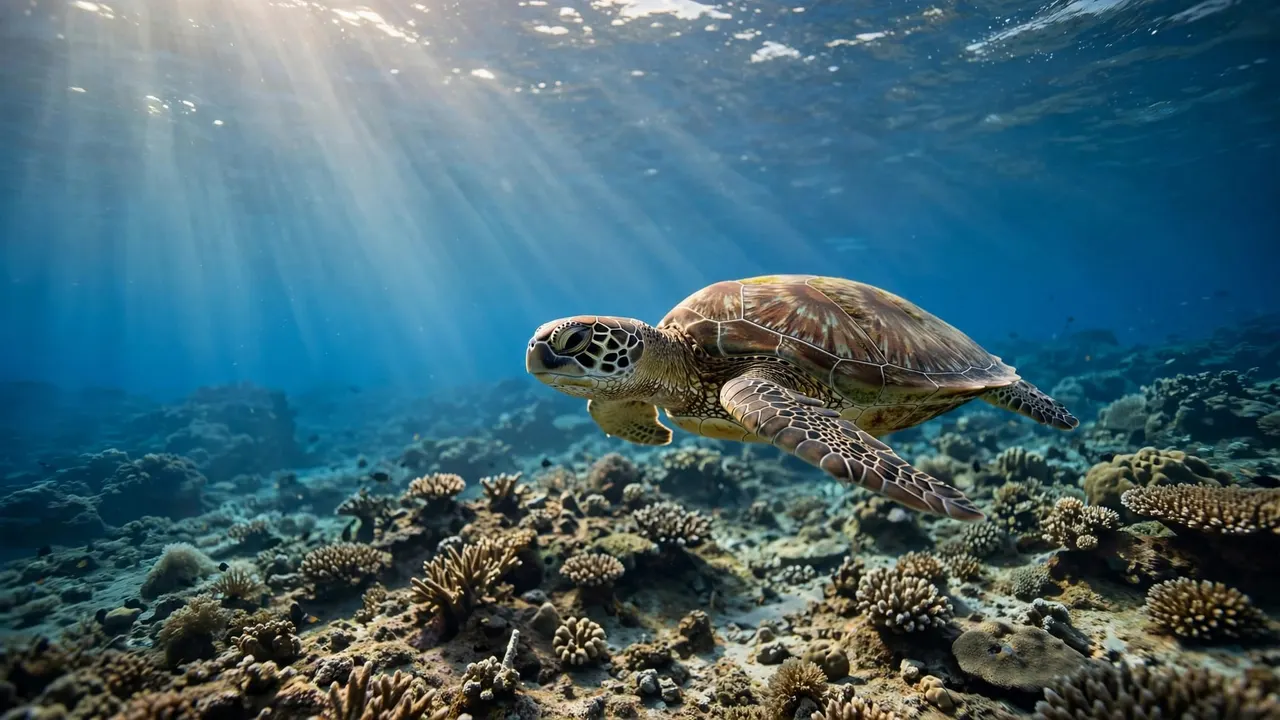
Green sea turtles regulate body temperature mainly through their surroundings, choosing habitats that help them gain or lose heat. At Turtle Canyon Oahu, understanding this behavioral thermoregulation gives you another reason to watch patiently.
With Living Ocean Tours, you can observe Hawaiian green sea turtles, or honu, in reef habitat offshore from Waikiki. Their movements reflect several needs, including breathing, resting, and visiting cleaner fish, so a single action rarely tells the whole story.
Start with how a turtle exchanges heat with its environment, then look at what you can observe.
Key Takeaways
- Green sea turtles are ectotherms, so external conditions strongly influence their body temperature.
- Moving between water temperatures and basking in sunlight can help turtles manage body heat.
- At Turtle Canyon Oahu, cleaning, resting, and surfacing don’t automatically indicate temperature regulation.
- Your most useful observation comes from giving turtles space to choose their own route.
These distinctions help you appreciate the reef without assigning a temperature-related explanation to every movement. A turtle hovering above coral may be receiving attention from cleaner fish rather than seeking warmth.
How Green Sea Turtles Regulate Body Temperature
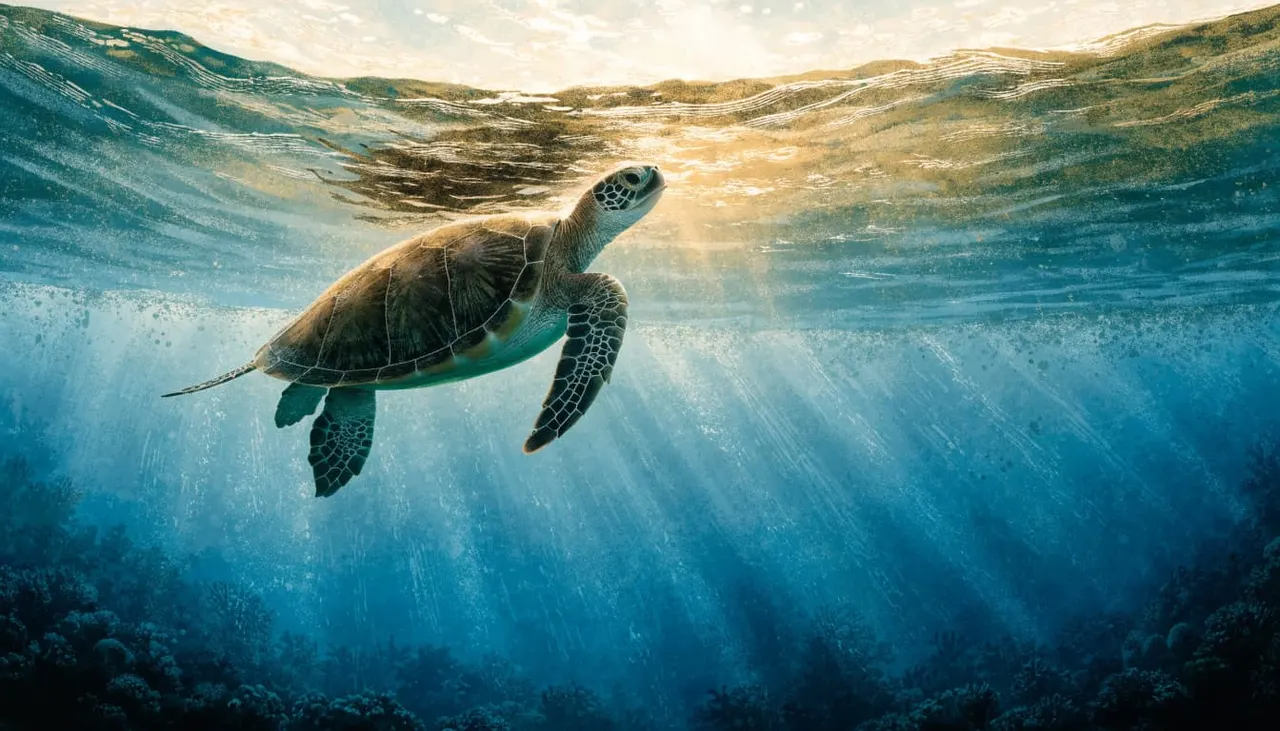
Their surroundings supply much of their heat
Unlike you, a green turtle doesn’t maintain a tightly controlled body temperature through continuous internal heat production. Instead, its temperature responds strongly to the environment.
The word ectotherm describes that relationship. However, it doesn’t mean a turtle always has exactly the same temperature as the surrounding water.
A scientific review of thermoregulation in diving animals explains that sea turtles rely mainly on behavior and habitat selection to regulate temperature. Where a turtle spends time therefore matters, even when it appears almost motionless.
Habitat choices can change heat exchange
A turtle can move between areas with different water temperatures. In suitable circumstances, it can also leave the water and bask in sunlight.
However, you shouldn’t assume every shallow patch is warm or every deeper patch is cold. Currents and mixing affect coastal water, and nearby areas may have similar temperatures.
For your snorkel experience, the useful idea is choice. Turtles need access to different habitats and the freedom to move between them. Following one closely can interfere with those choices, regardless of why it’s moving.
What Temperature Research Tells You About Honu
Body temperature can differ from water temperature
Research gives you a more accurate picture than the familiar label “cold-blooded.” That label can make turtles sound cold all the time, which misrepresents how ectotherms function.
A study discussing green turtle thermal responses reports that inactive Atlantic green sea turtles can maintain body temperatures about 0.5 to 1.7 degrees Celsius above surrounding water.
That finding describes Atlantic green turtles under an inactive condition. It illustrates why water temperature and turtle body temperature aren’t interchangeable measurements.
A sighting reveals behavior, not an internal reading
During a Turtle Canyon Oahu outing, you can notice a turtle’s position, direction, and activity. You can’t determine its internal temperature simply by watching its shell.
A slow-moving turtle isn’t automatically cold. Similarly, an active turtle isn’t necessarily overheated. Resting, cleaning, feeding, and traveling all produce different movement patterns.
You get a stronger understanding by watching the surrounding scene. Notice whether fish approach the turtle, whether it rises to breathe, or whether it continues across the reef. Those observations describe what happened without guessing at an invisible measurement.
Turtle Canyon Oahu: Cleaning, Resting, and Surfacing
Cleaner fish explain some stationary behavior
Turtle Canyons is an offshore reef area near Waikiki where green turtles visit natural cleaning stations. Small reef fish remove algae and other material from their shells and skin.
When you see a turtle hovering while fish gather around it, that interaction provides a direct explanation for the pause. The fish obtain food, while the turtle receives cleaning.
Cleaning activity doesn’t establish that the turtle has selected a warmer or cooler location. Several needs can overlap in the same habitat, so it’s better to recognize the visible interaction than infer its body temperature.
Surfacing usually has an obvious purpose
Green turtles breathe air. Therefore, a turtle rising toward the surface needs an unobstructed route to breathe, even when snorkelers are nearby.
Sunlight and surface conditions can influence heat exchange, but a breathing trip alone doesn’t prove a turtle is warming itself. Watch the movement without swimming into its path.
Likewise, a turtle heading away from the reef may be traveling between habitats. Its destination and reason may remain out of sight. You can still enjoy the encounter without following it or forcing an explanation.
Why Hawaiian Green Turtles Bask on Land
If you’ve seen a honu resting on a Hawaiian beach, you’ve witnessed a different setting for heat exchange. Green turtles sometimes crawl ashore to rest and bask.
On land, sunlight can warm a turtle without the constant surrounding contact of ocean water. However, basking involves more than a simple rule that every beach turtle needs warming.
Your role remains the same whether you’re on shore or snorkeling: allow the animal to rest and move undisturbed. A turtle on the sand doesn’t automatically need assistance, and returning it to the ocean yourself can disrupt normal behavior.
Beach basking also differs from the underwater encounters you expect offshore. At Turtle Canyon Oahu, you’re watching turtles within a marine reef environment, not a beach resting area.
That distinction helps you avoid expecting every temperature-regulating behavior in one location. A snorkel visit offers a glimpse of a turtle’s day, rather than its complete habitat use.
How to Watch Without Changing Turtle Behavior
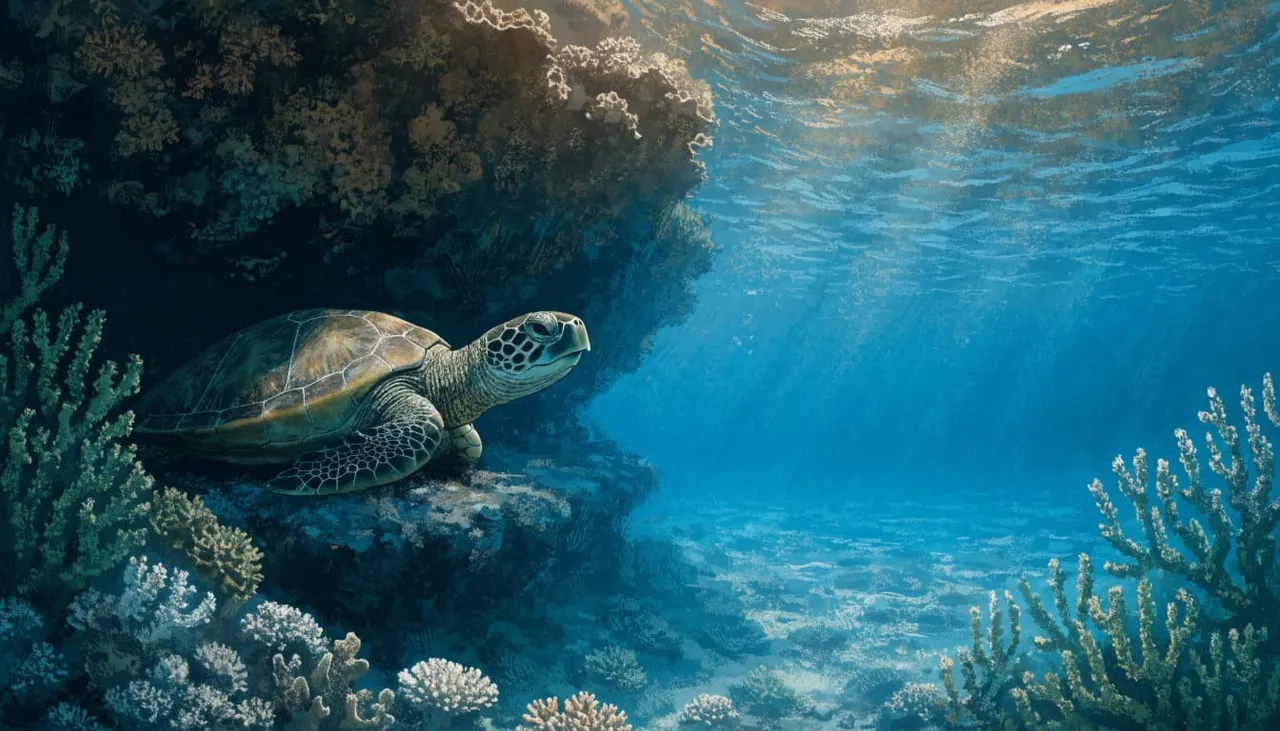
The best view often comes when you stop trying to improve your position. Float calmly, keep your fins away from coral, and let the turtle decide whether to remain nearby.
Hawaii’s wildlife-viewing guidance recommends staying at least 10 feet from sea turtles. Treat that distance as room for natural behavior, rather than a target you should approach.
If a turtle swims toward you, give it space without chasing or touching it. Also, keep the route between the turtle and the surface clear. Never surround an animal with other swimmers.
A resting turtle and a surfacing turtle need different space, but both need the freedom to leave without changing course around you.
Because turtles use their surroundings to manage several needs, disturbance matters beyond the immediate encounter. You don’t need to identify a warming or cooling behavior before respecting it.
If you notice entanglement, an obvious injury, or difficulty moving, alert your guide. Don’t attempt to capture, reposition, or free a protected turtle yourself.
Explore the Reef With Our Professional Snorkel Guides
Our Turtle Canyons Snorkel Excursion brings you from Kewalo Basin Boat Harbor, minutes from Waikiki, to this offshore habitat. You receive snorkeling equipment, flotation support, and professional in-water guidance.
We’re the only Oahu tour company with professional snorkel guides in the water with you. That support helps you manage unfamiliar gear and observe wildlife respectfully, whether you’re a beginner or an experienced snorkeler.
At Turtle Canyon Oahu, you can focus on the details: cleaner fish approaching a shell, a turtle lifting toward daylight, or a honu resting below. Our crew helps you enjoy those moments without crowding the animals.
You can explore our Oahu ocean tours for more ways to experience the Waikiki coastline.
For a reef-focused turtle outing, CHECK AVAILABILITY for our Turtle Canyons excursion.
Frequently Asked Questions
Are green sea turtles cold-blooded?
You may hear that description, but ectothermic is more accurate. Green turtles rely heavily on external conditions for body heat. Their temperature isn’t necessarily identical to the water, and their movements can help them select suitable conditions.
Does a turtle at the surface need to warm up?
You shouldn’t assume so. Green turtles must surface to breathe, which provides an immediate explanation for many upward movements. Give a surfacing turtle plenty of room and avoid positioning yourself directly above it, even if you want a closer view.
Can you tell whether a resting turtle is too cold?
Resting alone doesn’t establish a temperature problem. During a snorkel trip, you don’t have the measurements needed to diagnose one. Watch from a respectful distance, and tell your guide about visible injuries, entanglement, or movement difficulties rather than intervening yourself.
Give Honu Room to Choose
Green turtles manage body heat largely through their environment and behavior. At Turtle Canyon Oahu, that knowledge adds depth to the encounter without turning every movement into a temperature clue.
Your most valuable contribution is space. When you let a honu rest, surface, and swim away freely, you protect the natural behavior you came to see.


