
Turtle Canyon Oahu: Reading Turtle-Sighting Rates
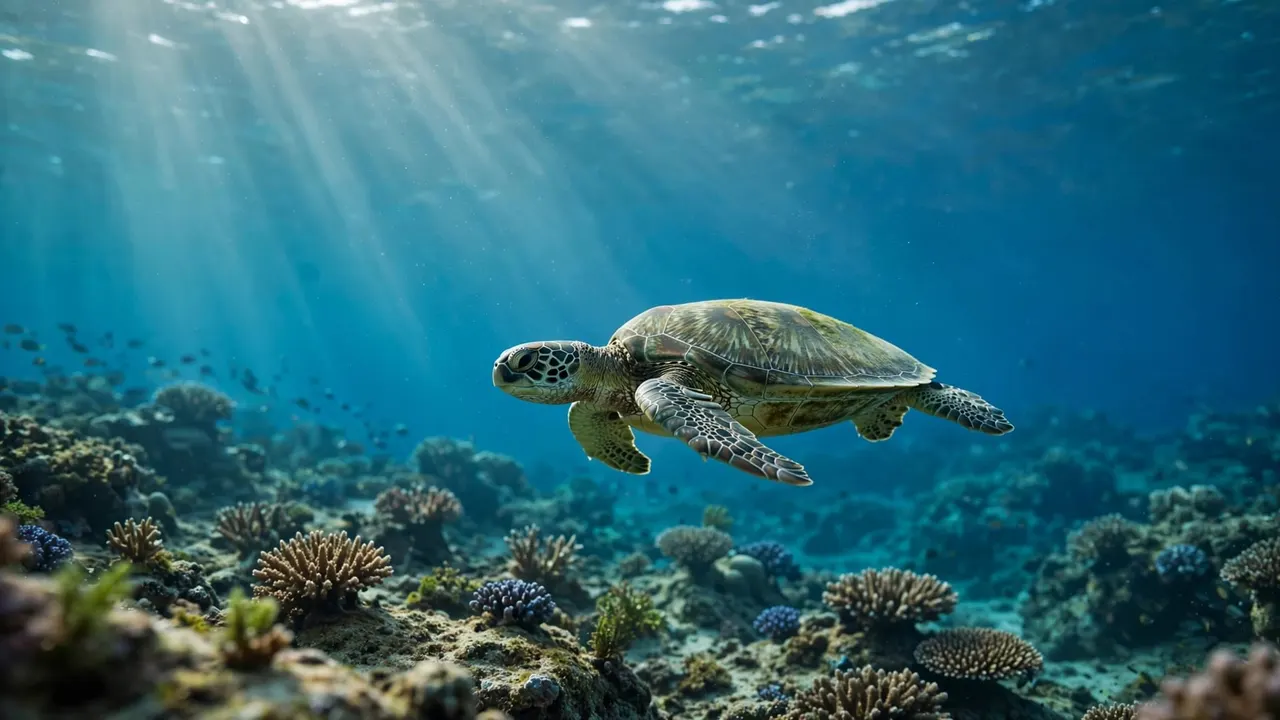
A turtle-sighting rate describes past encounters; it can’t promise what you’ll see on your own trip. At Living Ocean Tours, we want your Turtle Canyon Oahu adventure to begin with clear expectations.
A high rate can help you recognize a promising wildlife experience, but it doesn’t describe every part of your swim. Understanding what the number measures helps you choose a rewarding outing while giving Hawaii’s sea turtles the freedom to behave naturally.
Key Takeaways
- A reported sighting rate describes a set of observations, not a guaranteed encounter on your departure.
- Seeing a turtle doesn’t automatically mean every guest gets the same view, underwater time, or photograph.
- Visibility, ocean conditions, turtle movement, and your comfort in the water all affect your experience.
- Responsible snorkeling means giving turtles space, following your guide, and leaving their route to the surface open.
What a Turtle-Sighting Rate Actually Measures
A sighting rate expresses how often turtles were observed within a particular set of outings or observations. Its meaning depends on what counts as a sighting and what the calculation includes.
A trip-level rate differs from a guest-level experience
If a rate counts departures with at least one turtle sighting, it describes the outing. It doesn’t establish that every passenger saw that turtle.
You might be adjusting your mask when another snorkeler notices movement below. Meanwhile, someone watching from the boat may spot a turtle surfacing.
Those encounters can all be meaningful, but they describe different experiences. A boat-level observation, an underwater view, and a sustained encounter aren’t interchangeable.
For your planning, the useful distinction is between a sighting occurring and the particular encounter you hope to have.
Past results aren’t a personal forecast
Historical success gives you context about a wildlife experience. However, it doesn’t create an appointment with an animal.
Conditions can also remain similar across consecutive departures. A run of clear-water outings doesn’t establish a permanent pattern, and a turtle-free departure doesn’t make the next trip overdue.
A rate becomes easier to interpret when you keep its purpose narrow: it summarizes observations. It doesn’t predict exactly what will happen during your swim.
Why Turtle Canyon Oahu Attracts Turtles
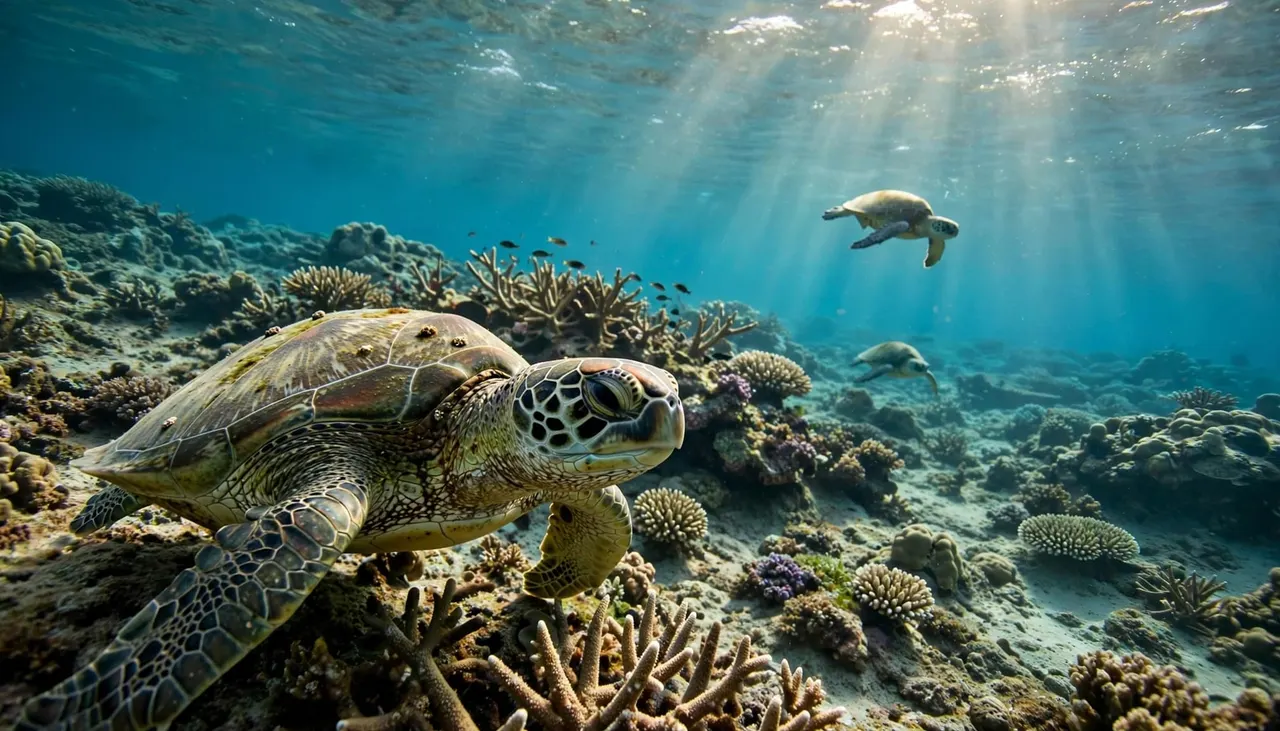
Turtle Canyon’s appeal begins with its reef habitat offshore from Waikiki. Hawaiian green sea turtles, also called honu, visit natural cleaning stations here.
Cleaning stations give turtles a reason to visit
Small reef fish remove algae and other material from turtles’ shells and skin. As you watch, a turtle may pause near the reef while fish move around it.
That relationship helps explain why the location offers promising opportunities for observation. You’re visiting habitat that turtles use for a biological purpose.
Still, a useful habitat doesn’t hold its visitors in place. A turtle can leave, surface for air, or move beyond your view whenever it chooses.
Shared habitat doesn’t establish a population count
Several turtles using the same reef don’t necessarily arrive together or travel as a lasting group.
Likewise, frequent sightings don’t show how many different turtles use the area. Repeated encounters could include returning individuals.
A tour’s sighting record therefore answers a narrower question than a wildlife survey. You can appreciate an active cleaning station without treating your visit as evidence of population growth.
Why Your View Changes Between Departures
At Turtle Canyon Oahu, the animals and the viewing conditions both influence what you notice. A turtle can be nearby without being equally visible to every snorkeler.
Ocean conditions affect visibility and access
Water clarity changes how far you can see. Surface movement can also make it harder to hold a steady view through your mask.
Current matters for a different reason: it affects how comfortably you can maintain your position and follow the group’s route.
Consequently, turtle presence and viewing quality are separate parts of the experience. A promising reef can offer a limited view when conditions interfere.
A historical percentage doesn’t describe the water around you on a particular departure. The day’s conditions still shape how your swim unfolds.
Your comfort affects what you notice
If your mask leaks or your breathing feels hurried, you’ll spend more attention managing equipment than watching the reef.
Before entering, tell your guide about concerns with your mask, fins, or flotation. Addressing discomfort early gives you more room to enjoy the surroundings.
Once you’re settled, look slowly rather than repeatedly changing direction. A turtle’s outline may become easier to recognize when you stop rushing.
However, your comfort remains the priority. Returning to the boat is a sensible choice when you need a break.
What a High Rate Cannot Tell You
A sighting percentage measures one part of an outing. It doesn’t measure how closely the experience matches your expectations.
These distinctions help you read the number without asking it to answer unrelated questions.
| What you want to know | What a sighting rate cannot establish |
|---|---|
| How many turtles you’ll see | The number present during your departure |
| Whether you’ll see one underwater | Where or how an observation will happen |
| How long the encounter will last | Whether a turtle stays nearby |
| Whether you’ll get a clear photograph | Your camera angle, visibility, or timing |
| Whether the trip suits your family | Each person’s swimming comfort and support needs |
The practical takeaway is to pair wildlife expectations with the experience you want. For a new snorkeler, patient guidance may matter more than a brief glimpse during an otherwise uncomfortable swim.
A sighting rate also doesn’t measure conservation success. Hawaii’s sea turtle protections cover these animals under federal and state law, but tour observations aren’t a substitute for population monitoring.
Finally, a percentage isn’t a booking guarantee. It describes sightings rather than establishing a refund, credit, or repeat-trip policy.
A turtle can be present without every guest seeing it, and a sighting can count without becoming a long encounter.
Respectful Viewing Makes the Encounter Better
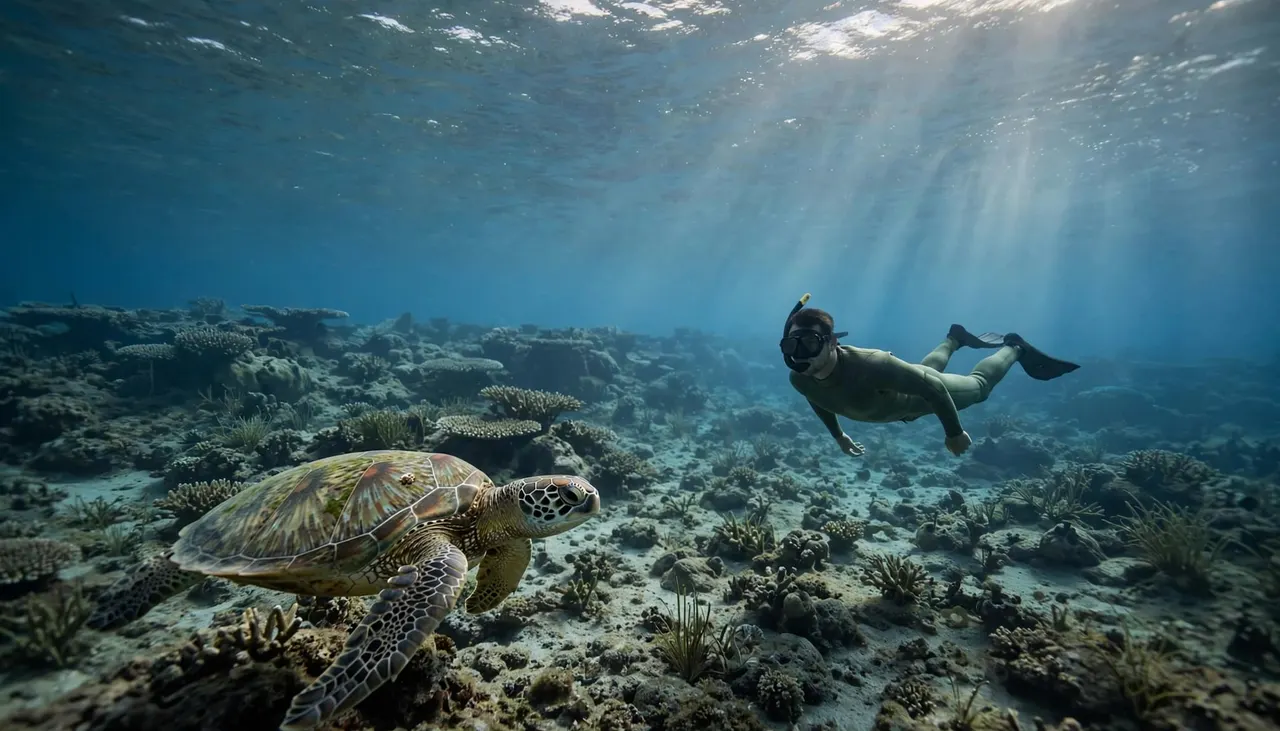
Your best encounter leaves the turtle free to continue its day. Closing the distance to improve your photograph can interfere with that freedom.
NOAA’s Hawaii wildlife-viewing guidance recommends staying at least 10 feet, or 3 meters, from sea turtles, both in the water and on land.
That distance is a viewing recommendation. Federal and state protections also prohibit harming or harassing these animals.
Keep a clear route between a turtle and the surface because turtles breathe air. Don’t chase, touch, feed, surround, or block one.
If a turtle approaches, remain calm and let it pass. Follow your guide’s directions about adjusting your position without crowding the animal.
Also, keep your fins away from coral. If your mask needs attention, move into open water rather than standing on the reef.
A turtle swimming away can still be a successful sighting. You watched a wild animal make its own decision, and your response should leave that decision undisturbed.
Keep your camera ready, but let the animal’s movement determine when the encounter ends.
Choose Guidance Alongside Wildlife Potential
For your Turtle Canyon Oahu outing, the support around the swim deserves as much attention as the sighting claim.
Our two-hour Turtle Canyon Snorkel Tour departs from Kewalo Basin Boat Harbor near Waikiki. Fares start at $79 per person.
At Living Ocean Tours, we’re the only tour company with professional snorkel guides. You have support with equipment, flotation, and respectful positioning around wildlife.
Our Oahu ocean tours welcome a range of experience levels. However, flotation and guidance don’t remove the need to stay within your swimming ability.
Before entering, share any concerns with the crew. A relaxed start gives you a better opportunity to notice fish, reef activity, and turtles when they appear.
You can CHECK AVAILABILITY for your preferred turtle-snorkeling departure.
If you’re still planning your ocean day, you can also browse available departures below.
Frequently Asked Questions
Are turtle sightings guaranteed at Turtle Canyon Oahu?
No. Hawaiian green sea turtles are wild animals, so a reported sighting rate can’t promise an encounter on your departure.
The cleaning-station habitat gives turtles a reason to visit, but their movement and ocean conditions still affect observations. Choose the trip for a guided reef experience with wildlife potential, rather than expecting an animal to appear on schedule.
Can you see turtles without getting in the water?
You may see turtles from the boat, including when they surface, but that isn’t guaranteed either. A boat-based glimpse also differs from watching a turtle move above the reef through a snorkel mask.
If you’re uncomfortable entering the water, you can remain aboard. Your safety and comfort matter more than trying to turn a reported percentage into a personal result.
Let the Rate Inform Your Expectations
A turtle-sighting rate is useful when you give it a limited job: describing past observations. Your own experience also depends on conditions, comfort, and the choices of wild animals.
Choose professional guidance and leave room for an encounter to unfold naturally. The most rewarding view is one you can enjoy without changing a turtle’s path.


