
Turtle Canyon Oahu: Seasonal Changes in Honu Habitat
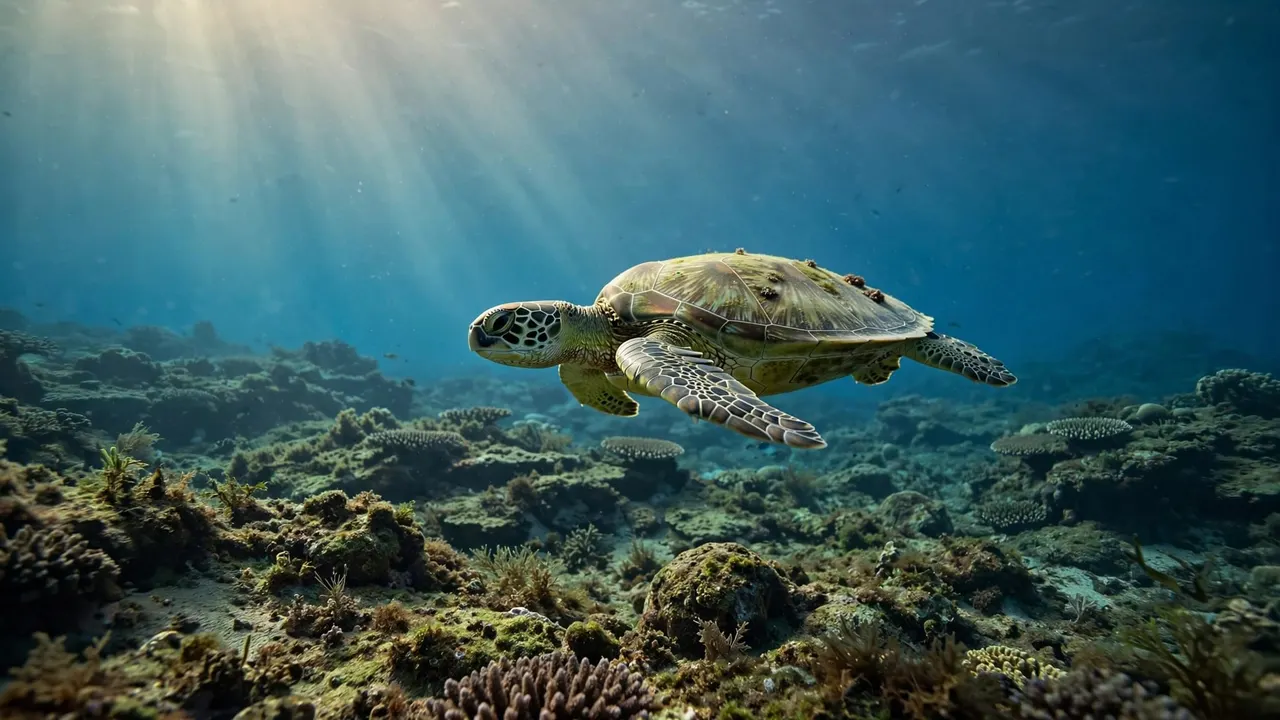
At Turtle Canyon Oahu, seasonal weather changes the water around honu habitat, but it doesn’t set a turtle timetable. You can find suitable snorkeling windows throughout the year because daily conditions matter more than the calendar alone.
With Living Ocean Tours, you visit this offshore Waikiki reef with a wildlife-first approach and professional in-water guidance. To understand what you see beneath the surface, start with the food, resting spaces, and reef relationships that support Hawaiian green sea turtles.
Key Takeaways
- You may encounter honu throughout the year, but sightings depend on wildlife behavior and ocean conditions.
- Oahu’s south shore can receive southern swells during summer, while winter often brings smaller south-shore surf.
- Adult honu eat mainly algae, including limu, rather than coral.
- Your best viewing approach is to float calmly, protect the reef, and give turtles room to move and breathe.
What Turtle Canyon Oahu Offers Honu
Feeding habitat and places to pause
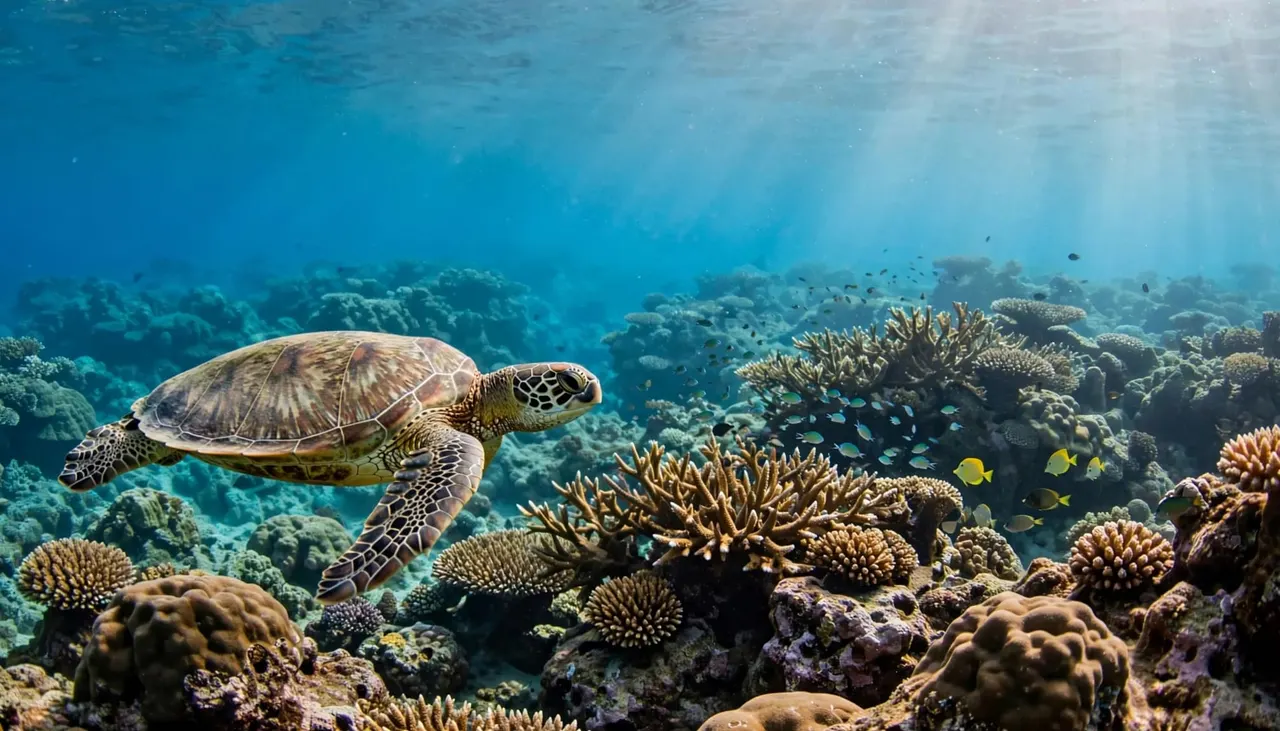
When you look across a reef, you see several kinds of habitat within a small area. Rocky surfaces support algae, while ledges and changes in reef contours create different places for animals to pause.
Adult Hawaiian green turtles mainly eat macroalgae, often called limu. Hawaii’s Department of Land and Natural Resources identifies nearshore reefs as important foraging habitat.
However, a turtle passing over coral isn’t necessarily feeding. You might see it traveling, resting, or approaching other reef animals. Watching its movements gives you a better understanding than assuming every visit has the same purpose.
The bottom also affects what you notice. A turtle crossing pale sand can stand out clearly, while one beside darker rock may be harder to distinguish.
Cleaning visits connect turtles and fish
Turtle Canyon is known as a natural cleaning-station area. Small reef fish remove material such as parasites and dead skin from turtles, gaining food while the turtles receive a cleaning.
Convict tangs are among the fish associated with Hawaiian turtle cleaning stations. If you see a turtle hovering while fish gather nearby, give that interaction space.
You are watching a relationship between wild animals, so there is no scheduled performance. A turtle can remain briefly, move elsewhere, or surface whenever it needs air.
Seasonal Conditions at Turtle Canyon Oahu
Summer can bring southern swell
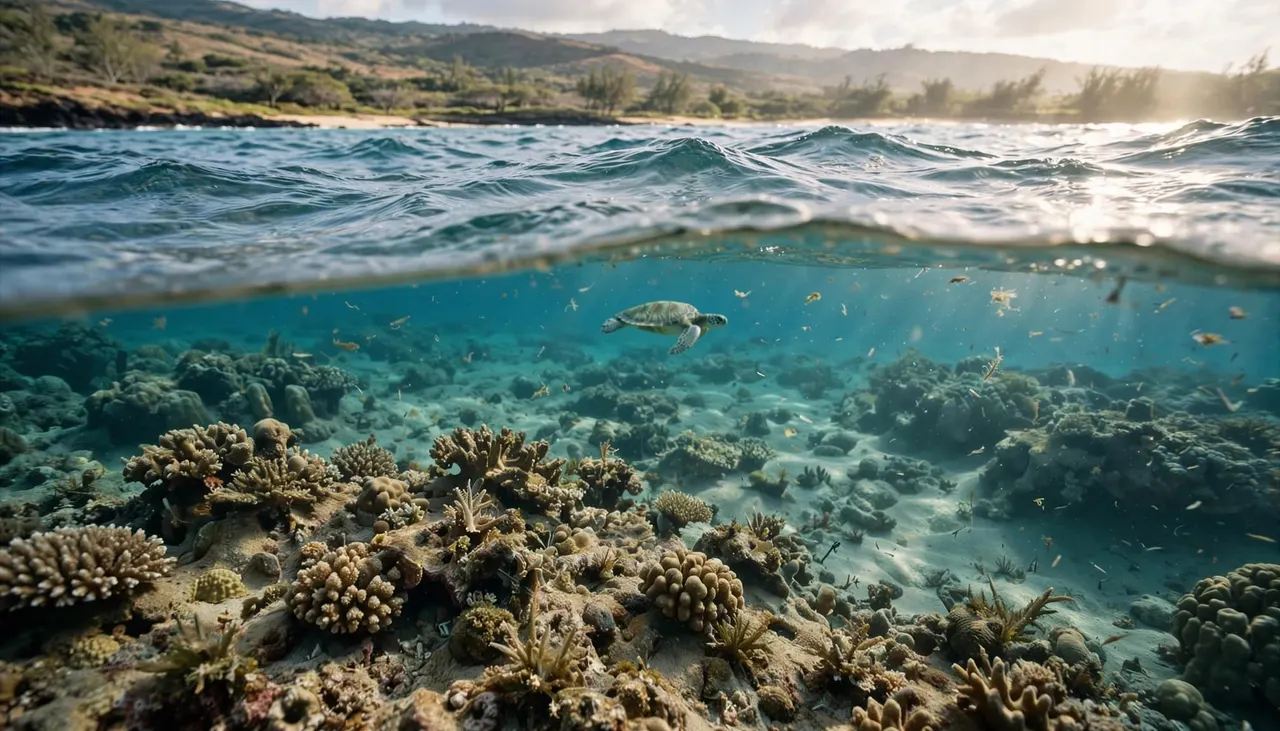
Hawaii’s broad summer surf season runs from May through October. During this period, southern-hemisphere storms can send long-period swell toward Oahu’s south shore.
That matters because Waikiki faces a different swell exposure than the island’s famous north-shore beaches. You shouldn’t assume summer automatically means flat water at every Oahu reef.
Wave energy can stir sand and suspended particles, changing visibility and water movement. For you, that may mean a different snorkeling experience even when the weather above the surface looks sunny.
Water generally feels warmest in late summer and early fall. However, comfortable water temperature and comfortable swimming conditions are separate considerations. A warm afternoon can still have choppy water or noticeable surge.
Winter often means smaller south-shore surf
Hawaii’s broad winter surf season runs from November through April. Although large northern swells dominate many winter headlines, south-facing shores are generally calmer during this season.
Winter fronts, wind, and rain can still affect your outing. Therefore, a winter date doesn’t guarantee poor snorkeling, just as a summer date doesn’t guarantee clear water.
If you chill easily, a swim layer and dry clothing can improve your comfort afterward. Seasonal patterns help you prepare, but your guide’s assessment determines the day’s approach.
These patterns describe regional ocean conditions. They don’t establish a month-by-month increase or decrease in Turtle Canyon’s turtle numbers.
How Water Movement and Reef Health Shape Habitat
Food grows unevenly across the reef
You won’t find the same amount or type of algae on every rock. Light, water movement, grazing, and available surfaces all influence what grows.
Water circulation brings nutrients and moves material through reef habitat. However, strong surge also changes how easily animals and swimmers move through shallow water.
When you watch a honu travel past several patches of reef, avoid assigning a single explanation. It may be searching for food, traveling between familiar areas, or responding to something you can’t see.
Food availability is one part of habitat quality. Resting opportunities and access to the surface also matter, so a reef’s value extends beyond its visible algae.
For your visit, the useful distinction is between a general ecological process and a predictable turtle schedule. Seasonal weather influences reef conditions, but it doesn’t tell you where a particular animal will be.
Rain and heat affect different parts of habitat
After heavy rain, land-based runoff can carry sediment and pollutants into coastal waters. Suspended sediment reduces underwater light, and settled sediment can stress corals.
Meanwhile, prolonged unusually warm water can cause coral bleaching. Bleached coral has lost much of the tiny symbiotic algae that help supply its energy; bleaching doesn’t automatically mean the coral is dead.
For honu, coral condition matters through the wider reef community and its structure. Because adult turtles mainly eat limu, healthy coral supports habitat rather than directly supplying their main food.
You don’t need to diagnose reef health during a snorkel. Instead, notice the variety of surfaces, fish, and open spaces that make up the habitat.
Observe Honu Without Changing Their Behavior
At Turtle Canyon Oahu, your position in the water matters as much as your camera angle. Keep at least 10 feet, or 3 meters, away from turtles, following NOAA and Hawaii DLNR viewing guidance.
That distance is a recommendation, not a separate legal boundary. Federal and state protections prohibit harassment, so remaining beyond 10 feet doesn’t make disturbing behavior acceptable.
Never touch, chase, feed, or surround a turtle. If one approaches, give it space rather than reaching toward it.
A resting turtle still needs a clear route to the surface. Never position yourself directly over its path to breathe.
Stay horizontal when you can, and keep your fins away from coral. If you need to adjust your mask, use your flotation support instead of standing on the reef.
Your camera should remain secondary to your awareness. Use its zoom rather than swimming closer, and stop filming if it distracts you from your group.
For families, explain these habits before entering the water. Children can practice floating calmly and watching without following.
If your guide asks you to reposition, move promptly. A small adjustment can keep the group together while leaving wildlife an open route through the reef.
Choose Guidance Suited to Changing Conditions
Your Turtle Canyon Oahu trip should help you understand the habitat while keeping you comfortable in the water. At Living Ocean Tours, we’re the only tour company with professional snorkel guides in the water with you.
You depart from Kewalo Basin Boat Harbor, near Waikiki, aboard vessels with shaded seating, onboard restrooms, and ladders for water access. Those practical comforts matter when your group includes first-time snorkelers or family members with different confidence levels.
Our Honolulu ocean tours pair time on the water with guidance on responsible wildlife viewing. Before entering, listen closely to the briefing and tell your guide about your swimming experience.
Choose your outing around the experience you want, while leaving room for the ocean to determine the day’s conditions.
Bring a towel, sun protection, and dry clothing for the ride back. If you’re prone to motion sickness, discuss prevention with a healthcare professional before your trip.
Most importantly, treat the briefing as part of the experience. Understanding where to float and how to give wildlife space helps you enjoy the reef without interrupting it.
Frequently Asked Questions
Can you see turtles at Turtle Canyon Oahu year-round?
You may encounter honu in any season, but wild animals don’t follow a booking calendar. Daily ocean conditions and turtle behavior influence what you see.
Green turtles also have separate feeding and breeding movements. NOAA’s green turtle overview explains their broader life cycle, including migrations between coastal feeding areas and nesting grounds. A turtle visiting a Waikiki reef isn’t necessarily involved in nesting.
Does clear water mean healthier turtle habitat?
Clear water makes observation easier, but visibility alone doesn’t measure habitat quality. A clear view doesn’t reveal every detail about food availability, coral condition, or resting opportunities.
Likewise, a temporarily hazy day doesn’t prove the habitat has deteriorated. Wind, waves, and suspended particles can change what you see over a short period.
Which tour focuses on this reef experience?
Our Turtle Canyon Snorkel Tour focuses on observing honu in their natural offshore habitat, with professional snorkel guides supporting your experience.
You can CHECK AVAILABILITY for a departure that fits your Waikiki plans.
Let the Reef Set the Pace
At Turtle Canyon Oahu, seasonal weather helps explain changing water conditions, while the reef provides food, resting areas, and cleaning opportunities. Your most rewarding visit comes from watching those relationships without expecting a fixed turtle schedule.
Follow your guide, keep your fins clear of coral, and give honu an open route to breathe. With patient observation, you can appreciate the habitat around each turtle as much as the encounter itself.


