
Turtle Canyon Oahu: Can Sea Turtles Recognize You?
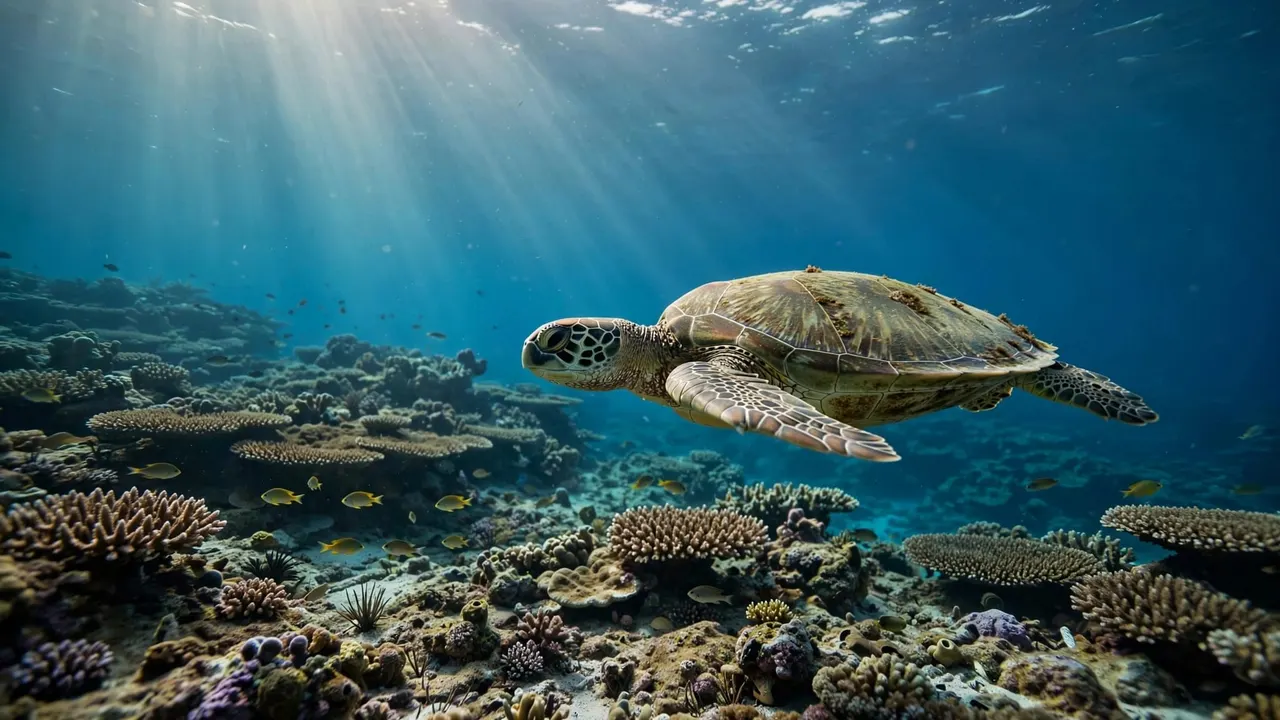
You can’t assume a sea turtle recognizes you at Turtle Canyon Oahu, because research hasn’t established that wild green sea turtles identify individual snorkelers. A turtle swimming nearby may be following its normal route rather than remembering your face.
At Living Ocean Tours, we help you enjoy these encounters while respecting what science can tell you about recognition. Understanding why turtles gather here gives you a better way to interpret their behavior.
Key Takeaways
- Research on familiarity between turtles doesn’t prove that turtles recognize individual human visitors.
- Turtle Canyon’s natural cleaning station helps explain why you may see turtles returning to the same reef.
- A calm or approaching turtle isn’t inviting contact. Give it space and keep its route clear.
Your most rewarding encounter comes from watching the animal’s choices without trying to influence them.
Why Turtles Return to Turtle Canyon Oahu
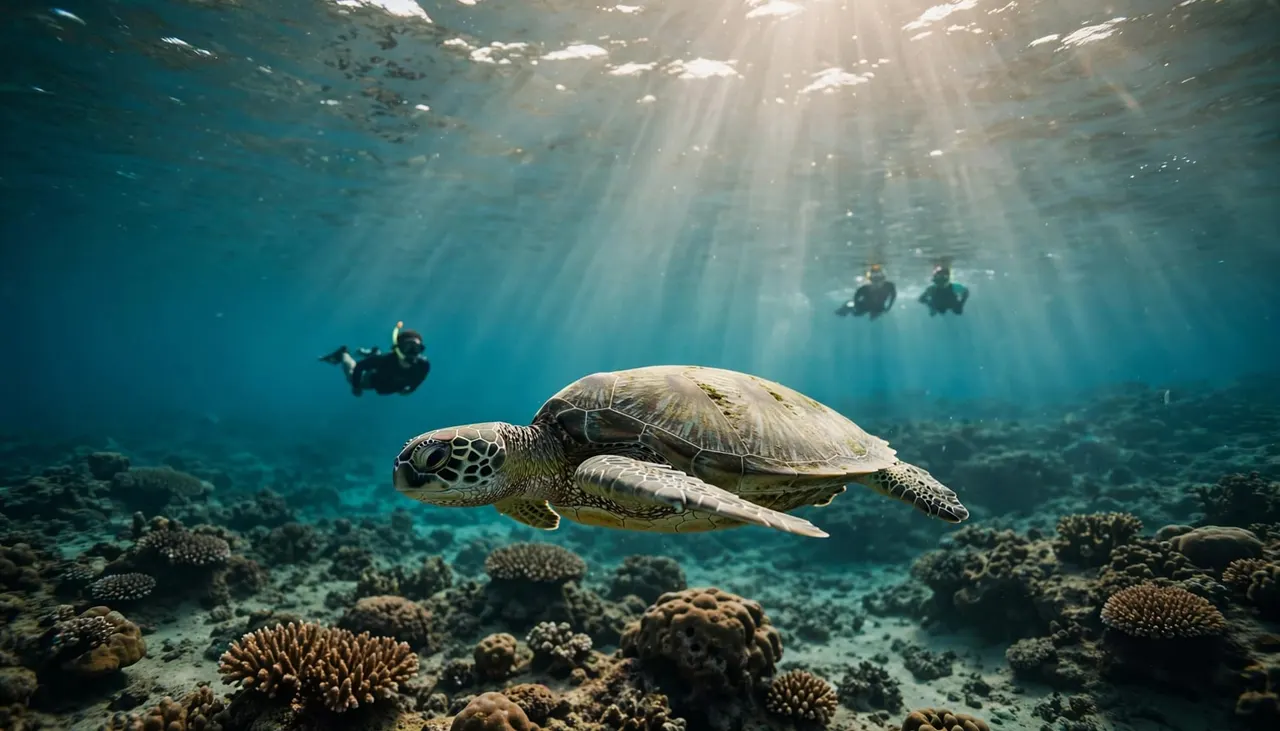
Turtle Canyon is reef habitat offshore from Waikiki, where Hawaiian green sea turtles, or honu, visit a natural cleaning station. Small reef fish pick material, including algae and parasites, from their shells and skin.
Because the fish gain food and the turtles receive cleaning, this interaction gives turtles a reason to spend time around particular reef features. You may see a turtle holding position while fish work nearby.
That setting matters when you’re interpreting an encounter. A turtle returning to a familiar cleaning area doesn’t necessarily recognize the people floating above it.
Likewise, repeated sightings at one location don’t establish that you’re seeing the same individual. Several turtles can use the same habitat.
You’ll reach this offshore site by boat rather than attempting a swim from Waikiki Beach. However, offshore doesn’t mean permanently calm: wind, swell, currents, and visibility affect what you experience.
The attraction is a working reef ecosystem, where the turtles choose when to arrive, rest, surface, or leave.
What Turtle Recognition Research Actually Shows
Familiarity between turtles is a different question
A 2024 study of green turtle behavior used animal-borne cameras to observe activities at a foraging area. Its discussion considers recognition and preferential familiarity between turtle individuals.
That is relevant to questions about their social lives. However, recognizing another turtle and recognizing a particular snorkeler are separate abilities.
You shouldn’t treat observations of turtle-to-turtle familiarity as proof that a honu remembers your mask, face, or swimming style. The research doesn’t establish that connection.
For your Turtle Canyon Oahu visit, the useful distinction is between an interesting scientific possibility and a demonstrated ability.
Memory doesn’t automatically mean human recognition
Sea turtles use information about their surroundings, and returning to familiar habitat is compatible with learning and memory. Yet that doesn’t tell you which details a turtle remembers about a human encounter.
Demonstrating individual human recognition would require controlled research that separates identity from other cues. A response could otherwise reflect location, movement, or previous exposure to people.
Even repeated approaches wouldn’t settle the question by themselves. You would need evidence that the turtle distinguishes one person from another, rather than responding similarly to different swimmers.
That evidence isn’t established for individual snorkelers here.
How to Read a Turtle Encounter Without Overinterpreting It
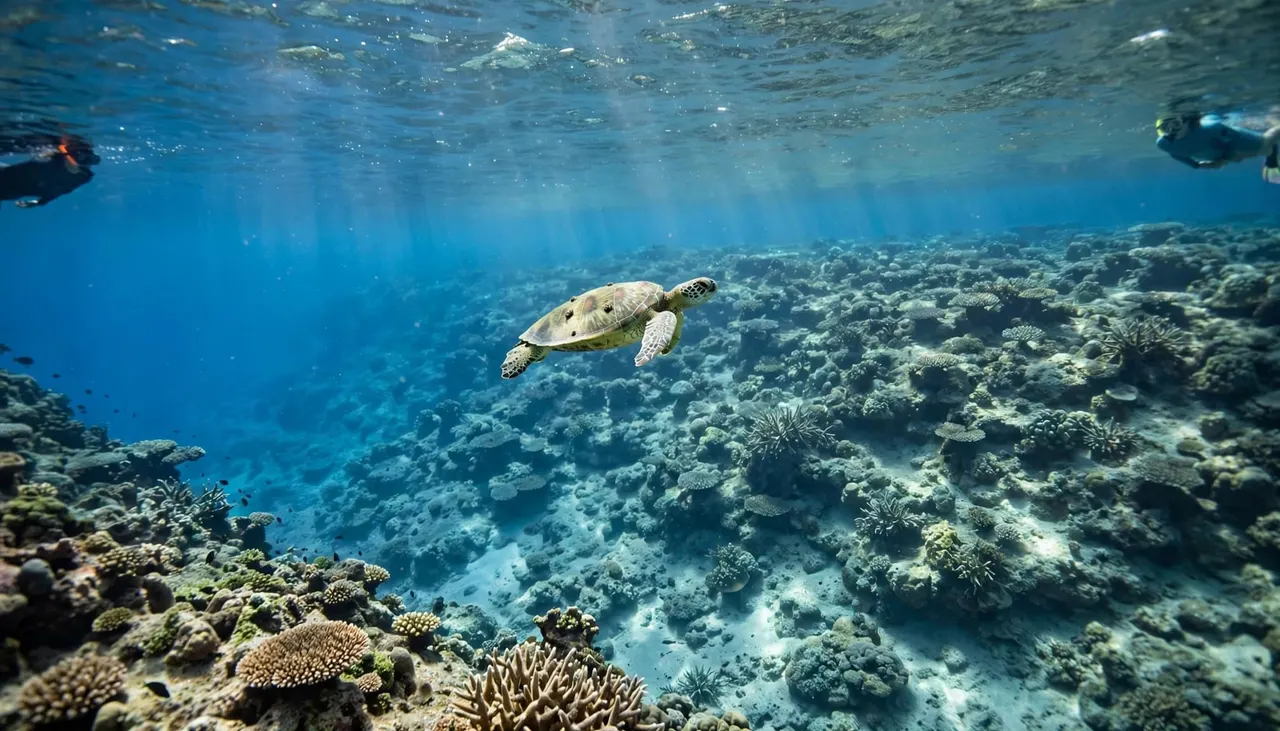
A nearby turtle may simply be passing through
At Turtle Canyon Oahu, a turtle’s path can bring it toward your position as it travels between reef features or heads toward the surface.
Because sea turtles breathe air, keeping the water above them open matters. If one rises nearby, move aside calmly rather than hovering over its route.
You can enjoy the encounter without assigning a human motive to it. An approach alone doesn’t demonstrate affection, curiosity about you personally, or recognition.
Watch where the turtle goes next. Its destination often provides more useful context than its brief proximity to you.
Calm behavior isn’t a relationship
Habituation describes a reduced response after repeated exposure to a stimulus without harmful consequences. It’s different from recognizing a particular individual.
A turtle that continues its activity around swimmers may be tolerating their presence. However, one calm encounter doesn’t establish habituation either.
You’ll get a clearer picture by describing what you observe: the turtle remains near the reef, fish gather around its shell, or it swims away.
Those observations are more reliable than deciding that it likes you. They also keep your attention on its behavior instead of encouraging a closer approach.
Can You Recognize the Same Turtle?
You may have a better chance of learning to distinguish turtles than of knowing whether one recognizes you.
Researchers use photographs of facial scale patterns to help identify individual sea turtles. Work on computer-assisted turtle photo identification evaluates matching individual face images within photograph databases.
For you, that offers a useful perspective: turtles aren’t interchangeable, even when several look similar at first.
Still, a casual sighting isn’t a confirmed identification. Viewing angle, water clarity, and image quality can make comparisons difficult.
If you take photographs, keep your distance and use your camera’s zoom. Don’t swim alongside a turtle to collect a better identification image.
Even if two photographs show the same turtle, that establishes a repeat sighting, not evidence that it remembers you.
Give Honu Space to Behave Naturally
Follow Hawaii’s viewing guidance
NOAA’s Hawaii wildlife-viewing guidance recommends staying at least 10 feet (3 meters) from sea turtles, in the water and on land. It also directs you never to touch, chase, or feed them.
Treat that recommended distance as a starting point, not a reason to remain close when an animal needs more room.
If a turtle changes direction as you approach, back away. Never surround one with your group or position yourself between it and open water.
Honu are protected wildlife, and your encounter should leave their normal activities undisturbed.
Keep your movement predictable
Float calmly, keep your fins clear of the reef, and follow your guide’s directions. Before repositioning, notice where other swimmers are so you don’t close off a turtle’s route together.
Don’t use food, splashing, or repeated approaches to test whether a turtle responds to you. Those actions interfere with the behavior you came to observe.
A turtle approaching you doesn’t cancel your responsibility to give it space.
For families, agree on that rule before entering the water. Children can watch for cleaning fish and surfacing turtles without trying to follow them.
Meanwhile, couples can photograph each other without placing a turtle between them. A good wildlife photograph never requires an animal to change course.
Experience Turtle Canyon With Professional Support
For a guided Turtle Canyon Oahu outing, our Turtle Canyons Snorkel Excursion starts at $79 per person and departs from Kewalo Basin Boat Harbor.
We’re Oahu’s only tour company with professional snorkel guides. You receive snorkel equipment, flotation support, and in-water guidance, so you can concentrate on breathing comfortably and observing the reef.
Our turtle-sighting success rate is 95%, although wild-animal sightings aren’t guaranteed. Our boats also have shaded seating, onboard restrooms, and sturdy entry ladders.
If you’re new to snorkeling, tell the crew before entering. Your comfort matters more than keeping up with another swimmer. Our Honolulu snorkeling and ocean tours include snorkel instruction and flotation support, but your swimming ability still matters in open water.
Choose your departure through CHECK AVAILABILITY for our turtle-focused excursion.
For our full selection of ocean outings, use the booking calendar below.
Frequently Asked Questions
Will a turtle remember me if I return?
You can’t tell from a repeat encounter. Even if you recognize the same turtle, its presence or approach doesn’t demonstrate that it recognizes you. Familiar habitat offers another explanation for why you meet again.
Are turtles at Turtle Canyon Oahu trained?
You’re visiting wild turtles at a natural reef cleaning station. You shouldn’t expect trained behavior, scheduled appearances, or interaction on demand. Cleaning activity helps explain their visits, but the turtles control their movements.
What should I do if a turtle swims toward me?
Give it room and move aside calmly when safe. Don’t reach out, follow it, or block its access to the surface. If you’re unsure how to reposition around other swimmers, follow your guide’s directions.
Can children enjoy watching turtles without getting close?
Yes. Watching cleaning fish, following a turtle’s route with their eyes, and noticing when it surfaces can keep children engaged. Your example matters: maintain distance yourself, and explain that observing wildlife doesn’t require touching it.
Enjoy the Encounter Without Expecting Recognition
You don’t need a turtle to remember you for the encounter to be memorable. Watching a honu choose its route or pause for cleaning gives you a close look at its life.
Keep respectful distance, let the turtle set the pace, and enjoy what you can observe. Its freedom to continue undisturbed is part of what makes the experience worth having.


