
Turtle Canyon Oahu: Why Turtles Carry Barnacles
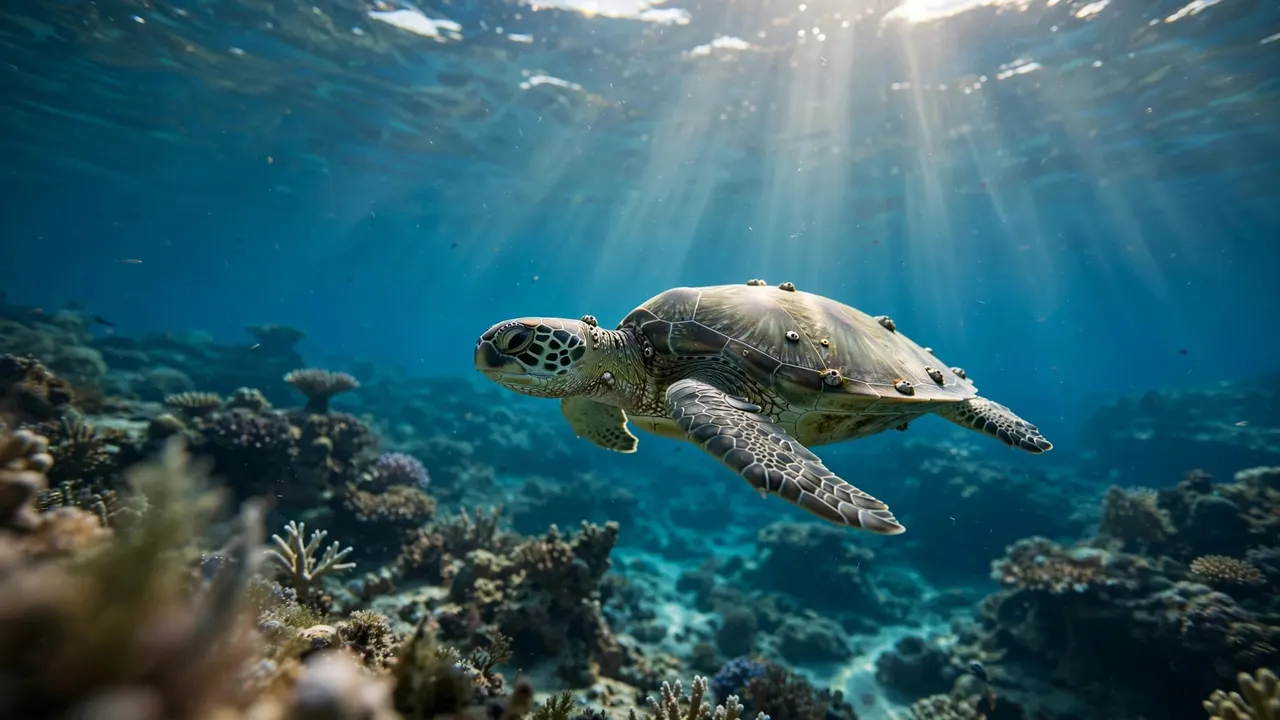
Green sea turtles carry barnacles because their bodies provide a surface where other marine animals can live. When you spot one during a Turtle Canyon Oahu visit, the barnacles alone don’t mean the turtle is sick or needs help.
Those pale bumps can raise questions, especially when you expected a smooth shell. Your best response is hands-off observation, because a closer look shouldn’t become an attempt to clean a wild animal.
Start with what barnacles are, then consider what their presence can and can’t tell you.
Key Takeaways
- Barnacles are marine crustaceans, not pieces of a turtle’s shell.
- Organisms that live on another animal’s outer surface are called epibionts.
- Barnacle presence alone doesn’t establish whether a turtle is healthy.
- Research has linked barnacle abundance with turtle condition, but that doesn’t let you diagnose an individual animal.
- During your Turtle Canyon Oahu outing, keep at least 10 feet away and never attempt to remove anything from a turtle.
Why Barnacles Live on Sea Turtles
A Turtle Provides Space for Other Marine Life
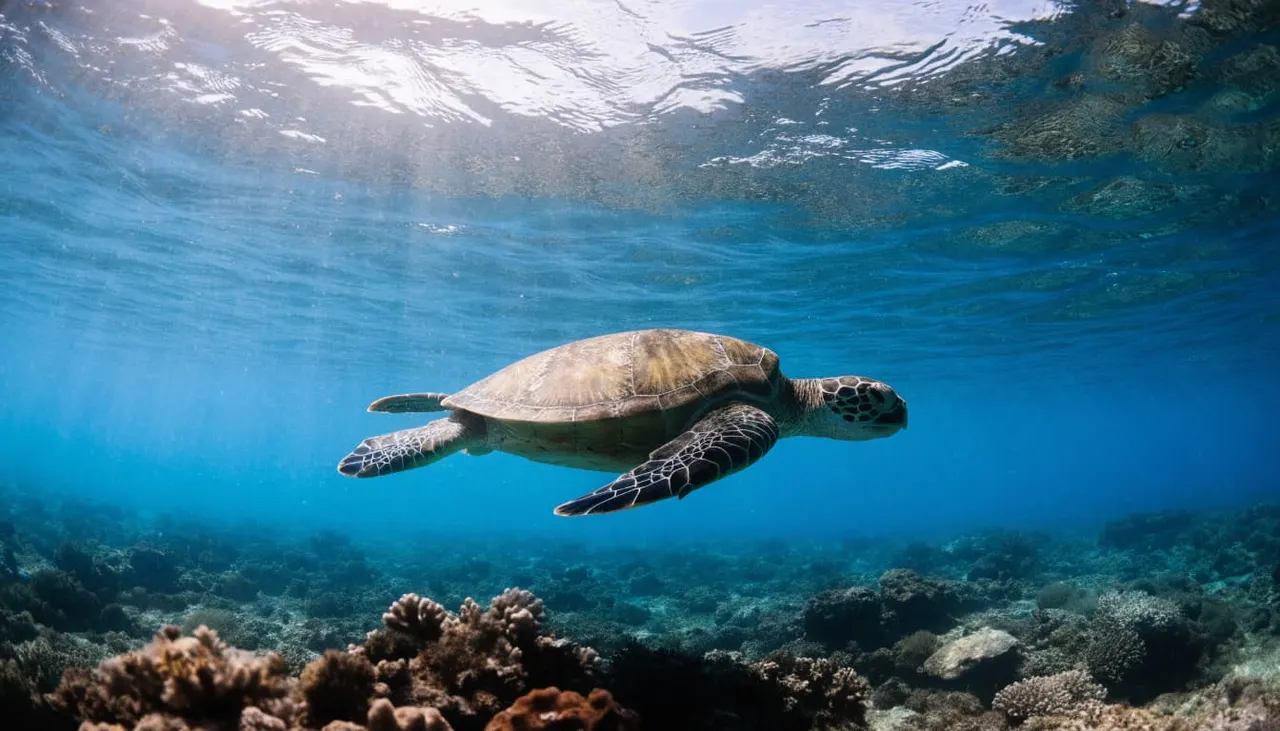
A sea turtle moves through an ocean full of organisms that use other animals as habitat. Its outer surfaces can support small passengers, including barnacles.
You may hear these passengers called epibionts. The term describes where they live, on another organism’s exterior, rather than whether they cause harm.
That distinction matters when you’re looking through a snorkel mask. A visible organism on a turtle isn’t automatically a disease, wound, or sign of neglect. You need more information than its presence.
In a study of turtle-associated barnacles, researchers described commensal relationships between sea turtles and epibionts. In that relationship, the passenger benefits without a clear benefit or harm to its host.
Barnacles Are Animals, Not Shell Growths
Although they can resemble tiny rocks, barnacles are crustaceans, related to crabs and shrimp. Their hard outer structures help explain why you might mistake them for part of a turtle’s shell.
They obtain food from seawater rather than grazing on algae like an adult green sea turtle. Living on a mobile animal gives them a place in the water where food particles are available.
However, identifying the exact barnacle species requires more than a distant underwater glance. Enjoy noticing the difference between the turtle and its passengers without turning your swim into a close inspection.
What Barnacles Can Tell You About Turtle Health
Research Looks at Abundance, Not Presence Alone
Scientists sometimes study barnacle load, meaning how many barnacles an animal carries. That is different from asking whether a turtle has any barnacles at all.
A 2012 study of barnacle distribution found lower barnacle loads in healthier turtles. The researchers suggested that the abundance of Chelonibia testudinaria could provide information about turtle condition.
That finding gives researchers a possible clue. It doesn’t establish a universal threshold that you can apply during a snorkeling encounter.
Also, research involving one group of turtles doesn’t automatically describe conditions at Turtle Canyon. You shouldn’t turn a general finding into a claim about the health of the particular honu swimming below you.
A Snorkeling Glimpse Can’t Establish a Diagnosis
Your view underwater is brief and incomplete. Light, distance, water movement, and the turtle’s position all affect what you can see.
A few pale marks might be barnacles, shell coloration, reflected sunlight, or something you can’t identify from the surface. Even a clear photograph doesn’t provide a full health assessment.
For that reason, avoid labeling a turtle healthy or sick based on shell appearance. The useful distinction is between noticing a feature and claiming to know its cause.
A research link between barnacle load and turtle condition doesn’t make barnacle counting a reliable health test for snorkelers.
If you notice an obvious problem, such as entanglement, alert your guide. Don’t approach the animal or attempt treatment yourself.
What to Watch During Your Turtle Canyon Oahu Visit
Notice Shell Texture Without Moving Closer
A turtle’s shell doesn’t need to look polished. Natural color patterns and organisms on its surface can give it a much less uniform appearance than a souvenir illustration suggests.
As you float, notice broad features you can see comfortably. You might distinguish a raised bump from a flat patch of color without identifying either one.
However, don’t shorten the distance to settle a question. If a detail disappears when the turtle turns, let it remain unidentified.
For your Turtle Canyon Oahu experience, that patience keeps the encounter enjoyable. You can appreciate an animal’s appearance without examining every mark on its body.
Watch the Turtle’s Movement and Surroundings
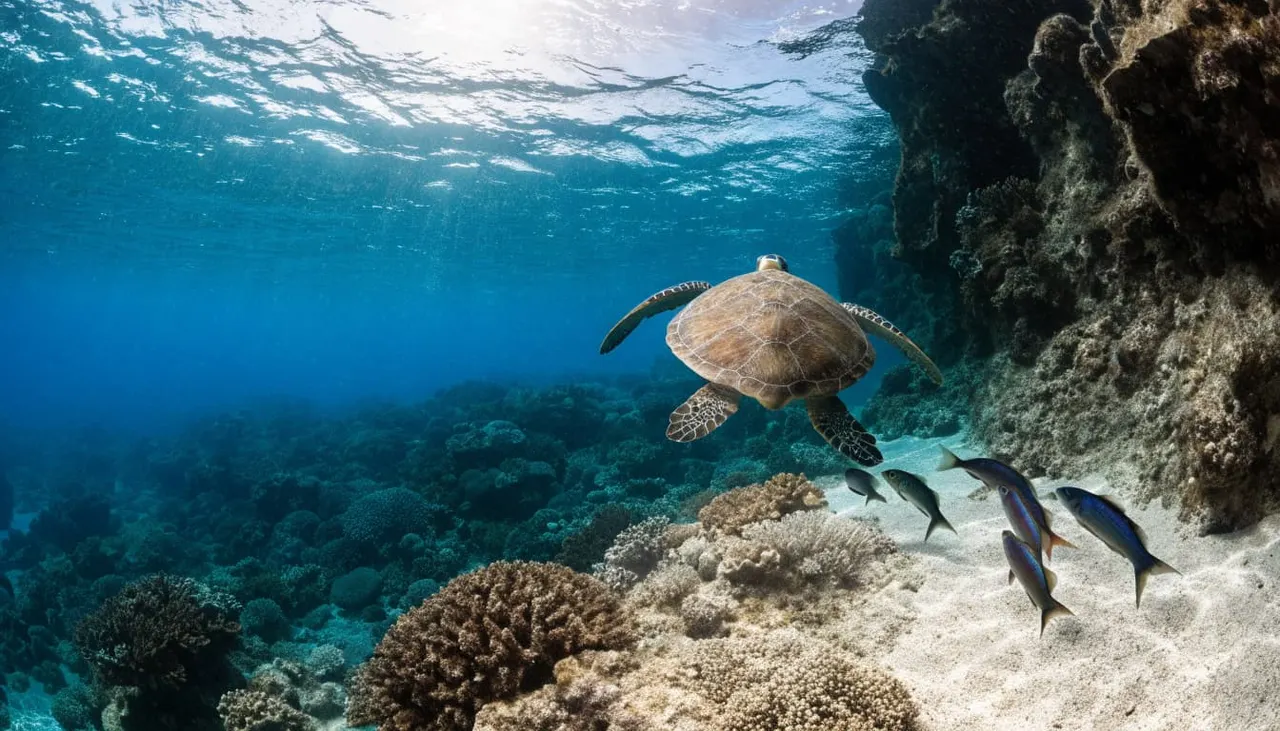
Shell details are only one part of the encounter. You can also watch how a turtle moves through the water, changes direction, or passes above the reef.
Look beyond the turtle, too. Reef fish and the surrounding habitat help you appreciate the setting without following a single animal throughout your swim.
Keep your attention wide enough to notice other snorkelers and your position relative to the boat. Concentrating on one barnacle can distract you from the practical skills that keep you comfortable.
You’ll often gain more from a calm, unhurried view than from trying to collect a close-up image.
Give Turtles Space, Even When You Want to Help
NOAA’s marine-life viewing guidelines recommend staying at least 10 feet, or 3 meters, away from sea turtles in Hawaii. That recommendation applies both in the water and on land.
Treat that distance as your minimum viewing space, rather than a target you must approach. If you can enjoy the encounter farther away, remain there.
Never touch a turtle’s shell, reach for a barnacle, or try to brush away an unfamiliar patch. Your curiosity doesn’t justify handling the animal.
Likewise, don’t follow a turtle toward the surface or place yourself in its route. Turtles breathe air, so leave them a clear path.
If one swims toward you, stay calm and give it room. Avoid crowding it with other swimmers or surrounding it for photographs.
The same approach helps families enjoy Turtle Canyon Oahu responsibly. Before entering the water, explain that children can watch wildlife without reaching for it.
For photos, use your camera’s framing or crop the image afterward. A photograph that requires pursuing a turtle costs the animal its space.
Most importantly, remember that watching isn’t a lesser experience. You get to observe a wild animal making its own choices, which is what makes the encounter worth having.
Make Comfort Part of Your Snorkeling Plan
Your ability to observe wildlife depends partly on how comfortable you feel in the water. If you’re struggling with your mask or breathing, shell details should wait.
First, settle into a steady snorkeling rhythm. Keep your movements controlled, use appropriate flotation support, and remain within the area your guide identifies.
Tell your guide when you need help with equipment or feel tired. Asking early gives you more room to address a small problem before it interrupts your outing.
For couples, agree that neither person needs to keep up with every wildlife sighting. Families can use the same approach, letting the least confident swimmer set a comfortable pace.
When planning turtle snorkeling at Turtle Canyon, make wildlife viewing one part of your experience, alongside comfortable breathing and awareness of your surroundings.
You can CHECK AVAILABILITY for your outing without expecting a particular turtle, shell appearance, or behavior. Leave room for whatever the ocean offers that day.
Frequently Asked Questions About Turtle Barnacles
Are Barnacles on Sea Turtles Parasites?
You shouldn’t assume that every barnacle is a parasite. Many turtle-associated organisms are discussed as epibionts, and some relationships are described as commensal.
That describes a different relationship from an organism feeding at its host’s expense. However, the word “epibiont” alone doesn’t establish whether a particular association affects an individual turtle.
Does a Turtle With Barnacles Need Rescuing?
Barnacles alone aren’t enough reason to attempt a rescue. You can’t establish an animal’s condition by spotting bumps on its shell during a swim.
If you see an obvious concern, tell your guide and give the turtle space. Leave assessment and intervention to people authorized to handle marine wildlife.
Should You Try to Remove a Loose-Looking Barnacle?
No. You shouldn’t test whether a barnacle is loose or handle a turtle to investigate its shell.
What looks simple through a mask can involve an animal’s living body. Keep your hands to yourself, even when your intention is to help.
Will You See Barnacles at Turtle Canyon Oahu?
You can’t predict the appearance of the turtles you might encounter. Their shells won’t necessarily match the photographs or illustrations you’ve seen before your trip.
Instead, use the possibility of barnacles as a reason to observe thoughtfully. An unfamiliar shell feature can be interesting without requiring an explanation during the swim.
Let Curiosity Lead to Respectful Observation
Barnacles show how a sea turtle can provide living space for other ocean animals. Their presence invites curiosity, but it doesn’t give you a diagnosis or a reason to intervene.
During your Turtle Canyon Oahu visit, give honu room and enjoy the details visible from a respectful distance. Observing without touching lets you appreciate the turtle as a wild animal, including the small passengers it sometimes carries.


