
Turtle Canyon Oahu: How to Report Turtle Disturbances
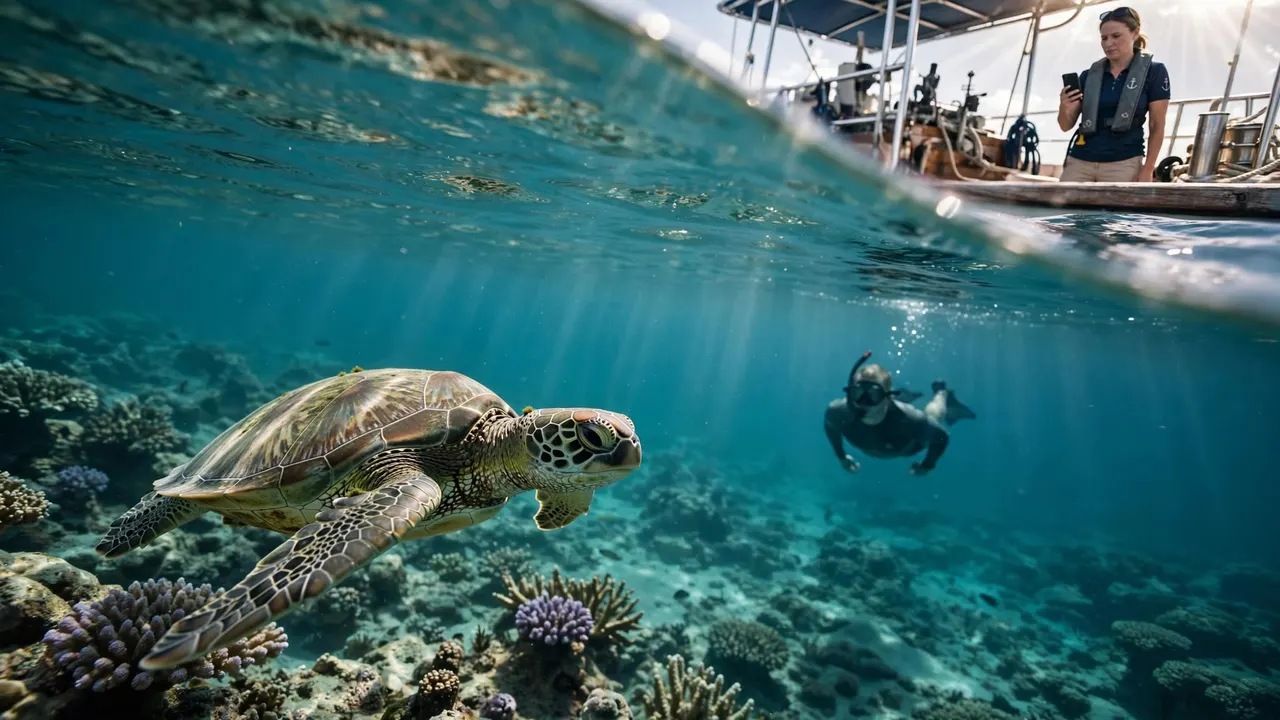
If you witness a sea turtle disturbance at Turtle Canyon Oahu, alert your boat crew and call NOAA’s Marine Wildlife Hotline at (888) 256-9840. Report what you saw without approaching the turtle or confronting anyone.
At Living Ocean Tours, we want you to enjoy turtle snorkeling trips while protecting the animals you came to see. Knowing which behaviors deserve attention helps you respond calmly. Start by distinguishing normal turtle activity from human interference.
Key Takeaways
- Call (888) 256-9840 for protected marine wildlife emergencies, including injured, entangled, or stranded turtles.
- For suspected harassment, you can also contact NOAA’s Office of Law Enforcement at (800) 853-1964.
- Keep at least 10 feet (3 meters) away, following NOAA’s recommended viewing distance.
- Record the location, time, behavior, and identifying details only when you can do so safely.
You don’t need to decide whether someone broke the law before reporting a concern. Describe the incident accurately and let wildlife authorities assess it.
Recognize a Disturbance at Turtle Canyon Oahu
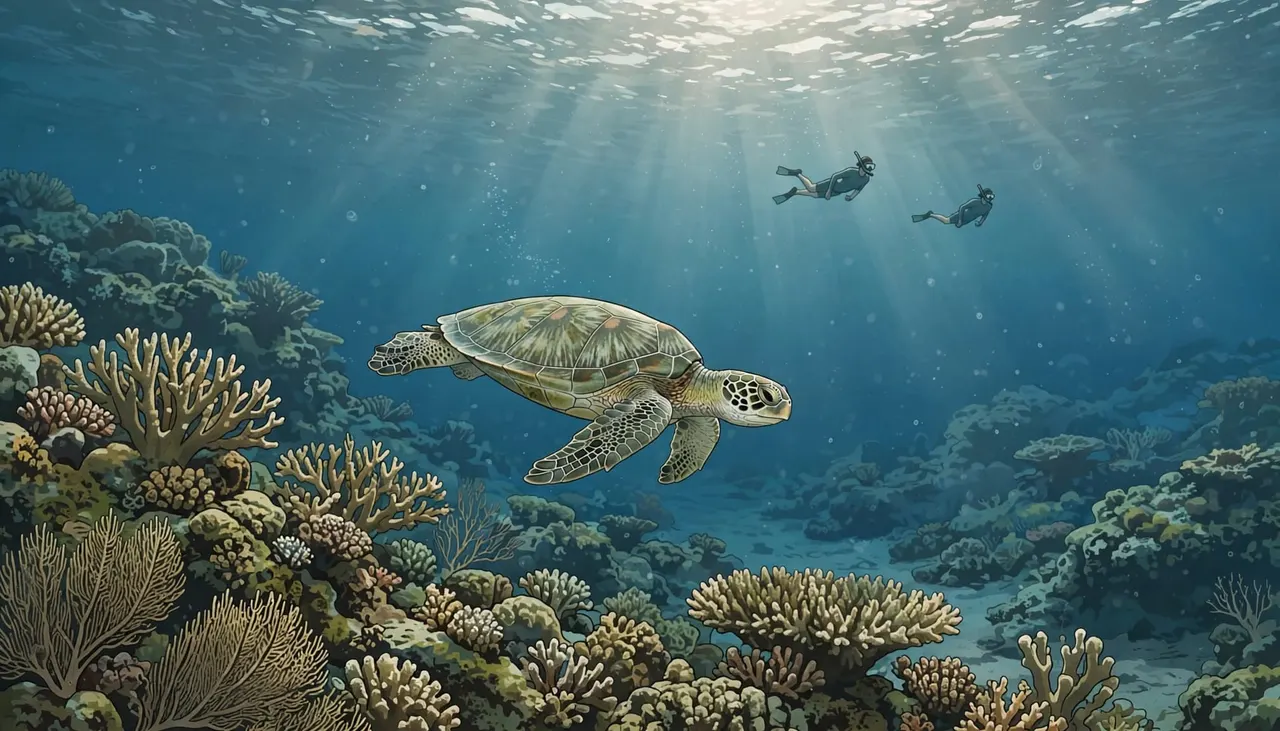
Watch for human interference
Touching, grabbing, chasing, or attempting to ride a turtle warrants attention. So does surrounding an animal or repeatedly blocking its swimming path. Feeding turtles also changes a wildlife encounter into direct interference.
Pay attention to the sequence. A swimmer passing nearby differs from someone pursuing a turtle after it moves away. Likewise, a turtle approaching a stationary snorkeler differs from a person deliberately closing the gap.
Hawaiian sea turtles have federal and state protections. NOAA’s green turtle information includes guidance on observing these animals without disturbing them. Your report should describe actions rather than declare someone’s guilt.
Leave the cleaning station undisturbed
Turtle Canyon is offshore reef habitat near Waikiki. Hawaiian green sea turtles, called honu, visit natural cleaning stations where small reef fish remove algae and other material from their shells and skin.
A turtle resting or moving slowly near the reef isn’t automatically in trouble. Observe without interrupting that behavior. However, visible fishing line, an obvious wound, or an animal caught against equipment deserves prompt reporting.
Keep the route to the surface open because sea turtles breathe air. Never position yourself above an animal to force a closer photograph. If a group crowds the area, give the turtles more space.
Who to Call for a Sea Turtle Disturbance
Report suspected harassment to enforcement
For an incident at Turtle Canyon Oahu, call NOAA’s Marine Wildlife Hotline at (888) 256-9840. NOAA’s Hawaii wildlife reporting guide identifies option 6 for enforcement.
You can also call NOAA’s Office of Law Enforcement directly at (800) 853-1964. Hawaii’s Division of Conservation and Resources Enforcement, known as DOCARE, accepts reports at (808) 643-3567.
Tell the person answering whether the behavior is happening now. Explain that you’re offshore near Waikiki, then provide your boat’s position if available. Your captain can help identify the location more precisely than a general reference to Turtle Canyon.
Treat injury and entanglement as urgent
Call (888) 256-9840 immediately for an injured, entangled, stranded, or dead sea turtle. Don’t delay the call while trying to capture better footage.
If you’re snorkeling, signal your guide and explain what you noticed once you can communicate safely. Describe whether the animal is moving, trapped, or attached to fishing gear. Avoid guessing about the injury’s cause.
Leave handling and rescue decisions to trained responders. Pulling line, cutting gear, or trying to bring a turtle onto a boat can injure the animal or endanger you.
Call 911 if a person faces immediate danger. Wildlife reporting numbers don’t replace emergency assistance for a swimmer in distress.
What to Record Before Reporting
Capture the location and sequence
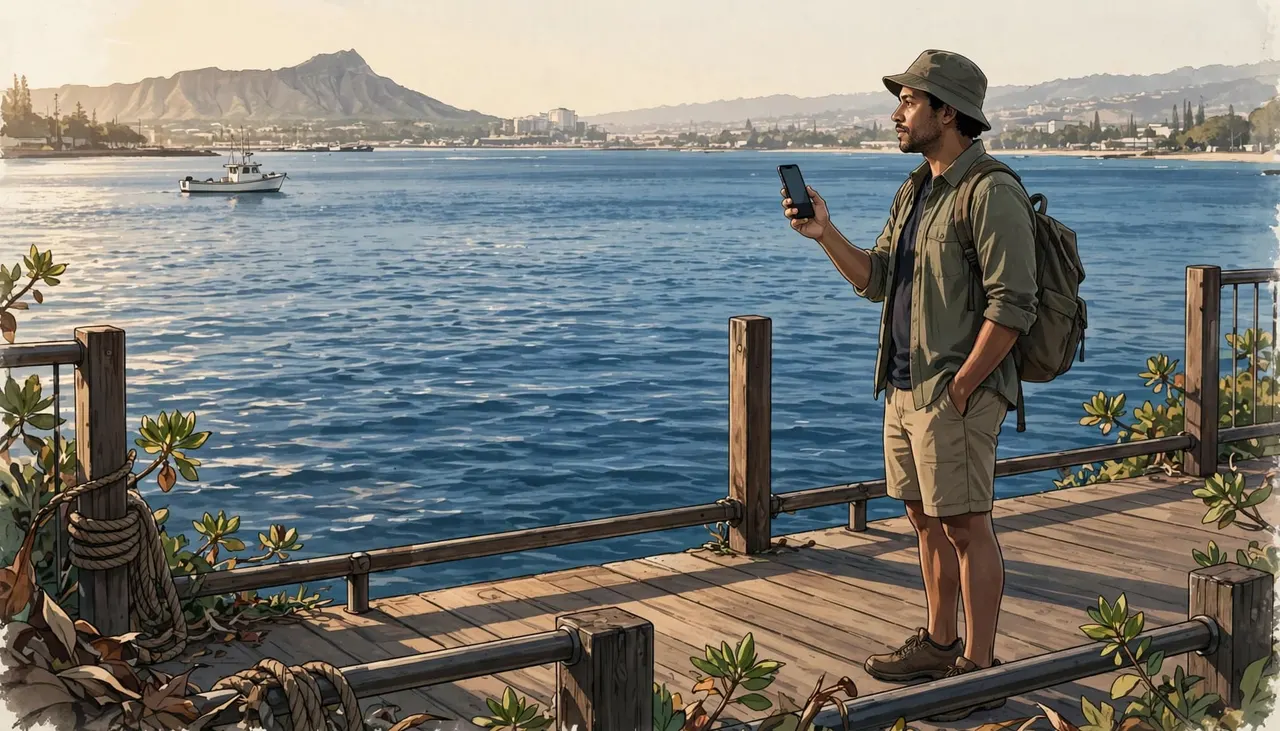
Useful Turtle Canyon Oahu reports explain where the incident happened and what occurred in order. Note the date, approximate time, and whether the behavior continued after you left.
Ask your captain for the location or GPS position when practical. A nearby vessel’s name, hull color, or visible registration can also help authorities identify the scene.
Separate observation from interpretation. Describe someone following a turtle and reaching toward its shell rather than assigning motives. If you didn’t see physical contact, say so. Clear limits make your account more useful than assumptions or dramatic language.
Save evidence without approaching
Photographs and video can help show behavior, distance, and the people involved. Record only from your existing safe position, and keep original files rather than saving edited versions alone.
Include a wider view when possible. Context can show a vessel, the surrounding group, and the turtle’s available swimming space. However, don’t swim closer to capture a face or registration number.
NOAA accepts photos, video, and social-media links at RespectWildlife@noaa.gov. Include the incident’s time and location with your evidence. If you only saw a posted video, make clear that you weren’t present and preserve the original post’s link.
Stay Safe While the Incident Unfolds
Your first responsibility is to avoid creating another emergency. Stay with your group, maintain awareness of boats, and alert your guide or captain promptly.
Don’t argue with another swimmer while you’re offshore. A confrontation can distract everyone from currents, equipment, and nearby wildlife. Let the crew manage communication aboard your vessel.
Follow NOAA’s marine-life viewing guidelines, which recommend staying at least 10 feet (3 meters) from sea turtles, on land and in the water. Give more room when an animal changes direction or your group becomes crowded.
The 10-foot distance is a viewing recommendation, not a legal boundary that determines every incident. Report the behavior and circumstances, not distance alone.
If a turtle swims toward you, stay calm and allow it to pass. Move away gently when you can do so without blocking its route or contacting the reef. Never reach out, even if the turtle comes within arm’s length.
After reporting, follow any instructions the responder gives you. Don’t pursue a departing vessel or remain in unsafe water to continue filming.
Plan a Responsible Guided Visit
Your Turtle Canyon Oahu trip should make respectful viewing easy. At Living Ocean Tours, we’re Oahu’s only tour company with professional snorkel guides. You receive snorkeling equipment, flotation support, and in-water guidance on our Turtle Canyons Snorkel Excursion.
The two-hour outing departs from Kewalo Basin Boat Harbor near Waikiki. Before entering, tell your guide if you’re nervous, adjusting unfamiliar equipment, or helping a child. That conversation lets you focus on comfortable snorkeling and watching honu without crowding them.
Read guest feedback below, then CHECK AVAILABILITY for your preferred departure.
Choose your Turtle Canyons departure here.
If you’re comparing outings, explore our Oahu snorkeling tours and choose the experience that fits your group.
During any wildlife encounter, tell your guide promptly if you notice concerning behavior. Crew support helps you communicate without leaving your group or moving closer to an animal.
Frequently Asked Questions
Can you report an incident without photos?
Yes. Give authorities the clearest account you can, including the time, location, actions you witnessed, and descriptions of the people or vessel involved. Photos can help, but you shouldn’t approach a turtle or endanger yourself to obtain them.
Explain what you saw directly and what someone else told you. That distinction matters when authorities assess a report.
Should you stop someone from touching a turtle?
Alert your guide or captain first, especially while you’re in the water. Don’t physically intervene, chase another swimmer, or create a confrontation near the animal.
From a safe position, you can calmly explain that turtles need space if doing so won’t escalate the situation. Reporting the behavior remains the appropriate step when interference continues or an animal needs help.
Can you remove fishing line from a turtle?
Don’t attempt to restrain a turtle or remove attached fishing gear yourself. Line may wrap around areas you can’t see, and pulling it can worsen an injury.
Call the wildlife hotline and describe the turtle’s location and condition. Follow responder instructions, and remain available to provide updates only when your own safety and boat operations allow.
Help Keep Honu Undisturbed
A useful report combines clear observations with a safe response. Alert your crew, contact the appropriate wildlife authority, and document what happened without adding pressure to the turtle.
Save (888) 256-9840 before your outing so it’s available if you need it. Giving honu space to swim, surface, and use the reef remains the simplest way to protect the encounter you came to enjoy.


