
Turtle Canyon Oahu: A Closer Look at Cleaner Fish
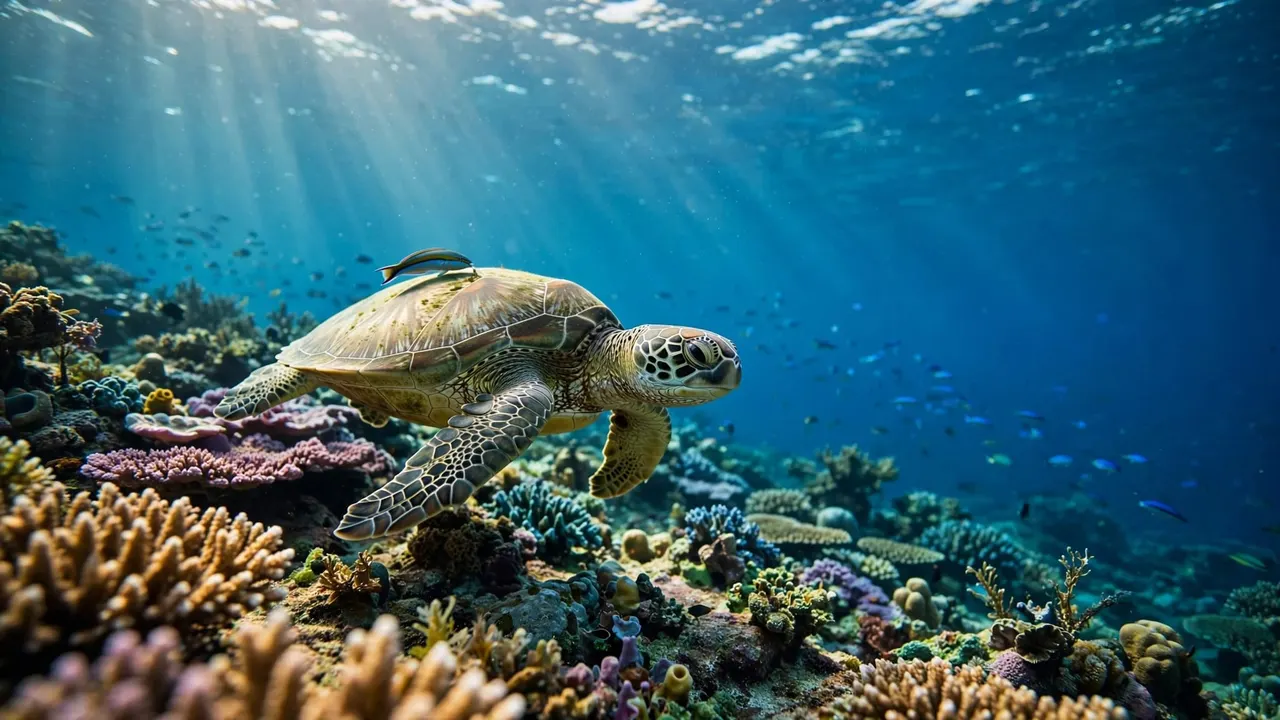
At Turtle Canyon Oahu, the pause between turtle appearances gives you a chance to notice smaller reef fish. You can learn more by watching their movements and interactions than by assuming every fish nearby is waiting for a turtle.
With Living Ocean Tours, you explore this reef with professional snorkel guides who help you notice details beneath the surface. We’re the only tour company with professional snorkel guides, and your experience centers on observing without disturbing the wildlife.
Start with the cleaning relationship, then widen your view beyond the turtles.
Understanding Cleaning at Turtle Canyon Oahu
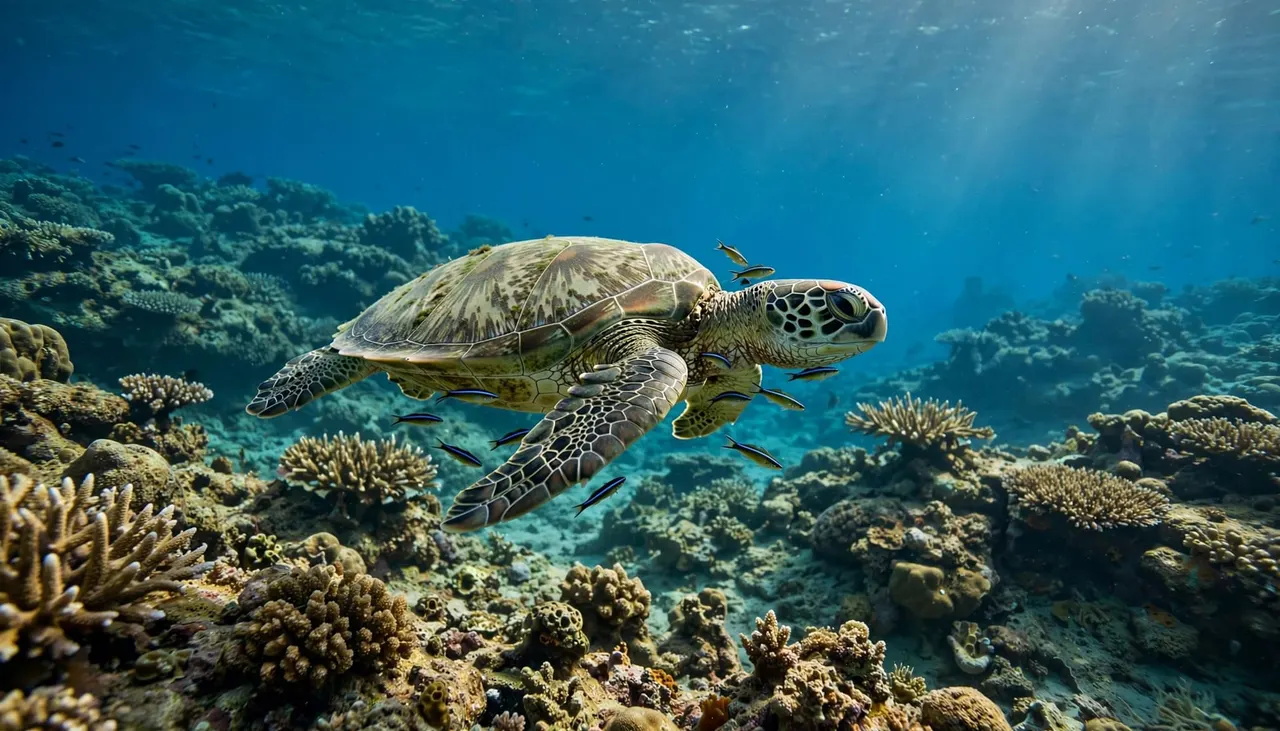
Turtle Canyons is an offshore reef near Waikiki known for its natural turtle cleaning station. Here, you can observe an interaction between Hawaiian green sea turtles, or honu, and smaller reef fish.
Cleaning is a relationship between animals
A cleaning interaction involves more than fish swimming beside a turtle. The animals make close contact, and the fish obtain food through the relationship while the turtle receives cleaning.
Published research on Hawaiian turtle cleaning relationships documents this behavior in Hawaii. However, findings about a Hawaiian cleaning station don’t automatically describe every encounter you see at Turtle Canyons.
When you watch, follow the interaction itself. Notice how the turtle positions its body and how individual fish approach. A few seconds of attention can reveal more than a quick photograph.
A cleaning station is part of the reef
The station isn’t a separate structure built for turtles. It’s a location within the reef where cleaning interactions occur.
That distinction matters when a turtle moves away. You still have reef formations, open water, and other animals in view. The site remains a habitat even when its best-known visitor isn’t occupying your attention.
Instead of scanning only for another shell, look at the spaces around the reef.
What to Watch Between Turtle Appearances
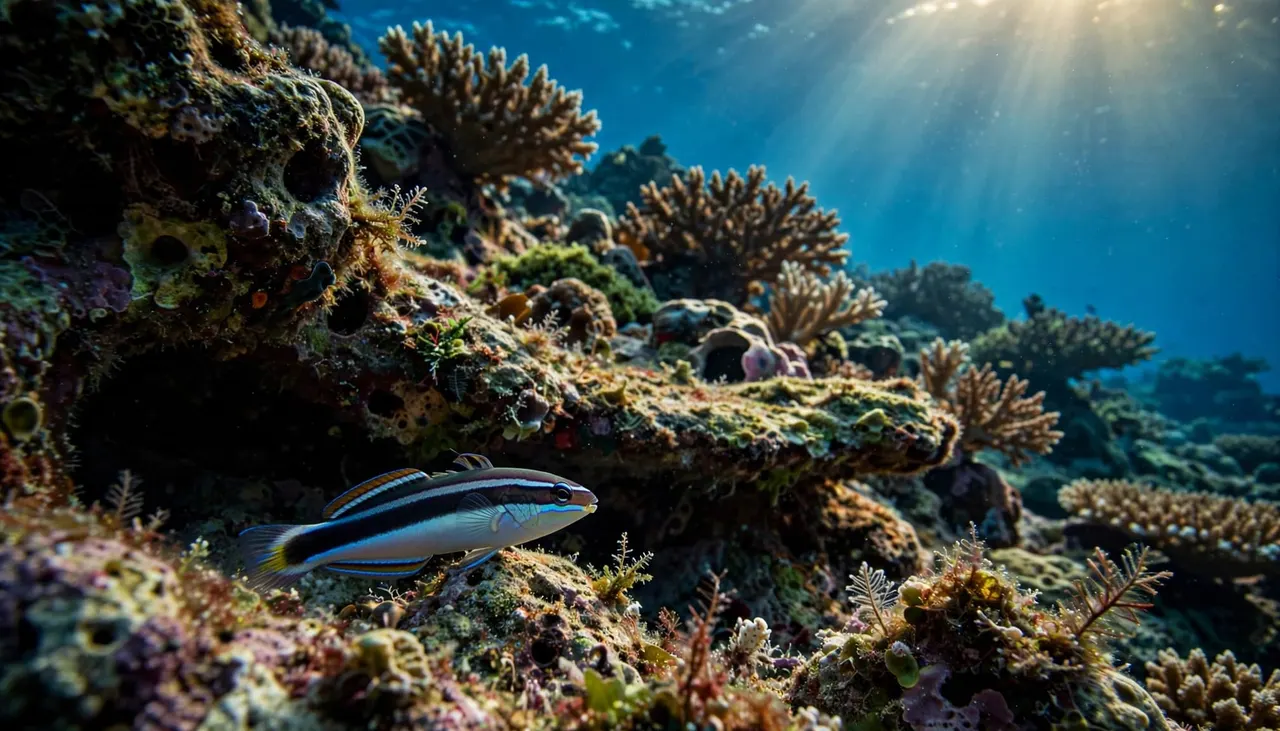
An empty patch of water can make small movements easier to notice. At Turtle Canyon Oahu, use that quieter moment to follow individual fish rather than the entire underwater scene.
Follow one fish without following it physically
Choose a fish you can see clearly and watch from your position near the surface. Notice its direction, its distance above the reef, and whether it interacts with another animal.
Keep your observations simple. A fish crossing open water and a fish making contact with another animal are different sights. Neither observation gives you a complete account of its day.
You don’t need to swim after it. If it leaves your view, let it go and turn your attention to another visible part of the reef.
Notice interactions rather than inventing intentions
A fish near a cleaning station isn’t necessarily waiting for the next turtle. Likewise, proximity to another fish doesn’t establish that cleaning is happening.
Look for an observable sequence: an approach, close contact, and what happens afterward. Those details give you something concrete to discuss with your guide.
A fish’s location tells you where it is. Its interaction with another animal gives you stronger evidence of what it’s doing.
This approach makes the interval between sightings interesting without turning a brief glimpse into a claim about behavior.
Cleaner Fish Are Part of a Larger Reef Community
You may notice butterflyfish, tangs, wrasses, and triggerfish around the reef. However, sharing a habitat doesn’t mean these fish all perform the same job.
“Cleaner” describes an ecological role. It isn’t a label you can apply to every small fish near a turtle.
At Turtle Canyon Oahu, that distinction helps you appreciate the reef’s variety. Some encounters involve a cleaning relationship; others simply show animals occupying the same space. Watch before assigning a role.
Hawaiian green sea turtles have the scientific name Chelonia mydas. You’ll find that name in marine ecology research discussing turtle-fish relationships, which places these encounters within a broader study of marine animals.
For your snorkel experience, recognition matters more than memorizing scientific names. You can notice body shape, swimming style, and how a fish positions itself around the reef.
Ask your guide about a fish while it’s still visible. “The narrow fish beside that coral head” is more useful than describing its color after it disappears.
Most importantly, enjoy the animals you can observe clearly. A small fish making repeated passes through your view can hold your attention even when no turtle is nearby.
Recognize an Interaction Without Overreading It
From the surface, you see only part of an underwater encounter. Water movement, distance, and the animals’ positions can hide details.
These distinctions help you describe what you see accurately.
| What you see | What you can reasonably observe |
|---|---|
| A turtle holding position near the reef | Its location and posture |
| Small fish swimming nearby | Their proximity to the turtle |
| Repeated close approaches and contact | A sequence worth watching closely |
| A turtle swimming toward the surface | Its movement toward air |
Contact and sequence matter more than proximity. A photograph of fish surrounding a turtle may miss the behavior that happened immediately before or afterward.
Watch for a little longer when conditions allow. You may see the animals change position, separate, or move beyond your view. Each movement adds context without requiring you to guess what material a fish is taking.
Your camera can help you remember an encounter, but keep your awareness outside the screen. Meanwhile, another turtle may approach, your group may move, or your guide may signal.
For families, describing visible actions is an easy way to keep children engaged. “Watch where that fish goes” invites attention without promising a particular result.
Why Your View Changes During a Snorkel
The reef doesn’t look identical throughout an outing. Light, water clarity, surface chop, and your viewing angle affect what you can distinguish.
A turtle’s large outline may remain easy to see while smaller fish become difficult to follow. Therefore, losing sight of a cleaner fish doesn’t tell you whether it has left the area or changed its activity.
Depth matters, too. You can observe reef life while snorkeling at the surface, but distance limits fine detail. Don’t dive closer simply to answer a question about a tiny movement.
Instead, stay with your guide and use the clearest view available. Looking across an animal’s outline can sometimes make its movement easier to follow than staring directly down into a busy background.
Comfort also affects attention. If your mask leaks or your breathing feels unsettled, address that first with the crew. You’ll notice more when you’re comfortable.
For couples, pointing out a visible animal can help you share the moment. However, keep gestures gentle and leave enough space for everyone to float without bumping into one another.
Give Turtles and Reef Fish Room
A respectful visit to Turtle Canyon Oahu lets you observe animals without changing their behavior through crowding or contact. Your position in the water matters as much as your interest in the wildlife.
Keep the turtle’s route open
Stay at least 10 feet (3 meters) from sea turtles. Don’t touch, feed, chase, or surround them.
Turtles breathe air, so leave a clear route to the surface. If one swims toward you, create space rather than moving into its path for a photograph.
A turtle resting or holding position isn’t inviting contact. Its calm appearance doesn’t change the viewing rules.
For children, explain the distance rule before entering the water. Then follow your guide’s directions as a family rather than gathering around an animal from several sides.
Stay clear of the reef itself
Keep your fins away from coral and other reef surfaces. Don’t stand on the bottom or hold onto the reef to steady yourself.
Use the flotation support provided and ask for help if maintaining your position feels difficult. Adjusting your comfort is better than grabbing something underwater.
Also, keep food out of the water. Feeding wildlife changes the encounter and draws animals toward people.
The aim is straightforward: enjoy what the animals choose to do while giving them room to continue.
Explore With Our Professional Snorkel Guides
Our trips depart from Kewalo Basin Boat Harbor, minutes from Waikiki. With Living Ocean Tours, you receive snorkel equipment, flotation support, and instruction before entering the ocean.
Professional snorkel guides are in the water with you. That support helps beginners with breathing, mask fit, and reef etiquette while giving experienced snorkelers someone to ask about an unfamiliar interaction.
You can choose your ocean outing through our available departures.
For a turtle-focused visit, our guided snorkeling at Turtle Canyons brings you to the natural cleaning station. You can watch for honu while also paying attention to the reef fish that make the site interesting between appearances.
Tell your guide what catches your eye. A question about a small fish can open up an entirely different part of your Turtle Canyon Oahu experience.
Key Takeaways for Your Reef Visit
- Watch individual fish and their interactions rather than assuming every nearby fish is cleaning.
- Keep at least 10 feet from turtles and leave their route to the surface open.
- Ask your guide about visible behavior while keeping your fins and hands clear of the reef.
A turtle-free moment can still be a rewarding part of your snorkel.
Frequently Asked Questions
Does every fish near a turtle act as a cleaner?
No. Being close to a turtle doesn’t establish a cleaning relationship. You need to observe the interaction, not simply the animals’ positions. Different reef fish share the same habitat, so your guide can help distinguish the fish you see without treating every small animal as a cleaner.
Can you watch cleaning behavior from the surface?
Yes, you can observe turtle-fish interactions while snorkeling at the surface when visibility allows. However, small details become harder to distinguish with distance and water movement. Stay with your group and avoid moving closer to wildlife or diving toward the reef to improve your view.
Look Beyond the Next Turtle
Your Turtle Canyon Oahu visit becomes richer when you give smaller animals your attention, too. Watch their visible movements, recognize close interactions, and leave room for wildlife to move freely.
With patient observation and guidance in the water, the time between turtle appearances becomes part of the experience. You leave with a fuller view of the reef, rather than only a collection of turtle photographs.


