
Turtle Canyon Oahu: Why Nest Counts Miss Turtles
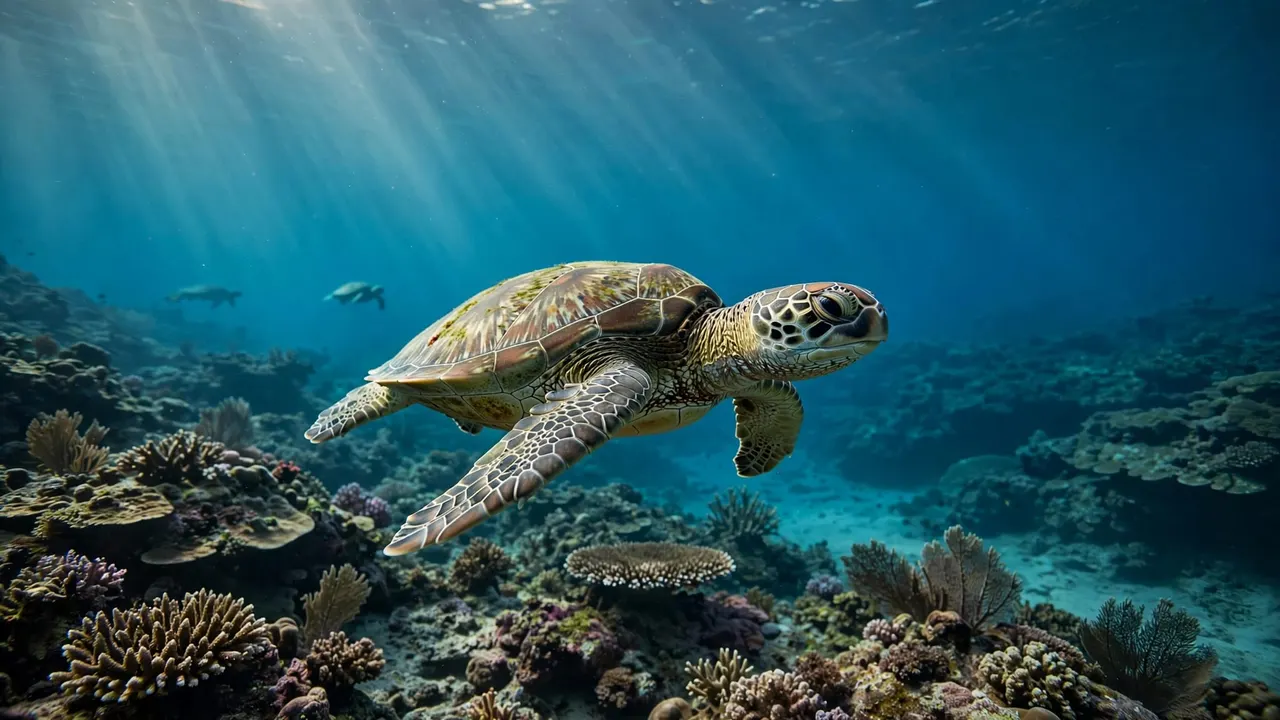
The honu you spot at Turtle Canyon Oahu might never appear in that year’s nest count. With Living Ocean Tours, you can enjoy a guided encounter while understanding why nesting activity doesn’t equal the number of turtles alive.
Nest surveys leave out males, juveniles, and adult females that aren’t breeding that season. Meanwhile, one nesting female can produce several nests.
That difference helps you understand both the turtle swimming beneath you and the conservation numbers describing its population.
Key Takeaways
- Nest counts measure reproductive activity at surveyed beaches, not every turtle living around Hawaii.
- A female Hawaiian green turtle lays an average of four nests during a nesting season, so nests aren’t individual animals.
- Adult females typically return to nest about every four years, leaving many mature turtles outside any single year’s nesting count.
- Your snorkeling sightings show which turtles are visible during your visit, rather than how many live across the archipelago.
You can appreciate a wildlife encounter without treating it as a population census. Likewise, nesting records remain useful when you understand their limits.
A Turtle Canyon Oahu Sighting Isn’t a Nest Count
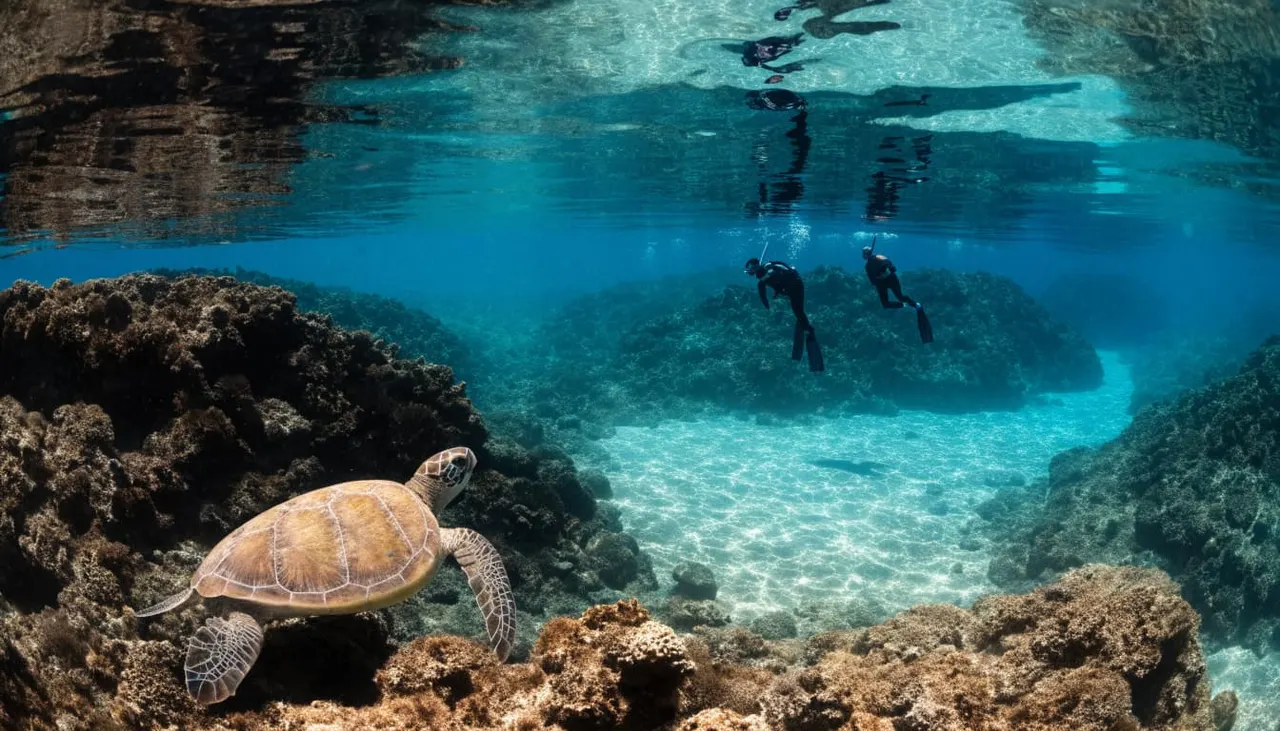
What you observe during a snorkel trip
When you watch a Hawaiian green sea turtle, or honu, you’re observing an animal using marine habitat. It may rest, move through the area, or rise to breathe. None of those behaviors establishes whether it will nest that year.
At Turtle Canyon Oahu, your view also depends on where you’re floating and what the turtle does. An animal can pass beyond your view and return later. Without reliable identification, repeated sightings don’t necessarily mean additional turtles.
Which turtles nesting surveys miss
Only reproductively active females lay eggs. Males and juveniles therefore don’t contribute nests, even though both belong to the living population.
Adult females also spend years between nesting seasons. That means a healthy, mature female you encounter underwater may contribute nothing to that season’s nest total.
You shouldn’t assume a turtle’s sex, reproductive status, or nesting destination from a brief snorkeling encounter. What you see is valuable wildlife behavior, but it answers a different question than a beach survey.
What a Nest Count Actually Records

One female can make several nests
A nest count records nests deposited within a surveyed area and period. It doesn’t automatically identify how many different females made them.
NOAA’s Hawaiian green turtle information gives an average of four nests per female per season. A demographic review reports a studied range of one to nine clutches.
Because females lay different numbers of clutches, converting nests into nesting females requires more information than a simple headcount. Researchers need to understand repeat nesting and how completely surveys cover the season.
Females don’t necessarily breed every year
NOAA reports that adult females typically nest every four years. A demographic review covering 1973 through 2012 found a four-year mean interval, with individual intervals ranging from two to nine years.
Therefore, a single season samples only part of the adult female population. A female absent from nesting records may still be alive and using coastal habitat.
Dividing a nest total by average clutch frequency estimates nesting females under certain assumptions. It still doesn’t count males, juveniles, or females skipping that season.
You get a clearer picture by keeping those missing groups in mind.
Oahu Encounters and Nesting Beaches Are Different Places
Your Waikiki snorkeling experience and Hawaii’s principal nesting grounds aren’t the same location. According to NOAA’s green turtle species information, more than 90% of Hawaiian green turtles nest at Lalo, also called French Frigate Shoals.
Lalo lies within Papahānaumokuākea Marine National Monument in the Northwestern Hawaiian Islands. Green turtles also nest elsewhere in the archipelago, so the principal nesting area doesn’t account for every nesting event.
This geographic separation matters when you interpret local sightings. Turtles using waters around Oahu can belong to a population whose reproductive activity occurs far away.
At Turtle Canyon Oahu, you’re seeing one part of that broader life cycle. A nesting-beach survey measures activity at another place and time.
You can’t translate a busy snorkeling visit into an archipelago-wide population estimate. Similarly, a quiet visit doesn’t establish a decline. Both conclusions require broader, repeated observations rather than one encounter.
How Researchers Build a Fuller Picture
Individual identification adds information
Researchers can combine nesting records with observations of identifiable turtles. That helps connect an animal’s movements and return visits across different locations.
NOAA’s Honu Count reporting program invites reports of Hawaiian green turtles carrying white alphanumeric markings. Those markings let observers contribute sightings associated with particular animals.
If you notice a marked turtle, observe without approaching or following it. A photograph taken from a respectful distance can preserve the marking and location information without interrupting its behavior. Identification adds context that an unmarked sighting alone cannot provide.
A field count can measure something besides nesting
NOAA’s 2024 field-camp summary reported 1,260 turtles identified at Lalo. The work included 512 females on Tern Island and 223 females on East Island.
Those observations involved turtles basking during the day. They weren’t a nighttime tally of egg-laying events or nests.
This distinction matters whenever you encounter a headline containing a turtle total. “Identified turtles,” “nesting females,” and “nests” describe different measurements. Before interpreting a number as population size, you need to know which animals or events it includes.
Read Turtle Conservation Numbers Without Mixing Measures
You can understand a monitoring result more accurately when its label stays attached to its number.
These common measurements answer different questions:
| Measurement | What it records | Main limitation |
|---|---|---|
| Nest count | Nests within a survey area and period | One female can make several nests |
| Nesting-female count | Females observed breeding that season | Excludes other population groups |
| Identified-turtle count | Recognized individuals observed during a study | Depends on study coverage |
| Snorkeling sightings | Turtles visible during an outing | Repeat sightings may involve the same animal |
The useful comparison is between measurements collected with comparable methods.
NOAA’s account of green turtle conservation successes describes long-term monitoring of nesting females at Lalo. Such repeated observations reveal patterns that a single year can’t establish.
However, a trend in nesting females isn’t automatically an identical trend across every age and sex. Nesting data can provide strong evidence about reproductive activity while still leaving other population questions open.
Watch Honu Without Changing Their Behavior
Understanding monitoring limits gives you another reason to watch patiently. You don’t need to move closer, follow a turtle, or count every animal to have a rewarding experience.
Hawaii’s wildlife-viewing guidance recommends staying at least 10 feet (3 meters) from sea turtles, both in the water and on land. Don’t touch, feed, chase, or disturb them.
Keep the route to the surface open. Sea turtles breathe air, so your position shouldn’t force an animal to change direction while ascending.
At Turtle Canyon Oahu, follow your guide’s positioning instructions and keep your movements controlled. If a turtle approaches, give it room rather than reaching toward it.
A turtle resting or moving slowly doesn’t automatically need help. If you notice an injury or entanglement, alert your guide instead of attempting an underwater rescue.
Your role is to observe and report concerns without adding stress. That approach protects the encounter for the animal as well as your group.
Plan Your Turtle Canyon Oahu Outing
With us at Living Ocean Tours, you depart from Kewalo Basin Boat Harbor, minutes from Waikiki. We’re the only tour company with professional snorkel guides in the water with you.
Our Turtle Canyons Snorkel Excursion starts at $79 and includes snorkeling equipment, flotation support, and professional guidance. That support helps you manage unfamiliar gear while keeping a respectful distance from wildlife.
You can browse our departures using the booking calendar below.
Our turtle-spotting success rate is 95%. That describes sightings on our outings, not the proportion of Hawaii’s turtle population present at the site.
Although sightings are frequent, turtles choose when to arrive and leave. Ocean conditions also affect the experience.
For a turtle-focused outing, CHECK AVAILABILITY and choose your departure.
Frequently Asked Questions
Does one nest mean one turtle?
No. One female can lay several clutches during a nesting season. Hawaiian green turtles average four nests per female per season, so nest totals and individual-female totals aren’t interchangeable.
Do the turtles you see near Waikiki nest on Oahu?
A sighting doesn’t establish an individual turtle’s nesting destination. Most Hawaiian green turtle nesting occurs at Lalo, although nesting also occurs elsewhere across the islands. You can’t determine that history by watching a turtle swim.
Can you judge population recovery during a snorkeling trip?
Your visit shows which turtles are visible at that moment. Population assessment requires repeated monitoring over wider areas and time periods. Neither a busy nor a quiet outing provides that assessment by itself.
Are nest counts still useful?
Yes. They document reproductive activity and help researchers track changes through time. Their value comes from consistent monitoring and careful interpretation, rather than treating each nest as a separate turtle.
Enjoy the Encounter, Understand the Count
The honu you watch at Turtle Canyon Oahu belongs to a population larger than any season’s nesting records. Nest counts remain useful because they measure reproductive activity, while other observations help describe turtles outside that group.
On your outing, give each turtle room and let it set the pace. You can leave with a memorable encounter and a clearer understanding of what conservation numbers mean.


