
Turtle Canyon Oahu: What Turtles Eat Between Visits
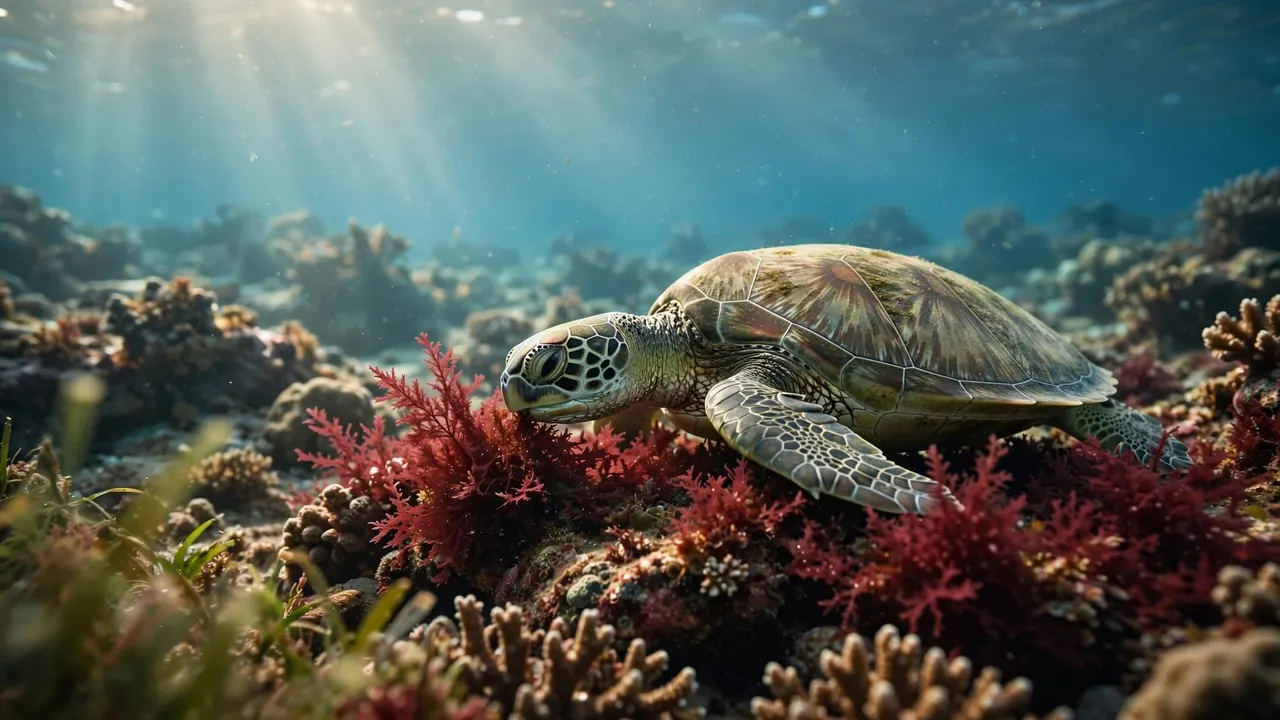
A turtle’s last meal is invisible when it glides past your mask. At Turtle Canyon Oahu, you get a glimpse of a honu’s coastal routine, while its feeding history remains out of sight.
With Living Ocean Tours, you can watch these wild animals while learning to separate grazing from cleaning-station activity. Adult Hawaiian green turtles eat mainly algae and other marine plants, with red seaweed prominent in Oahu diet research. Start with that coastal menu, then look at what your reef encounter can reveal.
Key Takeaways
- Adult Hawaiian green turtles, called honu, eat mostly marine vegetation, especially algae.
- Oahu diet research identifies red macroalgae as major foods, while seagrasses contribute less overall.
- Cleaner fish picking material from a turtle’s shell are feeding; the turtle isn’t necessarily eating.
- Your best encounter comes from observing calmly, leaving room for movement, and never offering food.
What Green Turtles at Turtle Canyon Oahu Eat
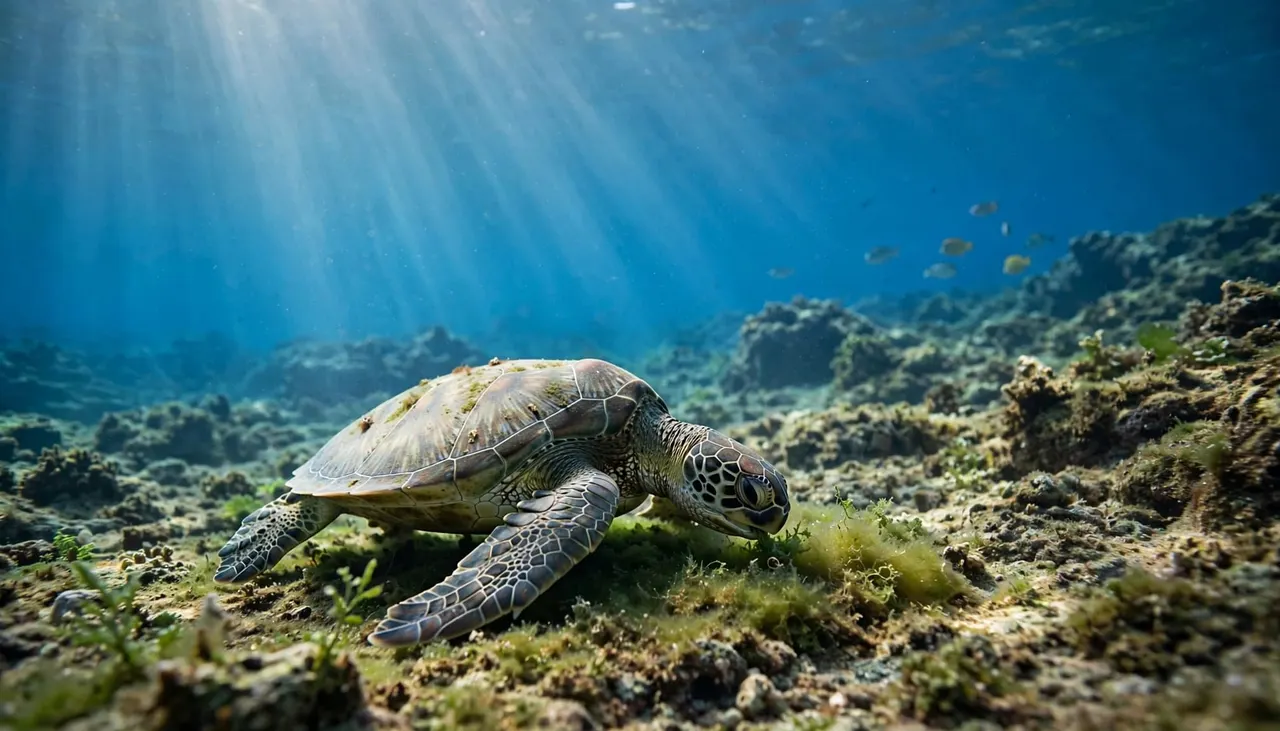
Red seaweed dominates the documented Oahu diet
When you hear that honu eat algae, picture marine vegetation growing across coastal habitats. Macroalgae are the larger seaweeds commonly called limu in Hawaii. Many attach to rocks and other hard surfaces.
NOAA-hosted research summarizing Oahu turtle diets between 1977 and 2012 found that red macroalgae dominated the material examined. Named foods included Acanthophora spicifera, Gracilaria salicornia, and Hypnea musciformis.
Those scientific names describe documented foods around Oahu. They aren’t a species checklist for the reef beneath your snorkel route. Still, they give you a more accurate answer than assuming every Hawaiian turtle lives mainly on seagrass.
Seagrass belongs on the broader menu
Seagrass differs from seaweed. It’s a flowering plant with roots and underground stems called rhizomes, rather than an alga attached to rock.
Hawaiian species include Halophila hawaiiana and Halophila decipiens. In the Oahu diet summary, the two documented seagrasses contributed less than 15% of ingested material.
However, that regional pattern doesn’t make seagrass unimportant everywhere. Local feeding areas can offer different proportions of available foods. The federal green turtle diet assessment describes algae and seagrass as primary dietary components in coastal habitats.
How Honu Bite and Graze
A green turtle has a hard, toothless beak. Its mouth helps it bite and crop marine vegetation, so feeding can involve repeated movements close to a food-covered surface.
When you watch from a respectful distance, repeated bites offer stronger evidence of grazing than slow swimming alone. A turtle cruising above algae might continue without taking any food.
Likewise, lowering its head briefly doesn’t reveal the exact plant it ate. Water movement, viewing angle, and distance limit what you can identify through a mask.
Plant foods also differ in structure. A patch of branching seaweed offers a different feeding surface than low-growing algae. Seagrass leaves, meanwhile, grow from plants rooted in sediment.
You don’t need to identify every plant to appreciate the behavior. Watch whether the turtle pauses, brings its mouth toward the surface, and makes repeated feeding movements.
Keep your position rather than swimming closer for a better look. Natural grazing is most rewarding when the animal can continue without responding to you.
Why a Cleaning Visit Isn’t a Meal
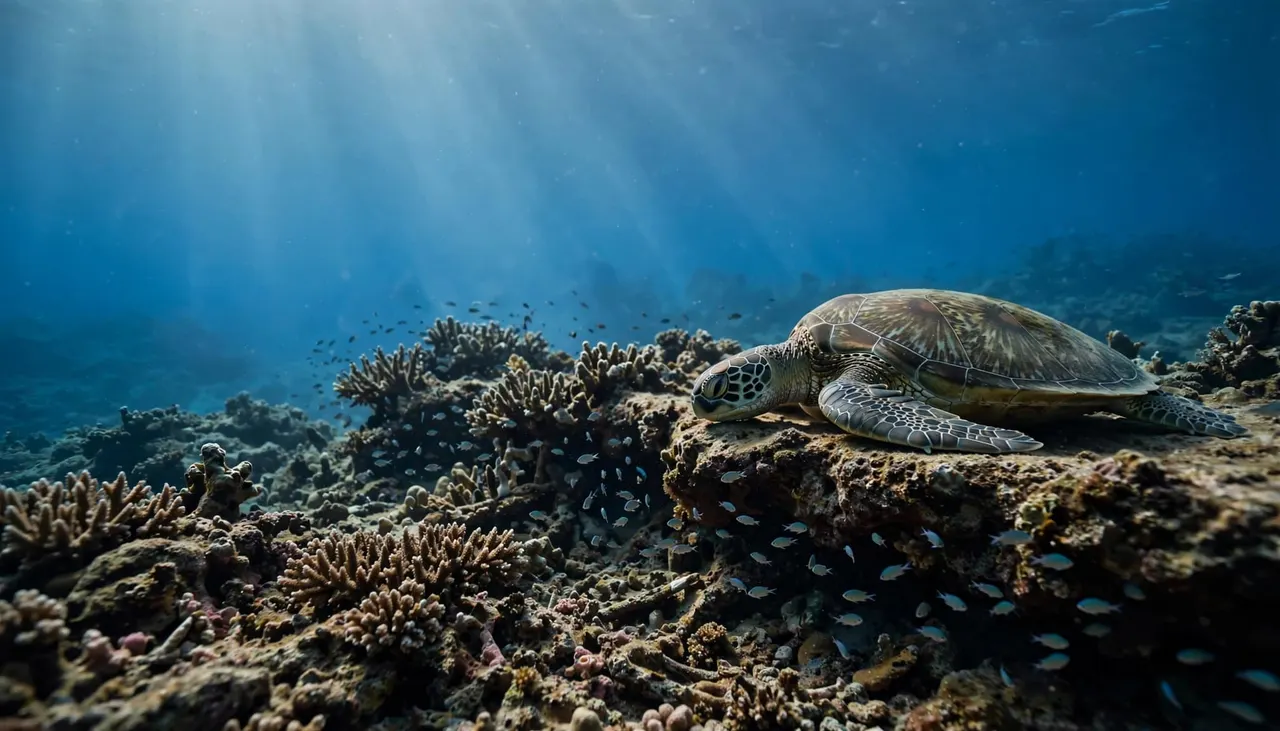
Cleaner fish do the eating
Turtle Canyon Oahu is known for natural cleaning-station activity. Small reef fish may approach honu and pick algae, parasites, or other material from their shells and skin.
During that interaction, the fish gain food. The turtle receives cleaning and may remain nearly still while fish work around it.
That difference helps you read the scene correctly. Fish near a turtle’s face don’t automatically mean the turtle is eating them. Likewise, algae on a shell aren’t evidence that the turtle has just grazed.
Instead, watch the relationship. You may notice fish changing positions while the turtle holds its place, then dispersing when it moves away.
A reef stop serves several needs
Food is only one reason a turtle spends time in coastal habitat. Resting, traveling, breathing, and visiting cleaner fish also shape its movements.
A honu can eat in one area and appear at a cleaning station elsewhere. Therefore, a turtle hovering over coral doesn’t reveal where its previous meal came from.
Several turtles sharing a reef also don’t establish a shared feeding routine. One may pause near fish while another heads toward open water.
Your encounter becomes more interesting when you watch these differences. Follow the activity across the reef rather than expecting every turtle to demonstrate the same behavior.
What Changes Between Your Visits
Food availability varies along the coast
A feeding area needs accessible vegetation, and vegetation doesn’t grow evenly across every underwater surface. Sunlight, wave action, water movement, and grazing all affect local growth.
As a result, two reef patches can offer different foods even when they look similar from a boat. A turtle may inspect one area, take bites at another, or continue swimming.
The Hawaiian sanctuary habitat assessment describes green turtles feeding mainly on macroalgae and seagrasses, with diet varying among locations.
For your Turtle Canyon Oahu visit, the useful takeaway is local variation. A regional menu explains the species’ feeding habits without assigning every turtle an identical meal.
A sighting captures only one moment
You might return to the reef and see different activity: a turtle rising for air, another pausing near a ledge, or fish gathering around a shell.
None of those observations tells you how much the turtle ate earlier. Even recognizing an individual wouldn’t give you a record of its meals between encounters.
Keep your attention on visible behavior rather than filling in an unseen schedule. A turtle’s movements belong to its own needs and the conditions around it.
That makes each visit worth watching patiently. You can learn something new without turning a brief sighting into a complete feeding history.
Watch Without Interrupting a Turtle’s Routine
Understanding a turtle’s diet gives you another reason to leave feeding entirely to the animal. Never offer snacks, seaweed, or anything else to attract a honu.
Feeding and touching turtles are prohibited under Hawaii’s wildlife protections. Offered food can also change natural behavior and draw animals toward swimmers or boats.
For your Turtle Canyon Oahu encounter, keep more than 10 feet of space whenever possible. Treat that buffer as viewing guidance, not permission to approach whenever a turtle appears calm.
A turtle rising for air needs an open route to the surface, even when it passes through the area where you’re floating.
Move aside without following it. Avoid surrounding a turtle with your group, and give it room to change direction or leave.
Your fins deserve equal attention. Keep them clear of coral and the seafloor, and avoid standing on the reef for a closer view. If you need help adjusting your position, ask your guide.
For families, agree on these habits before entering the water. Children can enjoy the encounter without reaching toward the animal or trying to swim alongside it. Calm observation gives everyone more space to appreciate the reef.
Explore the Reef With Professional Snorkel Guides
Our trips depart from Kewalo Basin Boat Harbor, minutes from Waikiki. At Living Ocean Tours, we’re the only tour company with professional snorkel guides, giving you in-water support while you observe wildlife.
You can explore our Turtle Canyon snorkeling tours with supplied gear and knowledgeable guidance. That support is helpful when you’re new to snorkeling or sharing the experience with children.
Our crew helps you prepare for the water and follow hands-off wildlife-viewing practices. Meanwhile, you can focus on the difference between a grazing turtle, a passing honu, and cleaning-station activity.
You can browse our ocean experiences below.
For a Turtle Canyon Oahu outing focused on honu and their reef habitat, CHECK AVAILABILITY for our Turtle Canyons Snorkel Excursion. Wildlife sets the pace, so arrive ready to watch whatever natural behavior unfolds.
Frequently Asked Questions
Do green turtles eat coral?
Adult Hawaiian green turtles mainly eat algae and other marine vegetation. Coral isn’t their usual food.
However, a turtle feeding close to a reef surface can appear to be biting the reef itself. From your viewing position, you may not distinguish the vegetation attached to that surface. Look for feeding movements without assuming the turtle is eating the coral underneath.
Why are they called green turtles?
The name refers to the greenish color of their body fat, which is associated with their diet. You shouldn’t expect every honu to have a bright green shell.
Shell appearance doesn’t tell you which algae an individual ate. Instead, use the name to recognize the species, Chelonia mydas, and enjoy its visible behavior without trying to interpret its last meal from its color.
Enjoy the Encounter Without Guessing the Whole Menu
The turtle passing your mask belongs to a coastal food web larger than your snorkel route. Oahu research gives you a clear starting point: red macroalgae dominate the documented diet, while other marine plants also contribute.
At the reef, behavior provides the better clue. Watch for actual grazing, recognize cleaning activity, and leave each honu room to move.
You don’t need to know its last meal to appreciate the encounter. Giving it space lets you enjoy the part of its routine you can see.


