
Turtle Canyon Oahu: What Nests Reveal About Turtle Health
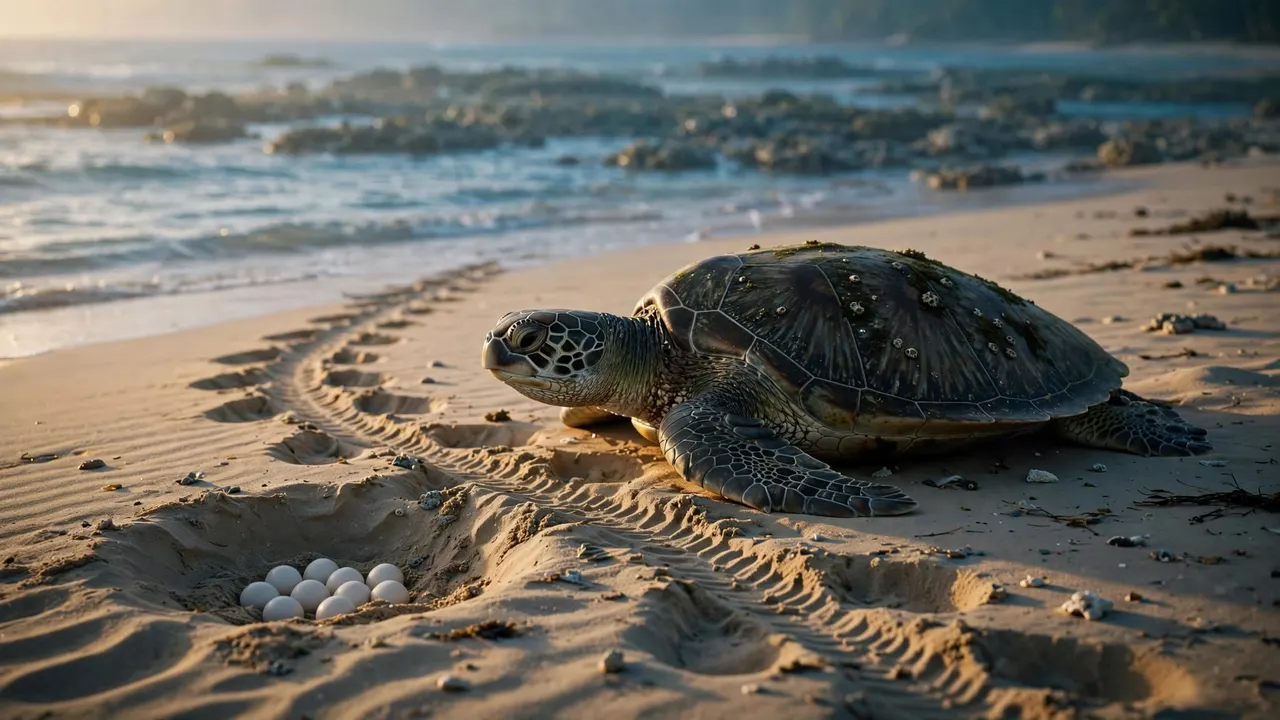
The turtle you watch above a Waikiki reef tells you less about population health than a carefully monitored nest. On a Turtle Canyon Oahu outing with Living Ocean Tours, you can enjoy that encounter while understanding the bigger conservation story.
Nest records reveal reproductive progress, but they don’t count every turtle or guarantee that hatchlings survive. To understand what those records mean, start with the difference between an offshore cleaning station and a nesting beach.
Key Takeaways
- Your reef sightings show turtles using local habitat, while nest surveys measure breeding activity on beaches.
- Oahu’s documented nesting increase is encouraging, but nest totals aren’t counts of individual females or surviving adults.
- Population health depends on successful reproduction, survival at different ages, and access to suitable habitat.
- You can support conservation by giving turtles space and leaving nesting areas undisturbed.
What You Can Learn at Turtle Canyon Oahu
Reef behavior reveals habitat use
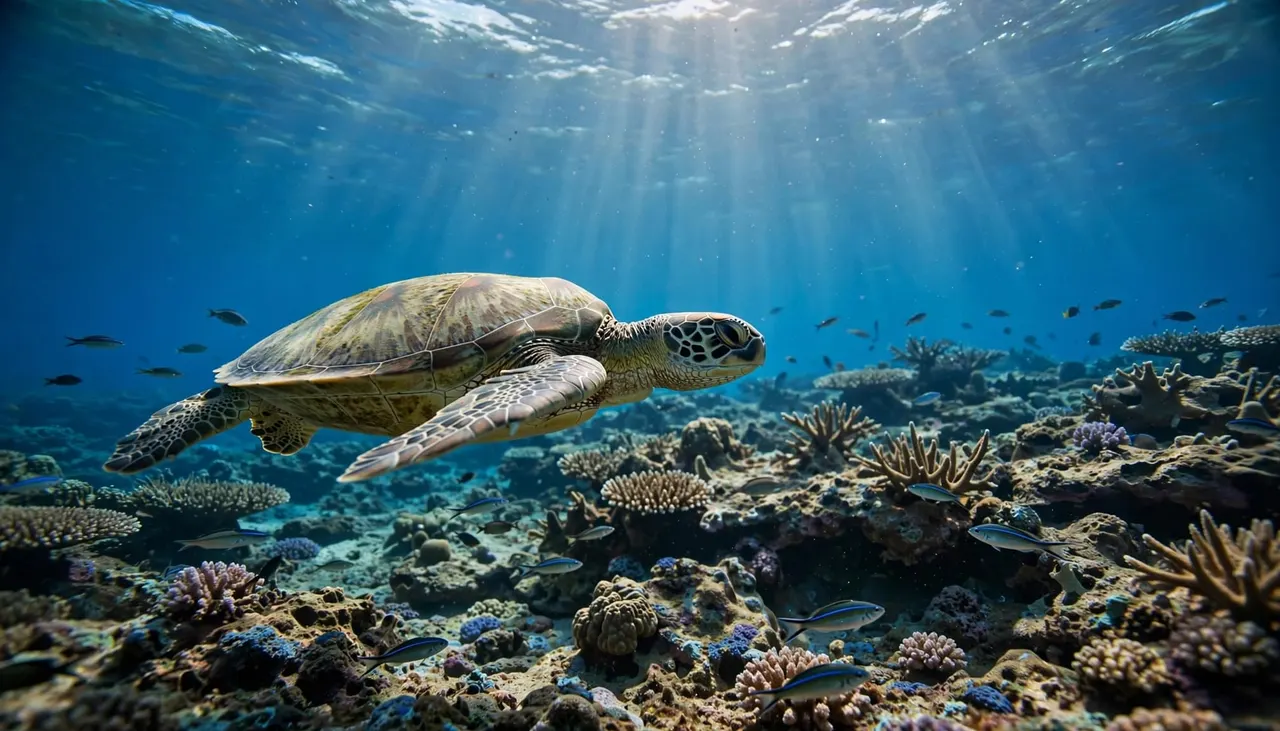
Just offshore from Waikiki, Turtle Canyon is reef habitat where Hawaiian green sea turtles, known as honu, visit natural cleaning stations. Small fish remove algae and other material from their shells and skin.
As you float nearby, you may see a turtle resting, moving between reef features, or rising for air. Those observations show how an animal uses that habitat.
However, cleaner fish attending a turtle don’t prove that the animal is healthy in every respect. Feeding, movement, body condition, and longer-term observations provide additional information.
A sighting doesn’t identify a nesting site
Green turtles lay their eggs on land. Therefore, an underwater encounter doesn’t establish that a turtle nests on a nearby beach.
Nor can you determine reproductive success by counting turtles during one snorkel trip. Conditions, visibility, and individual movements affect what you see.
Several turtles may use the same reef independently. Your encounter is a valuable view of their daily lives, but researchers need repeated observations and beach surveys to evaluate population trends.
What Green Turtle Nests Measure
When you read a nesting report, look beyond the headline total. Researchers measure different stages of reproduction because each answers a different question.
Nest counts and nesting females differ
A female can deposit several clutches during one breeding season. She also may skip years between nesting seasons, so annual totals fluctuate.
Hawaii’s Department of Land and Natural Resources describes typical nesting intervals of two to five years. That means a lower count in one season doesn’t automatically indicate population decline.
Several nests can belong to one female, while males and immature turtles never appear in a nesting-female count.
Tracking individual turtles helps researchers separate the number of nests from the number of breeding females. For example, NOAA’s research on a fertile female used ultrasound to identify reproductive activity in a turtle on Oahu.
Hatching and emergence measure different outcomes
Hatching success measures how many eggs hatch. Emergence success measures how many hatchlings leave the nest.
Those outcomes can differ because a hatchling may emerge from its egg but fail to reach the surface. Researchers examine nests after emergence under authorized monitoring protocols.
Even a successful nest doesn’t establish how many young turtles will reach adulthood. Once hatchlings enter the ocean, they face additional hazards.
For a useful population assessment, you need reproduction data alongside evidence about juvenile and adult survival.
What Oahu’s Nest Records Reveal
Oahu’s recent records provide a concrete example of increasing documented nesting. The U.S. Fish and Wildlife Service reported 83 nests found in 2024, compared with nine in 2019.
The same Oahu honu recovery account reports zero to two nests annually during 2016 through 2018. These are nests found, not individual females counted.
For your Turtle Canyon Oahu experience, that distinction connects an exciting sighting with measurable reproductive activity elsewhere on the island. It doesn’t establish a nesting connection for the particular turtle you encounter.
You should also consider survey coverage. When monitoring expands or observers find previously overlooked nesting, recorded totals can rise without an equivalent increase in breeding animals.
The strongest interpretation is that Oahu has documented meaningful nesting activity. Researchers still need multiple seasons, consistent methods, and nest outcomes to understand the trend.
For families, this offers a useful conversation after snorkeling: seeing an adult and documenting new hatchlings answer different conservation questions.
Why Lalo Matters to Hawaii’s Population
Oahu’s nesting records matter, but they describe only part of the Hawaiian population’s reproductive activity.
Most nesting occurs far beyond Waikiki
Lalo, also called French Frigate Shoals, is a major nesting area within Papahanaumokuakea. A Papahanaumokuakea nesting-monitoring account describes more than 90% of Hawaiian green turtle nesting occurring there.
That concentration means the condition of remote nesting beaches affects turtles you may later encounter around the main Hawaiian Islands.
You can’t assess statewide reproductive health from Oahu’s beaches alone. Researchers must also follow nesting activity at Lalo, where beach erosion, storms, and changes in available nesting habitat can affect reproductive success.
Recovery needs a long time frame
Hawaii’s Department of Land and Natural Resources reports roughly 5% annual growth in nesting activity over the past two decades. It also describes nearly 500 females nesting annually, compared with 67 nesting turtles recorded in 1973.
Those figures describe nesting indicators, not a census of every Hawaiian green turtle. Nevertheless, they provide evidence of recovery over decades.
Because green turtles mature slowly, population changes take time to become visible in breeding records. Continued monitoring helps you distinguish sustained recovery from a productive season.
Read Several Population Indicators Together
When you visit Turtle Canyon Oahu, healthy-looking adults can make recovery feel obvious. Yet researchers need evidence across the turtle’s life cycle.
Nest totals show breeding activity. Hatchling measurements show reproductive outcomes. Meanwhile, surveys in feeding and resting habitats reveal information about other age groups.
NOAA’s marine turtle monitoring framework includes nesting beaches, basking beaches, and foraging areas. That broader coverage matters because each location captures a different part of turtle life.
Nest conditions also affect outcomes. Flooding can damage eggs, while sand temperature influences development and hatchling sex. Therefore, a high nest count can coexist with poor reproductive results.
Similarly, successful hatching doesn’t cancel losses caused by fishing gear, vessel strikes, or other hazards later in life. Researchers need to understand whether enough turtles survive to reproduce.
Your most useful question when reading a conservation update is what the numbers measure. Nests, nesting females, emerged hatchlings, and observed turtles are different categories. Keep them separate, and population reports become much easier to interpret.
How You Can Protect Turtles and Their Nests
At Turtle Canyon Oahu, your most helpful contribution is to leave a turtle’s behavior unchanged. Give it room to rest, turn, surface, or swim away.
Keep your reef encounter calm
Follow your guide’s positioning instructions, and avoid swimming directly toward a turtle. If one approaches, stay calm and allow it a clear path.
Never touch, feed, chase, or surround honu. Also, keep your fins away from coral and avoid standing on the reef.
For younger snorkelers, discuss these expectations before entering the water. That preparation helps children understand why a good wildlife encounter sometimes means watching an animal move farther away.
If you notice entanglement or a serious injury, alert your crew. Don’t attempt an underwater rescue or pull attached fishing line.
Leave nesting evidence undisturbed
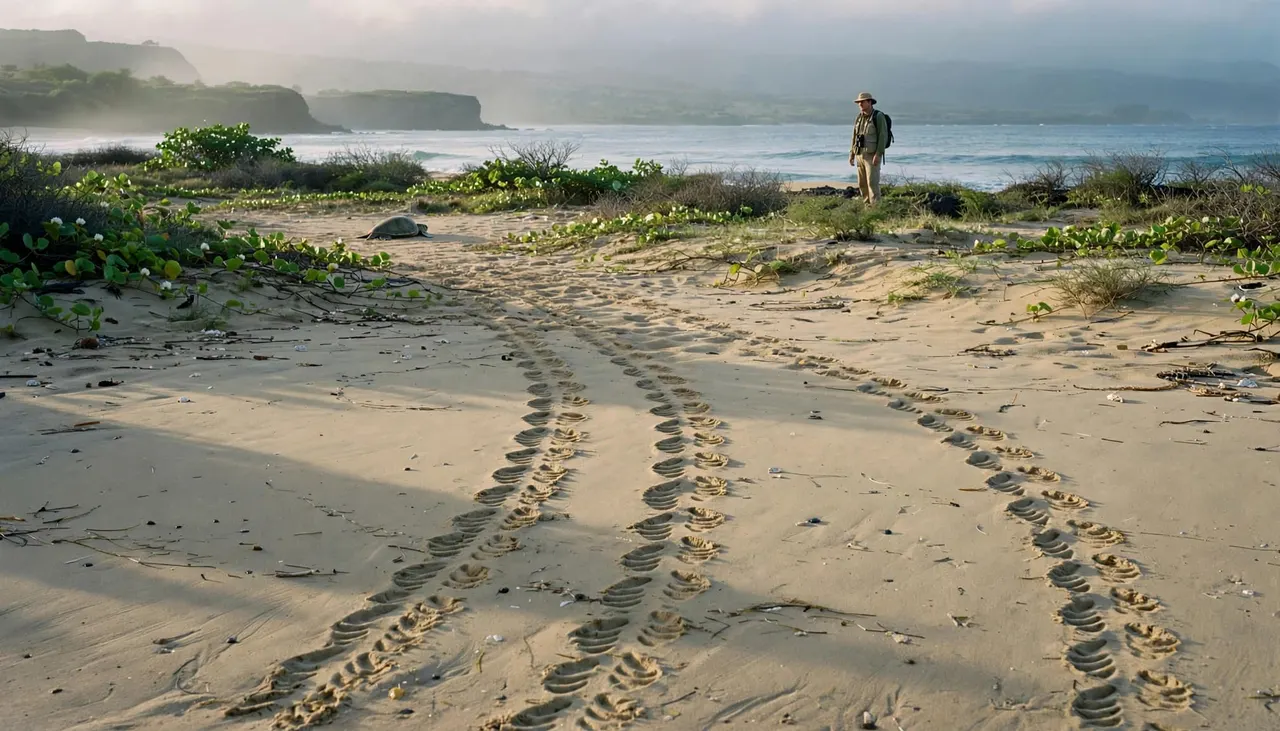
On a beach, tracks can indicate turtle activity, but you shouldn’t follow them into a possible nest area. Respect barriers and instructions from authorized monitors.
Keep pets away, avoid digging nearby, and never uncover eggs. At night, keep flashlights and phone lights away from nesting turtles and hatchlings.
If you encounter possible nesting activity, report the location to local wildlife authorities without crowding the animal. Monitoring teams can assess the site and determine the appropriate response.
Your patience protects both the animal and evidence researchers need.
Plan a Guided Turtle Canyon Visit
For your Turtle Canyon Oahu outing, Living Ocean Tours departs from Kewalo Basin Boat Harbor near Waikiki. Its Turtle Canyons Snorkel Excursion includes snorkeling gear, flotation support, and professional in-water guidance.
The company describes itself as Oahu’s only tour company with professional snorkel guides. That support helps you manage unfamiliar equipment while maintaining respectful wildlife-viewing habits.
Ask the crew about conditions and your comfort level before entering the water. Although the trip welcomes beginners, changing ocean conditions still require attention.
You can check the company’s booking calendar before arranging your day:
For the turtle snorkeling departure, CHECK AVAILABILITY and choose a date that fits your vacation. Wildlife sightings remain subject to conditions and turtle behavior.
See Beyond the Turtle in Front of You
Your reef encounter reveals one turtle’s use of local habitat. Nest monitoring reveals reproductive activity, while broader surveys help explain survival and long-term recovery.
Oahu’s nest records are encouraging, but you get a clearer picture when you consider Lalo and multiple life stages. Enjoy the honu you encounter, give it room to choose its path, and leave nesting evidence to trained monitors.


