
Turtle Canyon Oahu: How to Spot Boat-Strike Risks
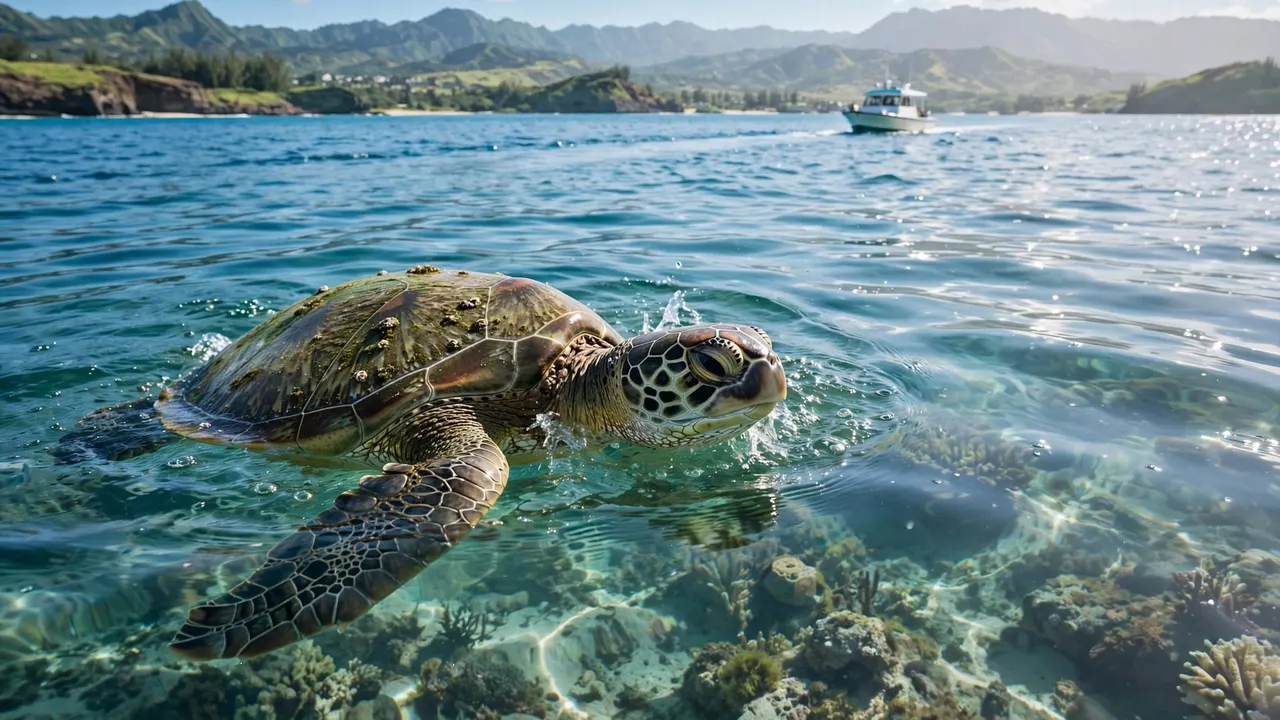
Your best turtle photo can distract you from a boat moving nearby. At Turtle Canyon Oahu, watching vessel traffic matters as much as finding honu, Hawaii’s green sea turtles.
With Living Ocean Tours, you can explore the reef with professional snorkel guides and receive instructions before entering the water. Your most useful habit is looking beyond the turtle, checking nearby boats and your group’s position.
Start with the warning signs you can recognize without moving closer.
Key Takeaways
- Watch for a boat’s path closing on a surfacing turtle, especially during arrival or departure.
- NOAA recommends at least 10 feet of turtle-viewing distance in Hawaii, but that isn’t a boat-operating buffer.
- Alert your guide or crew instead of attempting to redirect, touch, or rescue a turtle yourself.
Why Turtle Canyon Oahu Requires Boat Awareness
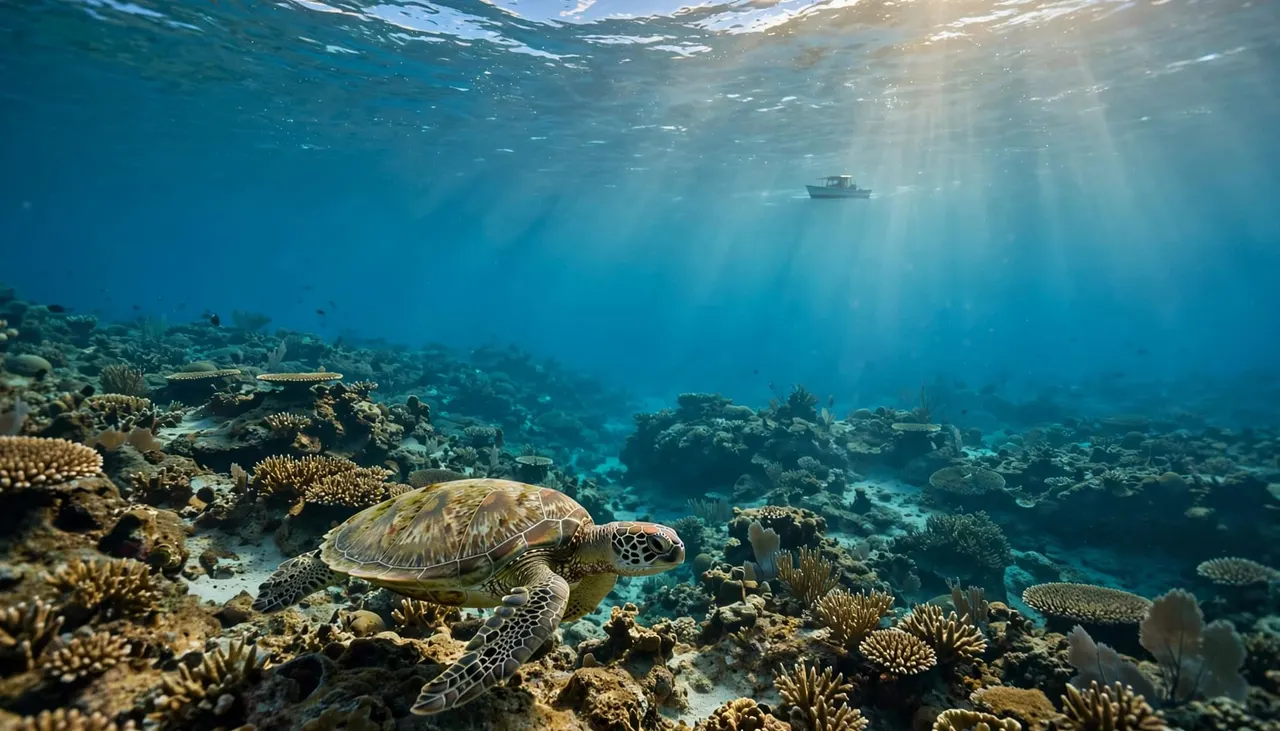
Turtle Canyons is a natural reef cleaning station near Waikiki. Smaller reef fish remove material from turtles’ shells, giving you a chance to observe a fascinating underwater interaction.
However, these turtles move freely. They can pause over the reef, travel through the water, or rise to breathe without following your group’s schedule.
That breathing requirement connects underwater viewing with surface traffic. A turtle below you may soon enter the same space a vessel is crossing. Once it disappears underwater, you shouldn’t assume the area is clear.
Honu are protected wildlife. NOAA’s Hawaii wildlife-viewing guidance calls for respectful observation without touching, feeding, or chasing.
You also can’t judge today’s conditions from a photograph or an earlier visitor’s account. Follow your crew’s assessment of traffic and water conditions rather than expecting a particular level of visibility or calm.
Recognize the Warning Signs Before Boats Get Close
You don’t need to determine a boat’s exact speed to notice a developing problem. Watch how its position changes relative to wildlife and swimmers.
A boat and turtle are moving toward the same space
A turtle’s head at the surface can be easy to miss among reflections or small waves. Meanwhile, a boat may continue toward that spot.
Look for a shrinking gap between the turtle and the vessel’s path. A turtle crossing ahead of the bow deserves an immediate report to the crew.
At Turtle Canyon Oahu, your useful contribution is a clear sighting report. Don’t swim toward the animal to make it move. That adds another person to the situation and can obstruct its escape route.
A vessel is arriving, turning, or preparing to leave
Pay attention when a nearby vessel begins changing position. Engine noise, a turning bow, or visible movement away from a stopping point should prompt you to check your surroundings.
Wake alone isn’t a reliable measure of risk. A slowly maneuvering boat can still have an operating propeller.
Also, don’t assume a motionless hull means its engine is off. Stay out of another vessel’s stern area and follow your guide’s boundaries. If you’re unsure whether a boat is approaching your group, alert the guide rather than guessing its intended route.
Report Turtle Sightings Clearly From the Deck
Give the crew a location before taking a photograph
When you spot a turtle near the vessel, tell a crew member promptly. Simple descriptions help: “Turtle ahead of the bow” or “Turtle beside the rear boarding ladder.”
Then point from a stable position if the crew needs help locating it. Mention whether the animal is at the surface or has just submerged.
During a Turtle Canyon Oahu outing, a useful report can be brief. The captain needs the animal’s position before you explain how exciting the sighting is or reach for your camera.
Leave maneuvering decisions to the captain
The captain manages vessel movement, while you help by keeping walkways and boarding areas clear. Don’t crowd the rail, rush across the deck, or call conflicting instructions.
If the crew asks you to remain seated, follow that direction even when the turtle appears on the opposite side.
Likewise, don’t request a closer approach for a photograph. A broad view can show the turtle’s surroundings without reducing its space. Secure your phone or camera, and give the crew room to work.
Keep Your Snorkeling Position Safe Around Turtles
Leave the turtle’s breathing route open
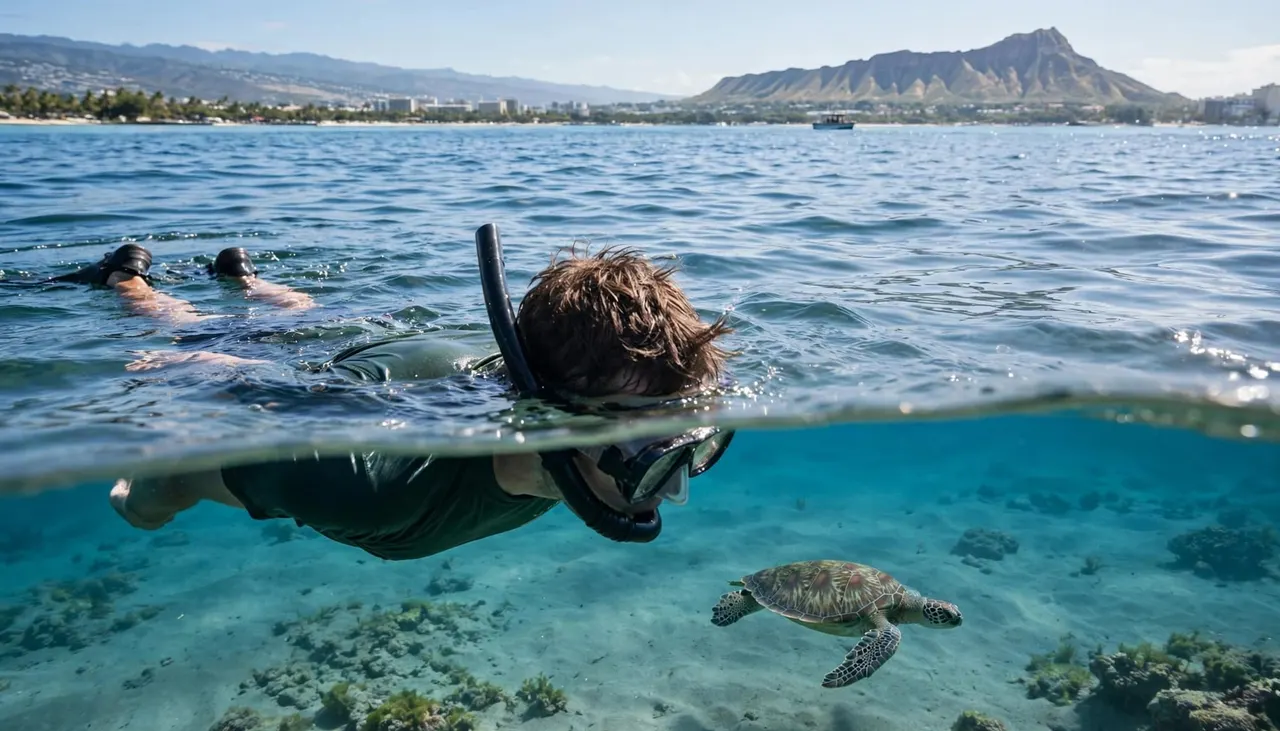
NOAA’s sea turtle viewing distances recommend staying at least 10 feet, or 3 meters, away in Hawaii, both on land and in water.
That recommendation isn’t a target to approach or a universal statutory minimum. Give more room when movement or conditions make your position difficult to control.
Don’t hover directly above a turtle, surround it with swimmers, or block its route to the surface. If one approaches you, stay calm and let it pass. Your camera’s zoom is a better choice than swimming closer.
Stay with your guide instead of following wildlife
At Turtle Canyon Oahu, a turtle can leave the viewing area while your group stays in place. Let it go rather than following it toward boat traffic.
Periodically lift your head to check your guide, buddy, and assigned swimming area. Underwater attention shouldn’t erase your awareness of the surface.
If your mask leaks or you feel tired, signal for help. Avoid drifting toward a vessel while distracted by equipment. Approach the boarding ladder only as instructed, and never assume that silence means a nearby boat is safe to approach.
Understand What Responsible Boat Handling Looks Like
If you’re operating a boat, your responsibilities differ from a snorkeler’s. You control vessel movement and need to account for animals that are difficult to see.
NOAA’s Pacific wildlife boating advice recommends posting a lookout and traveling slowly, around 5 to 10 knots, near harbors, boat ramps, and shallow reef habitats.
Those numbers aren’t a universal speed limit or permission to maintain that speed beside turtles or swimmers. Follow applicable local restrictions and adjust your operation to the actual situation.
Hawaii DLNR also advises shifting the engine into neutral when a turtle is ahead of the vessel. Passengers should alert the operator, not attempt to handle the controls.
A 10-foot wildlife-viewing recommendation doesn’t establish a safe operating distance for a powered boat.
A turtle can submerge before you finish a maneuver. Therefore, keep tracking where you last saw it, maintain a lookout, and avoid pursuing it for another viewing opportunity.
Report an Injured Turtle Without Attempting a Rescue
If you see a visible wound, fishing line, or obvious difficulty moving, tell your guide or crew. You don’t need to identify the cause before reporting the animal.
A shell injury alone doesn’t establish that a boat strike occurred. Describe what you observed rather than labeling it as a confirmed collision.
NOAA’s guidance on keeping Hawaii honu safe directs reports of injured or dead sea turtles to the Hawaii statewide Marine Wildlife Hotline: (888) 256-9840.
From a safe position, record the location, time, and visible condition. A photograph can help responders if you can take it without approaching or disturbing the turtle.
Don’t grab the animal, pull fishing line, move it onto a boat, or attempt treatment. Trained, authorized responders handle assessment and rescue.
If you witnessed contact with a vessel, report that observation clearly. Keep your own position safe while the crew helps communicate the details.
Choose a Guided Turtle Canyon Oahu Experience
Living Ocean Tours departs from Kewalo Basin Boat Harbor near Waikiki. You receive snorkeling equipment, flotation support, and professional in-water guidance, which can help you settle into an unfamiliar open-water setting.
Before booking, ask how guides manage group spacing, changing conditions, and swimmers who need assistance. Those answers tell you more about practical support than a sighting percentage alone.
You can explore the Living Ocean Tours excursions to choose an outing that matches your group’s interests and swimming comfort.
The Turtle Canyons Snorkel Excursion focuses on observing turtles at their natural cleaning station. Living Ocean Tours reports a 95% turtle-sighting rate, but wild animals remain free to leave.
Tell the crew about your swimming ability before entering the water. For families, explain wildlife spacing to children ahead of time. Professional guidance supports the experience, but you still need to follow instructions and communicate discomfort promptly.
Frequently Asked Questions
Is the 10-foot recommendation also a boat-distance rule?
No. NOAA’s Hawaii recommendation addresses turtle viewing on land and in water. It doesn’t define a safe maneuvering buffer for powered vessels. As a passenger, report nearby turtles and leave boat-handling decisions to the captain.
Should you move a turtle away from an approaching boat?
Don’t touch, chase, or attempt to steer a turtle. Alert your guide or crew instead. If you’re snorkeling, follow the guide’s instructions and avoid swimming toward the vessel or blocking the animal’s route.
Does a guided trip eliminate boat-strike risks?
A guided trip gives you organized transportation, instructions, and swimmer support. However, it doesn’t remove every open-water risk. At Turtle Canyon Oahu, continue watching your surroundings, stay within the designated group area, and speak up when you notice wildlife near a vessel’s path.
Make Boat Awareness Part of Your Turtle Encounter
Your most memorable turtle sighting can happen while you give the animal plenty of room. Watch its route, notice nearby vessel movement, and report concerns early.
Keep wildlife space and crew communication central to your outing. You’ll spend less time chasing a photograph and more time observing turtles without interrupting their routine.


