
Turtle Canyon Oahu: A Green Turtle Sound Field Guide
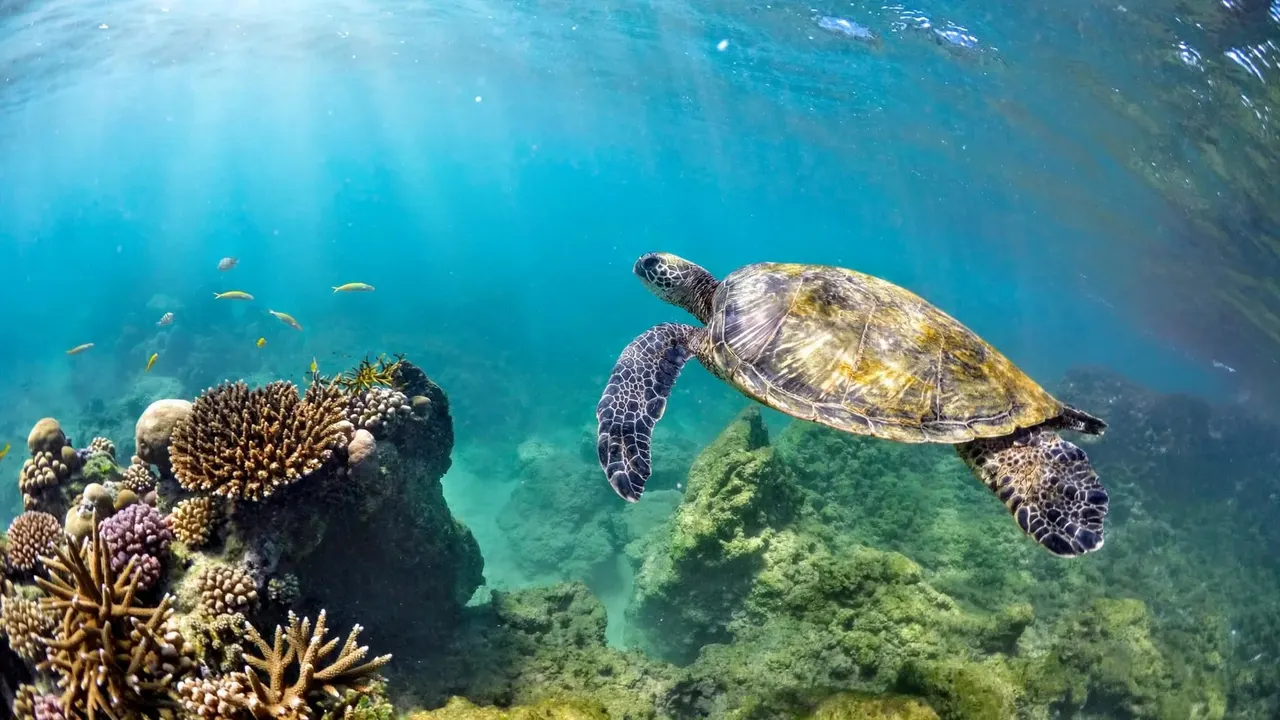
You can watch a honu hover above Waikiki’s reef without hearing a single turtle call. At Turtle Canyon Oahu, Living Ocean Tours helps you explore wild green-turtle habitat, where patient observation matters more than getting close.
Researchers have recorded underwater sounds from green turtles, but those recordings don’t promise an audible soundtrack during your snorkel trip. The studies discussed here took place outside Hawaii, so you shouldn’t treat every reef click as a turtle voice.
Start with what researchers have documented, then use that knowledge to watch the reef respectfully.
Key Takeaways
- Green-turtle sounds have been documented in research recordings, but you shouldn’t expect to hear them while snorkeling.
- A sound’s shape doesn’t establish its meaning, and findings from Martinique aren’t evidence of calls at Waikiki.
- Give turtles at least 10 feet of space and keep their route to the surface clear.
Turtle Canyon Oahu Is Wild Reef Habitat
Watch the cleaning station first
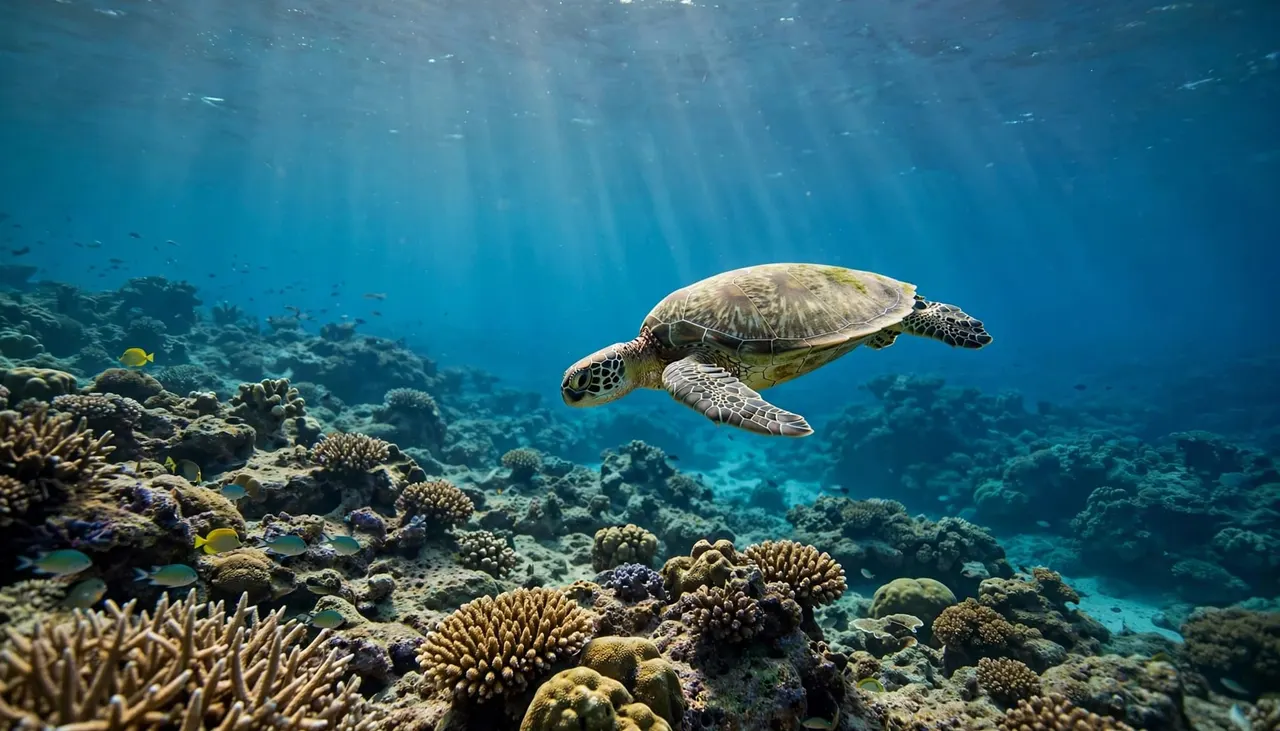
Offshore from Waikiki, Turtle Canyons attracts Hawaiian green sea turtles to natural cleaning stations. Small reef fish remove algae and other material from their shells and skin.
When you float nearby, watch the relationship rather than trying to close the distance. A turtle may pause while fish approach, then swim away or rise for air. Several turtles sharing the reef don’t necessarily form a traveling group.
You can identify the species as Chelonia mydas, the green turtle described by NOAA Fisheries. In Hawaii, you’ll also hear the familiar name honu.
Notice the limits of observation
At Turtle Canyon Oahu, slow flipper movements and quiet hovering give you visible clues about activity. However, they don’t tell you whether a turtle is producing sound.
Green turtles breathe air and manage stored oxygen during dives. Their diving adaptations include slowing the heartbeat, but you can’t measure that change by watching through a mask.
Likewise, a still turtle isn’t necessarily asleep, communicating, or waiting for another turtle. Record what you see without assigning an explanation you can’t verify.
What Green Turtle Vocalizations Sound Like
Know the documented sound categories
A 2022 field study recorded 11 free-ranging juvenile green turtles at Grande Anse d’Arlet in Martinique. Researchers described 10 sound types grouped into four categories: pulses, low-amplitude calls, frequency-modulated sounds, and squeaks.
These names describe acoustic features. Pulses are brief sound events; frequency modulation describes a changing frequency. Low-amplitude calls are comparatively quiet in the recordings.
You shouldn’t read those categories as a visitor’s sound-identification checklist. A squeak-like noise heard while snorkeling doesn’t establish that a nearby turtle produced it. Equipment, reef animals, and surface activity can complicate identification.
Most importantly, those recordings weren’t collected at Turtle Canyon.
Separate sound from meaning
Researchers are still investigating what these sounds do. Proposed functions include alerting other turtles or maintaining social contact, but a universal turtle vocabulary hasn’t been established.
In a 2024 green-turtle playback study, turtles showed alertness or increased vigilance in response to turtle-produced sounds under the tested conditions.
That finding supports further investigation of acoustic communication. It doesn’t let you translate a call into “danger,” “come closer,” or another definite message.
Later research involving 23 free-ranging juvenile green turtles reported sounds during resting and swimming. Long rumble sequences occurred after sunset, mainly during resting. You still can’t apply those patterns to every adult turtle or every Hawaiian reef.
Can You Hear Turtles While Snorkeling?
Expect a reef soundscape
Underwater, you may notice clicks, crackles, splashes, or boat noise. Your own breathing and movement also affect what you hear.
However, hearing a sound near a turtle doesn’t identify its source. Snapping shrimp contribute to reef crackling, while boats and swimmers add other sounds.
The marine-turtle underwater-noise overview explains why sound deserves attention in turtle research. For your visit, the practical lesson is to avoid equating a noisy reef with vocal turtles.
A turtle in view and a click in your ears are two observations, not proof that the turtle made the sound.
Understand what a hydrophone adds
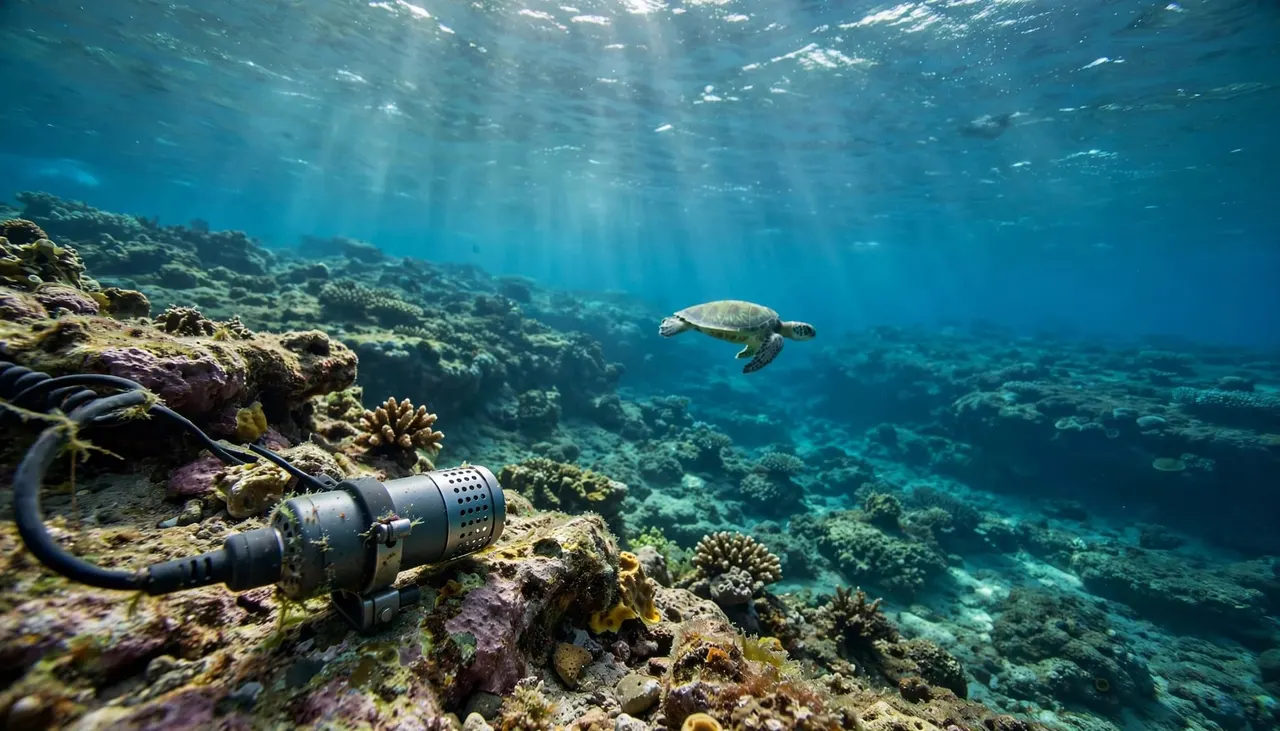
A hydrophone is an underwater microphone. Researchers use recordings and acoustic analysis to examine sounds that casual listening may miss.
Even then, identifying the animal responsible requires careful methods and supporting observations. A waterproof camera’s audio track isn’t equivalent to a controlled acoustic study.
You don’t need recording equipment to enjoy Turtle Canyon Oahu. Unless your trip explicitly includes research listening equipment, expect wildlife viewing rather than a turtle-call demonstration. Keep breathing normally through your snorkel, and don’t dive closer to investigate a noise.
Watch Honu Without Interrupting Their Routine
Give turtles room to breathe
NOAA’s Hawaii marine-wildlife viewing guidance recommends staying at least 10 feet, or 3 meters, from sea turtles on land and in water.
That distance is a viewing recommendation, not a universal statutory distance limit. Sea turtles also receive protection under state and federal laws.
Stay to the side rather than directly above a turtle. Because it must surface for air, your position matters even when you’re floating without moving.
If a turtle approaches, remain calm and give it room to pass. Don’t reach out, surround it with other swimmers, or follow it after it leaves.
Keep observation passive
Don’t play turtle-call recordings underwater to seek a reaction. Playback experiments belong in properly authorized research, not recreational wildlife encounters.
Instead, reduce unnecessary splashing and follow your guide’s instructions. Keep your fins clear of coral, and move into open water if you need to adjust equipment.
For photos, use your camera’s existing view rather than swimming closer. Check where your group and the turtle are before concentrating on the screen.
You get a more useful view of natural behavior when the turtle can continue resting, cleaning, swimming, or surfacing without changing course around you.
Get In-Water Support With Living Ocean Tours
Living Ocean Tours operates from Kewalo Basin Boat Harbor, minutes from Waikiki. You can explore its Honolulu ocean tour options when planning your time on the water.
The company describes itself as Oahu’s only tour company with professional snorkel guides. With guides in the water, you can ask for help with mask fit, flotation, group positioning, and wildlife etiquette.
That support is useful when you’re a confident swimmer, too. Offshore snorkeling requires attention to the boat and changing conditions as well as the reef.
The company’s double-decker vessels offer shaded seating, onboard restrooms, dry storage, and sturdy water-entry ladders. Before boarding, tell the crew if you’re nervous in open water or helping a child learn to snorkel.
You can also review guest experiences before choosing your outing.
Check the current calendar for departures that fit your vacation schedule.
Plan Your Turtle Canyon Snorkel Tour
The Turtle Canyons Snorkel Excursion is a two-hour outing for guests ages 3 and up. It departs from Kewalo Basin Harbor at 1125 Ala Moana Boulevard in Honolulu.
You receive snorkeling equipment, flotation support, and instruction before entering the water. However, a minimum guest age doesn’t establish that every child is ready to snorkel. Discuss swimming ability and comfort with the crew.
Living Ocean Tours reports a 95% turtle-sighting rate for this excursion. That describes sightings, not vocalizations, and wild-animal encounters aren’t guaranteed.
For Turtle Canyon Oahu, choose your departure around current conditions and your family’s needs. Morning isn’t a guarantee of calm water or clear visibility. Follow the captain’s assessment rather than a fixed expectation.
Bring sun protection, secure loose belongings, and ask about check-in instructions before traveling to the harbor.
When you’re ready to plan your turtle-focused outing, CHECK AVAILABILITY for your preferred date.
Keep Useful Field Notes After Your Swim
Your Turtle Canyon Oahu observations can be meaningful without identifying a single call. Once you’re safely back aboard, write down details while they’re fresh.
- Record visible behavior, such as hovering near cleaning fish, resting beside a ledge, swimming, or surfacing.
- Describe any sound separately, including whether boats, splashing, or other swimmers were nearby.
- Label uncertain sound sources as unknown rather than assigning them to a turtle.
For example, “turtle hovering while small fish approached” is an observation you can support. “Turtle calling to its friends” adds a meaning and a sound source you haven’t established.
Also note the approximate time and viewing conditions. Poor visibility can limit what you saw even when your memory feels clear.
If you’re keeping a family travel journal, invite children to draw the scene and describe the turtle’s movements. You can build curiosity around evidence without turning an exciting encounter into a claim about animal language.
Frequently Asked Questions
Are green turtles silent?
Researchers have documented underwater sounds from juvenile green turtles. However, those findings don’t mean every turtle vocalizes constantly or that you’ll hear calls during a snorkel trip.
Have these calls been documented at Turtle Canyon?
The research discussed here doesn’t establish recordings at Turtle Canyon. The cited field studies took place in Martinique, so you shouldn’t present their findings as local acoustic documentation.
Should you approach a turtle to listen?
No. Maintain the recommended viewing distance and keep its route to the surface open. Getting closer can disturb the animal without helping you identify a sound.
Can beginners enjoy this experience?
Yes, when conditions are appropriate and you receive suitable instruction and support. Tell the crew about your swimming ability, use the provided flotation as directed, and ask for help early.
Let the Turtle Set the Pace
Turtle Canyon Oahu offers a close look at green-turtle reef life, but it isn’t a guaranteed listening experience. Your strongest observations come from patience and distance, with sound identification left to evidence.
Watch the cleaning fish, leave the route to the surface open, and follow your guide. A quiet encounter can still give you plenty to notice.


