
Turtle Canyon Oahu: How Green Turtles Use Smell
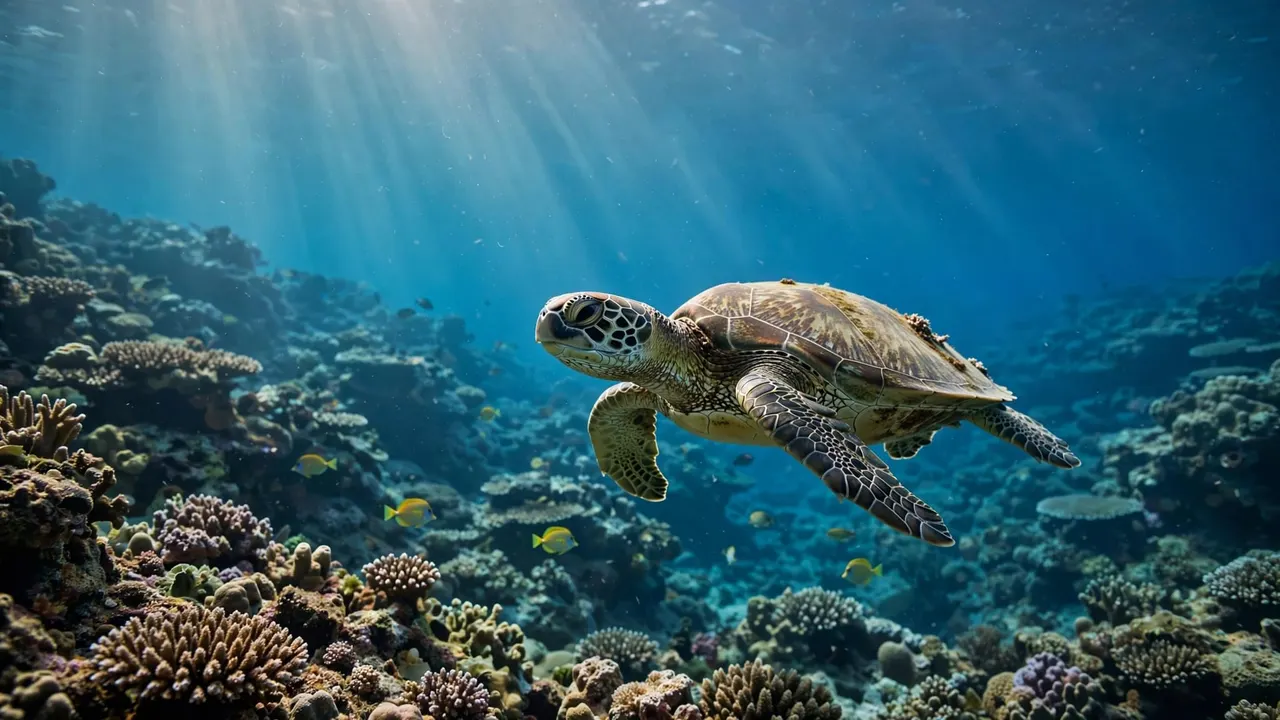
You can watch a Hawaiian green sea turtle hover above the reef without seeing everything it senses. On a Turtle Canyon Oahu outing with Living Ocean Tours, the visible scene includes fish, coral, and honu, but chemical information is also part of a turtle’s environment.
Green turtles have specialized olfactory anatomy, although research doesn’t prove that smell guides them to this cleaning station. Understanding that difference between anatomy and behavior helps you appreciate these animals without mistaking a possible explanation for an established fact.
Start with what you can observe, then look at what scientists have discovered inside a turtle’s nose.
Key Takeaways
- Green sea turtles have an olfactory organ with specialized chambers and odor-receptor expression that researchers have studied directly.
- Turtle Canyon is an offshore reef near Waikiki where you may observe fish cleaning turtles’ shells and skin.
- You can’t tell whether a turtle is following an odor by watching its swimming direction or a pause above the reef.
- Responsible snorkeling means keeping your distance, avoiding feeding, and letting turtles continue their natural routines.
Turtle Canyon Oahu: A Reef Cleaning Station
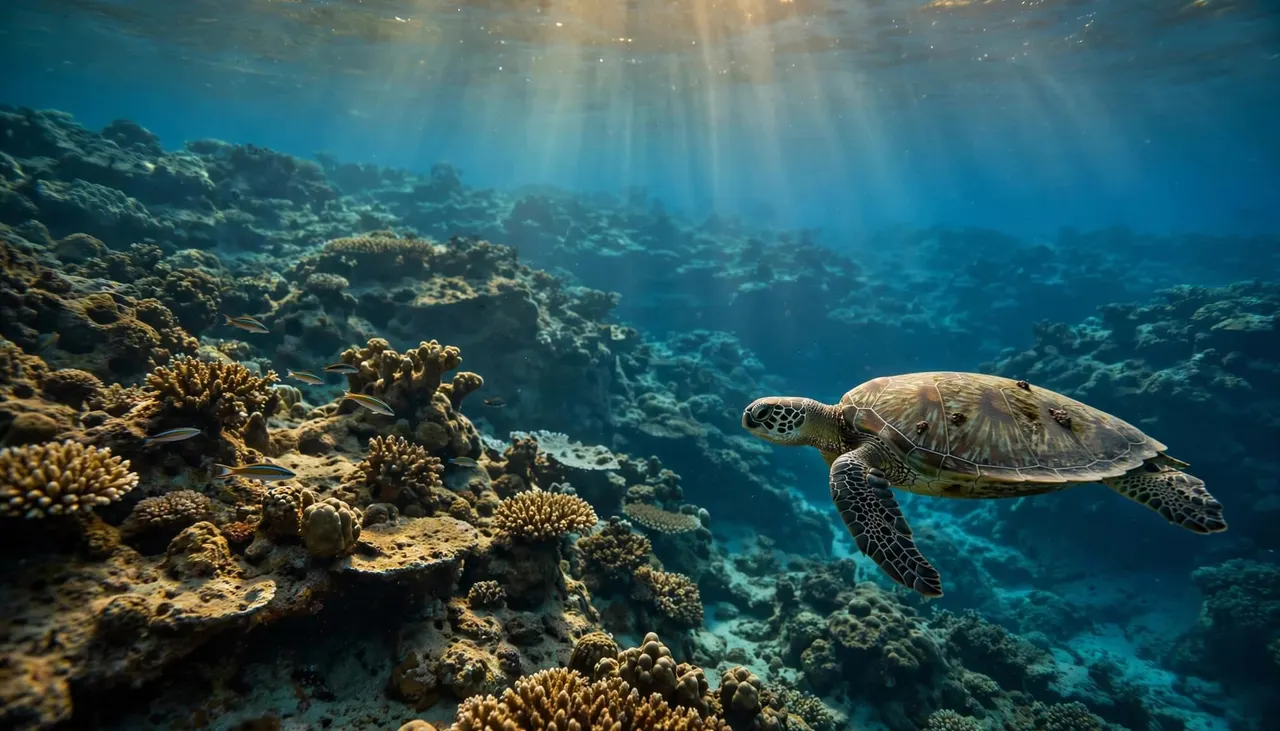
Turtle Canyon sits offshore from Waikiki on Oahu’s south shore. You’ll explore reef habitat rather than a canyon comparable to a deep valley on land.
The site’s appeal comes partly from its cleaning interactions. Hawaiian green sea turtles, known as honu, may pause here while reef fish approach them.
What the cleaning fish do
Watch the space around a turtle’s shell, neck, and flippers. Small fish may pick algae and other material from those surfaces.
That interaction gives you something more interesting than a passing wildlife sighting. You can observe two kinds of animals using the same reef in different ways.
However, cleaning is a natural activity with its own timing. A turtle may stay, swim away, or surface before you get a clear view. Your guide can help you recognize the interaction without encouraging you to move closer.
What a turtle’s pause tells you
A hovering turtle gives you a chance to notice posture, movement, and nearby fish. It doesn’t reveal which sensory cues brought the animal there.
Several turtles sharing a reef also doesn’t prove they arrived together. Each animal can use the same habitat independently.
At Turtle Canyon Oahu, the strongest explanation you can make from a cleaning encounter is the simplest: fish are interacting with a turtle’s body surfaces. The turtle’s route to that spot requires different evidence.
How a Green Turtle’s Sense of Smell Works
You experience underwater scenery mainly through your mask. A turtle also has sensory structures that can receive chemical information.
Olfaction begins when odor molecules interact with receptors in sensory tissue. Those receptors help the nervous system detect chemical cues. The anatomy matters because turtles move between water and air.
A nose adapted to seawater
A turtle’s nostrils are openings to a specialized nasal cavity. Researchers have examined how this cavity accommodates seawater flow and olfactory functions.
The paper sea turtle nasal cavity adaptations describes anatomy suited to functions that differ from those of terrestrial turtles.
That gives you a useful starting point: a sea turtle’s nose isn’t simply a land animal’s nose operating underwater. Its structure reflects an animal that regularly submerges but must surface to breathe.
Still, anatomy alone doesn’t tell you which smells matter during a particular reef visit.
Receptors receive chemical information
An olfactory receptor responds to chemical stimuli. Researchers can examine where receptor genes are expressed within sensory tissue.
For you, the distinction is important. Finding receptor expression supports an understanding of how an animal may detect odors. It doesn’t identify the odor a wild turtle encounters, or prove how that odor changes its behavior.
A snorkeling observation captures only the outward activity. You can’t see receptor activation through a camera or mask.
What the 2023 Green Turtle Study Found
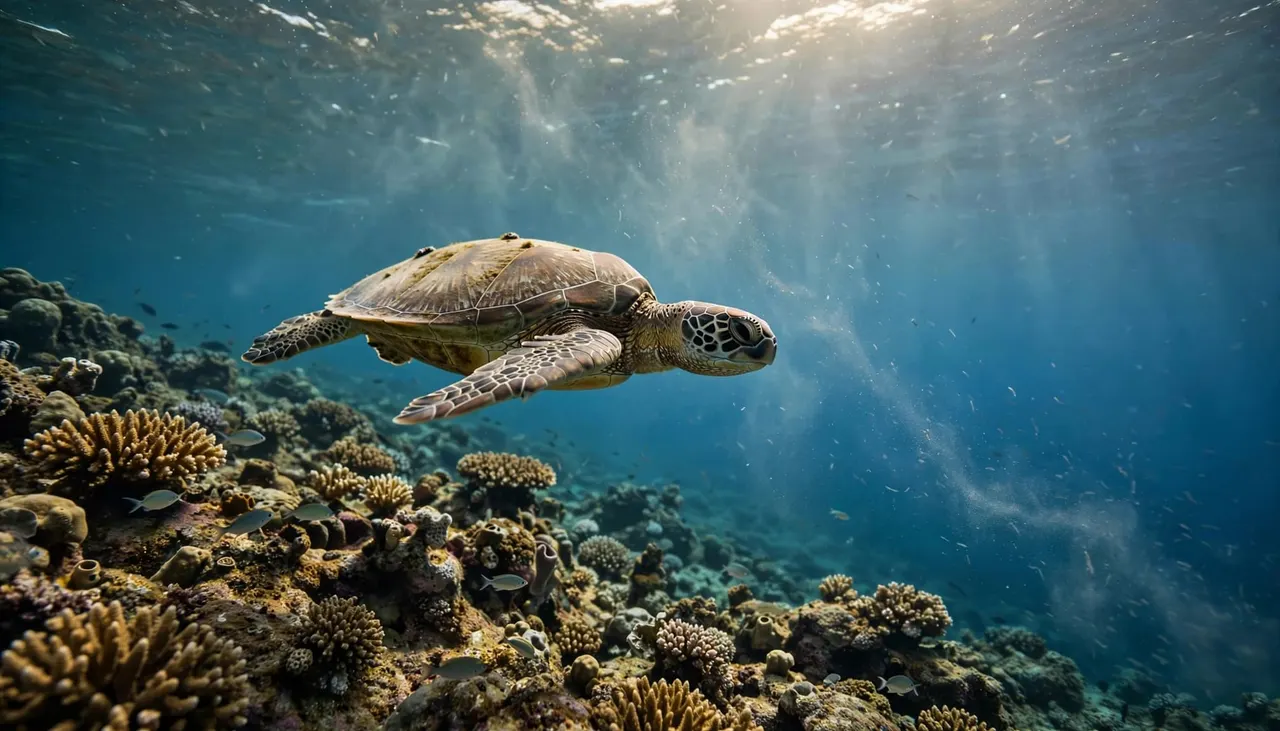
The most relevant research examined the green sea turtle, Chelonia mydas. Published in Cell and Tissue Research in June 2023, the study investigated receptor expression within its olfactory organ.
You can follow the findings in the green turtle olfactory receptor study.
Two chambers, different expression patterns
The researchers examined tissue associated with the upper and lower chambers of the olfactory organ. They used a technique called in situ hybridization to locate expression of selected receptor genes.
Their analysis included five selected Class I genes and five selected Class II genes. Class I expression appeared in the lower-chamber tissue. Class II expression appeared in both chambers.
These findings describe patterns within the sensory organ. They don’t show a turtle choosing food or following an underwater trail.
What the authors interpreted
The authors interpreted the results as suggesting possible reception of water-soluble odorants in the lower chamber. They also suggested possible reception of airborne odors there.
That supports a more informed picture of turtle sensory anatomy. However, the study didn’t test whether smell draws honu to Turtle Canyon Oahu.
Detecting receptor expression in a turtle’s nose doesn’t establish why that turtle visits a particular reef.
You can appreciate the discovery without stretching it into an explanation the researchers didn’t demonstrate.
What You Can’t Infer About Smell at the Reef
When you watch a turtle turn toward coral, it’s tempting to assign a reason. Yet the turn alone doesn’t tell you whether the animal detected a smell, recognized a visual feature, or changed direction for another reason.
The same caution applies when a turtle approaches a cleaning station. Its arrival doesn’t prove that it followed chemical cues released by fish or reef organisms.
To establish an odor-driven behavior, researchers would need experiments that distinguish chemical information from other influences. A study of receptor expression answers a different question: where selected receptors occur within the olfactory organ.
This distinction also matters for larger claims about ocean travel. The research discussed here doesn’t demonstrate that green turtles use smell to navigate long distances or locate a nesting beach.
During your visit, enjoy the observable behavior. You can describe a turtle surfacing, hovering, or swimming away with confidence. Its unseen sensory experience remains partly beyond what you can determine from the water.
Read Turtle Behavior Without Guessing at Its Senses
Your snorkel experience becomes richer when you pay attention to actions you can identify. You don’t need to explain every movement to enjoy it.
Surfacing means leaving room to breathe
Sea turtles breathe air, so a turtle below you may head toward the surface. If that happens, stay clear of its route rather than following it upward.
You may see a brief breath followed by another descent. That sequence tells you about respiration, not whether the turtle detected an airborne odor.
Because its path can change, keep checking your position relative to the animal. Give it space above as well as beside its body.
Cleaning differs from feeding
At Turtle Canyon Oahu, fish picking material from a turtle are participating in a cleaning interaction. That doesn’t mean the turtle is eating those fish.
Green turtles commonly eat algae and seagrasses, although diets vary with age and habitat. A turtle grazing on vegetation is displaying a different behavior from one hovering while fish approach.
Notice who is taking bites and what they’re biting. That simple observation can help your family distinguish feeding from cleaning without guessing about smell.
Observe Honu Without Interrupting Them
Hawaii-specific guidance from NOAA Fisheries and the Hawaii Department of Land and Natural Resources recommends staying at least 10 feet (3 meters) from sea turtles. That recommendation applies in the water and on land.
Distance protects the turtle’s freedom to move. It also gives you a wider view of the interaction between the animal, fish, and reef.
Don’t touch, chase, feed, or surround a turtle. Feeding is especially inappropriate when you’re curious about smell: introducing food doesn’t create a responsible wildlife experiment. It changes the encounter and can encourage unwanted behavior around people.
For photos, use your camera’s available framing rather than closing the gap. If a turtle approaches your position, calmly make room without reaching toward it.
Your fins deserve attention, too. Keep them clear of coral and avoid standing on the reef. When you need help with equipment, signal your guide rather than grabbing the bottom for support.
Children can practice these habits before entering the water. Explain that watching a turtle continue its normal activity is the goal. A respectful encounter can still feel wonderfully close without physical contact.
Plan Your Guided Turtle Canyon Oahu Visit
With Living Ocean Tours, you depart from Kewalo Basin Boat Harbor near Waikiki. You can explore its Turtle Canyons snorkeling excursion with equipment, flotation support, and professional in-water guidance.
Get support before entering the ocean
Living Ocean Tours describes itself as Oahu’s only tour company with professional snorkel guides. For you, the practical value is direct help with unfamiliar equipment and reef etiquette.
Tell the crew if you’re nervous or need assistance with mask fit. Even confident swimmers can benefit from instruction on snorkel breathing and flotation.
The company’s Coast Guard-inspected double-decker vessels offer shaded seating, restrooms, dry storage, and sturdy boarding ladders. Those comforts make the trip easier to share with family or a partner.
Set realistic wildlife expectations
Choose the turtle-focused excursion when guided reef observation is your priority. However, no wild turtle sighting is guaranteed. Wind, currents, visibility, and the animals’ movements affect each outing.
Bring sun protection, a towel, and a willingness to follow the crew’s directions. Before building your vacation schedule around the excursion, CHECK AVAILABILITY.
For the company’s broader departure calendar, you can also check available outings below.
See the Turtle, Respect the Unknown
At Turtle Canyon Oahu, you can witness cleaning interactions while appreciating the sensory anatomy you can’t see. Research supports specialized odor-reception structures, but it doesn’t establish that smell brings turtles to this reef.
Your most rewarding encounter comes from patient observation. Keep your distance, follow your guide, and let the honu’s natural behavior hold your attention.


