
Turtle Canyon Oahu: How to Photograph Turtles With Optical Zoom
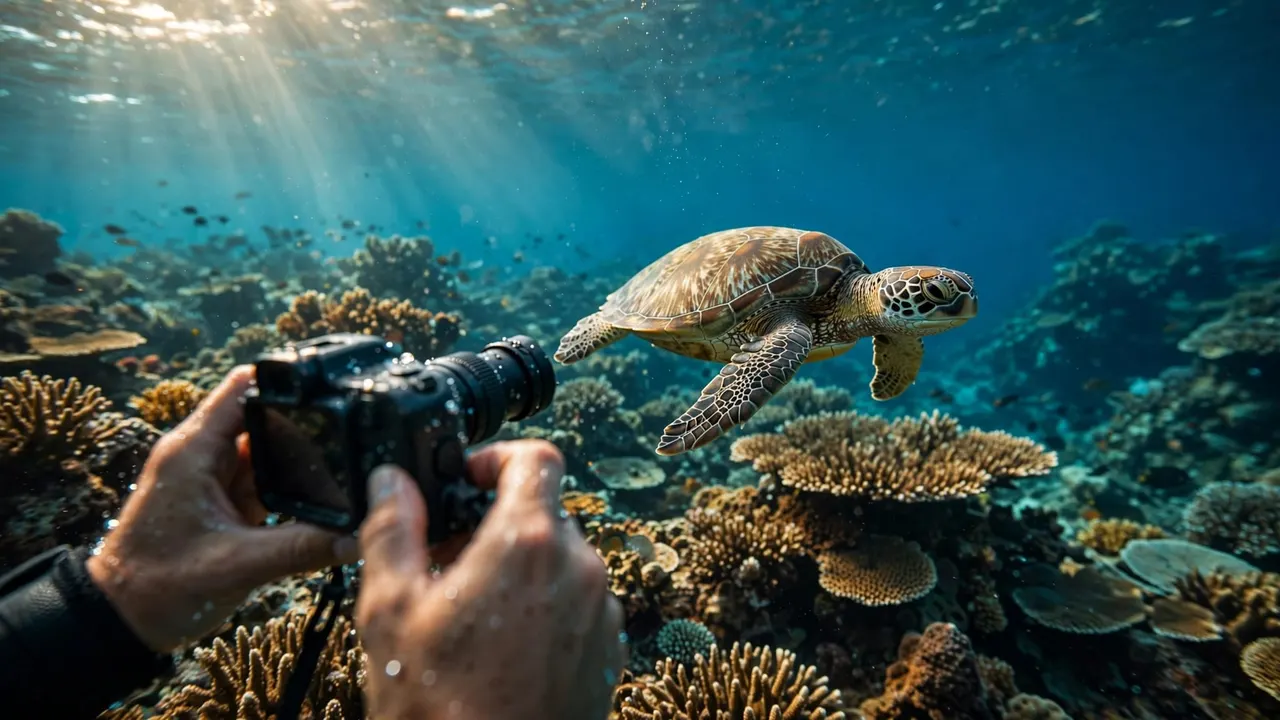
Your turtle photo starts with giving the animal room to swim. At Turtle Canyon Oahu, Living Ocean Tours helps you explore offshore reef habitat with guides, while optical zoom lets you frame wildlife without swimming closer.
The challenge is keeping your camera steady while you float, breathe, and track a moving subject. Preparation gives you more time to enjoy the encounter and fewer reasons to fiddle with equipment.
Start with the reef, then choose camera controls that let you photograph it respectfully.
Key Takeaways
- Optical zoom changes the lens’s focal length, while digital zoom crops or enlarges the image. Check which type your camera provides.
- Keep at least 10 feet, or 3 meters, between you and Hawaiian green sea turtles, following NOAA’s recommended viewing distance.
- Water clarity, camera movement, and turtle behavior affect your results. Zoom can’t remove haze or replace safe positioning.
Your priority is comfortable snorkeling. Once breathing and flotation feel easy, you can pay more attention to framing without losing track of your guide or the boat.
Why Turtle Canyon Oahu Rewards Patient Photography
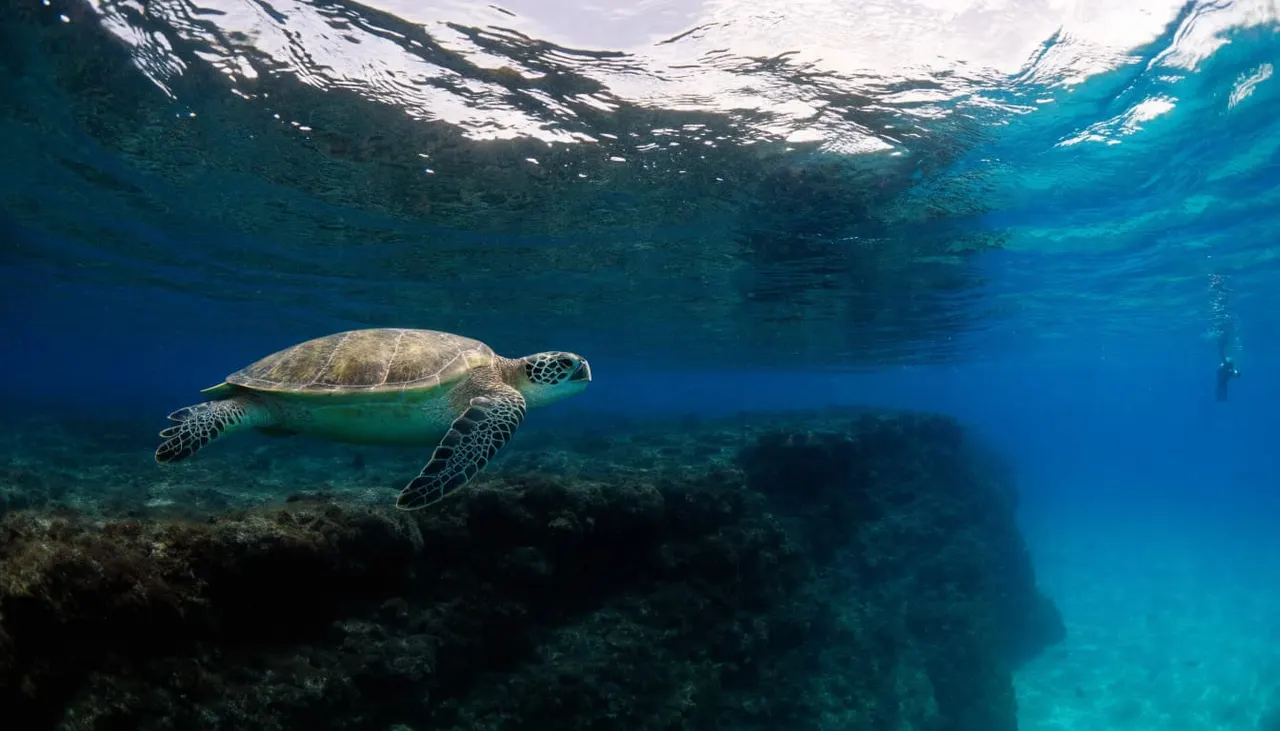
Turtle Canyons is offshore reef habitat near Waikiki, where Hawaiian green sea turtles, called honu, may visit natural cleaning stations. Small reef fish remove algae and other material from their shells and skin.
That interaction gives you more to photograph than a turtle passing through blue water. Watch the surrounding fish and reef contours before deciding how tightly to frame the animal.
However, cleaning activity isn’t a scheduled performance. A turtle may pause, surface, or leave before you lift your camera. Visibility and ocean conditions also change, so keep your expectations flexible.
Hawaiian green sea turtles are protected wildlife. Hawaii DLNR’s sea turtle guidance explains their protections and recommended viewing distance.
Living Ocean Tours operates from Kewalo Basin Boat Harbor, near Waikiki. The company describes itself as Oahu’s only tour company with professional snorkel guides, giving you in-water support while you observe the reef.
Understand What Optical Zoom Can Do Underwater
Separate optical zoom from digital cropping
Optical zoom changes the lens’s focal length so the turtle occupies more of the captured frame. Canon’s guide to cameras and lenses explains how this helps you photograph subjects you can’t physically approach.
Digital zoom works differently. It crops or enlarges image data, which can reduce detail compared with an optical adjustment.
For Turtle Canyon Oahu photography, check your camera’s specifications before departure. A zoom control doesn’t automatically mean every available magnification uses the lens. On a phone, some zoom choices use separate cameras, while others rely on cropping.
Learn where optical adjustment ends and digital enlargement begins. That distinction helps you choose a useful framing range without expecting detail your device can’t capture.
Recognize the limits of shooting through water
Zoom makes the turtle larger in your frame, but it doesn’t shorten the water between you and the animal. Suspended particles and reduced contrast remain in the photograph.
Tighter framing also makes small camera movements more noticeable. If the view shakes or you repeatedly lose the turtle, widen the frame rather than swimming toward it.
Optical zoom can preserve your viewing distance, but it can’t make cloudy water clear.
A wider photograph may show the turtle’s full outline and surrounding reef better than a hazy close-up. Judge the image you can capture, rather than chasing one the conditions won’t support.
Prepare Your Camera Before Entering the Water
Check waterproofing and housing compatibility
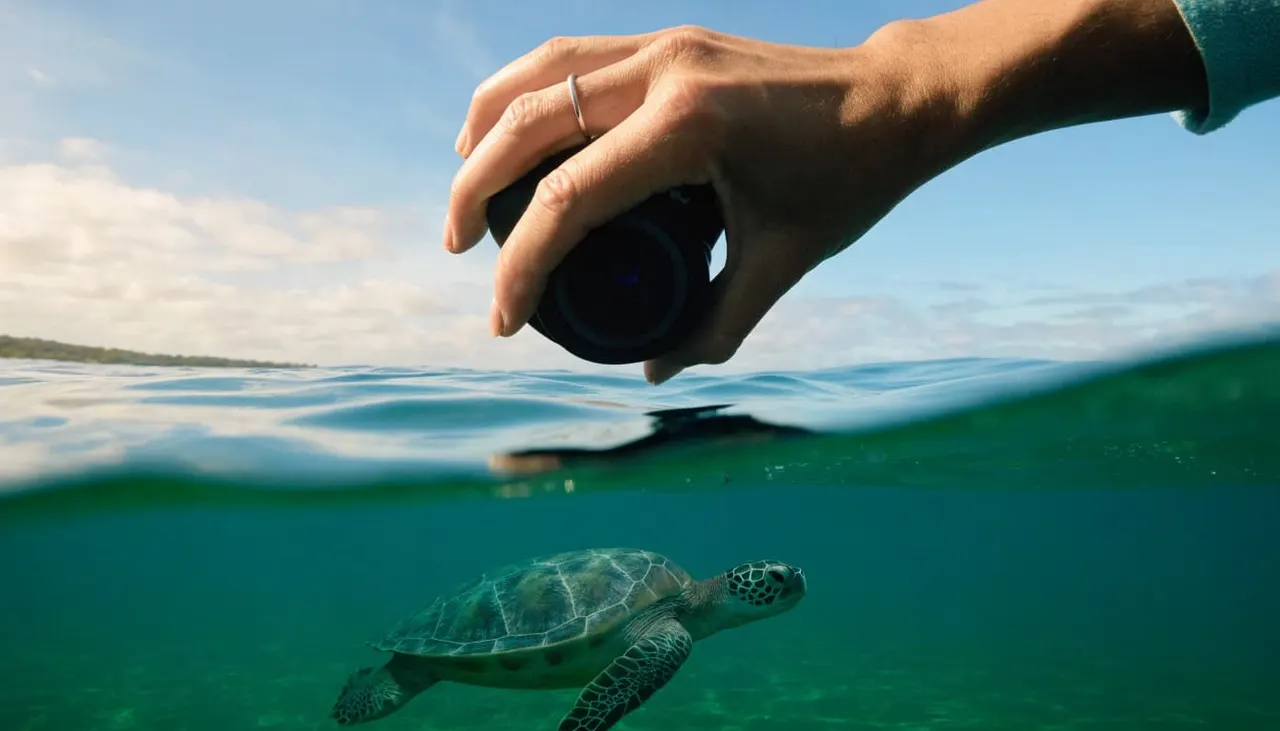
Before your Turtle Canyon Oahu outing, read your camera’s waterproofing instructions. Water resistance and suitability for snorkeling aren’t interchangeable.
If you use a housing, confirm that it’s compatible with your exact camera and lens. Some housings restrict lens movement or access to zoom controls, so test the complete setup while everything is dry.
Inspect seals as the manufacturer directs. Keep sand, hair, and debris away from sealing surfaces, and follow the housing’s closure procedure.
Also ask the crew how to carry your camera during entry and exit. You need both hands available when using the ladder. Secure equipment without leaving loose straps that could catch or trail over the reef.
Practice controls without looking down
Learn to operate the zoom, focus control, and shutter before boarding. Follow your camera’s manual rather than copying settings intended for another model.
Practice changing your framing while keeping the camera pointed at a stationary subject. Then check whether you can identify the controls by touch.
That familiarity matters because every glance downward interrupts your awareness of the group. If your equipment feels awkward on land, simplify it before entering open water.
Once afloat, settle your breathing first. Ask for help with mask fit or flotation before adding photography to the task. You can leave the camera aboard if managing it makes the swim uncomfortable.
Frame the Turtle Without Following It
Begin with the whole animal and its surroundings
Take a wider photograph first, provided you can do so safely. Include the turtle’s flippers and enough reef or open water to show where it is swimming.
This gives you a useful image even if the encounter ends quickly. It also helps you notice whether the animal has space to move through the scene.
Next, adjust optical zoom gradually while holding your position. Watch the edges of the frame so you don’t cut off a flipper or the front of the shell.
Leave room ahead of the turtle when possible. That space shows its direction of travel and makes the photograph easier to read. If it turns away, keep the wider image instead of repositioning for its face.
Keep camera work brief and deliberate
Bring the camera close to your body rather than stretching your arms toward the turtle. A compact posture makes it easier to manage your equipment while floating.
Take a few photographs, then look away from the screen. Check your buddy, guide, boat, and the reef beneath you before continuing.
Also avoid reviewing every picture in the water. You can inspect fine detail aboard, where you won’t drift while studying the display.
If you lose the subject, lower the camera and locate it with your eyes. Repeatedly searching through a tight frame can distract you from your surroundings. Let a departing turtle leave rather than following it for another attempt.
Keep Wildlife Distance and Reef Awareness First
NOAA’s marine-life viewing guidelines recommend staying at least 10 feet, or 3 meters, from sea turtles in Hawaii, both on land and in water.
Use that space as your starting point for photography. Don’t touch, feed, chase, surround, or block a turtle. Keep its route to the surface open, even when it passes through an appealing composition.
If a turtle approaches unexpectedly, stay calm and follow your guide’s direction. Avoid reaching toward it or turning the encounter into a close-up session.
Meanwhile, keep your fins above the reef. Coral isn’t a place to stand or a handhold for steadying your camera. Kicking near the bottom can also stir sediment and reduce visibility.
For families, agree beforehand that an adult can help a child or concentrate on photography. Trying to handle both at once can divide your attention.
Your guide’s instructions take priority over the photograph. Return to the boat when directed, and put the camera away whenever your comfort or awareness slips.
Choose Guided Support for Your Camera Day
Your Turtle Canyon Oahu photography plan should begin with a manageable snorkeling experience. Living Ocean Tours’ guided Turtle Canyon snorkeling excursion includes snorkeling gear and knowledgeable guides.
Tell the crew if you’re new to snorkeling, uneasy in open water, or bringing unfamiliar camera equipment. In-water guidance helps you ask about positioning and wildlife etiquette before you feel distracted.
The company reports a historical 95% turtle-sighting rate on its Turtle Canyons excursion. However, wildlife sightings aren’t guaranteed, and seeing a turtle doesn’t guarantee a clear photograph.
Wind, current, visibility, and the animal’s movements affect what you can capture. Treat reef fish and underwater scenery as worthwhile subjects too.
When your travel dates are set, you can CHECK AVAILABILITY for a turtle-focused departure. Choose the outing for the guided ocean experience, with photographs as a welcome bonus.
Turtle Canyon Oahu Photography FAQ
Do you need optical zoom to photograph turtles?
You can photograph turtles without optical zoom. A wider image can show the animal, reef, and surrounding water clearly when conditions allow.
Optical zoom gives you another framing option while maintaining distance. However, comfortable snorkeling and suitable waterproof equipment matter more than a tightly framed photograph.
Can you use a phone underwater?
Only use a phone underwater with equipment suitable for the intended immersion and according to its manufacturer’s instructions. Don’t assume ordinary water resistance covers snorkeling.
Test access to camera controls before departure. Also check whether your preferred zoom option uses an optical lens or digital cropping.
Should you swim closer if the turtle looks small?
Maintain the recommended viewing distance and follow your guide. You can adjust optical zoom, keep a wider composition, or let the photograph go.
A small turtle within a clear reef scene can make a meaningful image. Following it for a larger frame risks disrupting wildlife and distracting you from safe snorkeling.
Bring Home the Photo Without Changing the Encounter
A rewarding photograph at Turtle Canyon Oahu shows a turtle following its own routine. Learn your controls, respect viewing distance, and choose framing that suits the water clarity.
Keep comfortable snorkeling ahead of camera work. With patient observation and professional guidance, you can enjoy the reef whether you capture a detailed turtle image or a wider view of its habitat.
Let the turtle keep its route, and let your camera record the encounter you receive.


