
Turtle Canyon Oahu: Coral Restoration and Honu Habitat
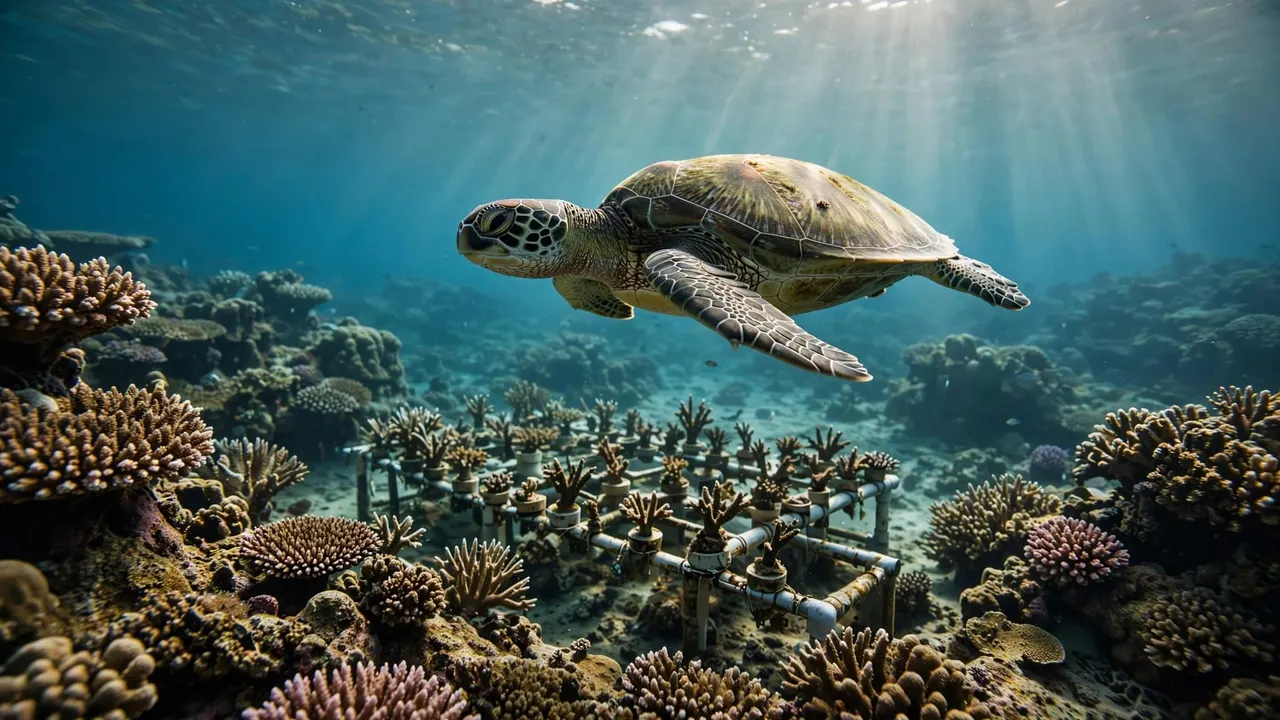
A honu gliding above a reef draws your attention, but the habitat beneath it deserves a closer look. At Turtle Canyon Oahu, coral restoration could support the reef community that Hawaiian green sea turtles use for resting, movement, and cleaning visits.
Living Ocean Tours brings you from Kewalo Basin Boat Harbor near Waikiki to observe this offshore habitat with professional in-water guidance. Understanding the connection between coral and turtles helps you appreciate the encounter without assuming every restoration project brings more honu.
Start with what turtles need, then consider where restoration can help.
Key Takeaways
- You visit wild reef habitat where turtles choose when to arrive, pause, surface, and leave.
- Adult honu eat mainly algae and limu, so coral restoration supports habitat rather than directly supplying turtle food.
- Nursery-grown coral can help rebuild damaged reef areas, but successful projects also need suitable conditions and monitoring.
- Turtle Canyon was discussed as a possible restoration location in 2025, but later project information doesn’t confirm active outplanting there.
- Your calm swimming and hands-off wildlife viewing help protect the habitat you came to enjoy.
How Honu Use Turtle Canyon Oahu
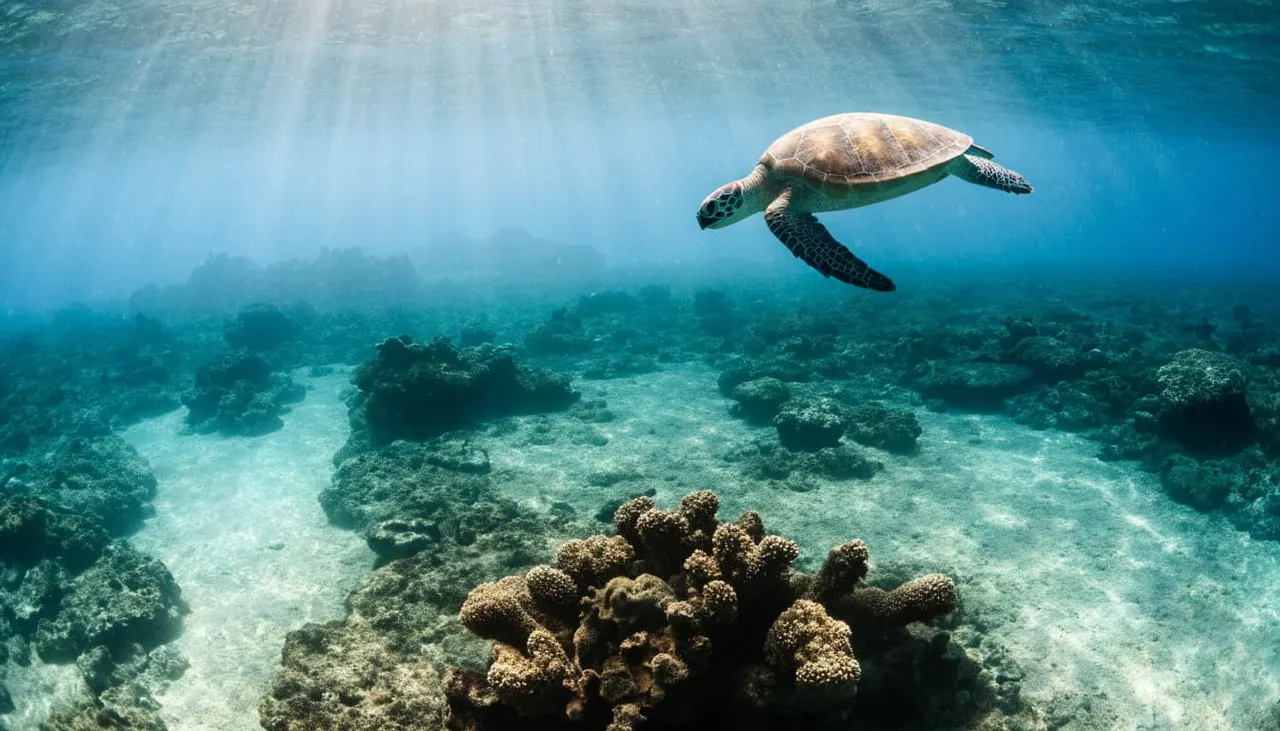
Turtle Canyon sits offshore from Waikiki within a larger coastal reef environment. As you float above it, you may notice coral heads, reef ledges, and sandy openings.
Those features offer different spaces for marine animals. However, a turtle passing over coral doesn’t tell you whether it’s feeding, resting, or traveling elsewhere.
Food Comes Mainly From Marine Plants
Adult Hawaiian green sea turtles eat mostly algae, including seaweed known locally as limu. NOAA’s green turtle species profile explains their largely herbivorous diet.
That distinction matters when you consider restoration. Adding live coral doesn’t automatically add food for turtles.
Instead, coral growth can support the wider reef community and alter habitat structure over time. To understand any benefit to honu, researchers need to examine the surrounding feeding areas and how turtles use them. You can’t measure that relationship through coral cover alone.
Cleaning Visits Connect Turtles and Fish
Living Ocean Tours describes Turtle Canyons as a natural turtle cleaning-station area. Here, small reef fish may remove algae and other material from a turtle’s shell and skin.
You may see a honu pause while fish gather nearby. That interaction depends on several animals using the same habitat.
Coral restoration could support reef conditions associated with such interactions, but it doesn’t guarantee more cleaning visits. When you watch, leave the turtle enough room to remain, turn, or swim away without adjusting its route around you.
What Coral Restoration Can and Cannot Do
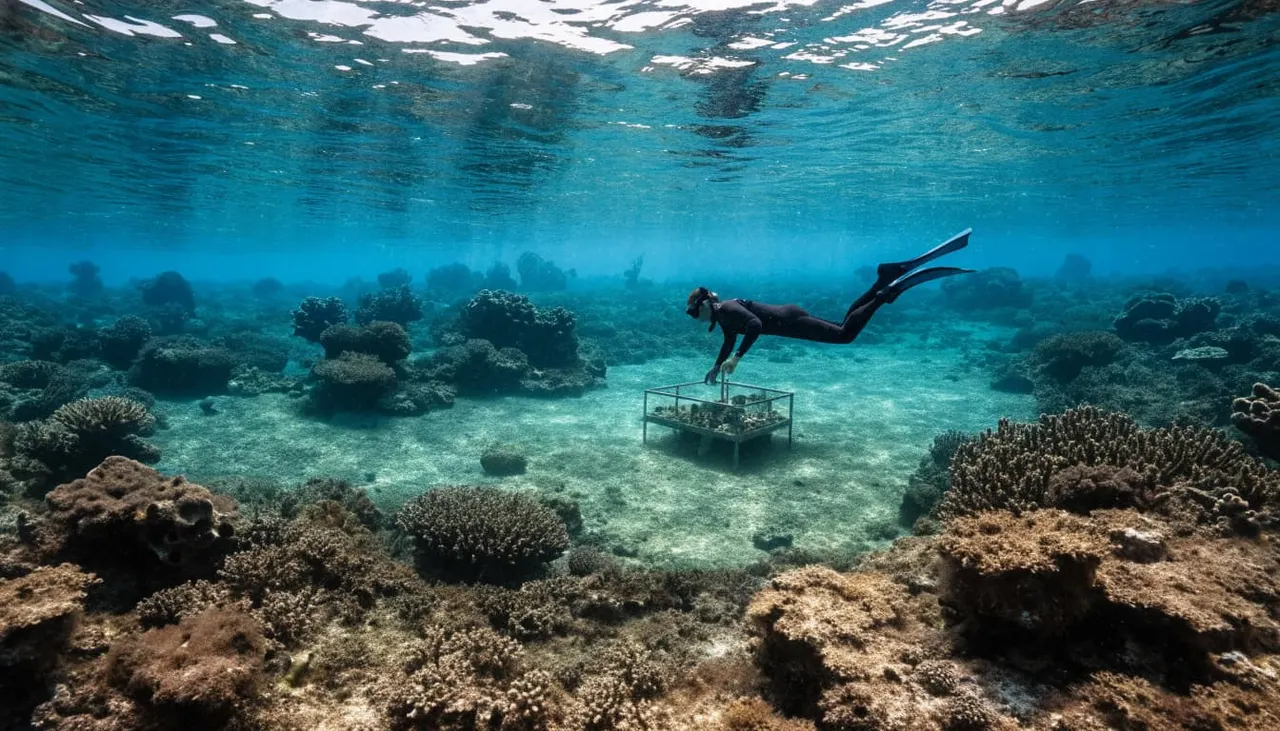
Corals are living animals that build much of a reef’s structure. Restoration helps damaged areas recover, but growing coral and restoring a functioning habitat require different measures of success.
Nursery-Grown Coral Helps Repair Damaged Areas
The Hawaii Coral Restoration Nursery operates at the Anuenue Fisheries Research Center on Sand Island, Oahu. The state facility grows small corals into larger colonies for placement on damaged or degraded reefs.
Nursery care gives young corals time to grow before they face open-water conditions. After outplanting, teams must track survival and growth.
For you, the value goes beyond a brighter underwater view. Living coral contributes to habitat used by reef fish and other organisms. Still, restoration teams must choose suitable locations rather than plant coral wherever visitors would like to see it.
Turtle Benefits Need Their Own Evidence
A restoration team can count surviving corals and measure colony growth. Showing benefits for turtles requires additional work, such as documenting habitat use before and after restoration.
A surviving coral transplant demonstrates coral survival. It doesn’t, by itself, demonstrate better turtle habitat.
That distinction keeps expectations grounded. Cleaner-fish activity, available forage, and resting behavior may require separate observations.
You can appreciate restoration without treating every new colony as proof of more honu. At Turtle Canyon, published project information doesn’t establish that outplanting has increased turtle sightings or improved their habitat.
Where Oahu Restoration Is Happening
The restoration story near Waikiki has changed as projects developed. Keeping the dates straight helps you distinguish a proposed location from documented work.
In March 2025, DLNR identified Turtle Canyon and the Waikiki Marine Life Conservation District as candidate locations for public feedback. A candidate site is an option under consideration, not confirmation that coral planting has begun.
Later Division of Aquatic Resources project information identified the Waikiki conservation district and Kewalo Pipe as priority areas. It also listed Maunalua Bay as a secondary location, with a target of 80 to 100 nursery-grown corals by the end of 2026.
Then, an April 30, 2026, DLNR announcement reported that the first installation began April 28 at a selected Kewalo Basin site. The announcement described a second installation near Hawaii Loa Ridge in Maunalua Bay as planned, with approximately 100 corals across the two sites.
These descriptions reflect different stages of planning and implementation. They don’t confirm that restoration is underway at Turtle Canyon Oahu, and the April announcement doesn’t establish completion of the second installation.
You can place these efforts within the state’s broader restoration work through its guide to coral restoration projects. Hawaii has multiple projects with different locations and goals.
For your visit, the takeaway is straightforward: appreciate nearby restoration efforts without assuming you’re snorkeling above newly planted coral.
Why Planting Coral Is Only Part of Recovery
Restoration works best when teams address the conditions that damaged a reef. Otherwise, newly placed coral faces the same pressures as the original colonies.
Heat Stress Can Affect Restored Coral
When water stays unusually warm, coral can lose the algae living within its tissues. This bleaching weakens coral, although a bleached colony isn’t automatically dead.
Nursery-grown coral remains exposed to temperature stress after outplanting. As a result, successful restoration involves more than attaching healthy colonies to the reef.
You also can’t diagnose the condition of Turtle Canyon from one pale patch beneath your mask. Coral color varies, and a brief snorkel doesn’t establish the cause or extent of damage. Site-level assessments require repeat observations and appropriate measurements.
Water Quality and Physical Damage Matter
Sediment can cover coral, while excess nutrients can favor some algae. Anchors and direct contact can also damage reef structure.
DLNR’s April 2026 announcement said the Kewalo work builds on coral rescue following an anchor-damage event in 2024. That example shows why preventing repeated damage belongs alongside planting.
Restoration also benefits from local experience. NOAA highlights local knowledge in reef restoration, including community participation in Hawaii projects.
When you support conservation, look for work that addresses site conditions and monitors results, rather than judging success by the number of corals planted.
Protect the Reef During Your Snorkel
You don’t need restoration training to reduce your impact at Turtle Canyon Oahu. Good position, controlled movement, and careful preparation make a difference during an ordinary visit.
Start near the boat while you adjust your mask and breathing. If your equipment feels uncomfortable, ask your guide for help before swimming farther. Flotation support can help you stay relaxed without searching for somewhere to stand.
Keep your body horizontal and your fins clear of coral. Because fins extend beyond your feet, you need more clearance than you might expect. Avoid standing on reef surfaces even when they appear bare.
Hawaii’s sea turtle protection information explains that these animals have federal and state protection. Never touch, feed, chase, or surround a turtle. Leave an open path between the animal and the surface.
Secure loose belongings before entering the water. A dropped wrapper or plastic item can drift beyond your reach, so prevention is easier than retrieval.
Sun-protective clothing can reduce how much sunscreen you need. Don’t treat a “reef-safe” label as permission to ignore other precautions or make contact with coral.
Finally, tell your guide if you notice damaged coral, fishing line, or a turtle that appears injured. Observation and reporting are appropriate visitor actions. Pulling line, moving wildlife, or handling coral should be left to trained responders.
Explore With Living Ocean Tours
You can reach this offshore reef from Kewalo Basin Boat Harbor, conveniently located near Waikiki. Living Ocean Tours welcomes families, couples, and first-time snorkelers with equipment, flotation support, and professional guidance.
The company describes itself as Oahu’s only tour company with professional snorkel guides in the water. That support helps you manage unfamiliar gear while following wildlife-viewing instructions.
You can explore its guided Oahu ocean experiences before choosing the outing that fits your group.
For a focused Turtle Canyon Oahu outing, the Turtle Canyons Snorkel Excursion brings you to reef habitat where honu may visit cleaning stations. You receive snorkeling equipment and in-water guidance, while the crew helps you understand respectful positioning around wildlife.
Before selecting your departure, CHECK AVAILABILITY for your vacation dates.
Because turtles are wild, sightings remain unpredictable. Reef fish, underwater contours, and the Waikiki coastline are also part of the experience.
Tell the crew about your swimming comfort before entering. Professional guidance adds support, but you should stay within your abilities and follow the day’s ocean-condition instructions.
Give Honu Habitat Room to Recover
At Turtle Canyon Oahu, the reef beneath a passing honu is part of the encounter. Coral restoration can support damaged habitat, but turtle benefits need evidence beyond planting totals.
Your contribution begins with low-impact snorkeling: stay above the reef and leave wildlife undisturbed. That care protects the existing habitat while restoration teams work toward recovery elsewhere on Oahu.
Enjoy the turtle’s passage without changing its path, and leave the coral beneath you untouched.


