
Turtle Canyon Oahu: Plan a Reef Day Around Your Hotel
Your hotel may be steps from Waikiki Beach, but the turtle reef is farther out than a beach swim. For Turtle Canyon Oahu, the simplest plan is to choose your boat departure first, then arrange the rest of your day around it.
Living Ocean Tours departs from Kewalo Basin Boat Harbor, near Waikiki. You can enjoy a guided snorkel in the morning or later in the day without giving up every other vacation plan. The details that make it work are your harbor arrival, your comfort in the water, and a little room for changing ocean conditions.
What you’ll find at Turtle Canyon Oahu
An offshore reef, not a beach entry
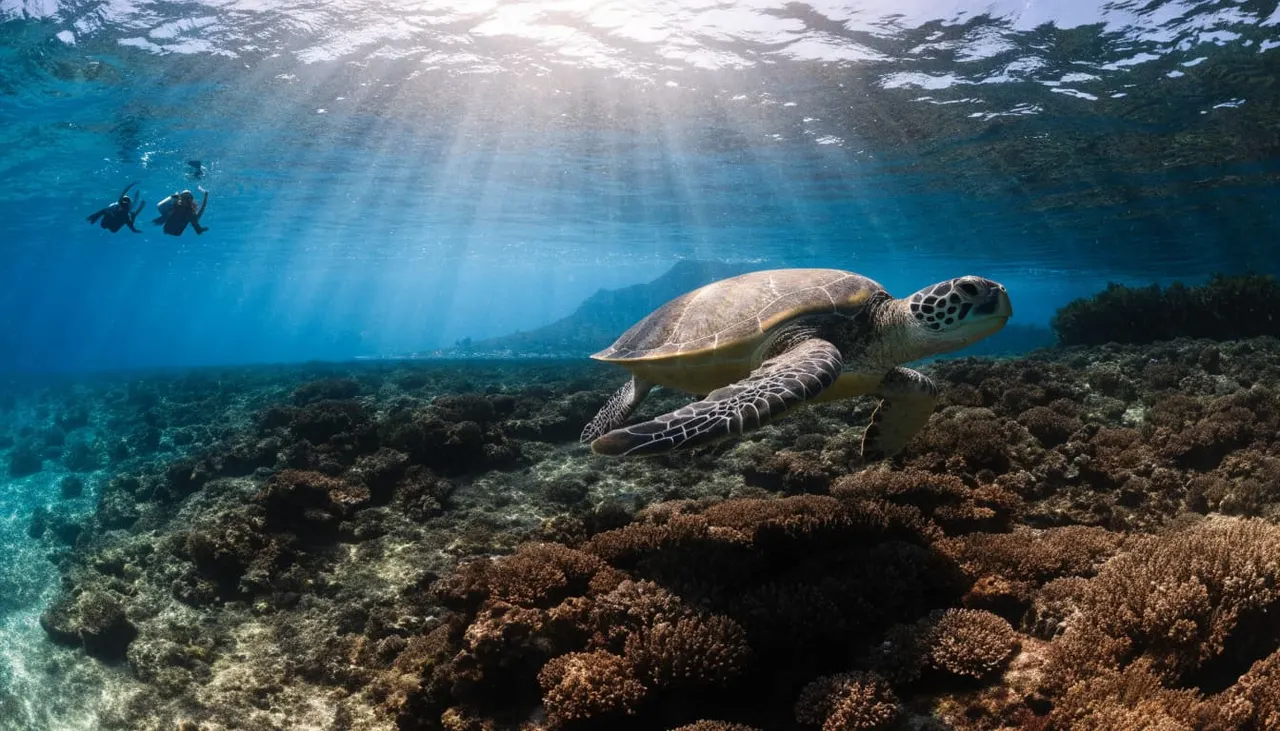
Turtle Canyon is a reef off Waikiki’s coast. You reach it by boat, so walking out of your hotel with a mask won’t get you to the same snorkel site. That distinction matters when you’re deciding how much time to leave between breakfast, the harbor, and your next reservation.
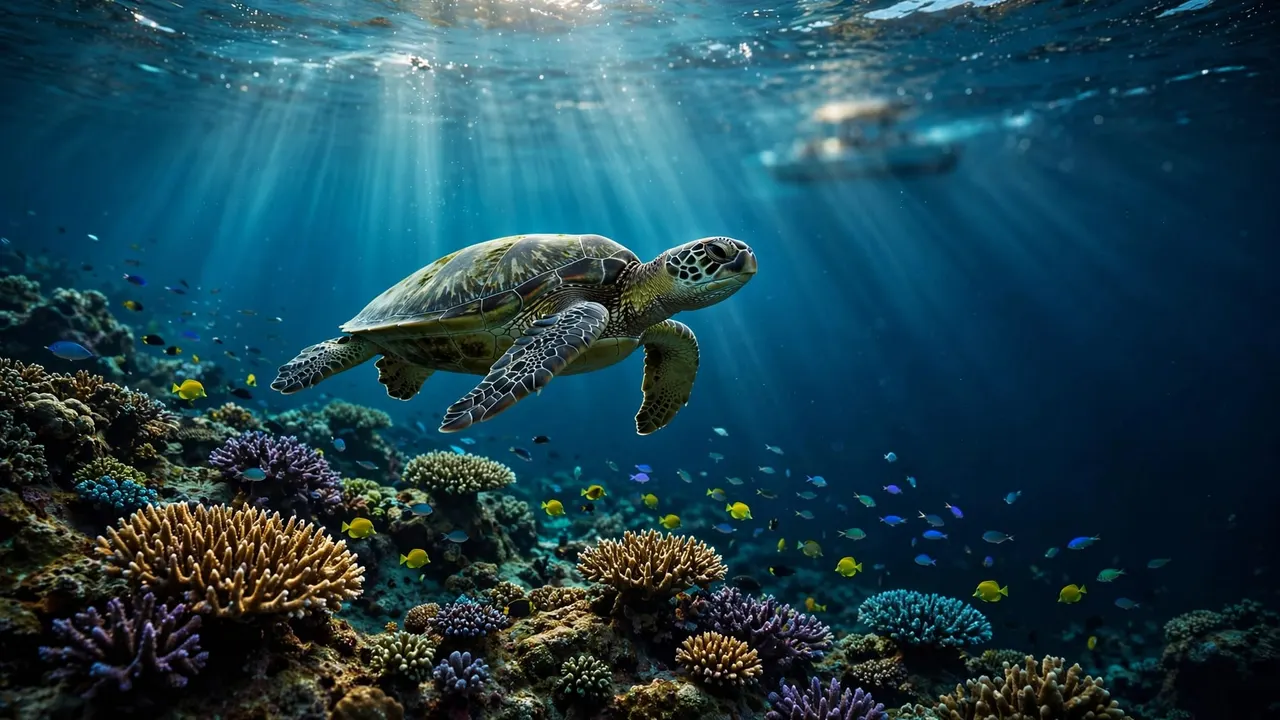
Hawaiian green sea turtles, called honu, may visit the area’s natural cleaning station. Small reef fish gather around turtles there, while other marine life moves through the reef. You might see a turtle close enough to watch its movements, but you should never plan on a close-up encounter.
A boat trip includes more than snorkeling
Your excursion also includes boarding, a safety briefing, gear preparation, the ride to the reef, and the return to harbor. A two-hour tour doesn’t mean two hours with your face in the water.
That’s useful to remember if someone in your group prefers a shorter swim. You can take time to get comfortable, return to the boat when needed, and still enjoy the coastline. When you compare departures, ask about the current itinerary rather than assuming every trip offers the same water time.
Build your harbor plan around your hotel
Confirm the departure before arranging transportation
Living Ocean Tours lists its departure at Kewalo Basin Harbor, 1125 Ala Moana Boulevard, Slip B-01, Honolulu. Save the full location before you leave your hotel. A boat harbor has multiple slips, and arriving at the right harbor isn’t quite the same as finding your boat.
Check your booking confirmation for the required arrival time. The published tour details don’t give a universal check-in time, so avoid working backward from the scheduled departure alone. If you’re driving, confirm parking arrangements directly; if you’re booking a ride, use the harbor address rather than a general Waikiki destination.
Give yourself a buffer you can enjoy
How you reach Kewalo Basin depends on your hotel and the day’s traffic. A ride from central Waikiki calls for a different plan than a stay near Ala Moana. Either way, leave space for your group to gather, find the slip, and get settled without rushing.
Keep your first post-tour plan flexible, too. You may want to rinse off, change clothes, or simply sit down for lunch. If you’re comparing a snorkel outing with other activities, browse the available Honolulu ocean tours before locking in your day.
For a broader look at departures, you can check current availability here:
Choose the snorkel trip that fits your group
Keep turtles at the center of the day
Living Ocean Tours’ Turtle Canyons Snorkel Excursion is a two-hour, turtle-focused trip with multiple departures listed daily. The published starting price is $79 per person, and the minimum age is 3. Check current pricing and times when you book, since availability can change.
The company reports a 95% turtle-sighting rate for the excursion. That’s a helpful measure of past trips, not a promise about yours. Turtles are wild, and visibility and ocean conditions can affect what you see.
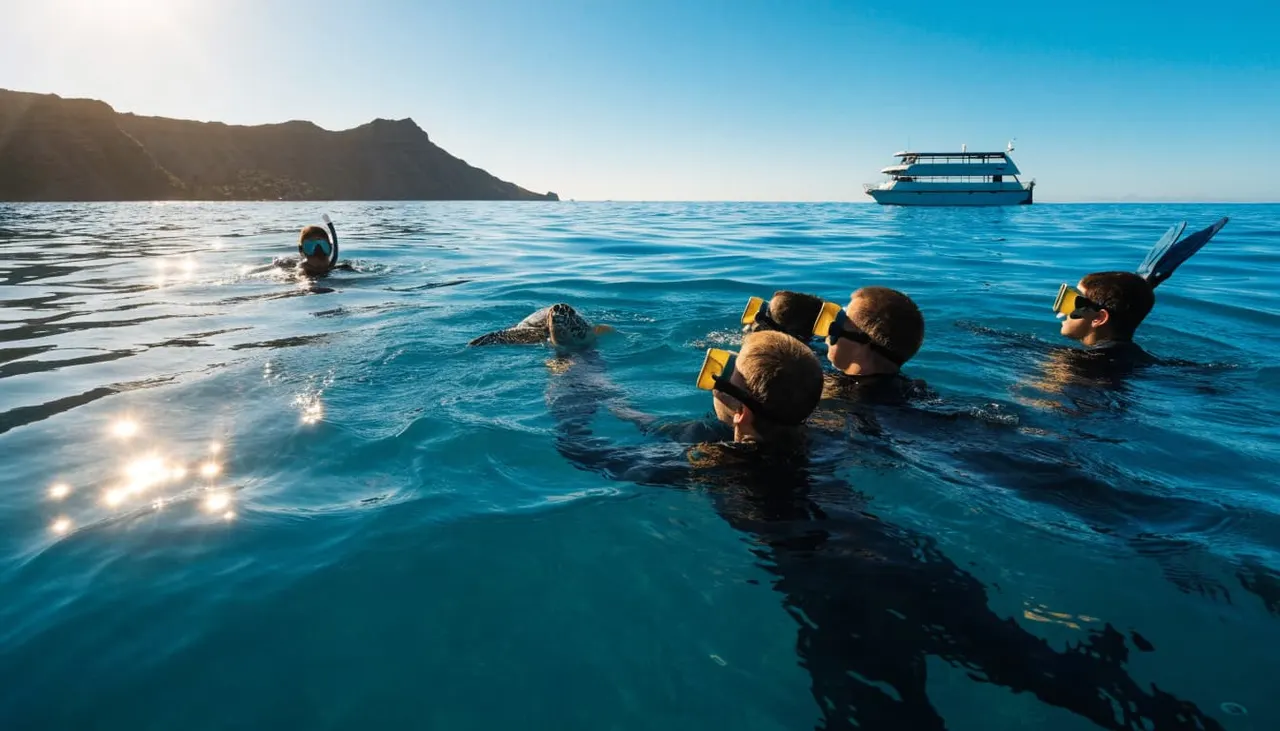
Living Ocean Tours says it’s the only tour company in the area with professional snorkel guides. Those guides offer direct in-water support, a welcome feature if you’re learning to use a mask or helping a child settle into the ocean. Ask about gear and flotation options before departure, then tell the crew what support you’d like.
For this turtle-focused departure, check the available dates:
Decide how much guidance you want
A guided trip helps when you’d rather spend your attention on the reef than work out an offshore route. Before entering, tell a guide if your mask feels loose, you’re uneasy in open water, or you want to remain near the boat. It’s easier to make those adjustments before you’re tired.
If your group has mixed confidence levels, agree that everyone can set their own pace. A child who loves the boat ride may want only a brief swim. An experienced snorkeler may stay in longer. Neither choice needs to hold up the rest of the group.
Let the day’s ocean conditions make the call
Turtle Canyon Oahu sits offshore, where wind, swell, current, and visibility can change the feel of your swim. Pleasant weather at your hotel doesn’t tell you everything about the water at the reef. Follow the captain and crew’s assessment, and be willing to shorten or skip your swim if conditions don’t suit you.
Water temperature matters as well. Waikiki-area water is generally coolest early in the year and warmest toward late summer and early fall. Even comfortable water can feel cooler after a long float or a breezy ride back, so bring a dry layer.
If you get motion sick, talk with the crew before boarding and choose a spot where you feel comfortable. Don’t wait until you’re in the water to mention that you’re nervous or unwell. Your best reef day is one you can enjoy at your own pace.
Pack for the boat, the reef, and your next stop
Pack as though your hotel room won’t be available between the tour and lunch. Wear your swimsuit under easy-to-change clothes, and bring a towel, dry layer, sun protection, and water. A small bag keeps your change of clothes together while you’re on board.
Living Ocean Tours’ double-decker vessels have shaded seating, onboard restrooms, dry storage, and ladders for getting in and out of the water. Still, shade doesn’t remove the need for sun protection on an open boat. Secure loose hats and anything that could blow overboard.
If you wear prescription glasses, plan ahead for how you’ll see while snorkeling. Ask about mask options before your trip rather than assuming your usual glasses will fit underneath one. For children, a familiar swimsuit and a warm layer can make the transition from water to boat much more pleasant.
Keep valuables to a minimum. You’ll have more freedom to enjoy the swim if you aren’t managing extra belongings at the harbor, on deck, and afterward.
Give turtles and coral room to thrive
Stay back when a honu appears
The most memorable Turtle Canyon Oahu sightings happen when a turtle can move naturally. NOAA’s marine-life viewing distances recommend staying at least 10 feet (3 meters) from sea turtles in Hawaiʻi, both on land and in the water.
Don’t chase, touch, feed, surround, or block a turtle. It needs a clear path to swim and surface for air. If one approaches you, remain calm and allow it to pass. A good photo is never worth changing an animal’s behavior.
NOAA’s guidance for viewing wildlife in Hawaiʻi also advises keeping encounters brief and letting animals go about their normal activities. Watch with patience rather than following a turtle across the reef.
Keep your fins clear of the reef
Coral is living habitat, and a misplaced kick can damage it. Float horizontally, use short, controlled kicks, and watch where your fins travel. Don’t stand on coral to adjust your mask or rest.
If you need help, signal your guide and move to an appropriate place near the boat. This is another reason to request flotation support early: staying comfortably at the surface helps you protect the reef below.
Put the rest of your Waikiki day in the right order
An earlier departure may suit you if snorkeling is the day’s priority. You can return to your hotel to shower, then leave the afternoon open for a meal or beach time. A later departure gives you a slower morning, but avoid scheduling a tight dinner reservation after the boat returns.
For families, plan around the least flexible part of the day. That might be a young child’s rest, a long-awaited dinner, or the time everyone needs to get ready. Couples can keep the afternoon loose and decide what sounds good once they’re back on land.
If Turtle Canyon Oahu is the one activity you most want to do, book that departure before adding other plans. You can CHECK AVAILABILITY for the turtle snorkel, then build a comfortable window around check-in and your return.
Leave room for the ocean to affect your plans. A captain may change the day’s approach based on conditions, and you may want more downtime after swimming than you expected. That open space often makes the whole vacation day feel better.
Key Takeaways
- Turtle Canyon Oahu is an offshore boat snorkel, not a walk-in site from Waikiki Beach.
- Confirm your harbor slip and check-in instructions before arranging your ride from the hotel.
- A two-hour excursion includes boat and briefing time, so ask about the current snorkel plan.
- Let conditions and your comfort set your pace. Give turtles at least 10 feet of space and keep fins off coral.
Frequently Asked Questions
Can you swim to Turtle Canyon from Waikiki Beach?
No. Turtle Canyon is an offshore reef reached by boat. If it’s the reef you want to visit, choose an excursion and plan transportation to its listed departure point.
Is the snorkel trip suitable for beginners?
A guided trip can work well for beginners when conditions are appropriate. Living Ocean Tours provides professional in-water snorkel guides, and you should tell them about your experience and comfort level before entering. You can ask for help with gear or flotation and choose how long you stay in.
Are turtle sightings guaranteed?
No. Living Ocean Tours reports a 95% sighting rate on its Turtle Canyons excursion, but wild turtles choose where to go. NOAA’s Pacific Islands sea turtle FAQs are useful if you want to understand how to share the water respectfully when you do meet one.
Make room for the reef day you came to enjoy
A hotel near Waikiki makes Turtle Canyon Oahu easy to fit into your trip, as long as you plan for the harbor rather than the beach. Confirm your arrival details, choose a departure that leaves you breathing room, and be honest about your comfort in the water.
Then let the reef set the pace. Good preparation gives you more time to enjoy what’s there, without rushing your group or crowding the wildlife.


