
Turtle Canyon Oahu: How Green Turtles Face Ocean Plastic
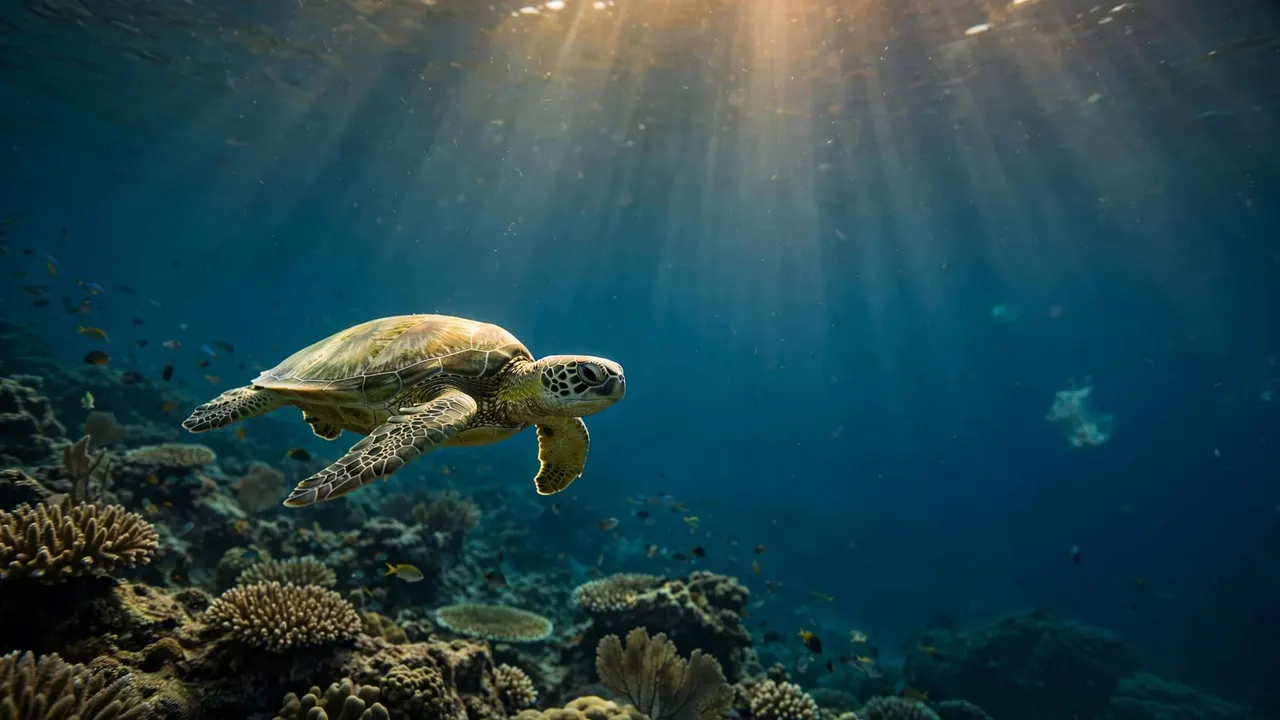
A green sea turtle can glide past you at Turtle Canyon Oahu without showing any sign of trouble. Yet a drifting plastic bag or loose fishing line can threaten the same animal long after your snorkel ends.
Living Ocean Tours takes guests from Kewalo Basin Boat Harbor to this reef off Waikiki, where wild turtles may visit natural cleaning stations. Knowing how plastic affects honu, the Hawaiian name for green sea turtles, helps you enjoy the encounter with more care and less guesswork.
Key Takeaways
- At Turtle Canyon, you may watch turtles pause near reef fish, swim over coral, or rise to breathe. Their behavior varies naturally.
- Plastic can harm green turtles through ingestion and entanglement, but there are no established Turtle Canyon-specific rates for either problem.
- An entangled turtle may struggle to swim or surface. Plastic inside a turtle is usually impossible to identify from a snorkeler’s view.
- You can help by keeping your distance, securing your belongings, and reporting dangerous debris instead of attempting a rescue.
What Turtle Canyon Oahu Can Tell You
Turtle Canyon is an offshore reef area near Waikiki, not a controlled wildlife attraction. Turtles can arrive, leave, rest, and surface whenever they choose. That freedom is part of what makes a sighting memorable.
A cleaning station is a natural interaction
Small reef fish may pick algae and other material from a turtle’s shell and skin. If you see a honu slowing near these fish, you may be watching a cleaning interaction. You might also see it pass through without stopping.
The fish aren’t removing swallowed plastic or solving an entanglement. Cleaning activity shows one way turtles use the reef, not whether an individual turtle is free of marine debris.
One sighting cannot tell the whole story
A turtle that swims steadily past you may look healthy. Still, you can’t determine what it has eaten by watching it for a few minutes. Likewise, an unexpected turn doesn’t prove it has encountered plastic. Currents, nearby animals, and a trip to the surface can all affect its movement.
No published Turtle Canyon-specific rate establishes how often turtles there ingest plastic or become entangled. The wider research explains the risks, but it shouldn’t be presented as a measurement of this reef.
How Green Turtles Encounter Ocean Plastic
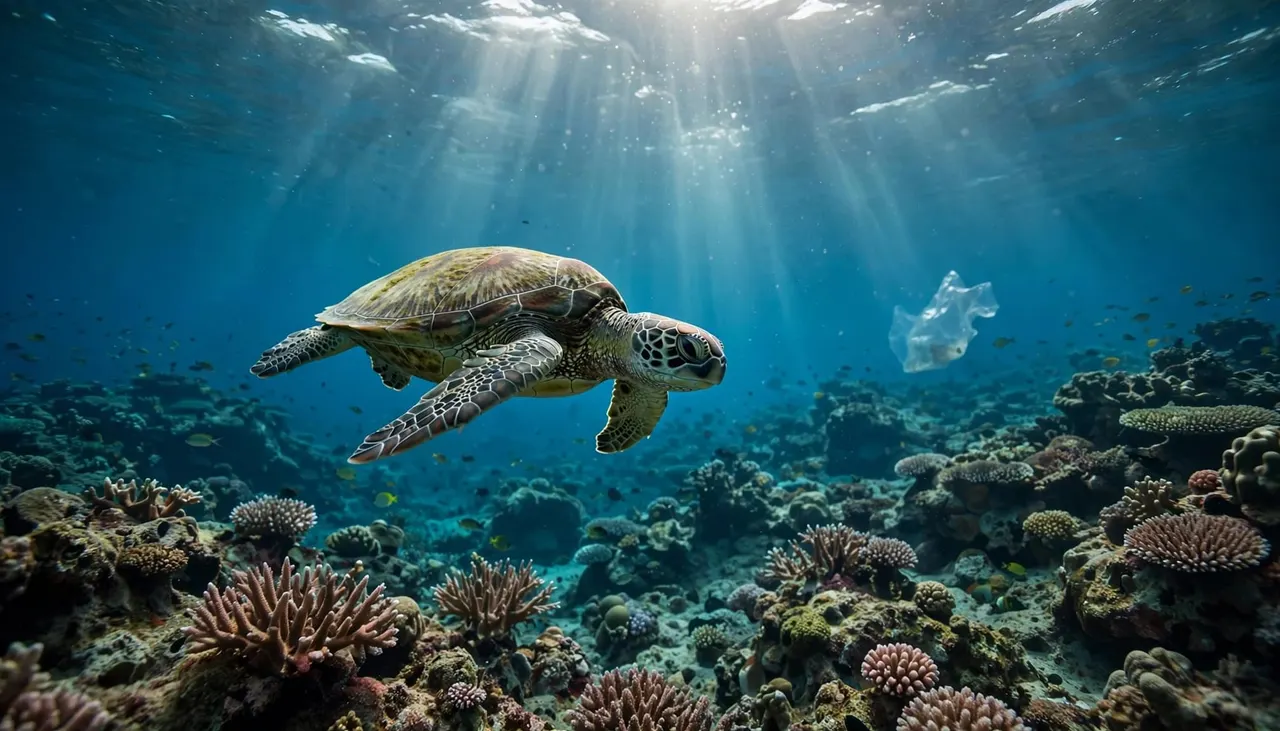
Plastic reaches the ocean as bags, wrappers, fragments, and fishing gear. Once it drifts or sinks into turtle habitat, it can remain a hazard well beyond the place where someone dropped it.
Swallowing debris can cause hidden harm
Green turtles feed on marine plants such as algae and seaweed, though diet varies with age. They can also swallow items that don’t belong in their food. NOAA’s green turtle overview identifies plastic bags, fragments, balloons, and fishing line among the debris these turtles may ingest.
You generally won’t see that harm during a snorkel. A turtle might still swim through the reef after swallowing plastic. Don’t assume that a normal-looking pass means the animal has never encountered debris.
Loose line and nets create a different risk
Discarded fishing line can loop around a flipper or neck. Nets may restrict movement or make it harder for an air-breathing turtle to reach the surface. NOAA’s marine debris guidance describes both ingestion and entanglement as threats to marine animals.
At Turtle Canyon Oahu, even a short piece of line deserves your attention. It doesn’t deserve an improvised underwater rescue. Alert the crew and let trained responders assess the hazard.
How a Turtle Might Respond, and What You Can Observe
The word “respond” can suggest that turtles recognize plastic and deliberately avoid it. You can’t count on that. Some encounters leave no obvious sign for a person watching from the surface.
Entanglement may change movement
A turtle caught in line or netting may show restricted flipper movement or difficulty swimming normally. It may also have trouble surfacing to breathe. If you notice visible gear attached to an animal, keep your distance and tell your guide exactly where you saw it.
Don’t swim after the turtle to confirm what you saw. A closer look can add stress and leave you poorly positioned near coral, other swimmers, or the turtle’s route to air.
Ingestion offers few visible clues
Plastic inside a turtle is a different problem because you usually can’t identify it by sight. Research on green turtle litter ingestion and entanglement documents both harms in the animals studied. Those results don’t describe the turtles at Turtle Canyon.
This distinction matters when you share a photo or tell someone what you saw. You can describe a visible piece of fishing line. You can’t diagnose swallowed plastic, illness, or a change in behavior caused by pollution from a brief encounter.
Why the Reef Still Matters When You Spot No Plastic
A clean-looking swim doesn’t mean plastic is absent from the wider ocean. Small fragments may escape your notice, while loose gear can move with wind and currents. The most useful thing you can do underwater is stay alert to what you can actually see.
At Turtle Canyon Oahu, watch the whole reef rather than scanning only for turtles. Notice where fish gather, where coral gives way to sand, and where a turtle has room to rise. This wider view helps you keep your fins clear of the reef and your body out of the animal’s path.
If you spot a bottle, bag, or line, don’t sacrifice your safety to retrieve it. Tell your guide what you saw and where. The crew can decide whether removal is safe or whether the debris needs to be reported.
How to Snorkel Without Adding Pressure
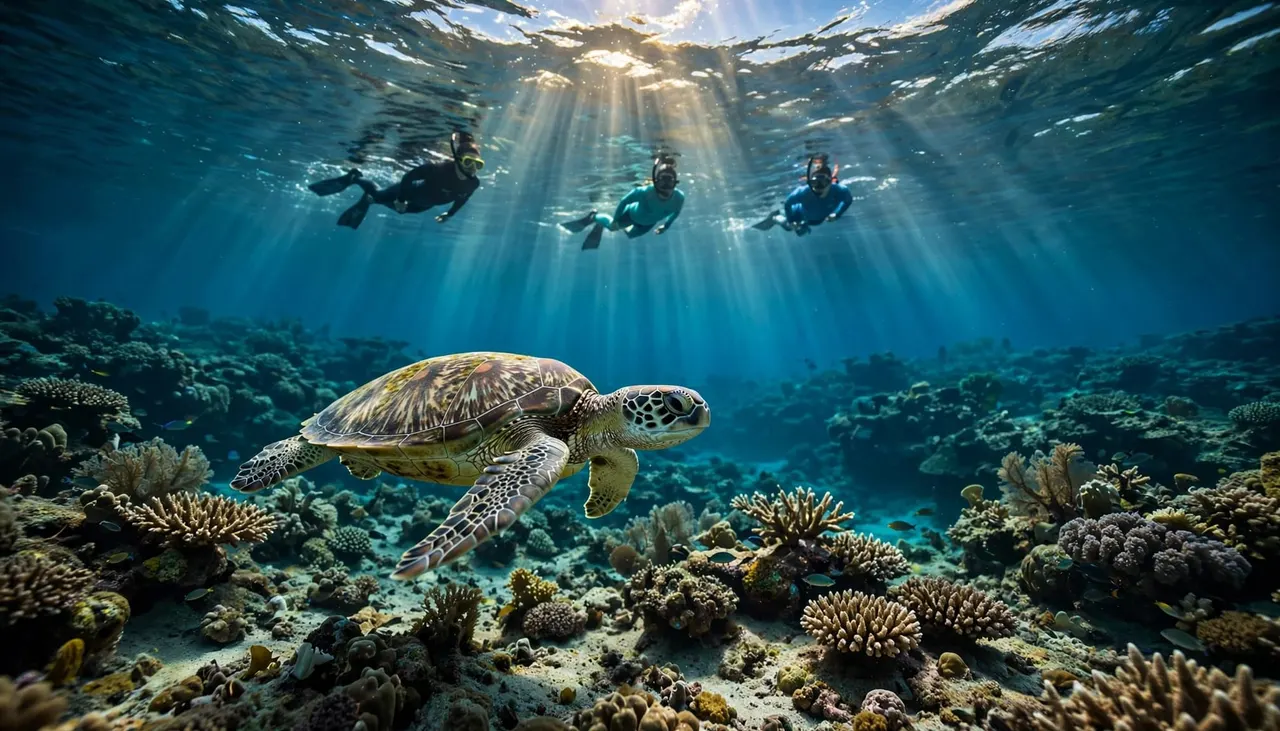
A respectful turtle encounter depends on more than keeping your hands to yourself. Your position in the water matters, especially when several snorkelers notice the same honu.
Leave a clear route to the surface
NOAA’s Hawaiʻi wildlife-viewing guidance recommends staying at least 10 feet (3 meters) from sea turtles on land and in the water. Don’t touch, chase, or feed them.
Stay to the side instead of floating directly above a turtle. If it turns toward you, remain calm and give it room to pass. Then check your fins before moving away so you don’t strike coral.
Bring less loose plastic aboard
Before departure, secure wrappers, bottle caps, and other small items in your bag. Reusable containers help when their lids are firmly attached. If something blows loose on deck, tell the crew before it reaches the water.
These small habits won’t remove the plastic already in the ocean. They do prevent your own reef visit from adding to the problem.
Visit Turtle Canyon Oahu With In-Water Support
A boat trip lets you reach the offshore reef without planning a shore entry. Living Ocean Tours departs from Kewalo Basin Boat Harbor near Waikiki on Coast Guard-inspected double-decker vessels. Shaded seating, restrooms, dry storage, and sturdy ladders make the trip approachable for families and first-time snorkelers.
Living Ocean Tours says it’s the only tour company with professional snorkel guides in the water with guests. That support is useful when you need help with a mask, flotation, or where to position yourself around wildlife. You can compare its Honolulu ocean tours if your group is deciding how to spend its time on the water.
For the company’s wider range of outings, you can check departure options below.
Get comfortable before entering the water
On the two-hour Turtle Canyons Snorkel Excursion, guests ages 3 and up receive gear, flotation support, and instruction. Tell the crew if you’re new to snorkeling, helping a child adjust a mask, or concerned about motion sickness. You can get help before you reach the reef rather than trying to solve a problem while floating above it.
Once you’re in the water, stay close enough to hear your guide. Ask for a break when you need one. Comfortable breathing makes it easier to watch the reef without rushing toward a turtle.
Choose a sighting, not a guarantee
Living Ocean Tours reports a 95% turtle-sighting rate on its Turtle Canyons trips. That’s a useful planning detail, but no wild-animal sighting is guaranteed. Wind, visibility, and the turtles’ movements all affect your day.
If this turtle-focused outing fits your plans, CHECK AVAILABILITY for a departure. Give honu room to carry on with their day when you arrive.
What to Do If You Find Debris or a Turtle in Trouble
If you see a turtle tangled in line or netting, stay back and notify your guide. Note the location and describe the attached material if you can do so without approaching. Don’t cut the line, pull on the net, or try to lift the turtle.
For hazardous marine debris, Hawaiʻi’s Division of Aquatic Resources provides a marine-debris reporting guide and its rapid-response hotline, 833-432-6387. Your crew can help pass along a useful location and description.
A small piece of loose trash may look easy to collect, but currents, sharp hooks, and reef contact can turn retrieval into a risk. Let the crew make that call. Your first responsibility is to keep yourself and the wildlife safe.
Frequently Asked Questions
Does plastic change turtle behavior at Turtle Canyon?
Plastic can injure green turtles through ingestion or entanglement. However, you can’t attribute a particular turtle’s movement at Turtle Canyon Oahu to plastic without evidence. No established site-specific rate measures those effects there.
Can you tell if a turtle has swallowed plastic?
Usually, you can’t tell during a snorkel. Ingestion may leave no visible clue. Describe what you observed, such as attached fishing gear or restricted movement, rather than guessing at an internal injury.
Should you remove line from a turtle?
No. Stay at least 10 feet away and alert your guide. Line can be wrapped around more of the animal than you can see, and an attempted rescue may cause further harm. Trained responders should assess it.
Will you see turtles on every trip?
No. Living Ocean Tours reports a 95% sighting rate for its Turtle Canyons excursion, but honu are wild. A trip can still give you time with reef fish and the offshore habitat when turtles swim elsewhere.
Give the Turtle Room to Be Wild
The honu you see at Turtle Canyon Oahu may look entirely at ease. That brief view can’t reveal every threat it faces, especially plastic it may have swallowed elsewhere.
Keep your belongings secure, follow your guide, and leave each turtle a clear path. Observation without interference gives you a memorable encounter while respecting the animal that made it possible.


