
Turtle Canyon Oahu: How Coral Bleaching Changes Green Turtle Habitat
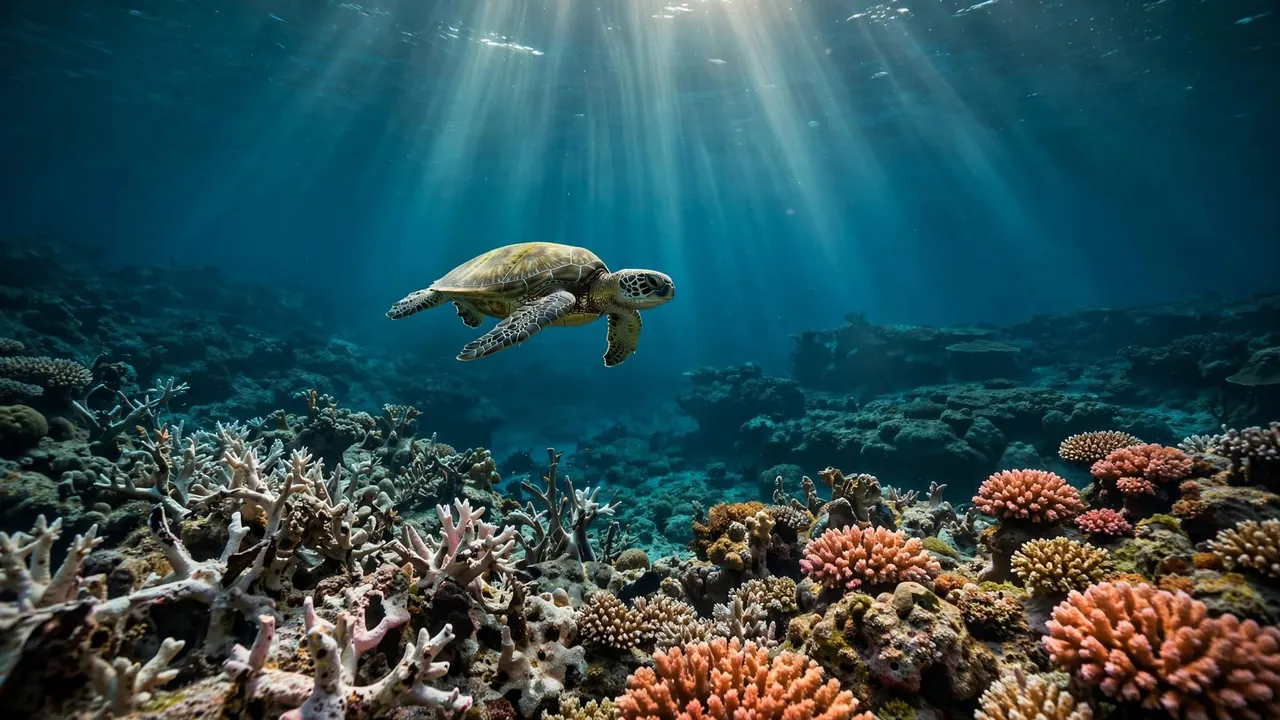
A green sea turtle can glide over a Waikiki reef that looks colorful one season and noticeably pale another. At Turtle Canyon Oahu, that change raises a fair question: what happens to the habitat honu rely on when coral bleaches?
Bleaching signals stress in living coral, but it doesn’t tell you that turtles have left or that a reef has died. To understand what you might see beneath the surface, start with the difference between a regional heat warning and conditions at Turtle Canyon itself.
What the coral bleaching alert means for Turtle Canyon Oahu
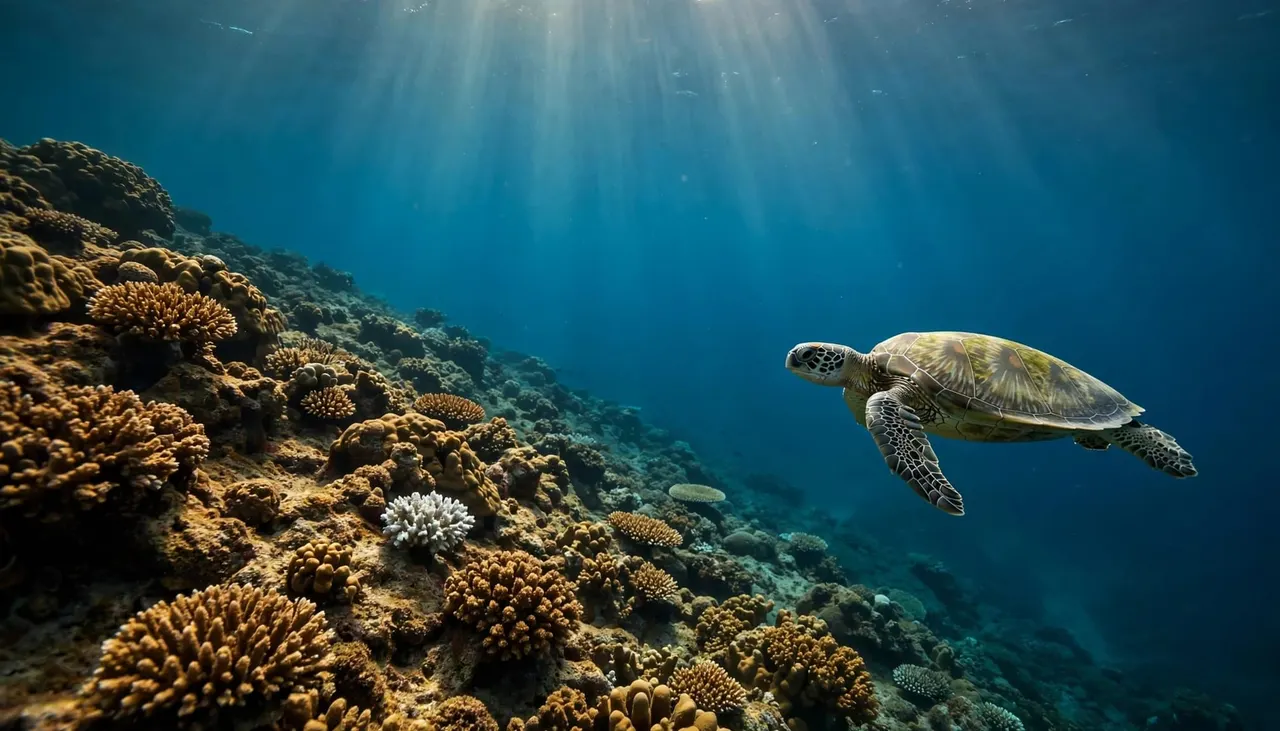
Heat stress is a warning, not a reef survey
When water stays unusually warm, corals can lose the microscopic algae that live in their tissues. Those algae supply much of the coral’s energy and give many corals their color. Without them, the pale skeleton shows through the living tissue.
A bleached coral is still alive. It may recover if conditions improve, but prolonged stress can weaken or kill it. On September 21, 2026, NOAA Coral Reef Watch’s Main Hawaiian Islands gauges showed a regional Bleaching Warning. That designation indicates accumulating heat stress; it isn’t a report of bleaching observed at every reef.
The local question remains open
NOAA’s regional alert doesn’t establish how much coral, if any, has bleached at Turtle Canyon. A satellite-based heat-stress product also can’t tell you where a turtle fed or which cleaning station it visited that morning.
So if you’re planning a snorkel, hold both ideas together. The regional warning deserves attention, while claims about specific damage or turtle movement at this site need local observations. You can appreciate the reef without assuming every pale patch has the same cause.
Why green turtles use Waikiki’s reefs
Reef habitat supports feeding
Hawaiian green sea turtles, called honu, use coastal waters for more than a place to swim. Hawaiʻi’s sea turtle information identifies nearshore coral reefs as important foraging habitat. Green turtles eat marine algae and seagrasses, rather than relying on living coral as their main food.
That distinction matters when you consider bleaching. Pale coral doesn’t mean a turtle’s food has vanished. Still, coral, rock, algae-covered surfaces, and open water form a connected habitat. Changes to one part can affect the places animals use over time.
Cleaning stations bring turtles and fish together
Turtle Canyon is known for natural cleaning stations. There, small reef fish may pick algae and other material from a turtle’s shell and skin. You might see a honu pause near the reef, cruise across it, or rise to breathe.
The encounter depends on the turtle’s choices. It may visit a familiar area and leave before your boat arrives. Even if you see several turtles, you can’t tell from one snorkel whether they’re feeding, seeking cleaning, or passing through. Watching the surrounding fish and reef gives you a fuller picture than following a turtle alone.
How bleaching could change green turtle habitat
Living coral helps maintain reef structure
Coral colonies build hard structures that create ledges, gaps, and shelter for reef organisms. Cleaner fish and other species use that varied terrain. If heat stress kills substantial coral and recovery stalls, a reef can lose some of its living cover and, eventually, structural complexity.
For a green turtle, any effect would likely be indirect. The concern isn’t that bleaching immediately removes coral from its diet. It’s that persistent reef decline could alter fish communities, sheltered areas, and the broader pattern of food and activity around a site. Those are possible habitat pathways, not measured outcomes at Turtle Canyon.
Recovery depends on more than temperature
A short period of bleaching can end with coral recovery. Repeated heat stress or other damage can make recovery harder. NOAA Fisheries’ coral reef guidance also identifies pollution, ocean acidification, invasive species, changing weather patterns, and physical impacts among reef pressures.
That’s why a single bright-white coral shouldn’t become a story about the entire canyon. Look at the reef over time: whether living tissue returns, which corals survive, and how the surrounding habitat changes. You can’t determine those trends during one afternoon swim, but you can avoid adding physical damage while you’re there.
What you can and can’t tell from the water
At Turtle Canyon Oahu, you may notice pale patches alongside darker coral, rocky shelves, sand, and algae. Color alone isn’t a reliable diagnosis. Some healthy corals are naturally light, while a white skeleton exposed after death differs from a living coral that has bleached. Visibility and depth can also change how colors appear through your mask.
Likewise, one turtle sighting can’t establish that habitat is improving. An empty stretch of reef doesn’t prove turtles have abandoned it. Wild animals move, and their behavior changes with conditions. A regional warning gives you reason to pay attention, not a verdict on the site.
If you want to follow the broader picture before your trip, NOAA Coral Reef Watch publishes monitoring products for heat stress. Check their date and geographic coverage. A new alert can change the context for your visit without replacing observations made in the water.
Read the reef without disturbing it
You’ll often get a better view by slowing down. From the surface, notice where coral rises toward your fins, where sand offers open space, and where turtles could pass between reef and deeper water. If you need to adjust your mask or catch your breath, use flotation support rather than reaching for the bottom.
Keep enough clearance to swim over coral without kicking it. In shallow areas, small fin movements matter: a careless turn can strike a colony that took years to grow. If there’s too little room, move toward deeper water instead of squeezing across a reef head.
Pay attention to the fish, too. A turtle resting near small fish may be at a cleaning station; another swimming past may simply keep going. Give both a clear route. Your patient, steady position makes it easier to observe natural behavior and easier for the animal to leave.
Snorkel with less impact on coral and honu
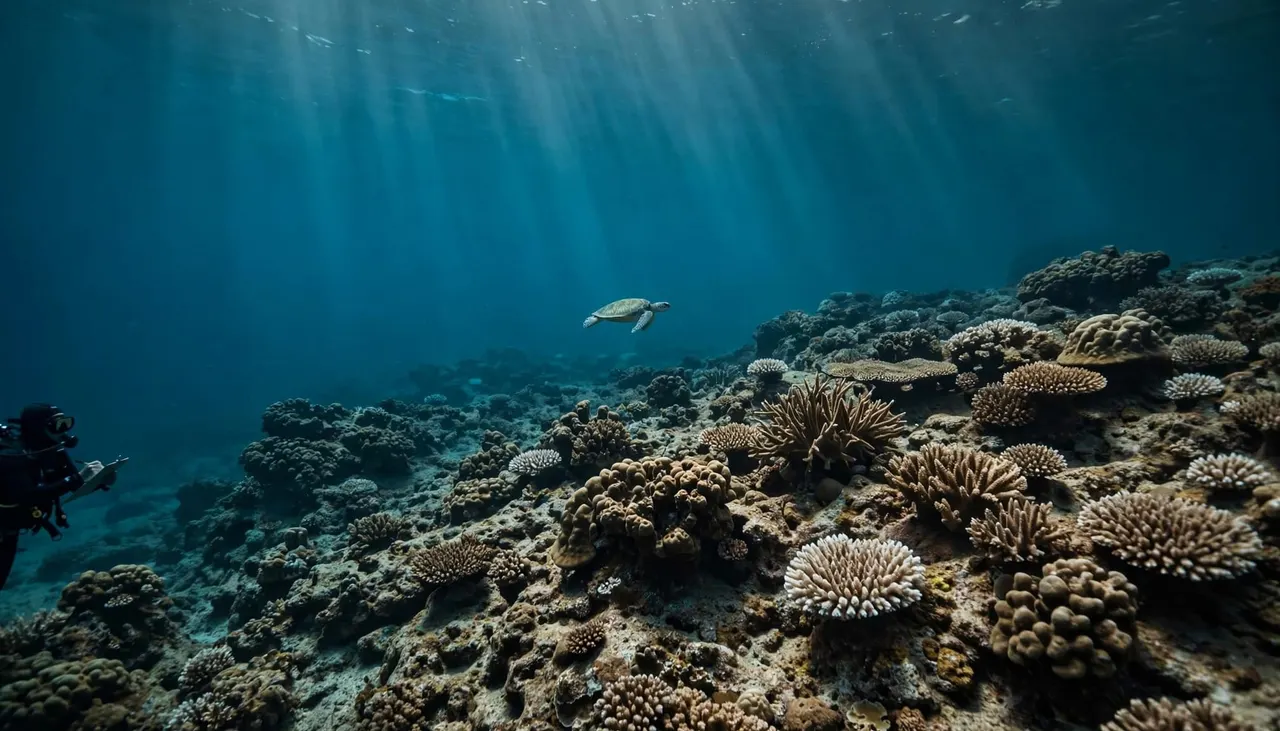
Give wildlife room to choose its route
Stay at least 10 feet from a turtle, and allow more space if it changes direction or appears crowded. Never touch, feed, chase, or surround one. In particular, don’t block its path to the surface: sea turtles need to breathe air.
You don’t need to swim after a honu for a memorable sighting. Float calmly and let it pass. Your guide can help you reposition without closing in on the animal or drifting over shallow coral. The best view is one that doesn’t change what the turtle was doing.
Prepare before you enter
Ask for a snug mask and appropriate flotation before you leave the boat. Tell the crew if you’re nervous in open water, prone to motion sickness, or helping a child settle in. A little preparation reduces rushed movements near the reef.
A rash guard can provide sun coverage while reducing the amount of sunscreen you need. Keep loose items secure, and leave nothing in the water. Once you’re snorkeling, keep your hands to yourself, including around coral that looks lifeless. Bleached coral may still be alive and capable of recovery.
Visit Turtle Canyon Oahu with Living Ocean Tours
Living Ocean Tours departs from Kewalo Basin Boat Harbor near Waikiki. Its turtle-focused excursion takes you to the offshore cleaning-station habitat, with snorkeling gear, instruction, and flotation support. The company says it’s the only tour company with professional snorkel guides, offering beginners and families direct help in the water.
Choose a wildlife-focused outing
If seeing reef habitat and honu is your priority, browse Living Ocean Tours’ turtle snorkeling options. Its Turtle Canyons excursion centers on observing wild turtles rather than staging an encounter. The company reports a 95% turtle-sighting rate, but no sighting is guaranteed. Visibility, ocean conditions, and turtle behavior vary.
You can CHECK AVAILABILITY for a Turtle Canyons snorkel outing when your travel dates are set.
Make room for the whole reef
On board, shaded seating, dry storage, restrooms, and sturdy ladders help you focus on the swim. Once you enter, follow your professional snorkel guide’s directions and look beyond the turtles. Cleaner fish, reef contours, and coral condition are all part of the place you’ve come to see.
If you’re weighing other ocean outings before deciding, you can check Living Ocean Tours’ availability here:
Key Takeaways
- Turtle Canyon Oahu is natural green turtle habitat with cleaning-station activity; sightings depend on wild animals and ocean conditions.
- NOAA’s September 2026 regional Bleaching Warning describes heat stress across the Main Hawaiian Islands. It doesn’t confirm bleaching or habitat loss at Turtle Canyon.
- Green turtles don’t depend on living coral as their primary food, but long-term reef decline could affect the wider habitat they use.
- You can protect the reef you visit by keeping your fins clear of coral and giving every turtle an open path.
Frequently Asked Questions
Does bleached coral mean turtles will leave Turtle Canyon?
No such outcome has been established for Turtle Canyon. Bleaching affects coral, while turtles also use nearshore reefs for feeding and cleaning activity. Any change in their use of this site would need local observations over time.
Can you still snorkel if there’s a regional bleaching warning?
A warning isn’t automatically a closure or a description of conditions at every snorkel site. Follow current guidance from your crew and local authorities. In the water, avoid touching coral and maintain control of your fins.
Is white coral always dead?
No. Bleached coral can remain alive and recover if conditions improve. Some healthy corals also have light coloring, so don’t diagnose a colony by appearance alone during a snorkel.
Conclusion
That pale patch beneath a passing honu deserves your attention, but it doesn’t tell the whole story. At Turtle Canyon Oahu, regional heat stress is documented, while site-specific bleaching and changes in turtle use remain unverified.
You can still enjoy the encounter on the turtle’s terms. Float clear of the coral, give honu room, and leave the reef undisturbed for the next visitor and the animals that use it.


