
Turtle Canyon Oahu: First-Time Snorkeler Mistakes to Avoid
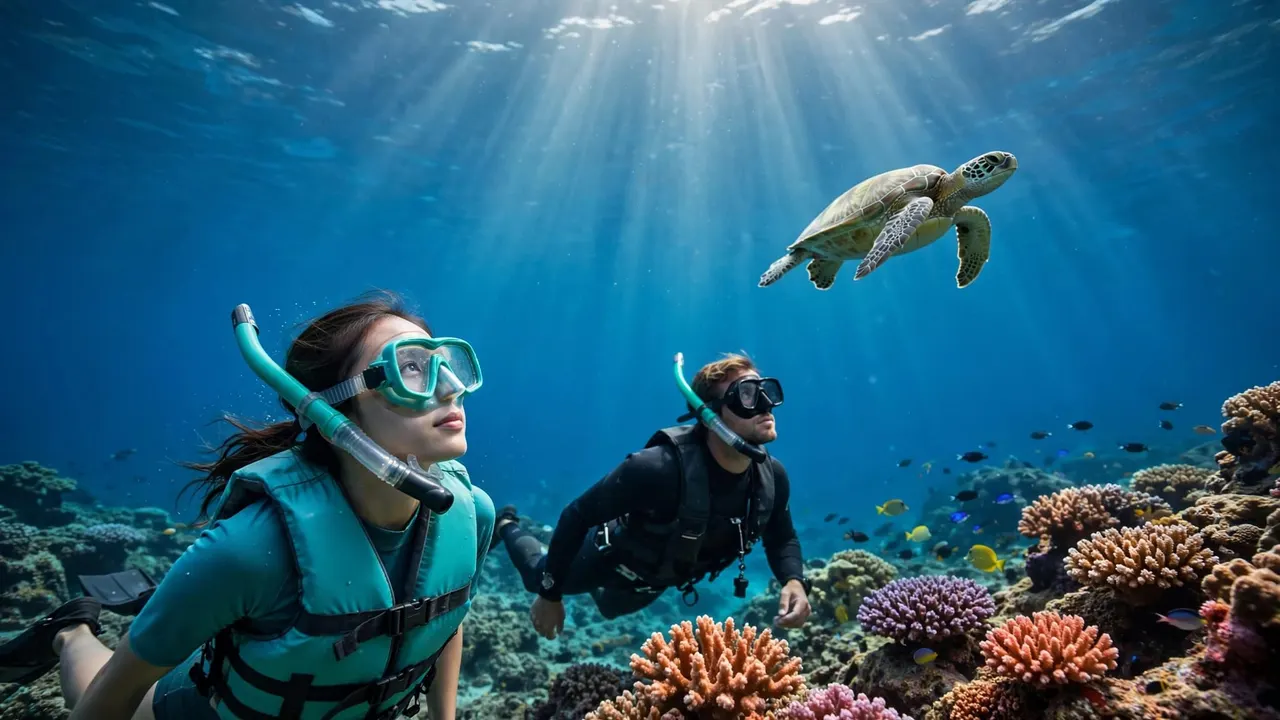
Your first look below the surface can feel magical, but rushing in with an uncomfortable mask or tense breathing can take the fun out of it fast. Turtle Canyon Oahu is a wild reef setting, so your best experience starts with calm movement, good gear habits, and respect for the animals you came to see.
Living Ocean Tours operates close to Waikiki from Kewalo Basin Boat Harbor and is the only Oahu tour company with professional snorkel guides in the water with you. That in-water support gives you a clear place to start when you are new to masks, fins, flotation, or open-water snorkeling.
Start With Comfort, Not Pressure
A first-time snorkel doesn’t require you to prove anything. You can take time at the ladder, use flotation support, and return to the boat whenever you need a break.
Living Ocean Tours offers Waikiki snorkeling and boat tours for visitors who want gear, instruction, and a guided route to the reef. Tell the crew if you feel nervous in open water, get motion sickness, or are helping a child with equipment.
A shorter swim that feels controlled is better than staying in the water until you are tired, cold, or overwhelmed.
At Turtle Canyon Oahu, the reef and wildlife set the pace. Your job is to stay relaxed, listen to your guide, and leave room for animals to move naturally.
Mistake 1: Treating Snorkeling Like a Fast Swim
Trying to power through the water
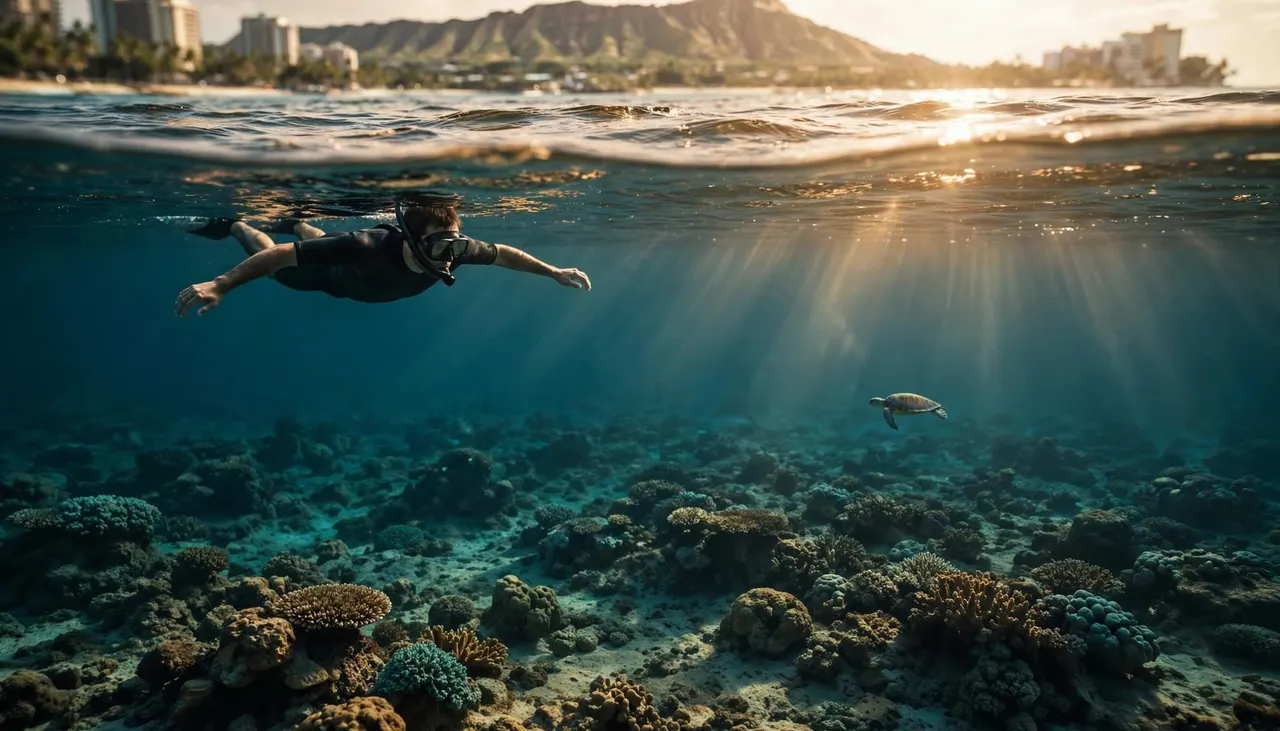
New snorkelers often kick too hard because they want to catch up, get closer to wildlife, or feel more in control. Fast kicks burn energy, stir up sand, and can bring your fins too close to coral.
Instead, float flat at the surface and use small, unhurried kicks. Keep your knees soft and your legs mostly straight. If you need help holding your position, ask for flotation equipment before you enter.
Holding your breath when the mask goes on
A snorkel works best with slow, steady breaths. Many beginners take shallow breaths at first, then panic when a small splash reaches the snorkel. Start near the boat and practice breathing with your face in the water before swimming farther out.
If water enters your mask, raise your head, steady yourself, and signal your guide. There is no prize for fixing gear alone. A calm reset protects your energy and makes the reef easier to enjoy.
Mistake 2: Waiting Too Long to Fix Gear Problems
Accepting a leaking mask
A mask that leaks repeatedly can make you feel rushed, even when the water is calm. Hair caught under the silicone skirt, a strap set too tight, or a poor fit can all cause trouble.
Ask for an adjustment before leaving the swim platform. Your mask should sit comfortably against your face without painful pressure. Once it seals well, you can focus on fish, coral, and open water instead of clearing water every few seconds.
Wearing fins that feel wrong
Fins give you control, but they should not pinch your feet or slide off your heels. Tell the crew if you have wide feet, haven’t worn fins recently, or feel unsteady using them.
Start close to the ladder and test your kicks. A guide can help you find a comfortable position before you head toward Turtle Canyon Oahu’s reef area. That small adjustment can stop a minor annoyance from becoming the reason you end your swim early.
Mistake 3: Swimming Too Close to Turtles
Chasing a better photo
A turtle may appear calm, but it is still a protected wild animal that needs room to surface, rest, feed, and travel. Swimming after it for a closer photo can change its path or block its route through the reef.
Hawaii’s marine wildlife viewing guidance from NOAA Fisheries says never to touch, chase, or feed marine wildlife. The most memorable view often comes when you stop moving and let the turtle continue its routine.
Floating above or surrounding an animal
Never position yourself directly above a turtle or between it and open water. Turtles must surface to breathe, so they need a clear route away from swimmers and reef structures.
Hawaii’s Department of Land and Natural Resources advises visitors to keep at least 10 feet, or 3 meters, from sea turtles. If a turtle approaches unexpectedly, stay calm, stop kicking, and let it pass. Don’t reach toward it, even for a quick photo.
Mistake 4: Forgetting That Coral Is Living Habitat
Standing up to adjust your gear
Coral is not a floor, handhold, or place to rest while you fix a mask. A misplaced foot can break fragile coral or stir sand that clouds the water for everyone nearby.
Stay afloat while you make an adjustment. Use your flotation equipment, signal your guide, or return to the boat if you need a longer break. Slow kicks and a horizontal body position also keep your fins clear of the reef.
Drifting away from your group
It is easy to become focused on one fish or distant turtle, then realize your group has moved. Staying within the range your guide recommends helps you get support before discomfort builds.
At Turtle Canyon Oahu, you will enjoy the experience more when you keep the boat, your buddy, and your guide in view. If you feel cold, tired, anxious, or unsure of your direction, turn back early rather than pushing through.
Mistake 5: Skipping the Briefing and the Conditions Check
Assuming every day feels the same
Ocean conditions change with wind, swell, currents, and visibility. A day that looks sunny from Waikiki can still require a different water plan offshore.
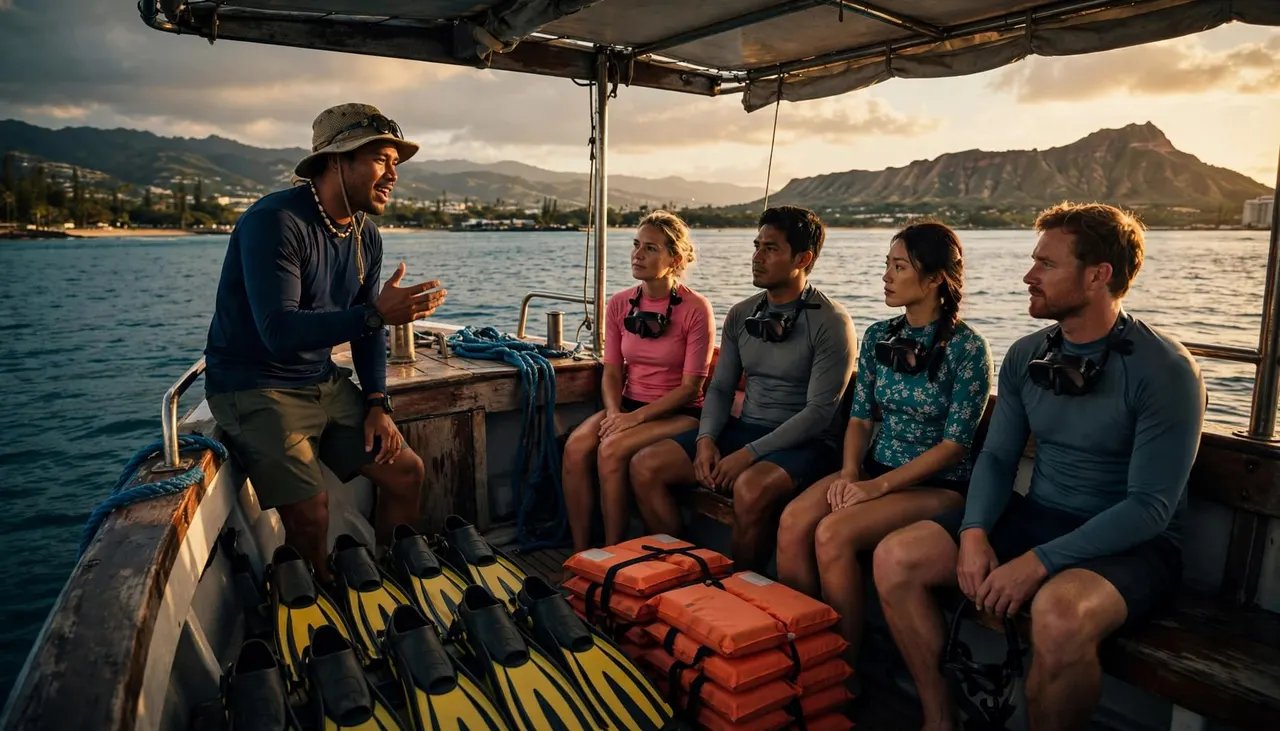
Listen closely when the crew explains the entry method, swim boundaries, and return signal. If conditions do not feel right for your comfort level, you can stay aboard and enjoy the coastline. Choosing not to enter is a smart ocean decision.
Keeping your concerns to yourself
Tell your guide about motion sickness, limited swimming confidence, recent injuries, or a child who needs extra support. That information helps the crew recommend the right flotation and keeps your group together.
Professional snorkel guides can help you settle your breathing, adjust equipment, and maintain respectful spacing around wildlife. You don’t need to wait until you are stressed to ask for help.
Choose a Guided Turtle Canyons Experience
The Turtle Canyons Snorkel Excursion is a strong fit when you want a turtle-focused outing with gear, instruction, flotation support, and professional in-water guidance. You can spend less energy managing unfamiliar equipment and more time watching the reef responsibly.
Living Ocean Tours uses Coast Guard-inspected double-decker vessels with shaded seating, onboard restrooms, dry storage, and sturdy ladders for water entry. Those details matter when you are traveling with kids, returning to snorkeling after years away, or sharing the trip with someone who prefers to take things slowly.
Wildlife sightings always happen on the animals’ terms. You may see turtles, reef fish, coral formations, or open blue water, but no wild encounter is guaranteed.
When your group is ready for a wildlife-first outing, CHECK AVAILABILITY for a Turtle Canyons snorkel excursion.
Pack and Prepare for a Better Swim
A secure swimsuit, towel, reusable water bottle, and sun protection can make your boat ride and swim more comfortable. A rash guard or swim leggings may also reduce how much sunscreen coverage you need.
Eat lightly before departure if boat rides tend to bother you. Leave loose jewelry and valuables ashore when possible, since they can distract you during gear setup or get lost in the water.
Most importantly, set a simple goal for Turtle Canyon Oahu: stay comfortable, protect the reef, and give wildlife plenty of room. A few patient minutes watching a turtle move freely are more meaningful than a rushed close encounter.
Key Takeaways
- Float horizontally and use short, gentle fin kicks to save energy and protect coral.
- Test your mask, snorkel, and fins near the boat before you swim farther out.
- Use flotation support if it helps you relax. It is a comfort tool, not a sign of inexperience.
- Keep at least 10 feet away from turtles, and never touch, chase, feed, block, or surround them.
- Tell your guide early if you feel tired, cold, anxious, or uncomfortable in the water.
- Let the day’s ocean conditions guide your decision about whether to snorkel.
Frequently Asked Questions
Is Turtle Canyon Oahu suitable for beginners?
It can be a good choice for beginners when conditions are appropriate and you join a guided trip with gear help, flotation support, and clear in-water instruction. Be honest about your comfort level, stay close to your group, and ask for support before you feel overwhelmed.
Will you always see turtles at Turtle Canyons?
No. Turtles follow their own routines, and water conditions change from one outing to the next. A respectful trip still offers reef fish, coral, ocean views, and the experience of being on the water near Waikiki.
What should you do if a turtle looks injured?
Stay at least 10 feet away and alert your guide, a lifeguard, or wildlife authorities. Do not touch the turtle, remove fishing line, move it, or try to treat it yourself. Trained responders can assess the animal without adding stress.
A Better Turtle Canyon Oahu Experience Starts Slowly
The best first snorkel is not the longest swim or the closest turtle photo. It is the one where you stay calm, protect the reef, and let wildlife behave naturally.
With fitted gear, steady breathing, and a professional guide nearby, you can experience Turtle Canyon Oahu with more confidence and respect for the ocean.


