
Turtle Canyon Oahu: How Green Turtles Choose Feeding Areas
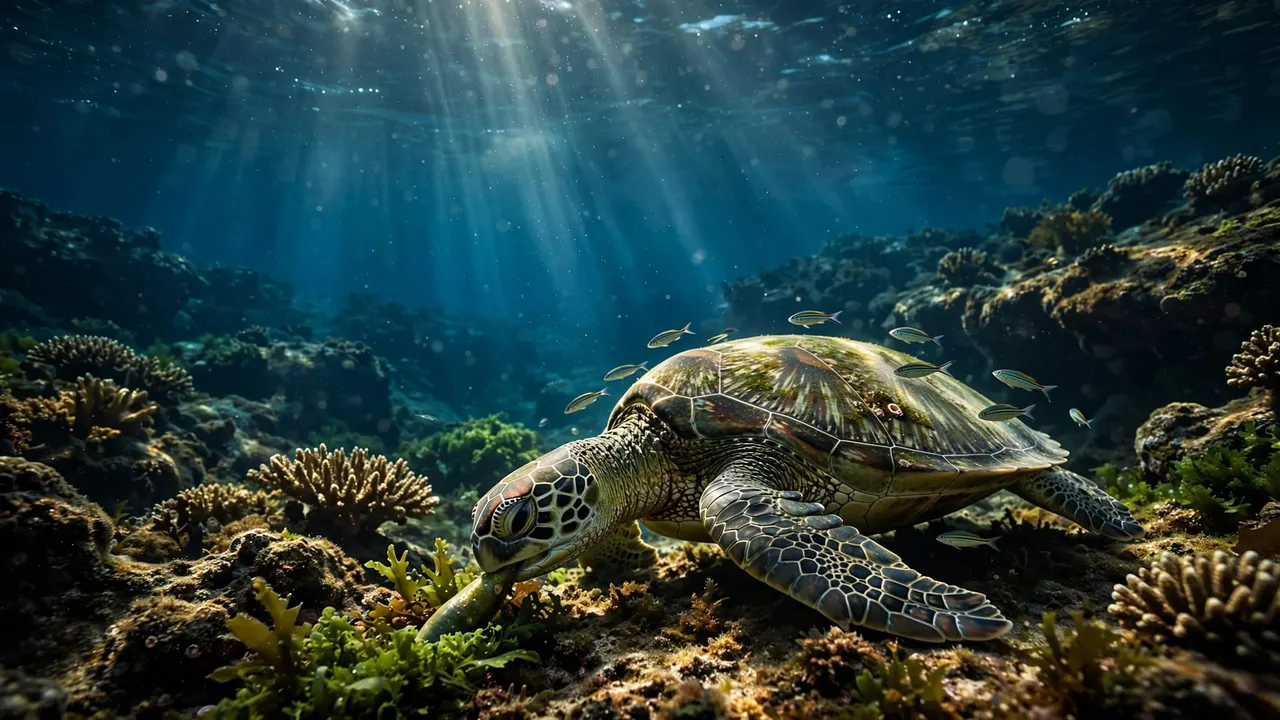
A honu can cross a reef in minutes, yet it doesn’t use every patch of water the same way. At Turtle Canyon Oahu, you are watching wild Hawaiian green sea turtles respond to food, shelter, currents, and the small reef animals around them.
Living Ocean Tours brings you from Kewalo Basin near Waikiki to this offshore habitat with a wildlife-first approach. The company is Oahu’s top-rated and most-reviewed turtle snorkeling tour company, and it is the only tour company with professional snorkel guides in the water with you.
Key Takeaways
- Turtle Canyon Oahu is reef habitat, not a controlled attraction. Turtles decide when they arrive, feed, rest, surface, and move on.
- Adult Hawaiian green sea turtles, known locally as honu, eat mostly algae and seaweed called limu.
- Turtle Canyon is known as a natural cleaning-station area, where small reef fish may remove algae and parasites from a turtle’s shell and skin.
- Reef shape, food availability, calm resting spots, and cleaner fish can all influence where turtles spend time.
- You protect a better turtle encounter when you stay at least 10 feet away and leave the animal a clear route to the surface.
A turtle pausing near coral is not asking you to come closer. It is using the reef on its own terms.
What Hawaiian Green Turtles Eat
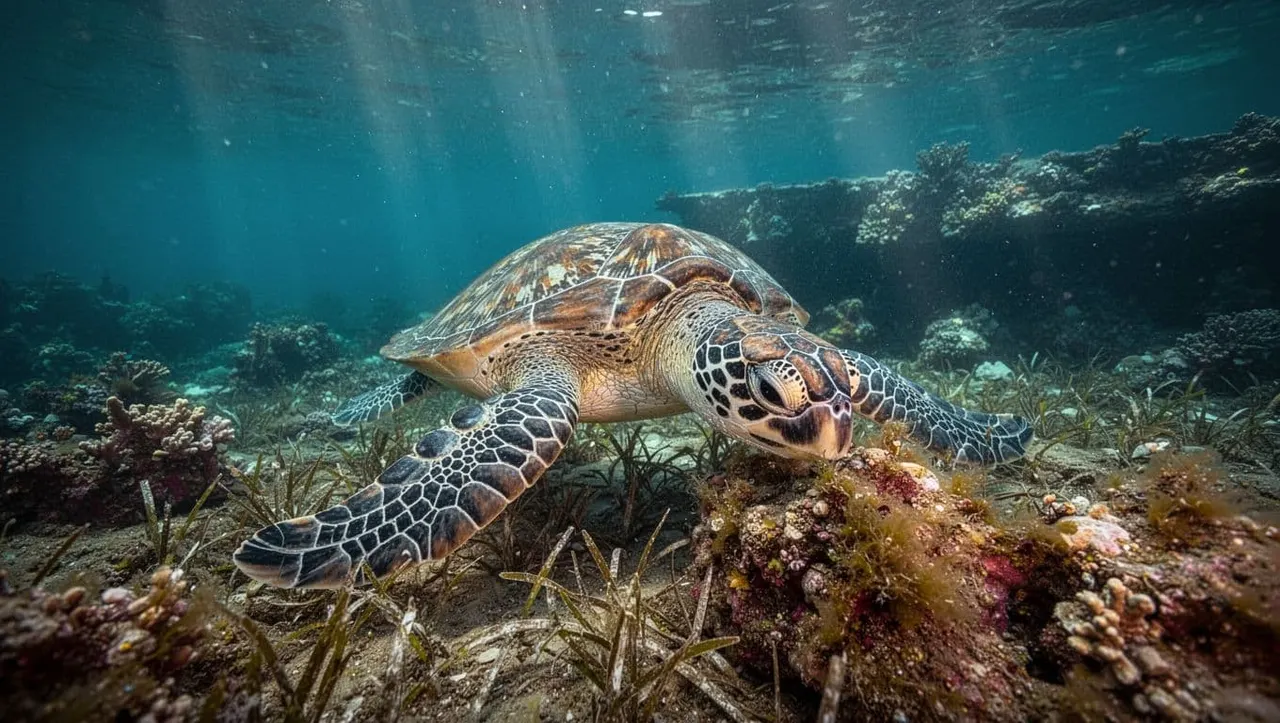
A green turtle’s feeding area has to provide more than clear water and pretty coral. It needs accessible plant life, suitable reef structure, and enough room to move without constant disturbance.
Algae and limu are major food sources
Adult honu are primarily herbivores. They forage on macroalgae and seaweed, which Hawaiians call limu, growing on reefs and rocky surfaces. In Hawaiian algal reef systems, green turtles also feed on seagrass and algae, as described in an EPA summary of green turtle diets.
That diet helps explain why a turtle may cruise slowly over one ledge, then pass through another reef section without stopping. It is likely responding to what is growing on the reef, not following a route for swimmers to watch.
You may occasionally see a turtle lower its head toward algae-covered rock. Give it room. A close approach can interrupt a feeding pass and push the animal away from the habitat it chose.
Shallow reef structure makes food reachable
Nearshore reefs and rocky outcroppings create surfaces where algae can grow. They also break up the open ocean into channels, ledges, and pockets where turtles can travel or pause.
At Turtle Canyon Oahu, the reef is part of a larger coastal system. The canyon itself should not be treated as a dedicated feeding station. Instead, it is a place within reef habitat where food, shelter, and cleaning activity can overlap.
A turtle might feed elsewhere before appearing near the canyon. Another may pass through only briefly. That uncertainty is part of seeing wildlife in open water.
Why Turtles Visit Turtle Canyon Oahu
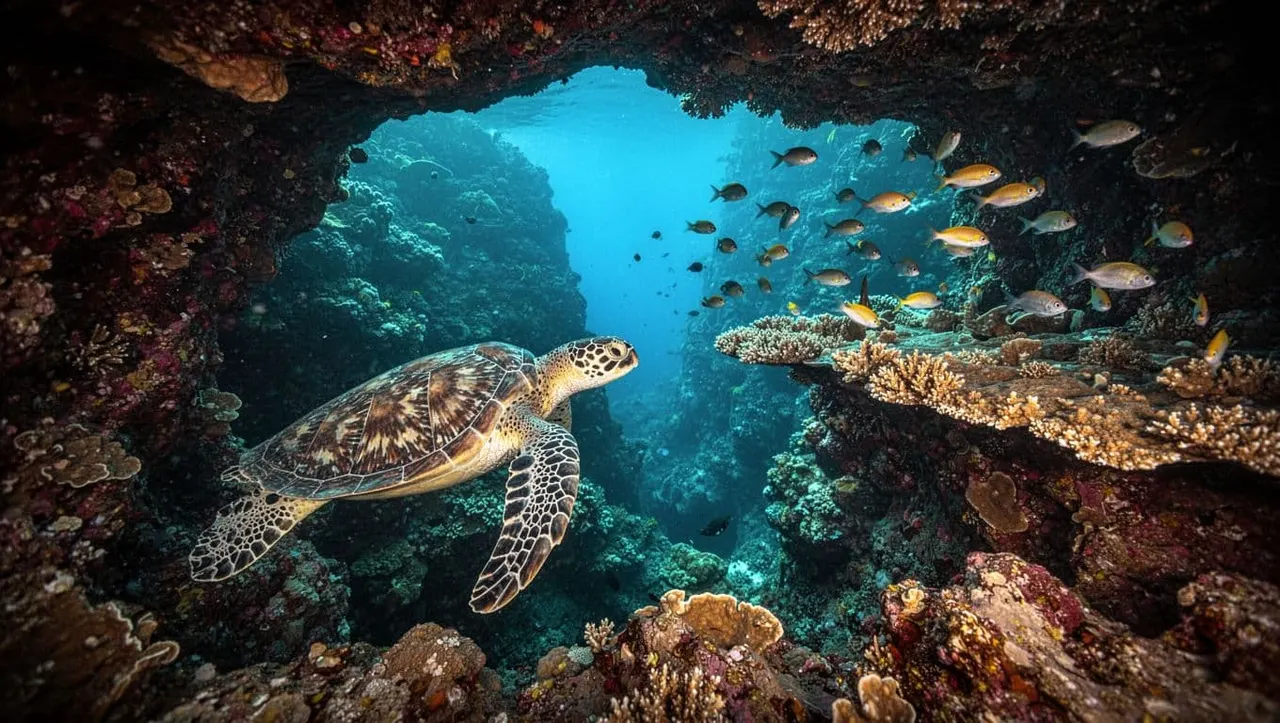
Turtle Canyon sits offshore from Waikiki near the Diamond Head side of the coast. It is accessible by boat, and the trip from Kewalo Basin takes about 15 minutes under typical conditions.
Cleaner fish give turtles a reason to pause
The site is widely known for natural cleaning stations. At these reef areas, small fish and invertebrates pick at algae, parasites, and other material on a turtle’s shell and skin.
A turtle may hover calmly while the cleaner fish work, then continue along the reef. NOAA describes reef cleaning stations as places where fish and invertebrates remove parasites from a turtle and eat them.
This behavior can look almost staged from the surface. It isn’t. The turtle chooses when to stop, how long to remain, and when to leave.
A cleaning station is not a feeding station
Turtles may use the same general reef for several needs, but each use is different. Algae-rich surfaces support foraging. Protected contours may offer resting areas. Cleaning stations provide another service altogether.
That combination can explain repeat visits to a reef zone. Still, no evidence shows that every turtle at Turtle Canyon Oahu is there to eat, or that turtles arrive on a predictable schedule.
A patient snorkeler notices the full scene: grazing fish, coral ledges, changing light, and a turtle’s unhurried movements. The encounter becomes better when you stop treating the turtle as the only thing worth seeing.
Reef Conditions Shape Feeding Choices
Turtles respond to real conditions in the water. A reef that looks similar from a boat can offer very different food and shelter below the surface.
Food quality changes across the reef
Algae does not grow evenly across every coral head and rock shelf. Light, wave action, water movement, grazing pressure, and the reef’s surface all affect what grows where.
A honu may move along a reef edge, investigate a patch, and continue if it finds little food. That behavior is normal. It doesn’t mean the turtle is avoiding people, though swimmers should always give it space.
When you snorkel Turtle Canyon Oahu, look for the details that support life around the turtle. Schools of reef fish, algae-covered rock, and protected ledges reveal why a reef remains useful to many species.
Daily ocean conditions matter too
Wind, swell, currents, visibility, and boat traffic can affect where you snorkel and what you see. They can also change how easy it is for you to spot a turtle from the surface.
No official source establishes peak months for turtle activity at this particular site. You should avoid booking around a promised wildlife moment. Instead, choose a day with some flexibility and let conditions guide the trip.
Your crew may adjust the plan for safety. That decision protects your experience, especially if you are a first-time snorkeler or traveling with young children.
Respectful Snorkeling Protects Honu
A close turtle sighting feels special because it is unscripted. The best way to keep it that way is to avoid changing the animal’s behavior.
Keep a 10-foot buffer
NOAA and Hawaii wildlife guidance recommend staying at least 10 feet, or 3 meters, from sea turtles in the water and on land. That space lets the turtle surface, turn, feed, or leave without needing to react to you.
If a turtle swims closer than expected, stay calm and hold your position. Do not follow it. Let it pass through the open water you leave behind.
At Turtle Canyon Oahu, a guide can help the group spread out and avoid blocking a turtle’s route. That is especially useful when several snorkelers are excited by the same sighting.
Leave the reef and wildlife untouched
Never touch, feed, chase, surround, ride, or block a sea turtle. Hawaiian green sea turtles are protected wildlife, and those actions can stress or harm them.
Keep your fins above the coral, too. Coral is a living animal community, not a place to stand while you adjust a mask. Use flotation support if you need a break, and ask your guide for help before you reach for the reef.
A slow kick and relaxed body position protect the habitat that gives turtles food, cleaning services, and shelter.
Snorkel Turtle Canyon Oahu With In-Water Support
Living Ocean Tours departs from Kewalo Basin Boat Harbor, minutes from Waikiki. Its Coast Guard-inspected double-decker vessels have shaded seating, restrooms, dry storage, and sturdy ladders for water entry and exit.
Get guidance before you enter the water
On Turtle Canyon snorkeling excursions, you receive fitted snorkel gear, flotation support, and instruction before entering the ocean. Professional snorkel guides are in the water with you, which gives beginners and families direct help with breathing, mask fit, buoyancy, and reef etiquette.
Living Ocean Tours reports a 95% turtle-sighting success rate at the natural cleaning station. However, no wild-animal sighting is guaranteed. Visibility, wind, currents, and the turtles’ own movements always set the terms.
Choose a turtle-focused outing
A turtle-focused trip works well when you want guided reef time without managing an offshore route on your own. Tell the crew if you are nervous in the water, prone to motion sickness, or helping a child feel comfortable in a mask.
You can CHECK AVAILABILITY when your Waikiki schedule has room for the conditions that make responsible snorkeling possible.
Frequently Asked Questions
Do turtles feed at Turtle Canyon?
Turtles may feed within the broader reef habitat, where algae and seaweed grow on rocky and coral surfaces. However, Turtle Canyon is best known as a cleaning-station area, not as a proven dedicated feeding station.
Will you always see a turtle at Turtle Canyon Oahu?
No. Turtles are wild animals, and sightings depend on conditions and their movements that day. Living Ocean Tours reports a 95% sighting rate, but a responsible operator cannot promise a turtle encounter.
Why does a turtle suddenly swim to the surface?
Green turtles breathe air. A turtle may rest below, graze across the reef, then make a steady ascent to breathe. Give it an open path and never follow it upward.
What should you do if a turtle seems injured?
Stay back and alert your guide. Do not attempt to handle or rescue the turtle yourself. Trained, authorized responders can assess the animal without adding stress.
A Better Turtle Encounter Starts With Space
Turtle Canyon Oahu is memorable because the reef still belongs to the wildlife you came to see. Food, shelter, and cleaning stations give honu reasons to return, but every turtle controls its own movements.
When you float calmly, keep your distance, and follow your guide’s lead, you get to witness the reef as it is meant to be: active, wild, and worth protecting.


