
Three Tables snorkeling: Summer Access and Reef Layout
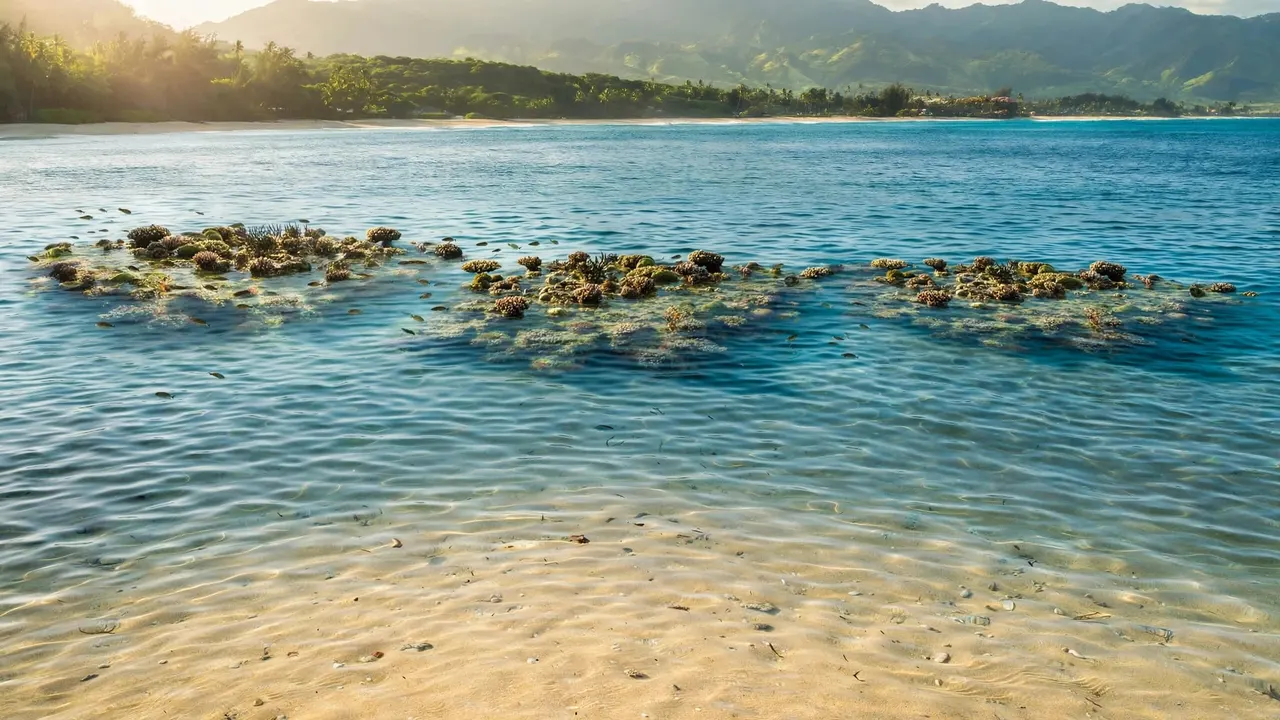
A sunny North Shore morning doesn’t tell you whether the swim back to shore will be easy. Snorkeling at Three Tables can offer beautiful reef views in summer, but your entry, exit, and the day’s swell deserve attention first.
If you’d rather have help with ocean access, Living Ocean Tours offers guided reef outings near Waikiki. Either way, today’s conditions matter more than a beach’s reputation.
Start by understanding how to reach Three Tables and how its shallow reef platforms shape your swim.
Key Takeaways
- Summer generally brings smaller waves, but Three Tables snorkeling still depends on swell, wind, visibility, and currents.
- The flat reef formations are landmarks, not places to stand. Keep your body and fins clear of the reef.
- Choose an exit before entering, verify current lifeguard coverage, and keep a backup plan if the water looks uncomfortable.
Summer Access and Arrival Planning
Getting to the Pūpūkea shoreline
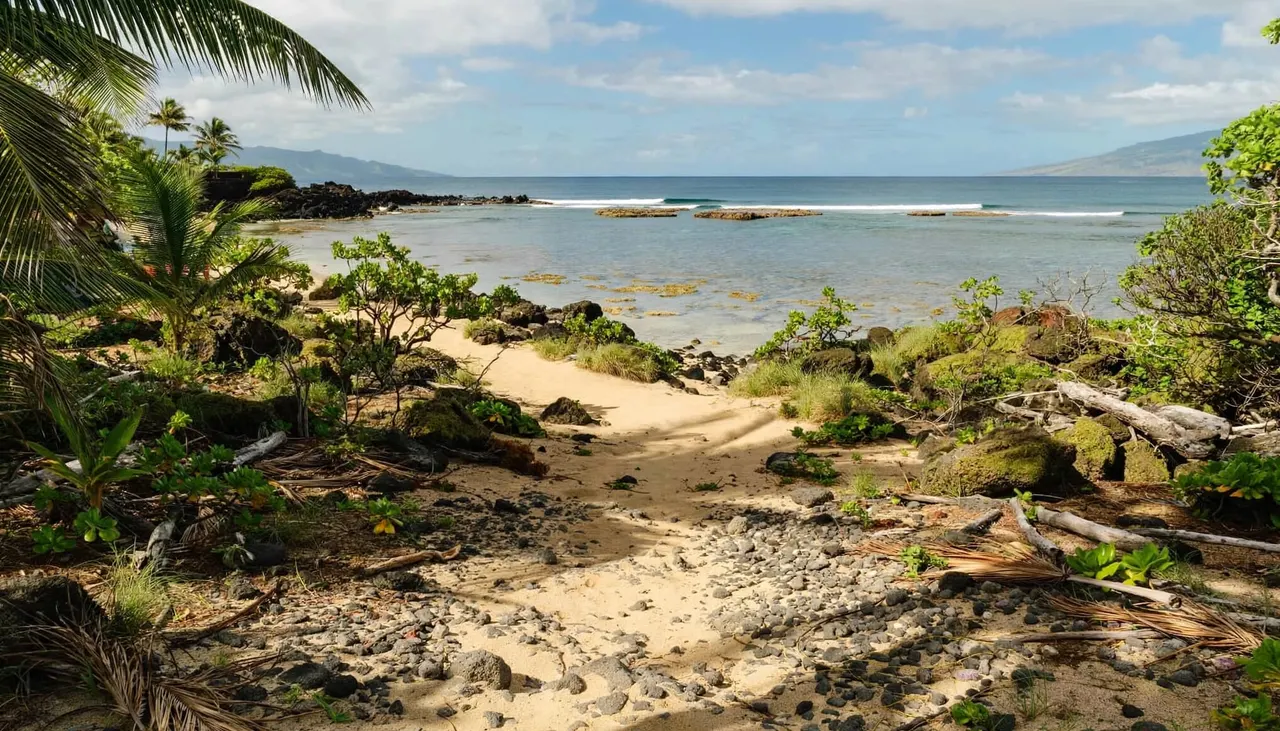
You’ll find Three Tables in the Pūpūkea area of Oahu’s North Shore, near Shark’s Cove and Waimea Bay. Kamehameha Highway, also called Highway 83, provides access to this stretch of coast.
The state’s Pūpūkea conservation district guide identifies parking at Pūpūkea and Waimea Bay Beach Parks, plus daily bus service to the area. Check your transportation plan before leaving Waikiki, especially if you’re relying on a return bus.
Use marked parking and keep driveways clear. Bring your equipment with you rather than assuming rentals will be available at the beach.
Leave room for a change of plans
Your Three Tables snorkeling plan should allow time to observe the shoreline before unloading everything. An earlier daytime arrival gives you more flexibility, but morning doesn’t guarantee smooth water.
If you’re visiting with children, bring drinking water, sun protection, towels, and dry clothing. Have everyone fit their masks and fins before approaching the water.
Also, avoid making your final vacation afternoon your only chance to snorkel. A flexible schedule lets you wait out rough water without feeling pressured to enter. If conditions disappoint, you can still enjoy the North Shore from land.
Read the Three Tables snorkeling Reef Layout
Recognize the flat formations
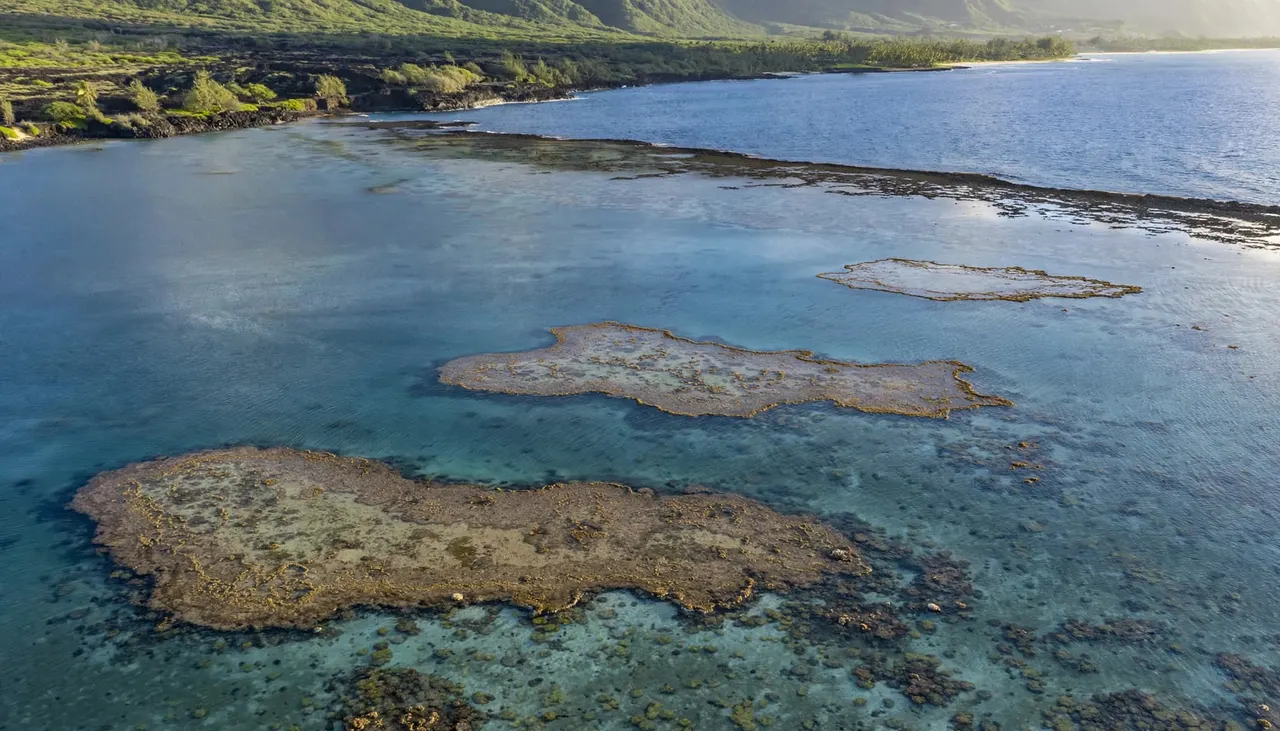
The name comes from the broad, flat reef sections visible at low tide. Although you may expect exactly three, DLNR describes three or four exposed sections, depending on the water level.
These formations help you recognize the site. However, they don’t provide a fixed snorkeling route or a protected swimming enclosure.
From shore, look for where waves break across the reef and how water moves between the formations. Repeated whitewater means the reef is receiving wave energy, even when the beach itself looks inviting.
Keep your attention on the moving water rather than trying to match a photograph.
Understand depth and open-water exposure
State snorkeling information describes water around the tables averaging about 15 feet deep. That’s useful context, but it doesn’t describe every patch of reef or channel.
You’ll encounter shallower reef tops alongside deeper water. Therefore, you need enough clearance to float without striking coral, including when a wave briefly lowers the water around you.
Three Tables is part of the Pūpūkea Marine Life Conservation District, along with Shark’s Cove and neighboring waters. That designation protects habitat; it doesn’t remove ocean hazards.
Avoid treating nearby sites as interchangeable. A manageable entry at one beach doesn’t establish safe conditions at another. For a family outing, the weakest swimmer’s comfort should set your limits.
Let Summer Conditions Decide Your Swim
Check swell, wind, and visibility
Summer waves are generally smaller at Three Tables, which makes this season more favorable for snorkeling than winter. Still, a summer date doesn’t promise calm water.
Before leaving, review ocean warnings and the marine forecast. Then reassess at the beach because local conditions can differ from what you expected.
Hawaii Ocean Safety’s snorkeling guidance warns against high surf, high winds, heavy shorebreak, and strong currents. Recent rain also deserves attention if the water looks cloudy or runoff affects the shoreline.
For Three Tables snorkeling, clear visibility helps you judge reef clearance and keep track of your buddy. Skip the swim if you can’t comfortably assess your surroundings.
Verify support and protect your exit
Check current lifeguard coverage through Honolulu Ocean Safety or on-site information. Don’t assume someone is watching this particular entry simply because another beach nearby has a tower.
Where a lifeguard is on duty, ask about the intended swimming area and today’s hazards. Their local observations add context that a weather icon cannot provide.
Watch the water for several minutes before deciding. Pay attention to wave sets rather than judging conditions during one calm pause.
If waves are repeatedly breaking across your route back to shore, postpone the snorkel even when the reef beyond looks clear.
Also, treat October as a transition period. Warm water can linger while North Shore swell becomes less favorable for snorkeling.
Plan Your Entry and Return Before Getting Wet
An easy exit matters as much as an attractive reef. Three Tables snorkeling should begin with a route you can recognize from the water, without relying on someone else’s swimming ability.
Use this sequence before entering:
- Watch the shoreline and identify an entry that avoids breaking waves and exposed reef.
- Choose a return point with your buddy, then agree on a conservative turn-back time.
- Test your mask, breathing, and flotation in manageable conditions before heading farther out.
- Return while you still have energy, especially if wind or surface chop starts increasing.
Keep the first swim short if you’re unfamiliar with the site. You can assess your comfort without committing to a longer route around the formations.
Don’t cross shallow reef simply because it appears to shorten the return. A route that requires standing on coral is unsuitable.
If you encounter a current, stay calm and get help rather than exhausting yourself. Hawaii Ocean Safety’s strong-current guidance emphasizes conserving energy and controlling your breathing. Staying close to your buddy makes it easier to notice trouble early.
Watch the Reef Without Disturbing It
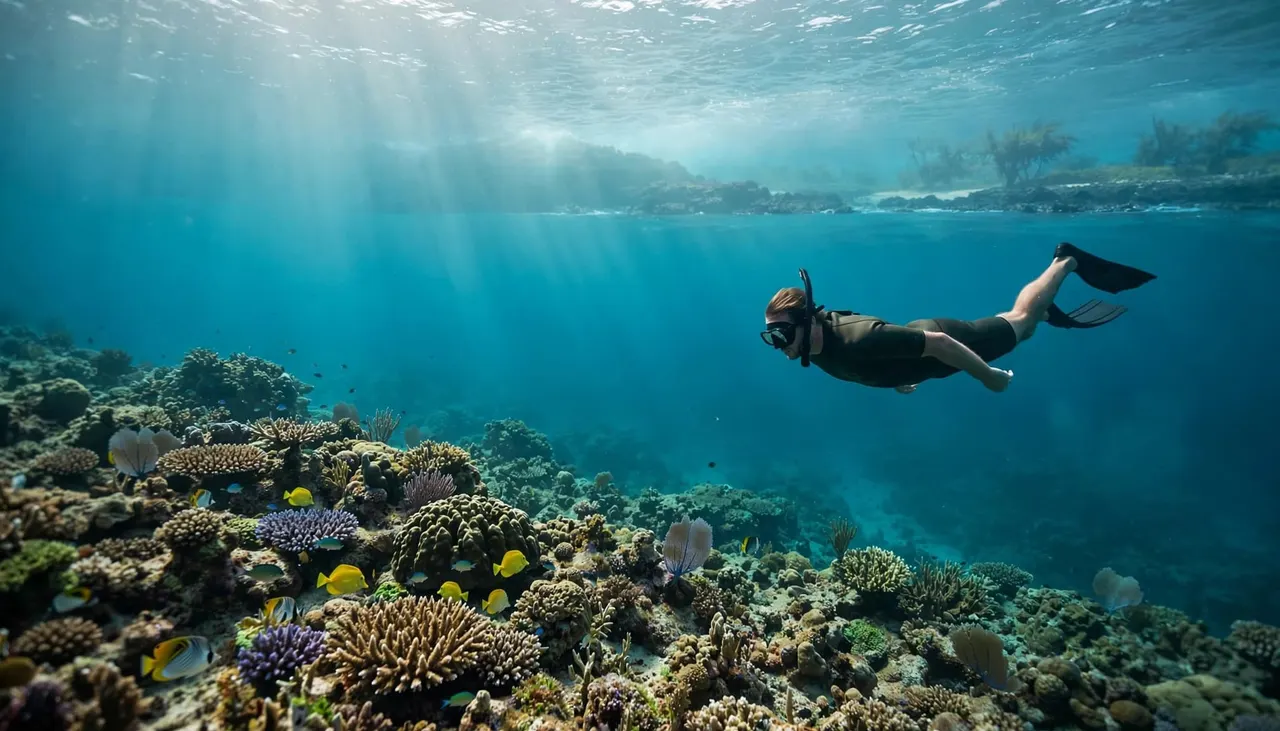
Three Tables snorkeling rewards patient observation. Once you’re comfortably floating, pause your kick and watch how fish move around the reef’s edges.
Keep your fins away from coral, including when turning or adjusting your mask. If you need to stop, return to a suitable sandy area rather than standing on the formations.
A University of Hawaiʻi project examining visitor behavior at Pūpūkea highlights walking on submerged reef among detrimental activities. Shallow water makes restraint especially important because your fins can reach habitat beneath you.
The conservation district’s rules prohibit feeding marine life and removing or altering coral, rock, or sand. Leave shells and other natural material where you find them.
If a Hawaiian green sea turtle appears, give it room to travel and surface. Don’t touch, chase, feed, or block it.
For photographs, keep your distance and let animals approach voluntarily. A relaxed float gives you more time to notice the reef without pushing wildlife away.
Choose Guided Reef Access Near Waikiki
If managing a North Shore shore entry doesn’t suit your group, consider a guided boat outing near Waikiki. You can focus on getting comfortable while the crew handles the designated swimming area and return route.
Living Ocean Tours departs from Kewalo Basin Boat Harbor in Honolulu, near Waikiki. You can compare its guided Oahu ocean excursions before choosing an experience that matches your group’s interests.
The company describes itself as the only tour company with professional snorkel guides. For a beginner, direct guidance is useful when fitting equipment, using flotation, or deciding when to return.
Its Coast Guard-inspected double-decker boats have shaded seating, restrooms, dry storage, and ladders. The Lokahi also has a SeaKeeper stabilization system that reduces boat roll, although it can’t guarantee freedom from seasickness.
Tell the crew about swimming concerns before entering. Also, ask about ladder access if anyone has mobility limitations. Boat access avoids a rocky shoreline, but you still need to follow instructions and respect ocean conditions.
You can check available departures below when guided access fits your vacation better.
Choose the Day That Fits the Reef
Your Three Tables snorkeling experience starts with a sound shoreline decision. Favor manageable water, a dependable exit, and enough reef clearance to float without touching anything.
Keep flexibility in your plans, whether you enter from shore or join a guided outing. The most rewarding reef view is one you can enjoy comfortably and leave with energy to spare.
Frequently Asked Questions
Is Three Tables suitable for first-time snorkelers?
It can be suitable when conditions and your swimming ability match, but you shouldn’t treat it as an automatic beginner destination. Reef clearance, wave movement, and the return route require judgment.
If you’re uneasy in deeper water or unfamiliar with shore entries, guided access may fit you better. Flotation supports comfort, but it doesn’t replace swimming ability or make hazardous conditions acceptable.
Can you snorkel at Three Tables outside summer?
Your decision should follow actual conditions rather than a calendar. Winter surf can make entry unsafe, while spring and fall bring variable conditions.
October isn’t a reliably calm extension of summer. Check warnings, watch the shoreline, and ask about local hazards where help is available. If the entry or return route looks difficult, save Three Tables for another day.


