
7 Best Things to Do in Waikiki with Kids in 2026
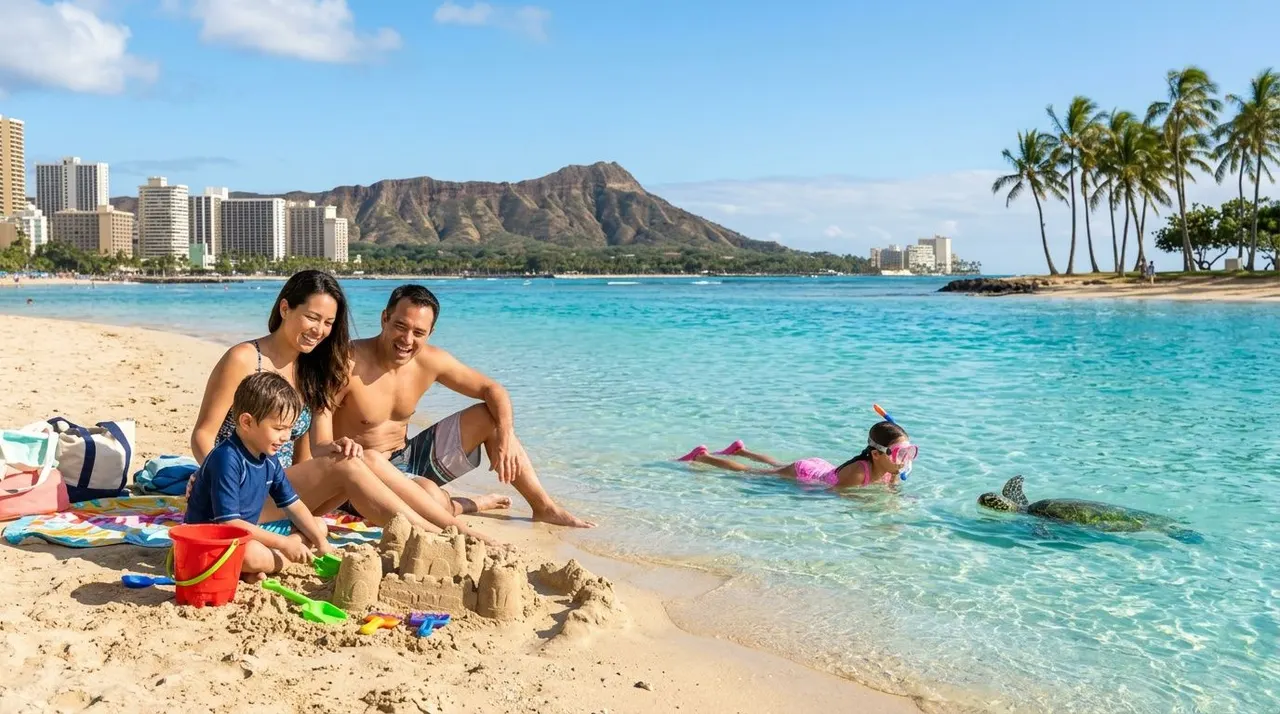
You arrive in Waikiki with a solid family plan in mind. Then real life shows up fast. One child wants the ocean, another is done after an hour in the sun, and the adults are trying to avoid spending the whole trip walking back and forth across town with wet towels and snacks. That planning gap is a common sticking point for families.
A better approach is to build each day around one flagship activity, then add the easy win that fits before or after it. In Waikiki, that usually means starting with the water. A turtle snorkel, a sunset cruise, or a seasonal whale watch sets the tone for the day. After that, it gets much easier to choose the right add-on, whether that is a park, a short ride on the trolley, a hula show, or an early dinner and beach time.
That structure works especially well here because many family stops sit close together, and the biggest mistake I see is overloading the middle of the day. Kids fade fast in the heat. Parents do too. If you want a practical place to start, this kid-friendly Turtle Canyon snorkeling guide helps you gauge whether a boat snorkel fits your child's age, comfort in the water, and attention span before you commit.
The goal is not to squeeze in seven attractions just because they are nearby. The goal is to choose well. Some activities are great for confident swimmers and school-age kids. Others are better for toddlers, mixed-age groups, or grandparents who want something easier on the legs. Those trade-offs matter, and they make the difference between a trip that looks good on paper and one that feels good day by day.
This mini-guide is organized in that order. Start with the standout water experiences first, then use the land-based options to build realistic half-day and full-day plans around them.
Table of Contents
- 1. Snorkel with Gentle Sea Turtles at Turtle Canyons
- 2. Enjoy a Family-Friendly Sunset Cruise
- 3. Go Whale Watching in Season
- 4. Explore Shoreline Parks and Wildlife Sanctuaries
- 5. Hike Diamond Head for Unbeatable Views
- 6. Experience an Authentic and Free Hula Show
- 7. Create Your Own Tour on the Waikiki Trolley
- Waikiki Family Activities: 7-Point Comparison
- Putting It All Together Your Waikiki Family Itinerary
1. Snorkel with Gentle Sea Turtles at Turtle Canyons
If you want one activity that feels unmistakably Hawaii, this is it. Turtle Canyons is the kind of outing kids talk about long after the trip ends, especially when they get that first clear look at a Hawaiian green sea turtle moving through the water below them.
Families usually do best here on a guided boat tour instead of trying to piece together gear, transport, and timing on their own. Near Kewalo Basin, tours to Turtle Canyons give families access to a reliable marine-life spot, and the nearby area is known for turtle-focused ocean outings. For many visitors, this is the easiest way to turn “we should try snorkeling” into a smooth half-day plan.
Why this works for families
A big reason Turtle Canyons ranks so high among things to do in Waikiki with kids is that it combines excitement with structure. You're not asking children to figure out open-ocean logistics by themselves. A good operator handles gear, instruction, wildlife etiquette, and entry points, which lowers the stress level for parents right away.
Living Ocean Tours is a strong fit for families looking for that kind of support. It's frequently recommended for Waikiki snorkeling, and if you want a closer look at how these trips work for younger travelers, their guide to Turtle Canyon snorkeling with kids is useful pre-trip reading. If you're ready to book, their Turtle Canyons Snorkel Excursion is the most direct option, while the Deluxe Waikiki Snorkel & Wildlife Cruise adds more onboard play features for kids who want more than just snorkel time.
Practical rule: Turtle snorkeling is best for kids who are comfortable getting their face in the water. If your child is nervous, choose a tour with easy in-water support and don't make “full snorkeler” the goal on day one.
Best fit and real trade-offs
This is not the best first ocean activity for every child. Confident swimmers and curious first-timers often love it. Kids with strong water anxiety may do better starting with beach shallows or a calm boat ride first, then working up to snorkeling later in the trip.
The upside is obvious. You get a memorable wildlife experience close to Waikiki, and nearby Kewalo Basin tours like Living Ocean Tours' Turtle Canyons outings are built around that family demand. The trade-off is that snorkeling asks more from kids than sitting on a boat. Some children are thrilled the second they spot a turtle. Others need time just to get used to the mask and breathing rhythm.
If your family wants the ocean experience without overcomplicating the day, this is one of the easiest anchors for a morning itinerary. Follow it with lunch back in Waikiki and an easy afternoon at the beach or hotel pool.
2. Enjoy a Family-Friendly Sunset Cruise
By late afternoon in Waikiki, a lot of families hit the same wall. The kids are sandy, the adults are tired of hauling towels and bags, and nobody wants to commit to one more big activity. That is where a sunset cruise fits well. You still get the ocean, the views, and a memorable end to the day, but with far less effort than another round at the beach.
This option works especially well for mixed-age groups. Grandparents can sit comfortably, younger kids usually stay engaged once the boat leaves the harbor, and older kids still get the fun of being out on the water.

What makes a cruise family-friendly
The right boat matters more than the sunset itself. For families, I would look for a stable catamaran, a crew that welcomes kids without making the trip feel kiddie, and a departure point that is easy to reach from Waikiki. A relaxed setup usually beats a high-energy party cruise, especially if you are traveling with children under 10.
Space matters too. Kids do better when they can sit, snack, and shift around a little instead of being packed shoulder to shoulder. If your family has stroller-age children or anyone prone to motion sickness, that trade-off is even more important than extras like music or drink service.
For a direct family option, the Waikiki Sunset Cruise from Living Ocean Tours keeps things simple and relaxed. If you want another option to compare, Sunset Cruise Waikiki is also worth a look. Families who want a better feel for pace, boat setup, and age fit can also read Living Ocean Tours' guide to Waikiki sunset cruises for families and their practical breakdown of whether whale watching in Oahu works well for kids.
When to book this instead of a beach evening
A sunset cruise makes the most sense on a day that already included plenty of activity. It pairs well with a slow morning, pool time, or shopping around Waikiki, then gives the day a clear highlight without asking everyone to keep going at full speed.
I usually suggest this for the second half of a family trip, not the first full day. Once kids have adjusted to the time change and parents have a better read on energy levels, the timing is much easier to manage.
Families often try to stack a full beach day, a rushed dinner, and a sunset sail into the same evening. That is usually when kids melt down before the boat even leaves the harbor.
The main trade-off is simple. Sunset departures often overlap with the hungriest and crankiest part of the day for younger children. Bring a small snack, keep the afternoon light, and treat the cruise as the main event rather than an add-on. Done that way, it works beautifully as the easy evening in your Waikiki mini-guide, especially before a land-based day like Diamond Head or the trolley.
3. Go Whale Watching in Season
Winter mornings in Waikiki can set up one of the easiest family wins of the trip. You board a boat, head out from Kewalo Basin, and spend the next stretch of time scanning for a spout, tail slap, or breach. For many kids, that first sighting becomes the story they keep retelling long after the vacation ends.
Whale watching works especially well for families who want a memorable ocean experience without masks, fins, or strong swimming skills. It also gives mixed-age groups a better middle ground than snorkeling. Grandparents can enjoy it. Younger kids can stay dry. Older kids still get the thrill of seeing wildlife in the open ocean.
Why this fits so well in a family plan
During humpback season, this is one of the clearest cases for booking around the calendar. If your trip falls outside winter, skip it and build around turtles, a sunset cruise, parks, or Diamond Head instead. If your dates line up, though, whale watching deserves real priority because it is seasonal in a way the other Waikiki activities are not.
It also adds a different kind of learning value. Crews follow wildlife-viewing rules and keep their distance, which gives parents an easy opening to talk about how Hawaiʻi protects marine animals. If your kids are already excited about reef life from earlier in the trip, this quick guide to Hawaii marine life you may encounter underwater and offshore helps connect the dots before you go.
If your dates match the season, the Waikiki Whale Watching Tour from Living Ocean Tours is a straightforward option to compare. Families can also get a better sense of age fit, pacing, and boat logistics from Living Ocean Tours' page about whale watching on Oahu with kids.
Comfort and timing tips
The main trade-off is patience.
Even on a good day, whale watching asks kids to wait, watch, and stay engaged between sightings. That is very different from a beach hour where they can constantly move. For toddlers and preschoolers, I would treat this as the main event for the day, not one piece of an overloaded schedule.
Morning trips are often the easiest with children because energy is better and the heat is lower. After the boat, keep the rest of the plan simple. Lunch, a stroller-friendly walk, or downtime at the hotel pool usually works better than trying to force in another major attraction.
Good to know: Whale watching is often the better choice for younger children, non-swimmers, or relatives who want time on the water without getting in.
A good half-day pairing is whale watching first, then an easy afternoon in Waikiki. A full-day version works too, but only if the second half stays flexible and low effort. That balance is what keeps this from feeling like a long tour day and turns it into one of the strongest seasonal picks in a Waikiki family mini-guide.
4. Explore Shoreline Parks and Wildlife Sanctuaries
Not every great family day in Waikiki needs a boat booking. The east end of Waikiki gives you one of the most practical land-based clusters on Oahu. Park space, zoo, aquarium, and beach are all close enough to combine without turning transport into a project.
This area works especially well after a big ocean day. Kids can still see animals and stay engaged, but parents get a break from masks, fins, and wet gear.
Honolulu Zoo
The Honolulu Zoo is a dependable half-day outing because it's simple. You walk in, follow a manageable path, and let the kids set the pace. That matters in Waikiki, where some attractions are memorable but logistically messy with strollers, nap schedules, or overheated toddlers.
The trade-off is that a zoo won't feel uniquely Hawaiian in the same way a turtle snorkel or hula show does. But that's not always a downside. Familiar activity types can be exactly what younger children need between bigger adventures.
Waikiki Aquarium
Right nearby, the Waikīkī Aquarium is one of the easiest educational stops in the area. It's compact, focused, and especially useful on a hot afternoon when everyone needs shade and air-conditioning.
If your kids are excited about reef fish or turtles after a snorkel trip, that interest can deepen a little here. Living Ocean Tours has a helpful visual primer on underwater Hawaii marine life you may encounter, which pairs nicely with either a snorkel day or an aquarium visit.
The best version of this outing is not “do every nearby attraction.” Pick one main stop, then leave room for Kapiʻolani Park or beach time.
For toddlers and preschoolers, this part of Waikiki is one of the safest planning bets. Everything is easy to understand, close together, and flexible if attention spans go sideways.
5. Hike Diamond Head for Unbeatable Views
Diamond Head is one of those classic Waikiki experiences that's worth doing if your kids are old enough for it. The payoff is huge. You get the iconic view, a satisfying outing, and a memory that feels more adventurous than another morning on the sand.
It's also one of the easiest “big” activities to understand. You start early, climb up, take in the view, and head back down before the day gets hot.
Who should do this hike
This hike is best for active families with school-aged kids or older. The route is straightforward, but it still asks for stamina, sun tolerance, and some willingness to climb. If you're traveling with toddlers, a stroller, or anyone who struggles with heat, there are better choices.
The common mistake is treating Diamond Head like a casual walk. It isn't hard in a technical sense, but it can feel long when kids are hungry, under-rested, or already burnt out from a packed itinerary. Living Ocean Tours' overview of the Diamond Head Waikiki boat tour perspective is a nice reminder that you don't need to experience Diamond Head only from the trail. Some families enjoy the view from the water instead.
How to fit it into a family day
The plan that works is simple:
- Go early: Morning is more comfortable and leaves room to recover.
- Keep the afternoon light: Pair the hike with pool time, a long lunch, or the trolley.
- Don't stack it with another intense activity: Diamond Head and a full ocean excursion on the same day is too much for most kids.
One of the more useful itinerary details floating around family travel coverage is that Diamond Head typically takes 90 minutes or more, which is exactly why it should be the main event for that block of the day. Treat it like a half-day anchor, not a side errand.
6. Experience an Authentic and Free Hula Show
Some of the best things to do in Waikiki with kids are the ones that don't require tickets, gear, or a long lead time. Free hula in Waikiki fits that perfectly. It gives children a sense of place and culture without asking them to sit through an expensive, late-night production.
For families, that ease matters. You can show up after dinner, bring a towel, and enjoy something special without turning it into a major operation.
Kūhiō Beach Hula Show
The official Kūhiō Beach Hula Show site is the place to check the current schedule. Family itinerary coverage in the research material notes the show runs from 6:30 p.m. to 7:30 p.m., which is one reason it works so well as an evening add-on instead of an all-night commitment.
This is a smart choice after a beach afternoon because nobody has to change gears much. Kids can stay in a relaxed vacation rhythm, and adults still get a memorable cultural experience.
Keiki Hula Lessons at Royal Hawaiian Center
If your children would rather move than sit, the keiki hula lessons at Royal Hawaiian Center are a great complement. These kinds of short, interactive sessions usually land better with younger kids than passive viewing alone.
The trade-off between the two is simple. The beach show is better for atmosphere. The lesson is better for participation.
“Free” in Waikiki doesn't have to mean filler. Hula nights often become one of the most remembered parts of the trip because they feel spontaneous and rooted in place.
For many families, this is the ideal final activity after a morning snorkel or zoo visit. You don't need much energy left to enjoy it.
7. Create Your Own Tour on the Waikiki Trolley
The Waikiki Trolley isn't just transportation. For families, it's often the glue that makes a realistic itinerary possible.
That's especially true if you're staying in Waikiki without a rental car. Moving kids between sights can become the least fun part of the trip, and the trolley takes a lot of that friction out.
Why the trolley helps families
The Waikiki Trolley is useful because it lets your day stay flexible. You can ride to Diamond Head, the zoo area, shopping, or other sightseeing zones without dealing with parking or repeated ride-share loading and unloading.
That matters more than people think. Kids tend to handle sightseeing better when the ride itself feels like part of the fun. Open-air trolleys help with that. The movement, views, and breeze give the day a better rhythm than piling into cars every couple of hours.
Best use cases
The trolley works best in three scenarios:
- You're skipping a rental car: This is the obvious use case and probably the best one.
- You want one easy sightseeing day: Pair it with Diamond Head, the zoo area, or shopping stops.
- You need flexibility with tired kids: Hop-on, hop-off is much easier than committing to a rigid sequence.
The trade-off is speed. A trolley is not the fastest way to get everywhere. But family travel in Waikiki usually isn't about speed. It's about avoiding friction. For that, the trolley does its job very well.
Waikiki Family Activities: 7-Point Comparison
Putting It All Together Your Waikiki Family Itinerary
You get back to the hotel at 1:30 p.m. after a great morning on the water. One child is starving, another is getting sleepy, and the adults are debating whether to push on to one more big attraction. That is the moment that decides whether Waikiki feels easy or exhausting.
The families who enjoy Waikiki most usually build the trip around one anchor activity a day. In practice, that means a morning snorkel, an evening cruise, or an early hike, then keeping the rest of the day light. Waikiki rewards that approach because so much is close together. You can do something memorable without spending half the day in transit.
Start with the water days first.
A strong first full day looks like this: morning turtle snorkel, lunch, downtime, then a simple evening plan. After a boat snorkel, many kids are done in the best possible way. They have already had the headline experience. That is why I would not stack another major outing on top of it. Save the afternoon for the beach, the lagoon, pool time, or a slow walk, then end with hula if everyone still has energy.
A second day often works better on land. Keep it centered around Kapiʻolani Park, the zoo, the aquarium area, or a trolley loop with one or two stops instead of five. This is the day to recover a little, especially for younger kids who did well on the boat but still need a slower pace the next morning. Families often underestimate how helpful an easy day is between bigger activities.
Then use your third priority to match your group.
If your family wants another ocean experience without masks, fins, and swim confidence, book a sunset cruise. It suits mixed ages well and gives grandparents, toddlers, and tired parents the same view without much effort. If you are visiting during whale season and wildlife is the main goal, make that your boat day instead and let the sunset come from the beach.
Diamond Head fits best on a separate morning, not after a boat tour and not on a day already packed with timed reservations. Go early, finish before the heat builds, eat right after, and leave the afternoon open. That is the version families usually remember fondly. The packed version is the one that leads to tired kids, rushed photos, and unnecessary friction.
The primary trade-off in Waikiki is not beach versus culture or boat versus land. It is energy management. Confident swimmers may be ready for Turtle Canyons and beach time on the same day. A child who is new to the ocean may need the rest of the afternoon quiet. Some families love the structure of a trolley day. Others do better with one destination and plenty of room to wander.
A simple framework helps:
Book the reservation-based activities first. Keep only one fixed highlight per day. Treat everything else as optional.
If you are ready to lock in the ocean portion of your trip, Living Ocean Tours offers guided Waikiki snorkeling, sunset cruises, and seasonal whale watching departures from Kewalo Basin near Waikiki.


